How Container Houses Are Engineered to Withstand Strong Winds
A frequent question that I receive from developers and homeowners who are thinking about going the modular route is, "Are they going to be safe if a storm hits?" With the increasing need for eco-friendly, quickly-assembled houses, the issue of strength, especially against the wind, has never been more crucial. Today’s wind-safe container houses offer more than just a recycled container concept; they are highly efficient buildings designed through meticulous engineering to withstand even the harshest weather.
I have been working as the Senior Structural Engineer at ZN House for more than six years. During the course of my work, I have been responsible for the design, stress analysis, and implementation of hundreds of modular units in various climatic conditions. I am highly skilled in Finite Element Analysis (FEA), and my role involves ensuring that all manufactured structures meet stringent safety standards. In this article, I intend to illustrate how modern prefab containers can resist strong winds, based on my extensive firsthand knowledge and experience.
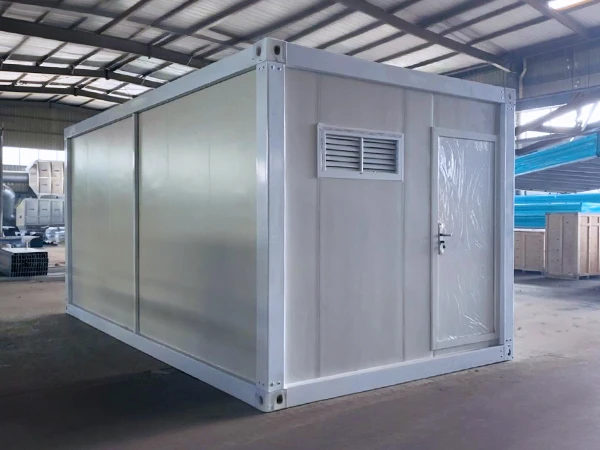
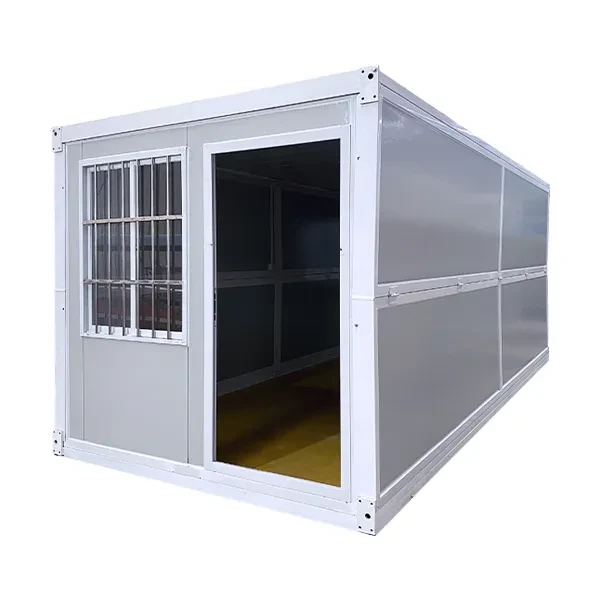
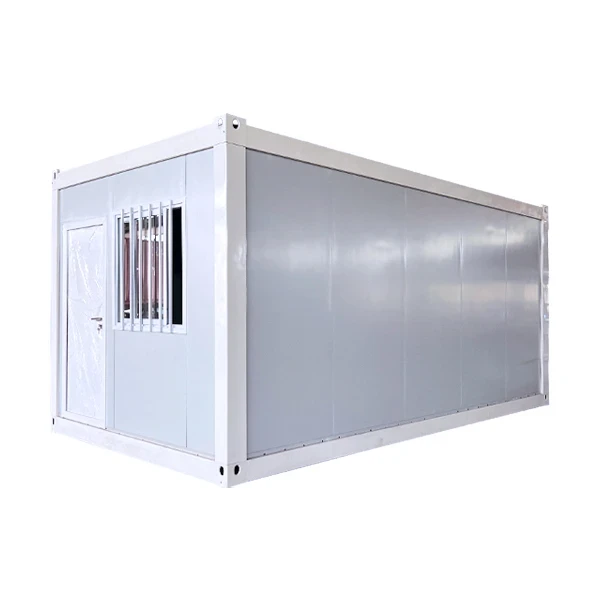
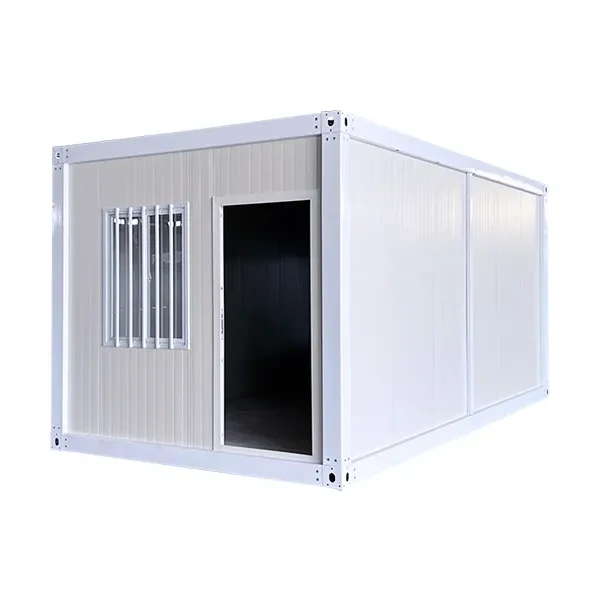
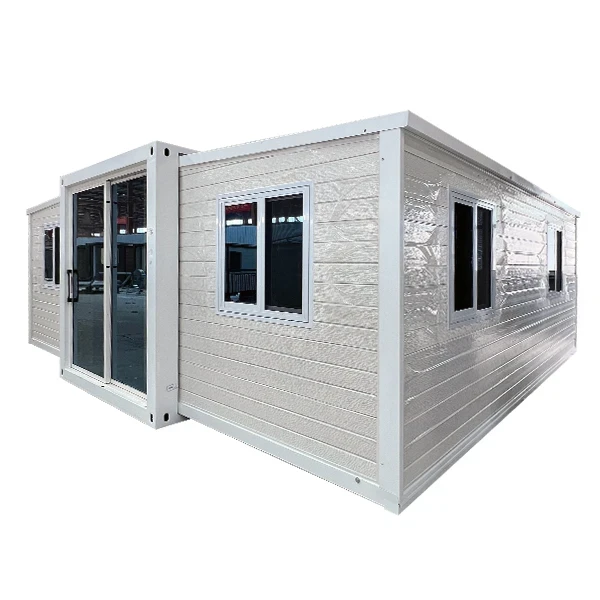
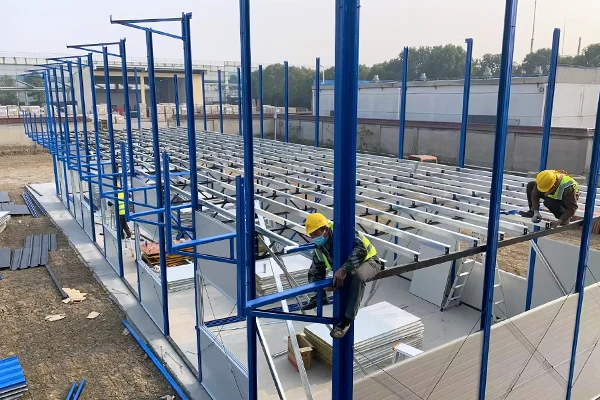
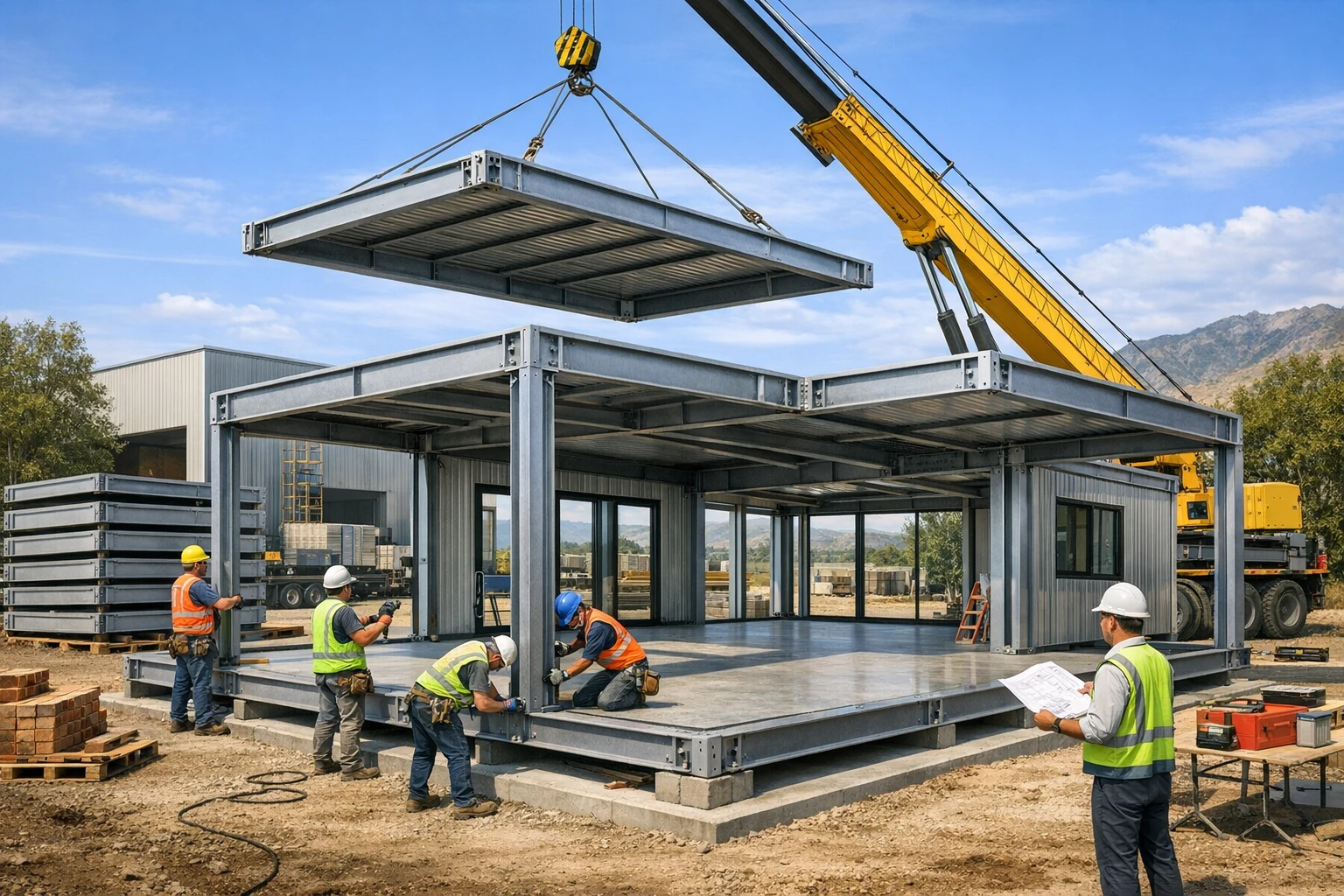
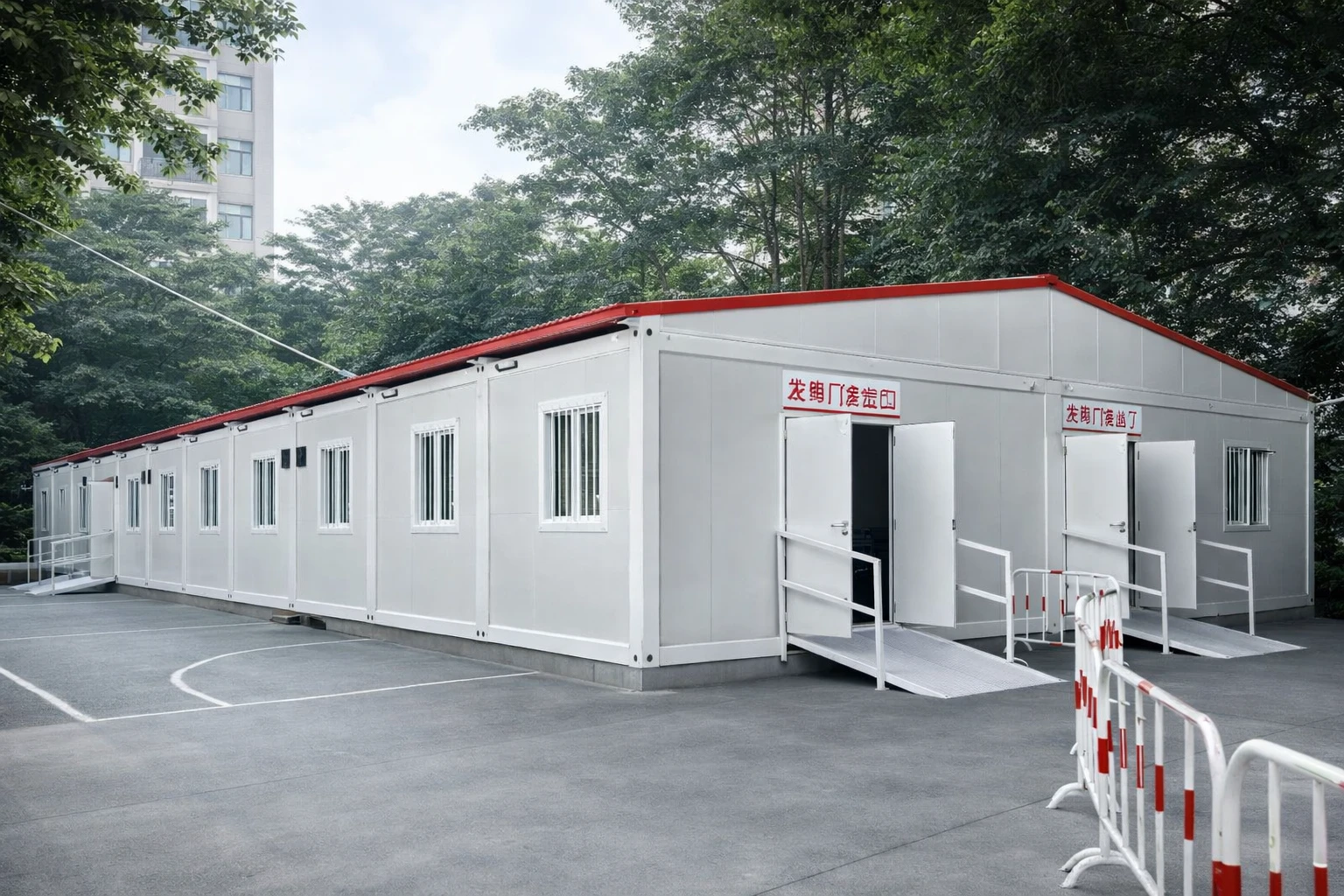
 Fig.1 Frames of Wind Safe Container Houses
The Engineering Behind Wind Safe Container Houses
Constructing a dependable structure demands an advanced comprehension of how loads are shared and the ability of materials to withstand various forces. Based on the technical reports, high-quality modular units are made of Q235 steel. This steel grade provides adequate yield and tensile strength (typically 370–500 MPa tensile) to effectively resist bending even under very high pressure.
Structural Load Analysis for a Wind Safe Container House
Employing sophisticated software such as MIDAS/Gen for finite element analysis, mechanical engineers predict a container's behaviour under the influence of wind pressure from the side. For a regular unit of dimensions 5950×3000×2800 mm, the permitted horizontal deflection at the top of the column is very limited. During testing, the maximum observed displacement was 16 mm. This value is well below the safety limit of 18 mm.
Cladding and Wind Pressure Resistance
Choosing proper wall panels is essential for keeping wind-safe container houses structurally sound. The thickness of rock wool insulation panels directly impacts the unit’s ability to withstand external wind loads.
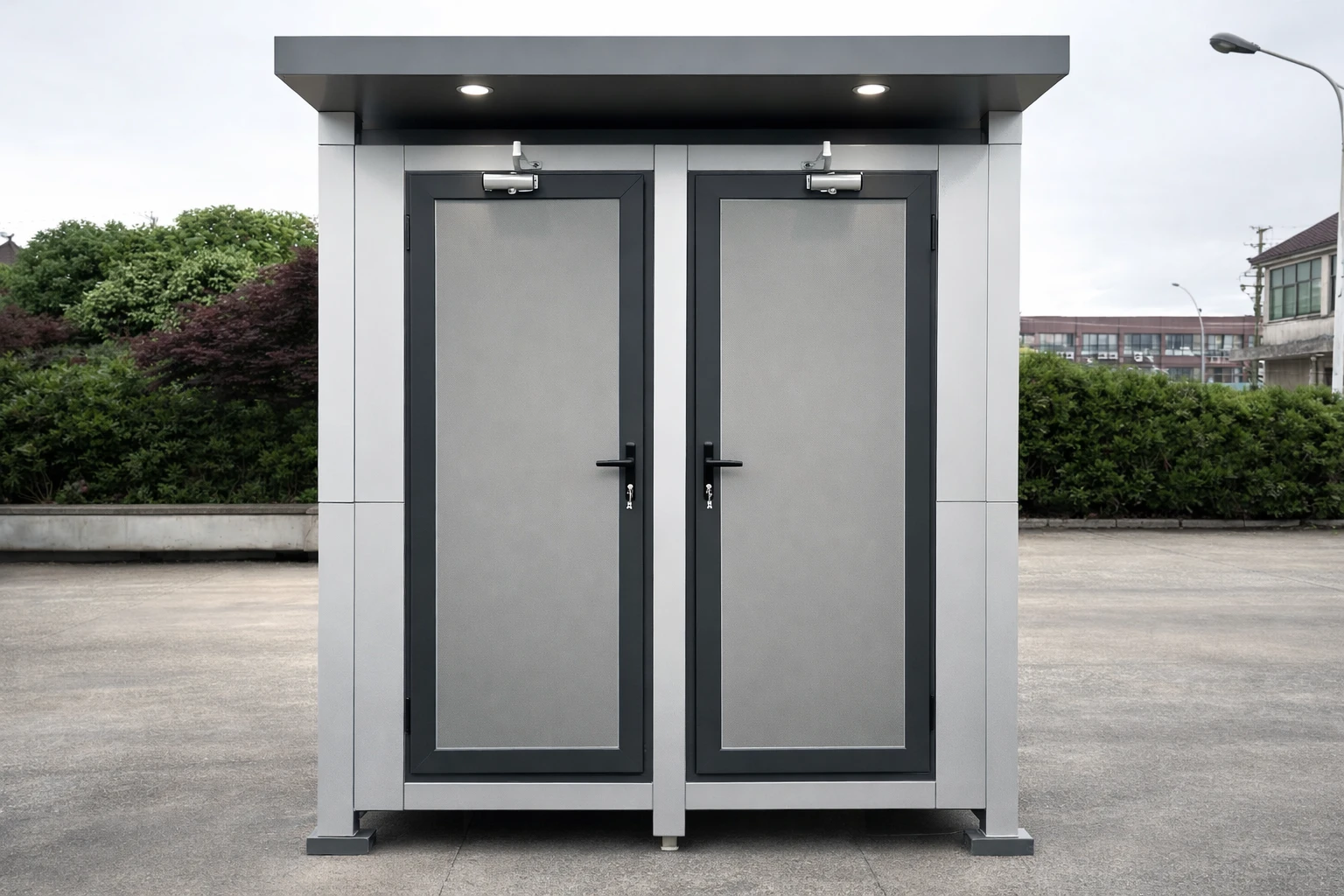
 Fig. 2: Wind Load Capacity and Safety Status of wind-safe container houses
Joint Stiffness in Multi-Story Units
When containers are stacked to form two-story structures, the safety of the entire assembly largely depends on the joint connection stiffness. Proper handling of the vertical (up to 25 kN) and horizontal (3 kN) support reactions allows the structure to behave as a single rigid unit. Such an arrangement guarantees that the structure complies with all the serviceability criteria under the impact of seismic or wind loads.
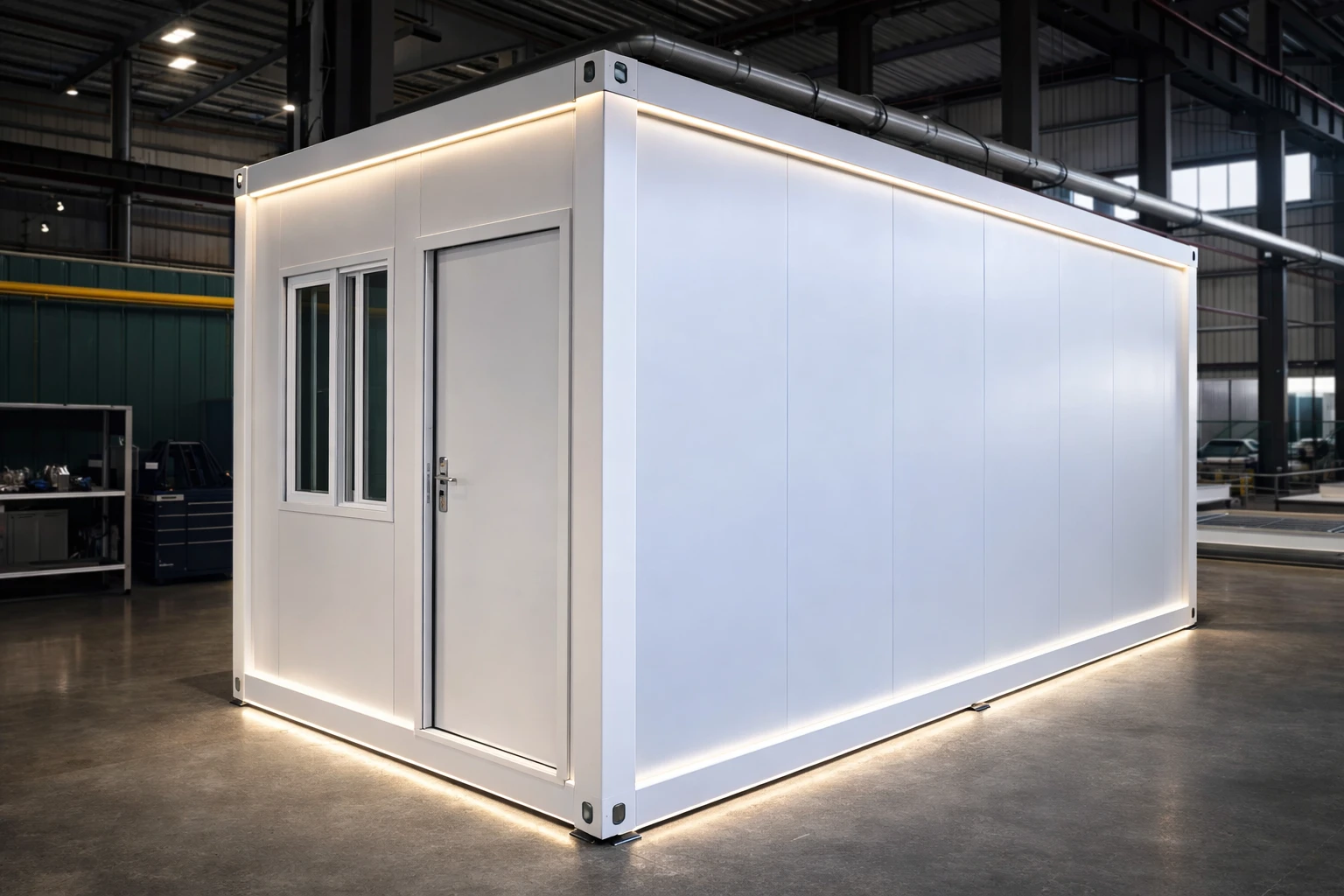
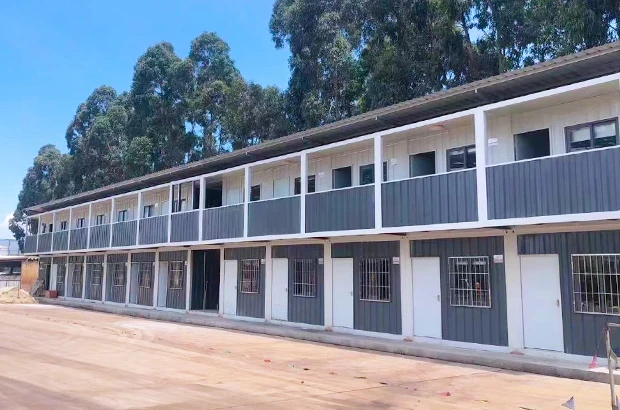
 Fig. 3: The Wind Resistance Capability of Wind Safe Container Houses
Real-World Case Study: Coastal Deployment
(Based on my professional engagement as a Senior Engineer.)
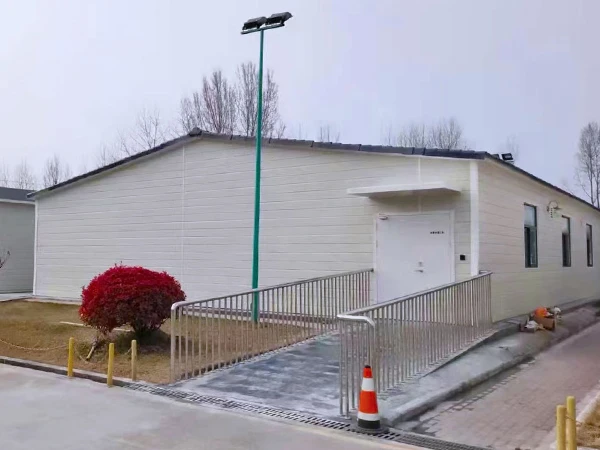
Last year, I supervised the setting up of a modular office building in a seaside area that gets hit by typhoons every season. The main worry of the client was whether the units truly met wind-safety requirements.
We decided to use the conventional integrated house model, and for our walls, we used 75 mm rock wool panels because of their higher wind load capacity of 65 kg/m2. We made sure that the thickness of the main beam and column stayed the same at 2.2 mm. After that, a major storm hit the area three months later. Our container units remained structurally intact while the neighbouring temporary structures had their roofs blown off. The maximum deflection was so small that it confirmed the accuracy of our structural analysis, which gave a vertical deflection limit of 23 mm, and was very accurate.
|
Feature
|
Specification
|
|
Main Material
|
Q235 Steel
|
|
Beam/Column Thickness
|
2.2 mm
|
|
Tensile Strength
|
428–450 MPa
|
|
Max Vertical Load (Floor)
|
120 kg/m²
|
|
Max Vertical Load (Roof)
|
100 kg/m²
|
|
Waterproof Performance
|
No leakage (1.8 tons spray)
|
Table: Technical Specifications for Wind Safe Container Houses
[Note: Load values are stated in kg/m² and kN, material strengths in MPa, and pressure tests in kPa, following standard engineering conventions.]
Conclusion
The evidence is convincing: prefab containers, if done right, can be one of the safest housing options out there. Your metal columns with a capacity of 118-137 MPa stress will probably be something strong. Also, when these units are pressure tested with water and still can hold 230 kPa of pressure, these units are built to endure. If you want both longevity and peace of mind, you really ought to go for wind-safe container houses.
Are you planning your next modular project? Selecting certified engineering and quality materials is essential. Ensure your project is "Wind Safe" by choosing certified engineering. Contact ZN House today to discuss your project’s specific wind load requirements!
FAQs
Can container houses withstand hurricanes?
Answer: Yes. Through the reinforcement of materials such as Q235 steel and the use of thicker wall panels (75 mm), container houses are constructed to satisfy safety standards in terms of wind load capacity, being able to withstand pressures as high as 65 kg/m2.
Does stacking containers make them less safe in high winds?
Answer: No, but that only if the stiffness of the joint connection was adequately ensured. Analysis reveals that the two-story layouts are within the safe horizontal drift limits (16 mm vs. an 18 mm limit).
How can water intrusion be prevented in a container house during a windstorm?
Answer: Wind-safe container houses are tested using high-pressure spraying. According to reports, the walls can withstand 230 kPa of pressure for 5 minutes without any seepage, and the roofs are still not leaking after being sprayed with 1.8 tons of water.
Disclaimer
The technical data, structural analysis, and material specifications presented in this article are derived from official product documentation provided by ZN House and a comprehensive third-party inspection report evaluating the standard integrated modular houses of ZN House.
Explore the following video showcasing a custom modular container home engineered for wind-prone regions in the Philippines.