Container School Buildings: Building Classrooms Faster Without Cutting Corners
School systems around the world are running short of classrooms faster than they can build them. A 2024 UNESCO report found that education systems will need 44 million more primary and secondary teachers by 2030, and overcrowded, aging campuses make that gap even harder to close (UNESCO's 2024 Global Report on Teachers). A container school is a perfect solution for administrators, developers, and NGOs who are constantly dealing with enrollment increases. This innovative method allows for the swift transformation of industrial manufacturing into real estate. The school facility is created from prefabricated units which are transported by trucks. The construction time is reduced; because of this, a school construction can be completed within days, contrary to months when using the traditional approach. A school based on containers explains the steps and methods involved, presents the reasons the container system can withstand daily school activities and shows a number of existing schools built using container school buildings.
What Is a Container School Building?
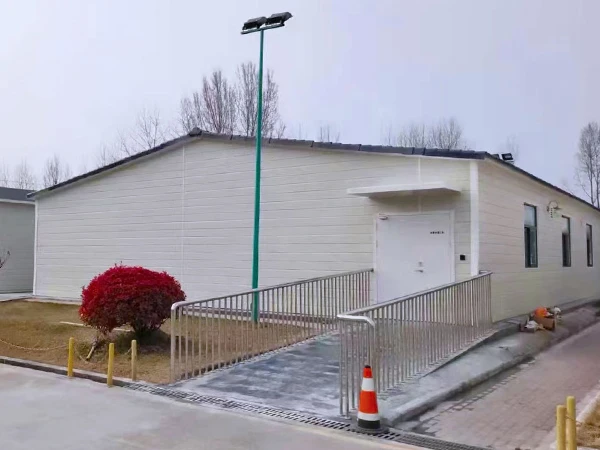
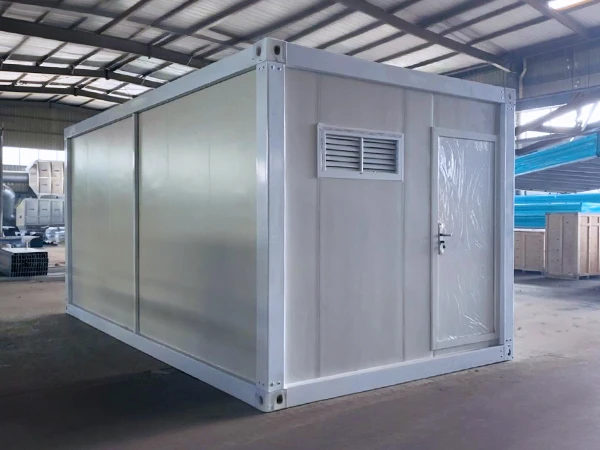
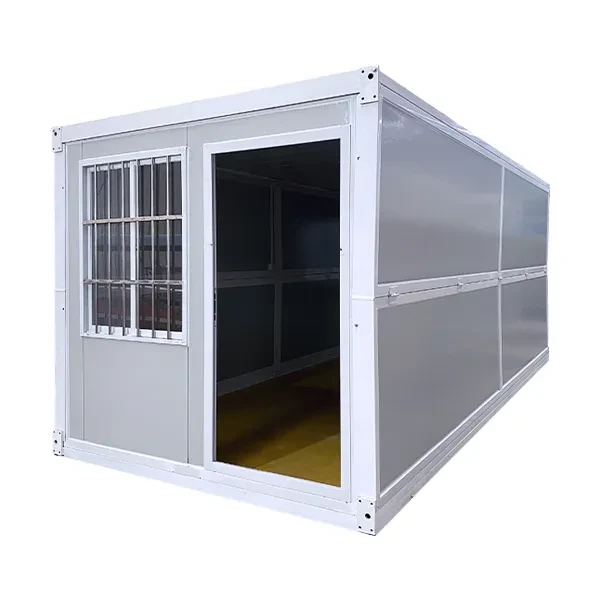
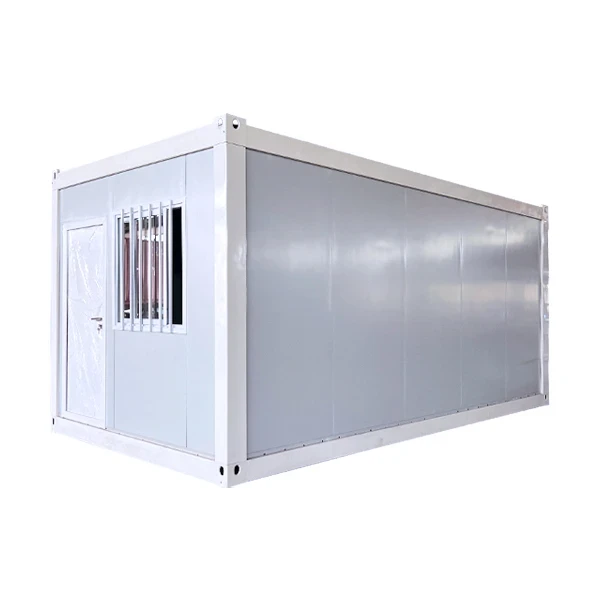
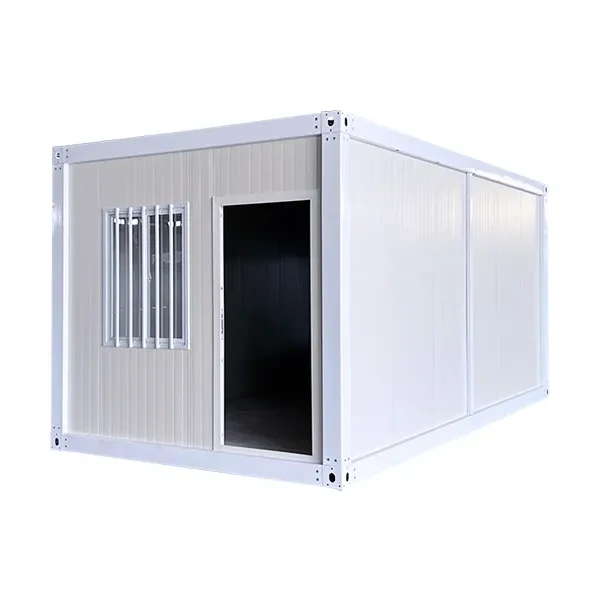
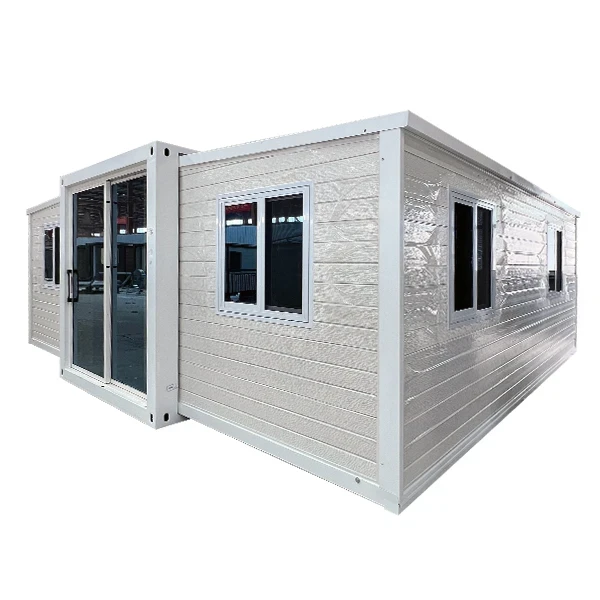
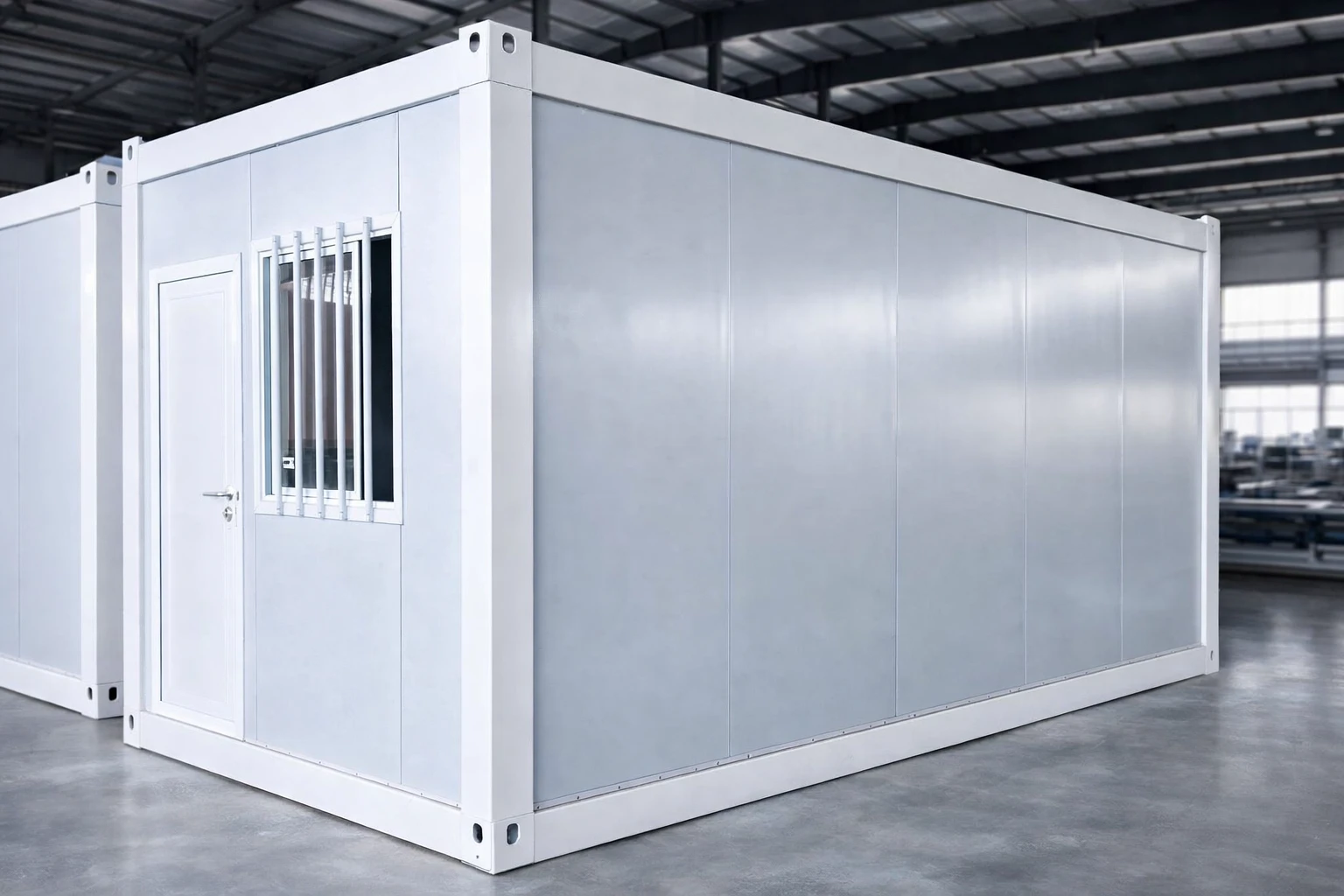
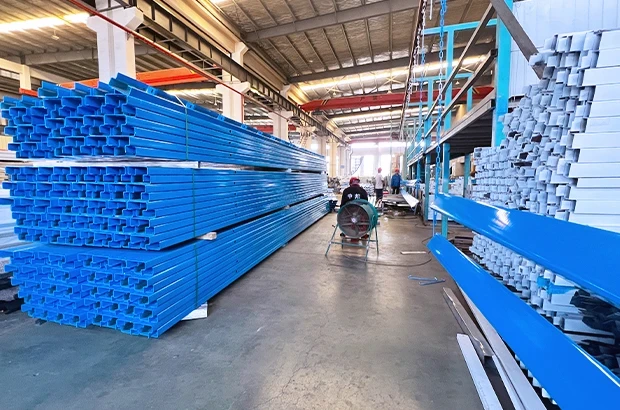
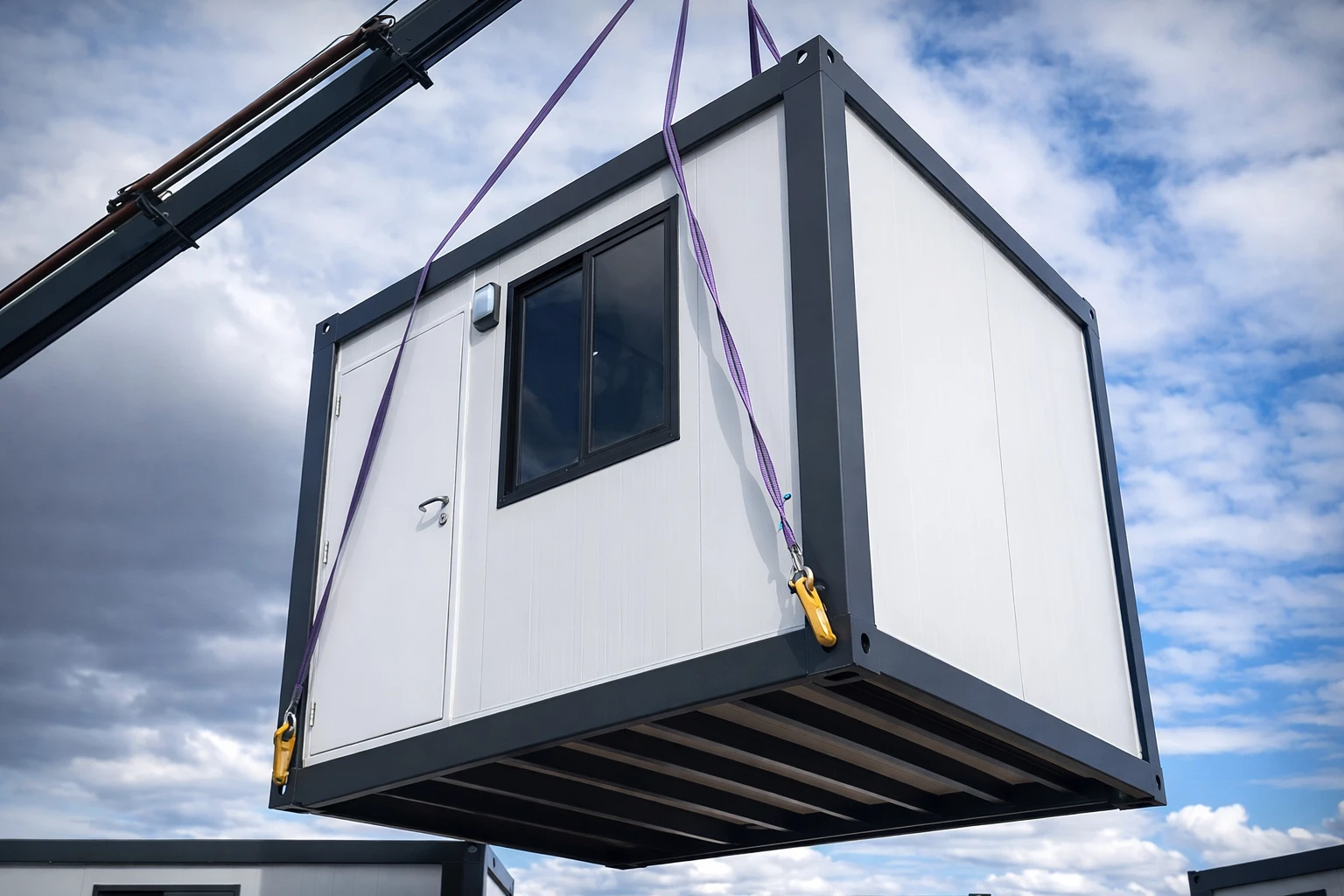
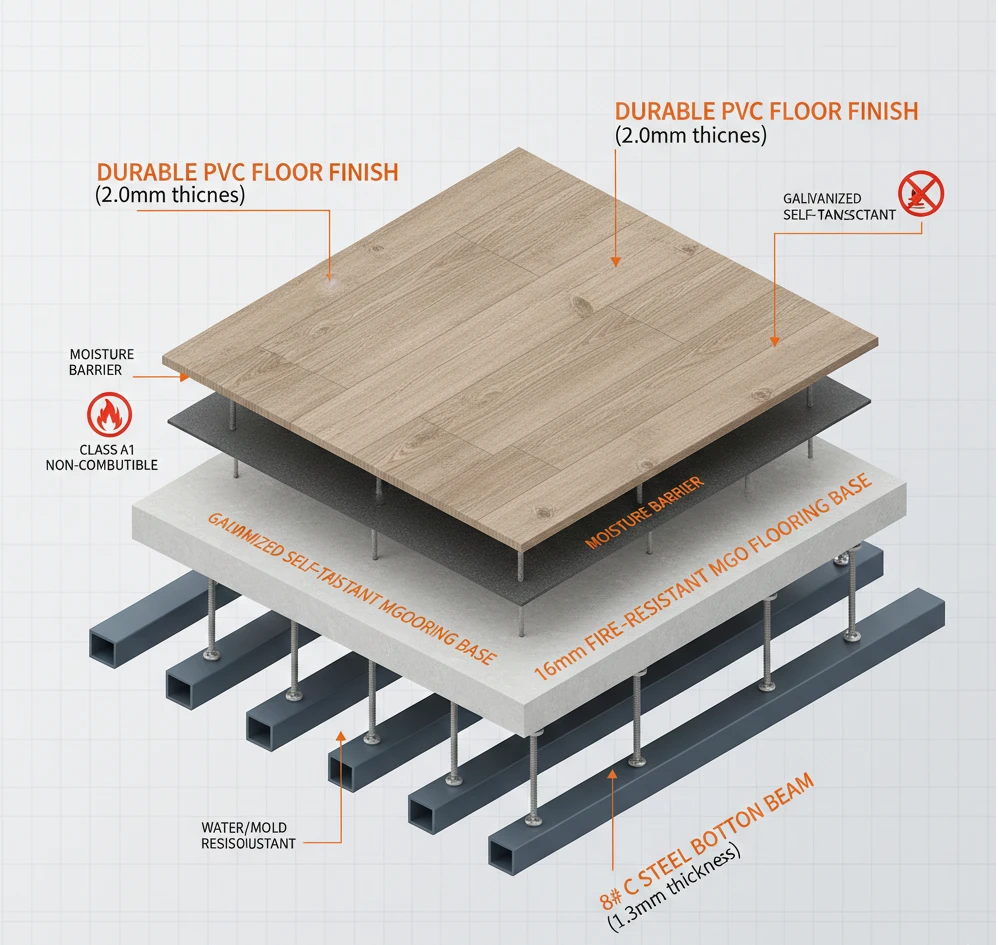
Using a container school building as an alternative to the more traditional school buildings is one way to go. A container school is a prefabricated steel container unit structure. Instead of poured concrete or site-framed walls, they use containers. The insulation, flooring, electrical wiring, and window openings are already installed when the unit is offloaded from the manufacturing plant. Then at the site, the modules will be linked together, seams will be sealed, and the utility hookups will finally be completed. As most of the work is carried out in the workshops, problems due to weather and material wastage are much minimized, and at the end, the classrooms are as good as conventional buildings, but the time between drawing up the plans and having everyone in is much shorter.
How a Container School Building Comes Together
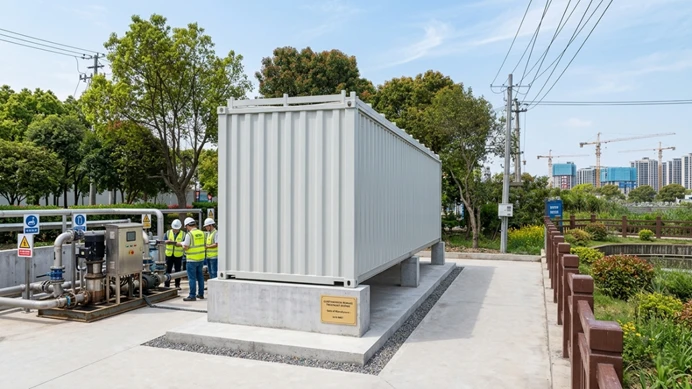
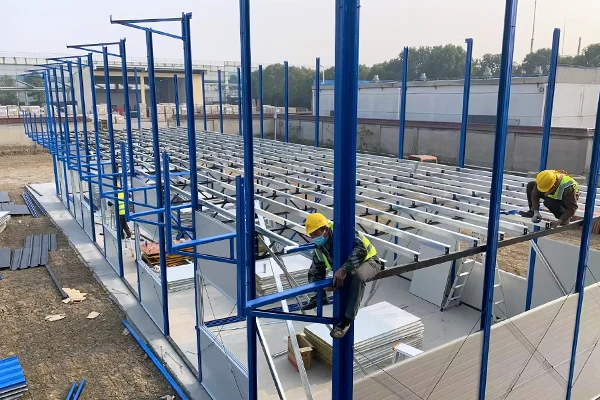
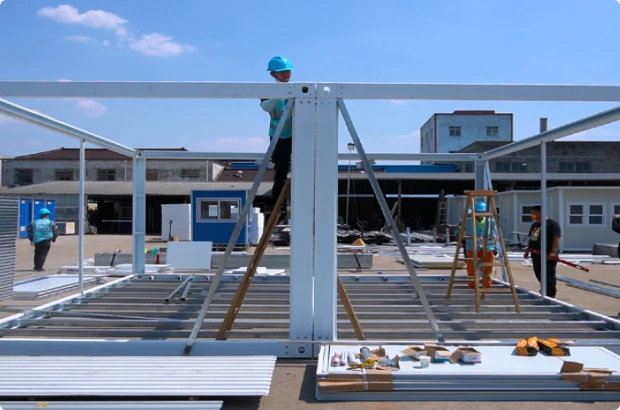
Planning usually begins with a short sketch showing the room numbers, site restrictions, and local rules. Then site works are carried out, mostly the setting of piles or the digging of trench footings, or a raft slab as the modules' load. After that, the modules are lifted into position with cranes and fastened by bolting or welding the connection plates and then all the joints are made watertight. The insulating, separating walls, and windows are next on the list, after which the staged electrical, plumbing, and HVAC systems sized to meet the class occupancy requirement are completed. The process finishes with commissioning, including structural checks, waterproofing tests, and indoor air quality verification before handover.
Because so much of this work is finished in the factory, a container school building typically reaches occupancy much sooner than a conventional build, as the table below shows.
|
Project Phase
|
Conventional Construction
|
Container School Building
|
|
Design & permitting
|
2–4 months
|
2–4 months
|
|
Foundation work
|
4-8 həftə
|
1–3 weeks
|
|
Structural assembly
|
4–8 months
|
2–6 weeks
|
|
Interior fit-out & MEP
|
2–4 months
|
Largely factory-completed
|
|
Typical site-to-occupancy
|
12–18 months
|
8–14 weeks
|
Note: Ranges are general industry estimates and will vary by project scope, region, and permitting timeline.
Why Schools Are Choosing Container School Buildings
Four benefits stand out. Rapid deployment is the most obvious. Factory fabrication means insulated walls, prewired circuits, and HVAC mounts are already installed before the modules leave the plant, so on-site labor and weather delays shrink. Compared with prefabricated school buildings assembled panel by panel on site, container units arrive largely finished. This is also better for the environment: offsite fabrication of a container school building can cut on-site construction waste by roughly 80 percent compared with traditional site-built work, according to research summarized by the Modular Building Institute.
The steel frame itself is the major reason the building is strong and safe. Each Container school structure also includes features that help keep it looking good for a long time. These are finishes that resist corrosion, reinforced coupling plates, and roof systems that are sealed to provide classrooms with a weather-proof environment. Doors and openings that are tamper-resistant will also be good for schools that are in a public, highly used location.
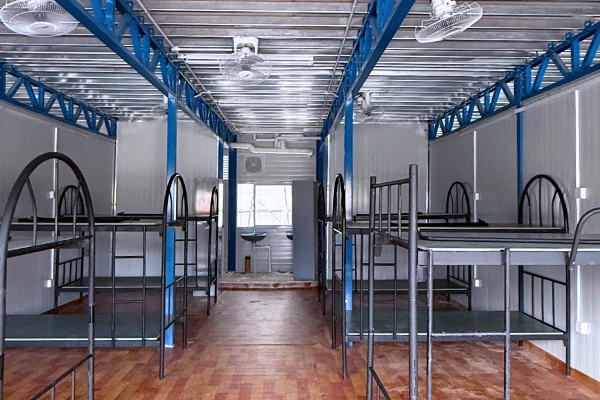
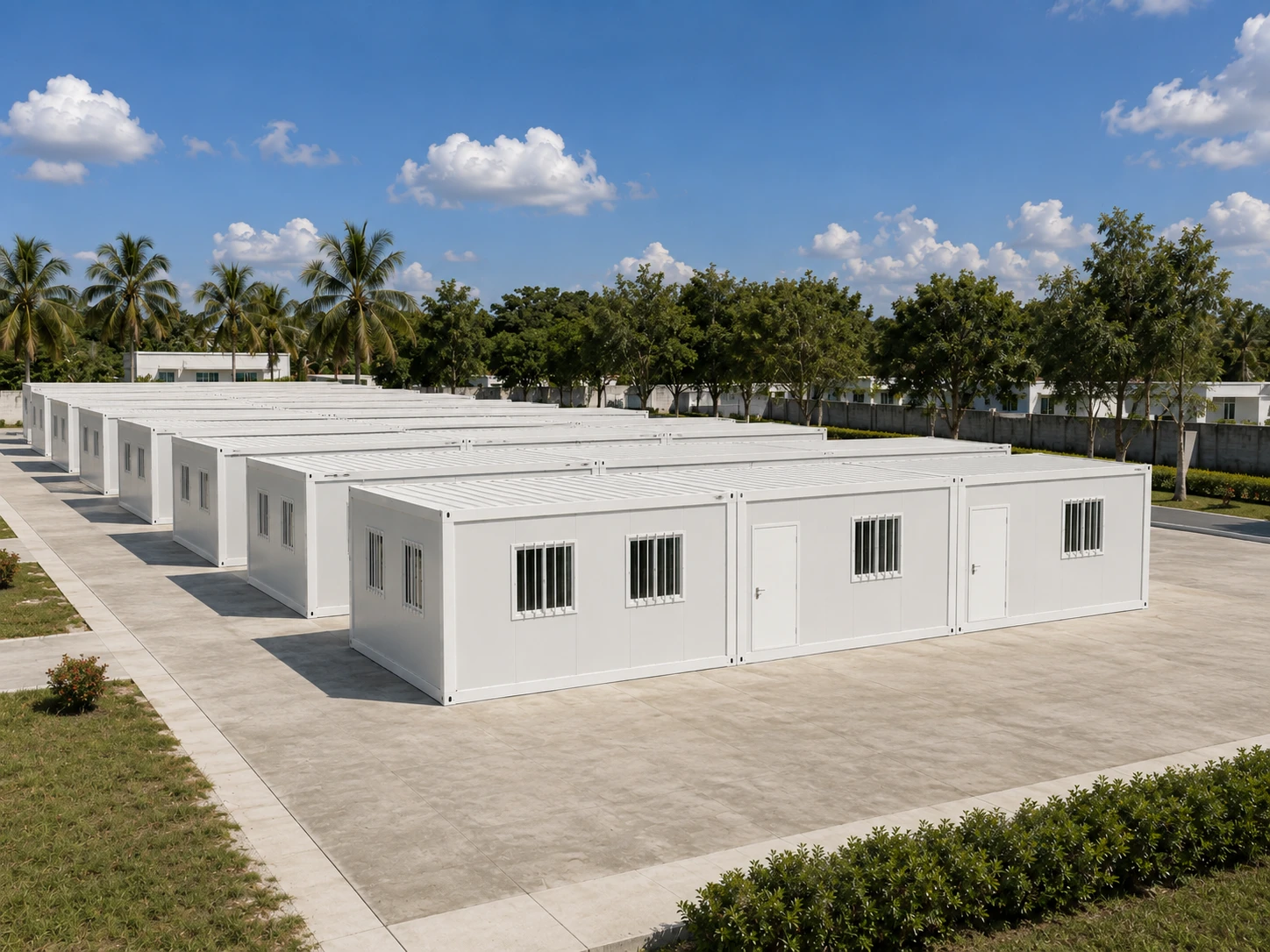
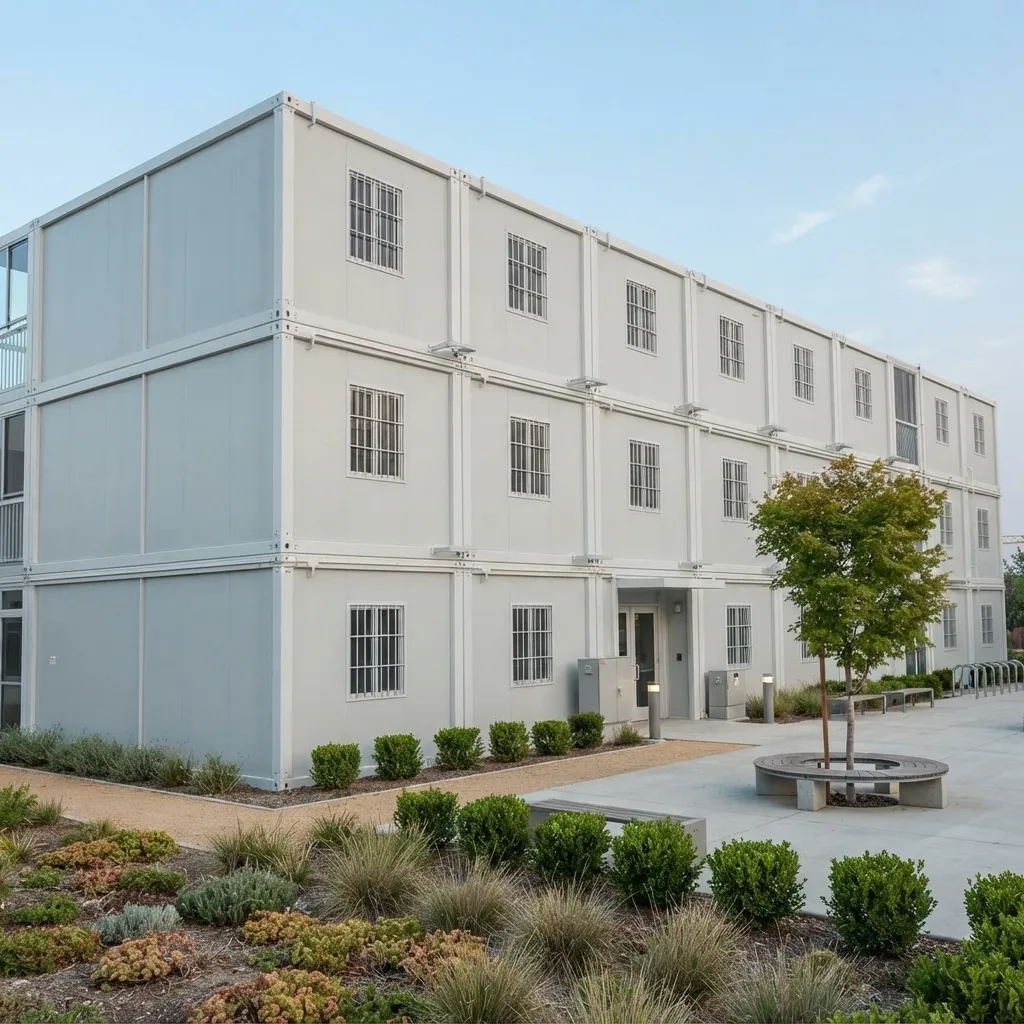
Scalability is where modular design really pays off. A campus can open with a handful of core classrooms and add modules later, such as a library, a canteen container for meal service, or a school's dorm for boarding students, without disrupting classes already in session.
Serviceability rounds it out. Standardized MEP runs and labeled access panels make routine maintenance and future refits faster, which matters for facilities teams working with limited budgets.
|
Benefit
|
Why It Matters
|
|
Rapid deployment
|
Shortens delivery from months to weeks
|
|
Durability & security
|
Steel frame and reinforced openings suit heavy daily use
|
|
Energy performance
|
Tight envelope supports lower operating costs and optional solar
|
|
Scalability
|
New modules add classrooms, labs, or housing without disruption
|
|
Serviceability
|
Standardized systems simplify long-term upkeep
|
Case Study: A Container School Building After Storm Damage in Tacloban, Philippines
Challenge: The storm destroyed the infrastructure of the local school in Tacloban, creating a need for fully functional classrooms, as well as a counseling room and multipurpose hall, for the children who were displaced by the storm.
Solution: ZN House delivered prefabricated units which were fastened with engineering-type bases and reinforced with special connector plates. Corrosion-resistant cladding was also applied to protect against dampness and storms. The speedy commissioning allowed the school to restart within a few weeks instead of months as expected for a rebuilding. The durable surface finishes were selected to be able to withstand a lot of future coastal weather changes.
|
Challenge
|
Həll
|
|
Urgent need for classrooms after storm damage
|
Prefabricated modules delivered and commissioned quickly
|
|
Coastal humidity and storm exposure
|
Corrosion-resistant cladding and reinforced coupling plates
|
|
Need for counseling and multipurpose space
|
Additional modules configured beyond standard classrooms
|
Frequently Asked Questions
What is a container school building?
A container school building is a modular learning facility built from prefabricated container units, sometimes called shipping container classrooms. It gives campuses fast, flexible teaching space for growth, renovation, or emergency needs.
How long does it take to install a container school building?
Once the site is prepared, most container school building projects are delivered and installed within weeks, depending on classroom count, finish level, and site access.
Can a container school building be expanded later?
Yes. A container school building is designed to scale. New modules can be added horizontally or vertically without disrupting the classrooms already in use.
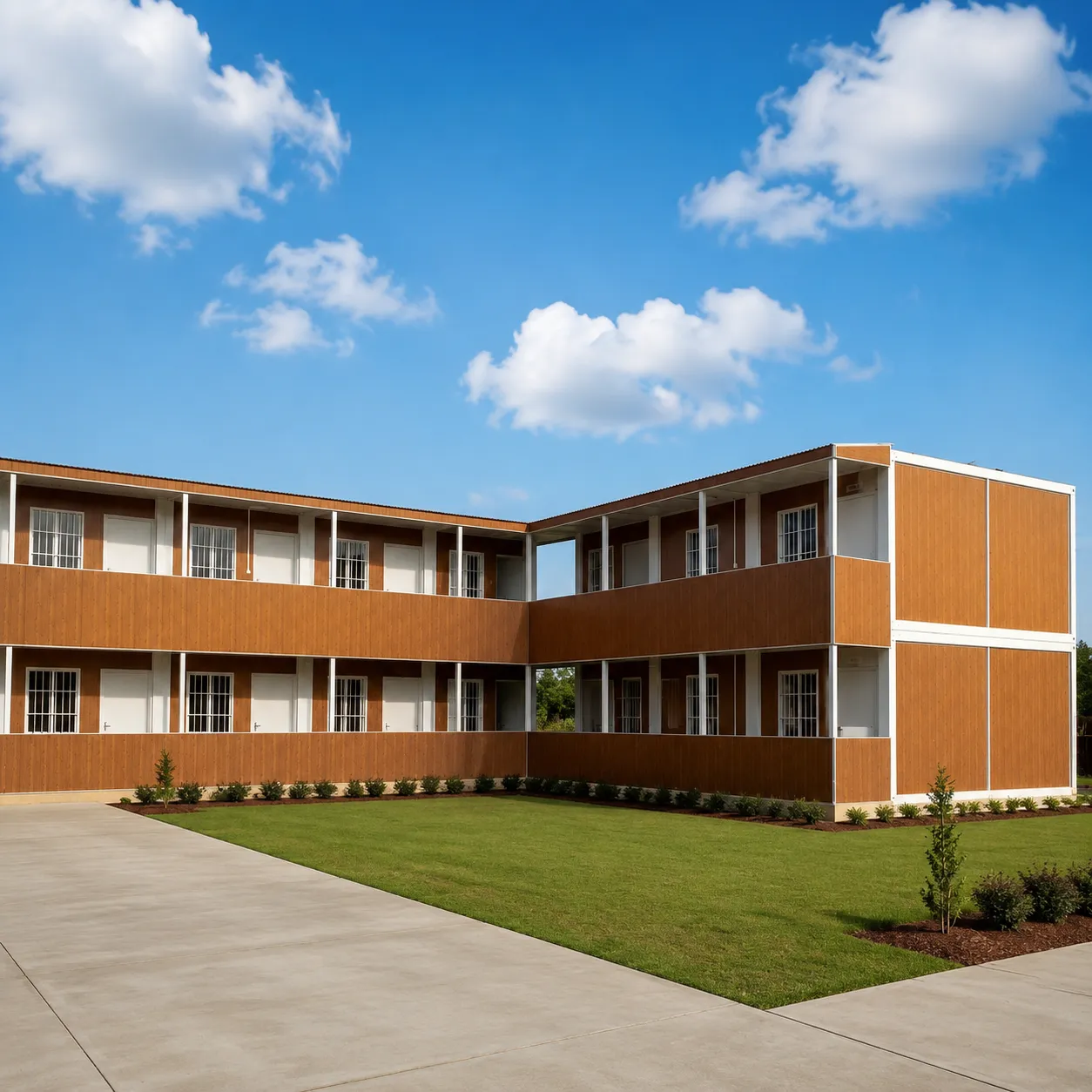
Bringing a Container School Building to Your Campus
A container school building will not replace every kind of school project, but for administrators facing enrollment pressure, tight timelines, or disaster recovery, it is a proven way to add safe, durable teaching space without a multi-year wait. ZN House designs container school building layouts, from core classrooms to portable schools, admin offices, and student housing modules, to match specific site and pedagogical needs. If you are planning a campus expansion, it is worth reviewing site plans against a modular school building solution before committing to conventional construction.
To see how modular classrooms come together in practice, watch the following video on ‘ZN House Modular Container Classrooms | Durable & Fast Build School Buildings’:
Disclaimer
The technical data, dimensions, and construction details referenced in this article are based on ZN House's own manufactured container products. Actual specifications, materials, and technical details may vary by project, region, and configuration; please confirm exact specifications with our engineering team before finalizing a design.