Container Homes Philippines: Complete Cost, Design & Build Guide
Introduction
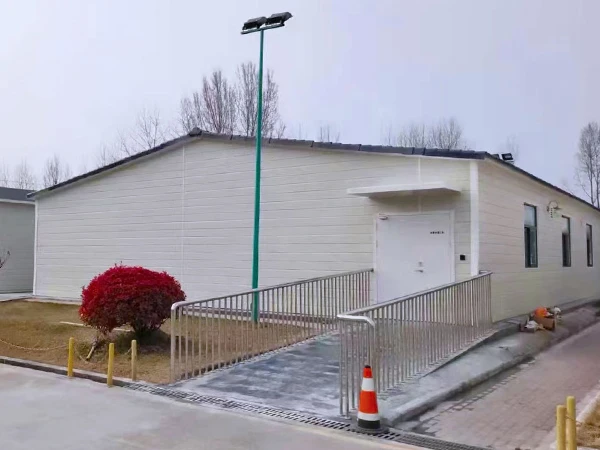
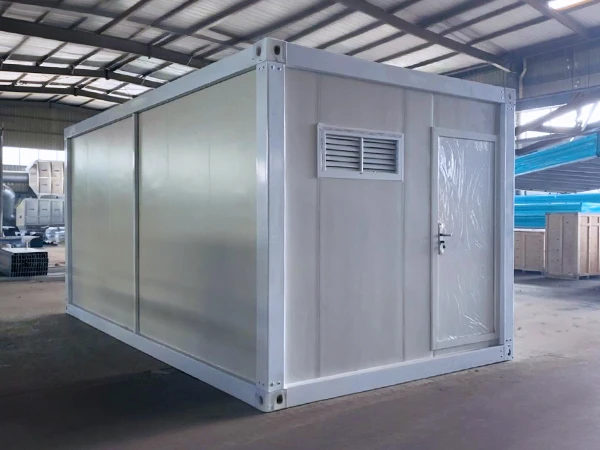
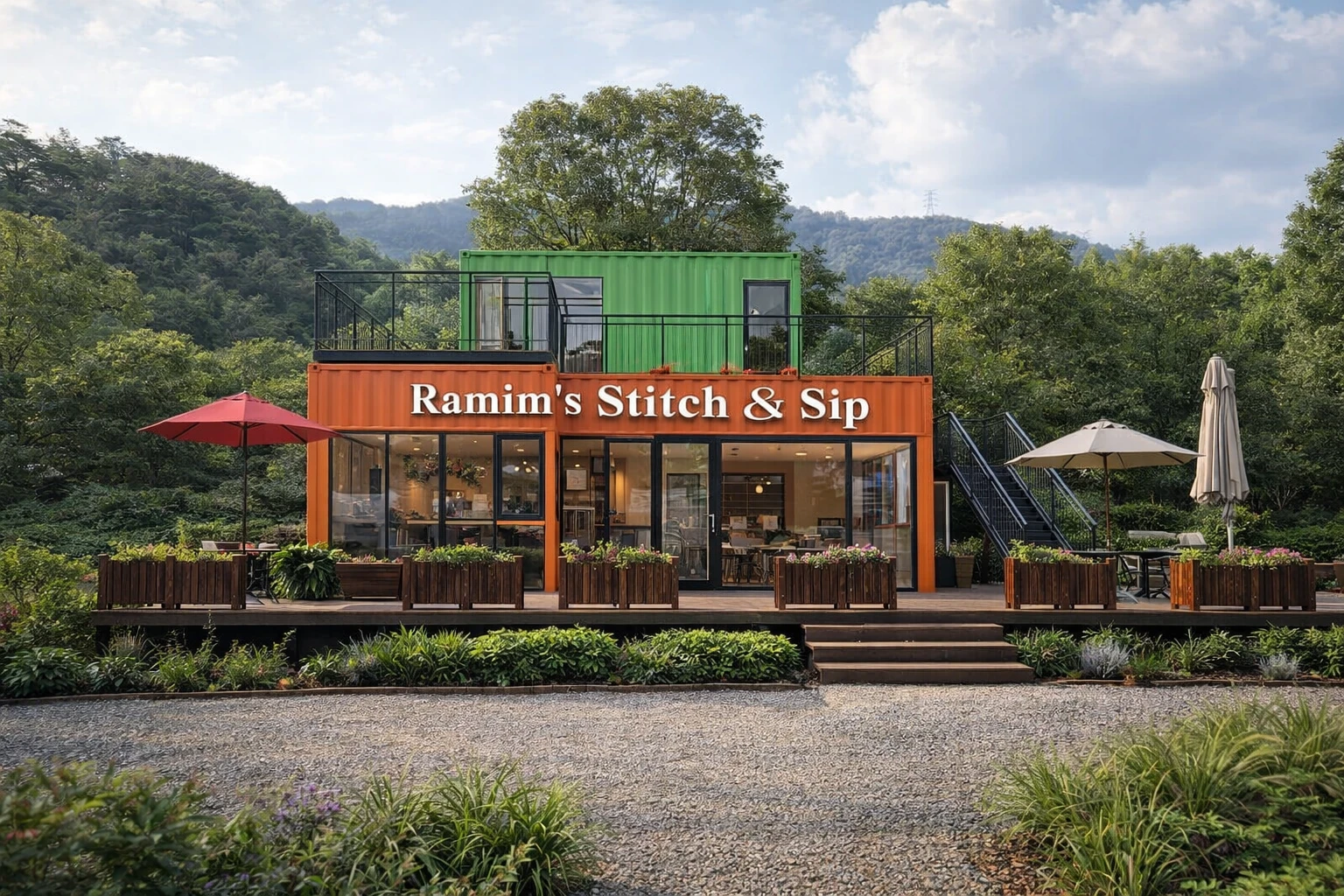
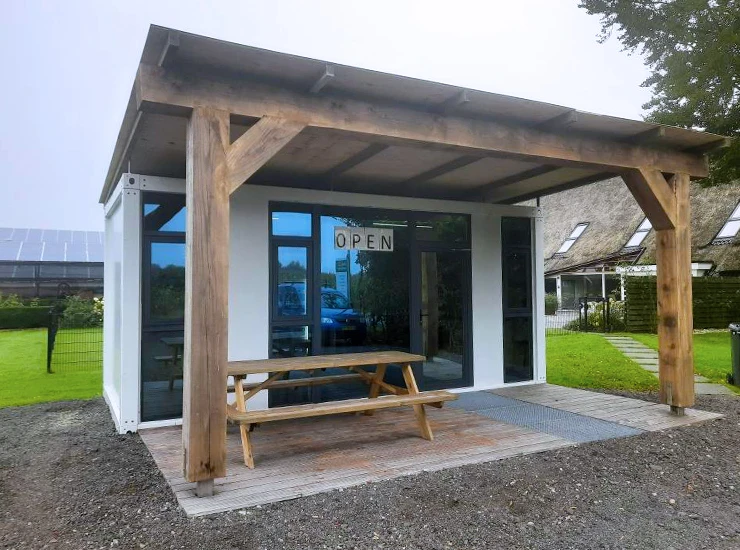
Recently, the popularity of container homes in the Philippines has greatly increased. Increasing land prices, persistent housing shortages, and frequent typhoon destructions have not only encouraged residents, builders, and officials to look for alternatives to regular concrete constructions, but also to the conventional houses. Container homes are a very good solution; they are made in factories, have strong physical structures, and can be installed in less time than traditional building-type houses.
This manual introduces the whole spectrum of what purchasers and builders need to know about container homes in the Philippines: layout possibilities, financing options, ways of solving problems of climate, legalities, and the process of choosing the most suitable container for a given project. If you want to make a small house for a family, a commercial building or an off-the-grid island getaway, this manual will help you understand the basics {technically and practically} for taking steps confidently.
Why Container Homes Philippines Are Growing in Popularity
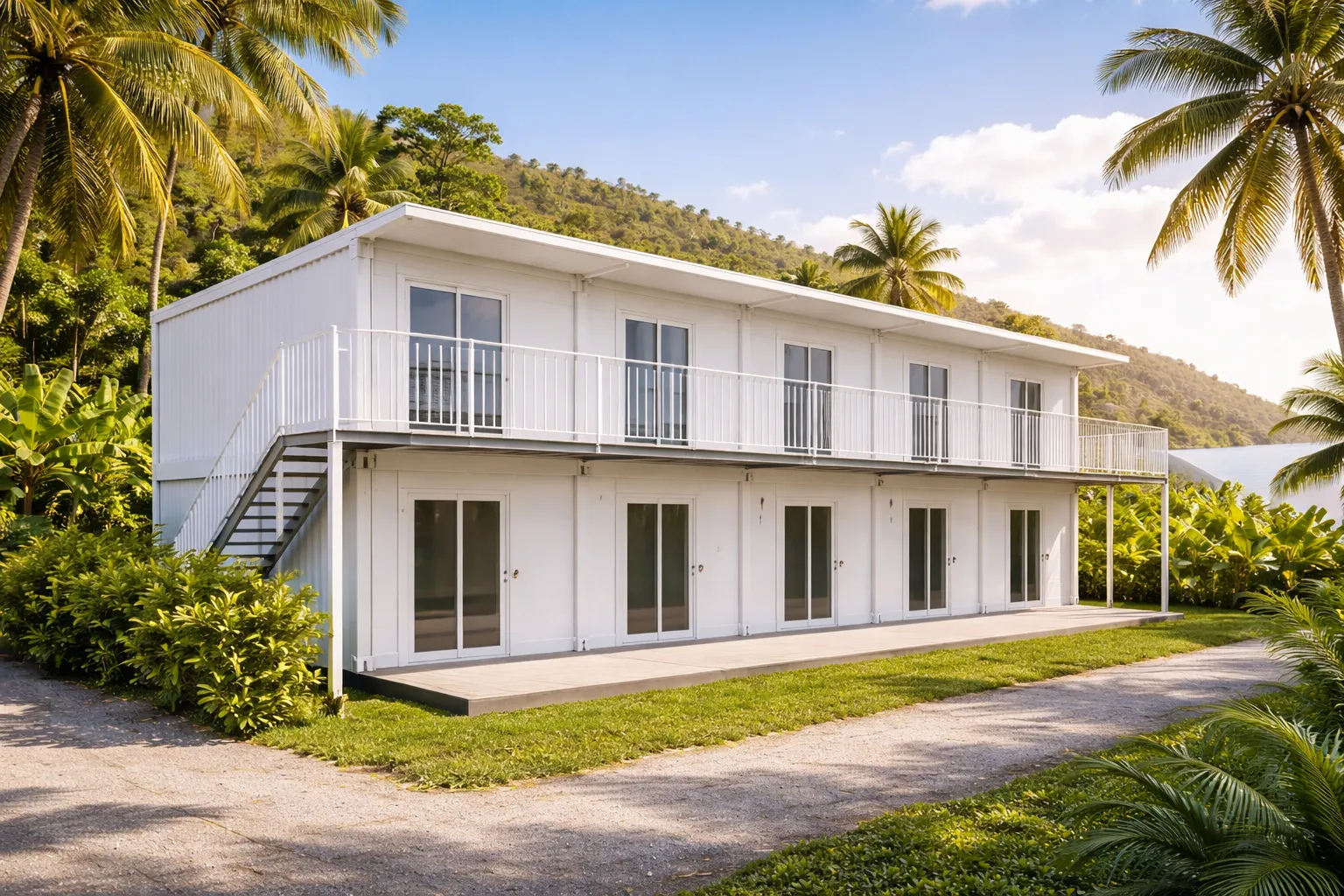
Several interconnected reasons are fueling the rise of container homes across the archipelago.
Acute Housing Shortages in Urban and Peri-Urban Areas
Metro Manila, Cebu, and Davao are the top areas where housing backlog is most severe in the Philippines. Using container homes, developers can provide fully outfitted units more quickly, thanks to the modular, stackable designs that most efficiently utilize the smallest-sized lots and this is mostly a great plus in the dense urban areas where there is limited space for land.
Affordability Relative to Conventional Construction
The cost of materials, labour intensity and the duration of construction of poured concrete dwellings have all risen markedly. The reduction in site labour time afforded by construction with containers is dramatic; home units which are factory assembled on-site are equivalent to building from scratch on the construction site and result in quantifiable cost reductions to the overall project budgets is much the same when looking at repeat-unit projects.
Modular and prefab building techniques, as per Forbes, are capable of cutting the entire duration of the build process by a straight 50% and saving around 20% on construction costs with a similar reduction in carbon emissions by about 22% over conventional site-built construction processes.
Typhoon Resilience
The Philippines lies right on one of the busiest typhoon tracks in the world. PAGASA (Philippine Atmospheric, Geophysical and Astronomical Services Administration) notes that even the lowest sustained wind speeds top 150 km/h at common typhoon times. If built the right way, a container house reinforced with steel frames, fixed with bolt anchoring, and with panel joints sealed against water will not only meet but can go beyond the requirements for local wind loads in the Philippines National Building Code.
Speed of Deployment
When a factory pre-manufactures, onsite assembly only takes days to weeks instead of months. This speed is very important for disaster-affected communities. It also allows private buyers to occupy their homes sooner and reduces the need for temporary accommodation during construction.
The task of cutting down dependence on mechanical cooling is a key design factor for those off-grid island set-ups. Like that, isolated solar power systems - for example, the MEOX Mobile Solar Container, which is meant for commercial and residential applications in remote areas - are capable of working with container homes to provide self-sufficient and grid-independent living in the isolated islands of the Philippines.
Container Home Design Types for Philippine Conditions
Different container configurations suit different site conditions, budgets and occupancy requirements.
|
Math o Gynhwysydd
|
Best Application
|
Key Advantage
|
Suitability for Philippines
|
|
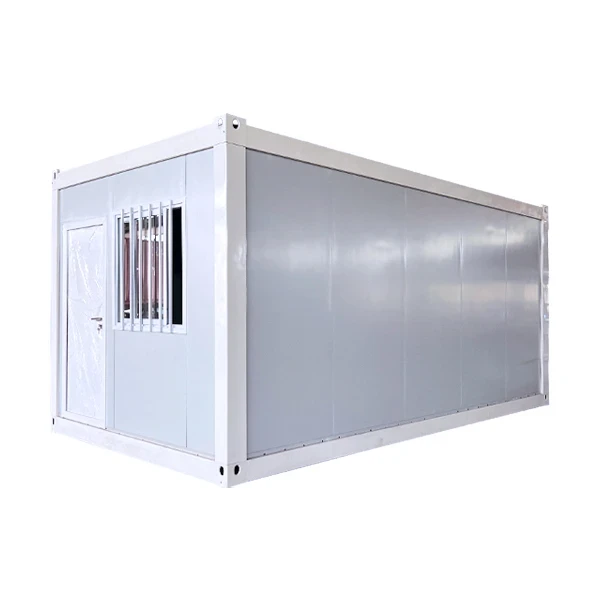
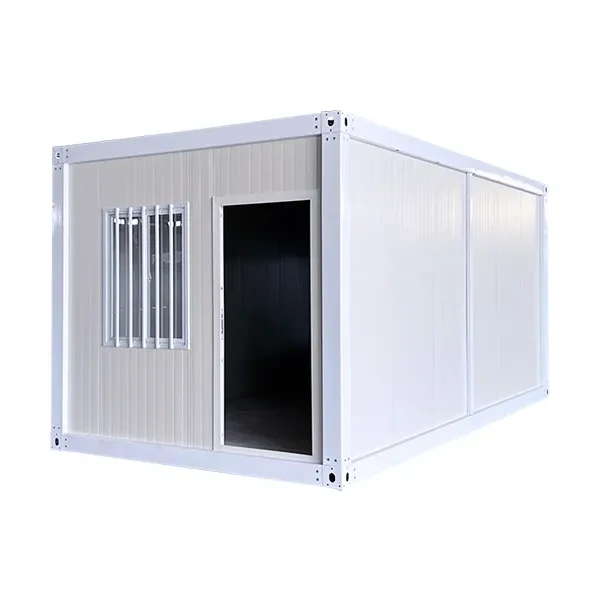
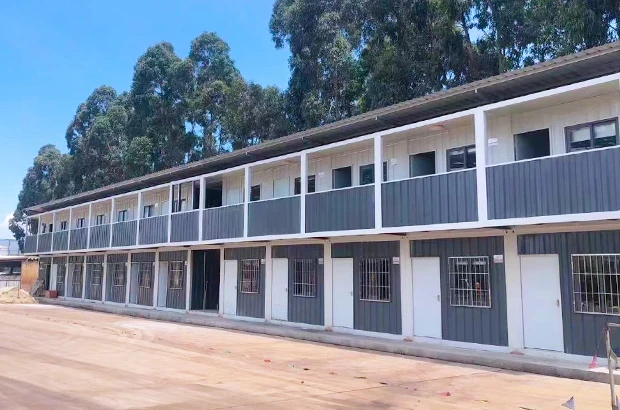
Flat Pack Container
|
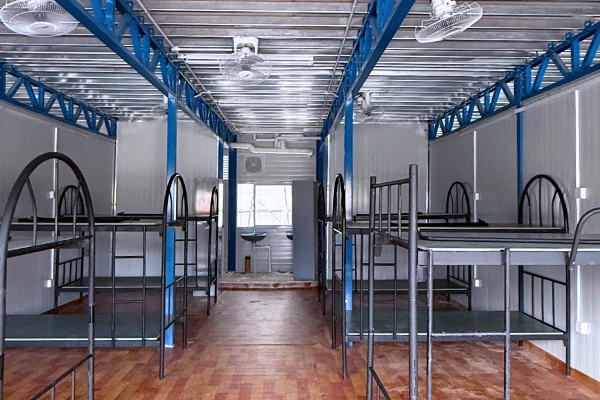
Emergency housing, worker accommodation, starter homes
|
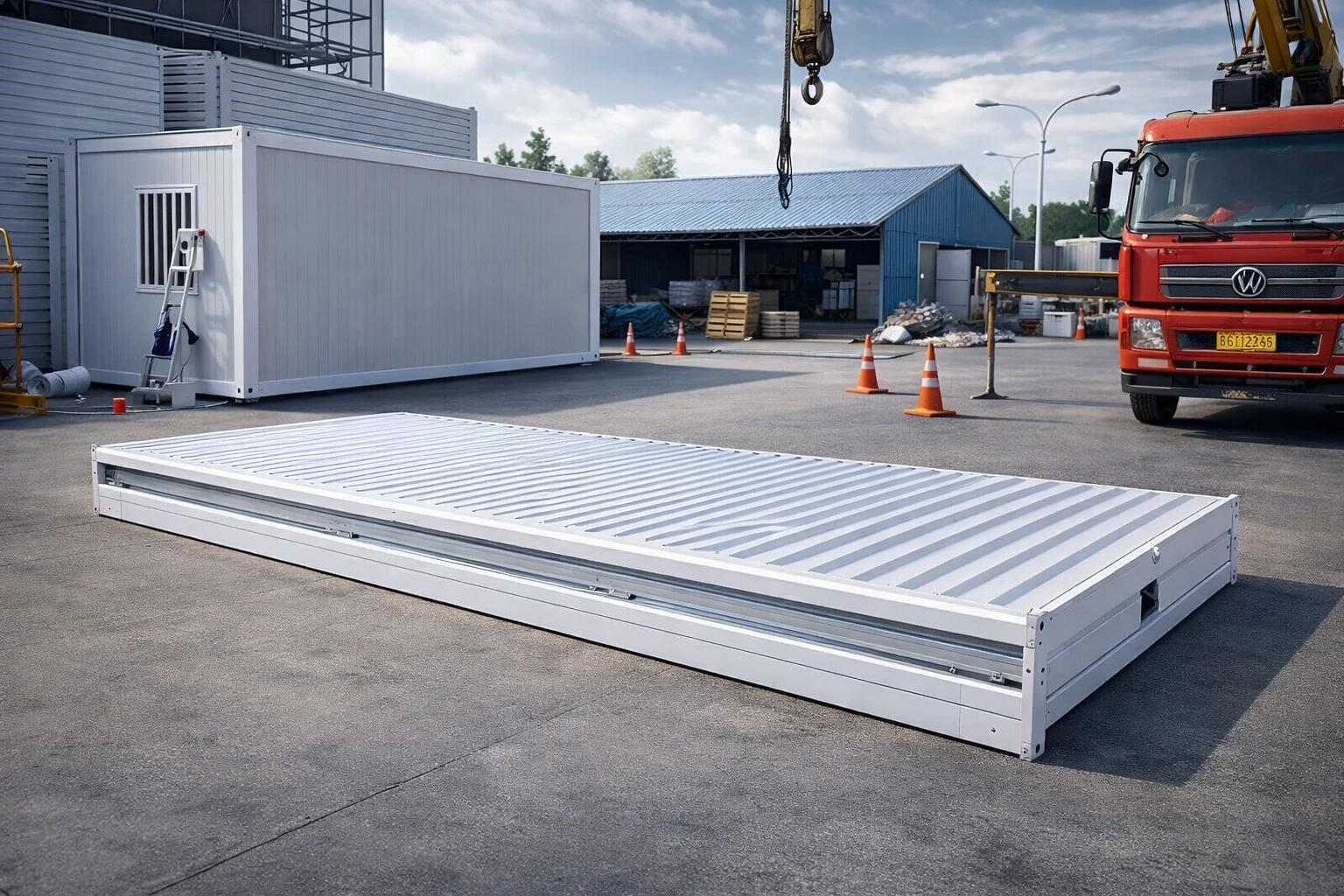
Ships flat; assembles in hours on site
|
High — fast coastal and post-typhoon deployment
|
|
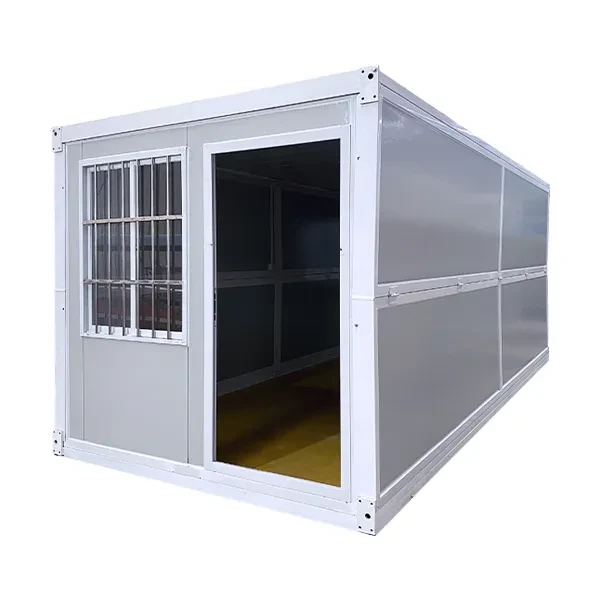
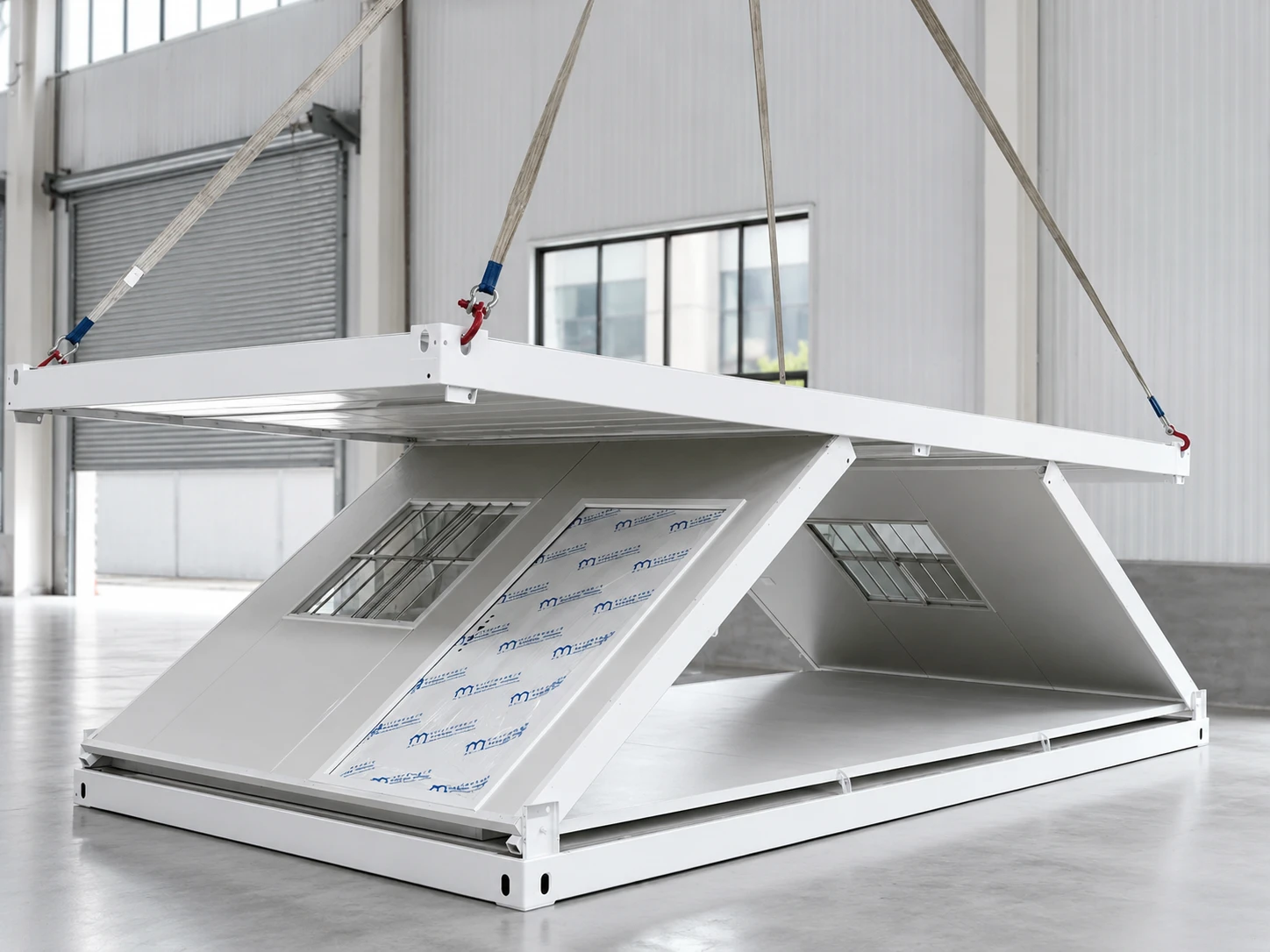
Tŷ Cynhwysydd Plygadwy
|
Temporary or semi-permanent residential, relief camps
|
Ultra-compact shipping; folds open quickly
|
Very High — rapid disaster response
|
|
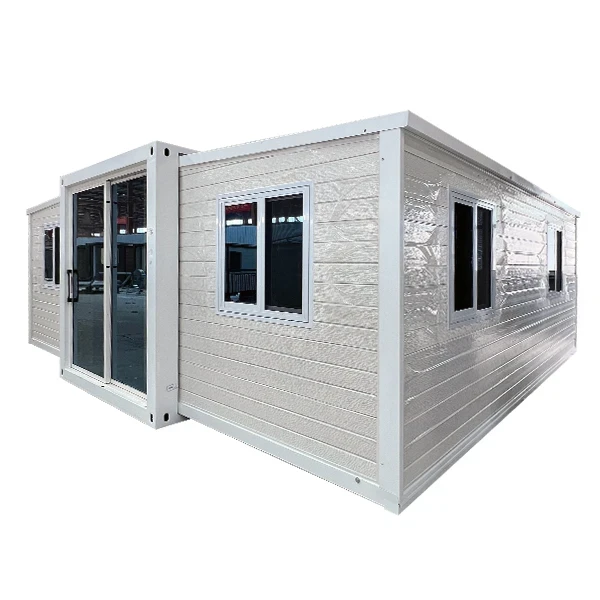
Expandable Container House
|
Permanent family homes, clinics, small offices
|
Expands 2–3x internal floor area
|
High — maximizes liveable space on small lots
|
|
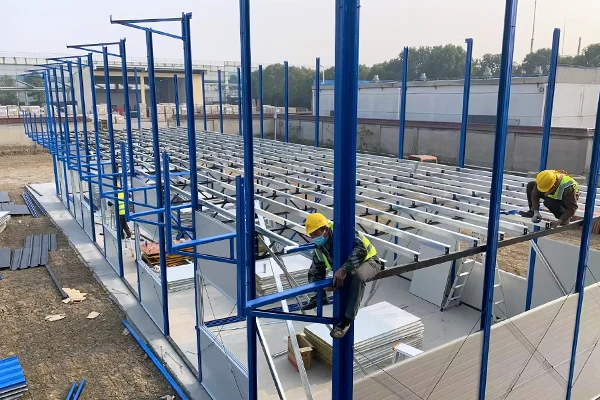
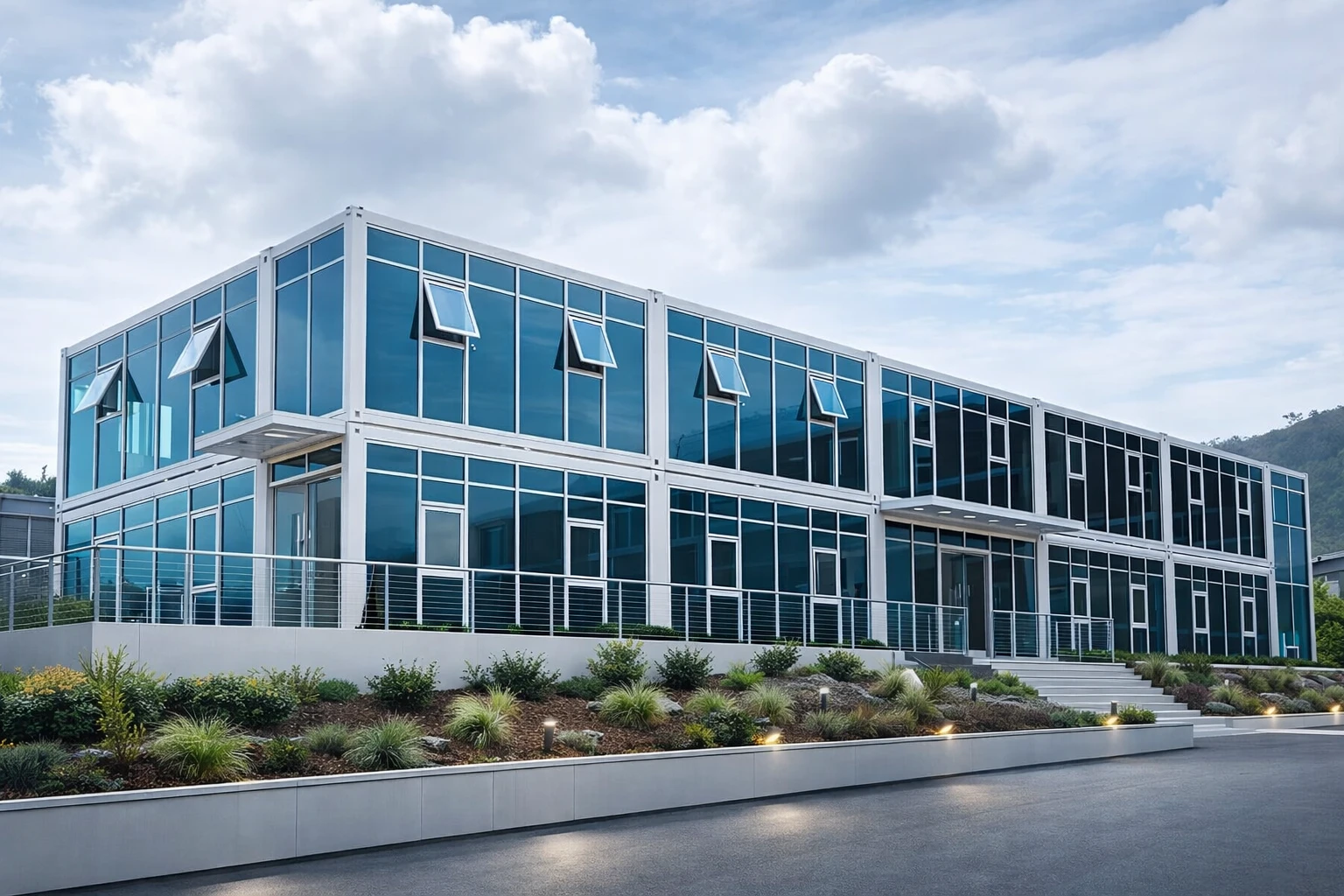
Cydosod Tŷ Cynhwysydd
|
Medium-to-large residential complexes, schools
|
Modular units combined for flexible layouts
|
High — scalable for multi-unit developments
|
Climate Engineering for Container Homes in the Philippines
If a container home is built for a mild European climate, it could fall apart very quickly in the tropical Philippines if it is not specifically designed for the local environment. Heat, humidity, monsoon rains, salt air from the coast - each of these factors needs a completely different response.
Thermal Insulation
Steel has a high heat conductivity. Without good insulation, the inside of a container left outside in a tropical sun can get so hot that nobody would want to stay in there. One common way of dealing with this is to use very good heat-insulating multi-layer sandwich panels made of rockwool or polyurethane foam and the panels are covered from both sides with a layer of protective material. These panels are very effective in cutting down heat gain and so reducing the need for air conditioning.
Ventilation Design
Cross ventilation plays a big role in tropical climates with high humidity. Layouts of containers, carefully oriented for optimum ventilation, with operable louvred vents, ridge vents and well-thought-out window openings, enable passive airflow that cuts down use of mechanical cooling. This is a very vital design aspect for off-grid island installations.
Corrosion Protection
Steel corrodes faster in coastal salt environments. ZN House containers have ISO-certified Corten steel frames which are protected by marine-grade anti-corrosion coatings, ensuring their structural strength for a long time even in highly saline coastal environments.
Foundation Design
The condition of the Philippine soil is quite diverse - for example, the volcanic rock in the highlands may be very compact, while the soils along the river deltas and coastal lowlands are mostly soft alluvial. Foundation design should not only consider the ultimate bearing capacity of the soil but also potential risks from floods and earthquakes. For instance, in the coastal areas that are prone to flooding, raised pier or pile foundations are generally chosen so that the floor of the container is elevated at a level higher than the highest flood mark.
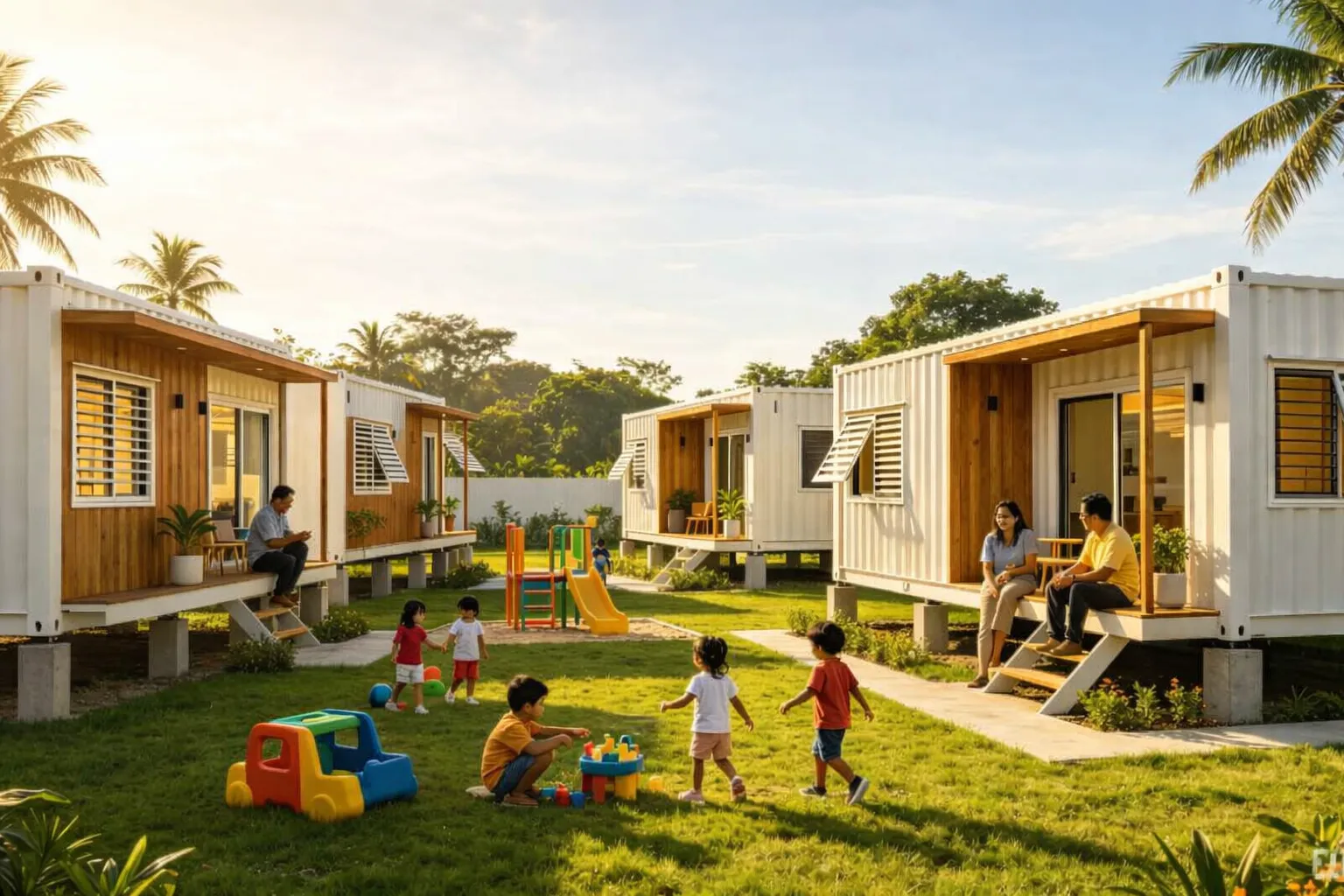
Technical Specifications: Container Homes for Philippine Climate
|
Feature
|
Specification
|
Philippine Climate Benefit
|
|
Structural Frame
|
Reinforced Corten steel; ISO/BV/CE certified
|
Withstands typhoon-force winds; resists coastal corrosion
|
|
Wall Panels
|
75–100mm sandwich panels (rockwool or PU foam core)
|
Reduces tropical heat gain; lowers cooling costs
|
|
Llawr
|
Anti-corrosion, non-slip, waterproof composite
|
Resists monsoon moisture and flooding
|
|
Roof System
|
Sloped, sealed roofing with wind uplift resistance fasteners
|
Handles heavy rainfall; resistant to high-wind uplift
|
|
Window & Door Seals
|
Double-sealed, weatherproofed frames
|
Keeps out wind-driven rain during typhoons
|
|
Assembly Method
|
Bolt-on modular system; minimal heavy equipment
|
Fast deployment in remote or post-disaster sites
|
|
Certifications
|
ISO, BV, CE standard compliance
|
Meets Philippines National Building Code requirements
|
Container Homes Philippines: Understanding Cost Structure
Cost is the major reason why people first consider container homes. But the end price will rely on several factors that should be looked at overall and not separately.
Key Cost Variables
- Unit type and size (20ft, 40ft, expandable, multi-unit)
- Insulation specification and interior finish level
- Site preparation and foundation works
- Utility connections (water, electricity, sewage)
- Shipping logistics to the project site (inter-island delivery costs vary significantly)
- Permitting and professional fees
Normally, container homes factory-built and delivered to Philippine sites have a total cost per square meter of habitable space that is lower than equivalent concrete constructions, when all factors, like construction time, labour, and material waste, are taken into the comparison, are considered. Projects with multiple identical units that can benefit from economies of scale are container homes that are very attractive for subdivision developments, worker camps and social housing programmes.
Cost Comparison Overview
|
Build Method
|
Relative Construction Speed
|
Relative Material Cost
|
Typhoon Resilience
|
Ailddefnyddiadwyedd
|
|
Container Home (Factory-Built)
|
Fast (days to weeks on site)
|
Competitive
|
High (with proper engineering)
|
Yes — units are relocatable
|
|
Traditional Concrete Build
|
Slow (months)
|
Higher with current material costs
|
Moderate (depends on specification)
|
No — permanent structure
|
|
Light Steel Frame Prefab
|
Moderate
|
Moderate
|
Moderate
|
Limited
|
Permits and Regulatory Considerations in the Philippines
Container homes can be legally built in the Philippines if they follow the relevant laws and regulations. Here are the main steps in the typical permitting process for residential projects.
- Obtain a Zoning Clearance from the local government unit (LGU) confirming the site is zoned for residential use.
- Engage a licensed architect or civil engineer to prepare building plans compliant with the Philippines National Building Code (NBCP).
- Submit plans to the local Office of the Building Official (OBO) for Building Permit issuance.
- Secure an Electrical Permit for wiring and connections to the utility grid.
- For coastal or flood-prone sites, an Environmental Compliance Certificate (ECC) or Certificate of Non-Coverage (CNC) from the DENR may be required.
- Obtain a Certificate of Occupancy upon completion of construction and inspection.
Requirements differ for each LGU, so it would be best to discuss with the local OBO beforehand to help finalize design plans. Container homes manufactured per ISO standards and having licensed engineering documents generally get permitted without much hassle.
Case Study: Multi-Unit Container Home Development — Cavite, Philippines
Location: Cavite Province, Luzon, Philippines
Background: A provincial developer planned to build 24 affordable homes for young families on a 1,500 sqm site. These families are no longer able to afford the property market in Metro Manila. The area where the land is located is one where floods can occur after heavy monsoon rains.
Challenge: A tight budget, monsoon flood risk and a delivery deadline of less than six months from project commencement to occupancy.
Solution: ZN House delivered 24 expandable container home units, each with raised pier foundations that were intended to raise the floor height above the highest flood levels recorded. The units were factory-equipped with full tropical insulation packages, anti-corrosion floors, and systems of roofing wind-rated standards before shipment.
Result: The entire 24 units were constructed and prepared for habitation in just 14 weeks after starting the preparation of the site - much quicker than the typical time required for concrete construction. All the units successfully passed the local OBO inspection the first time they were submitted.
"The speed and quality both exceeded what we thought was possible within our budget. These homes gave our buyers exactly what they needed." — Project Developer, Cavite Residential Development
Frequently Asked Questions
Are container homes in the Philippines approved for permanent residential use?
Yes, container homes are eligible for full residential building permits in the Philippines. But to obtain the permit, the design and plans should be made by a licensed architect or civil engineer and be officially filed at the local Office of the Building Official. The National Building Code of the Philippines must be complied with and most of the container homes that are ISO certified are already conform to the standards with the proper engineering documentation.
How much does a container home cost in the Philippines?
The overall price of the project varies by the type of unit, size, level of finish, site conditions, and logistics. Generally, factory-built container homes compare quite favorably in price with their concrete counterparts if total project cost is figured including not only construction time but also labour and material waste. Multiple-unit projects of identical units derive further benefits from economies of scale. To get a quote that is closely based on your site and requirements, get in touch with ZN House directly.
Can a container home survive a typhoon in the Philippines?
A well-designed container house that is fitted with a steel frame that can withstand 120-250 kph winds, anchoring the structure chemically or by bolts into a solid foundation, waterproofing panel joints, and using roof fastening systems per the requirements - can satisfy or even go beyond the wind resistance standards in the Philippines National Building Code that have been established for coastal areas exposed to typhoons. Certification by an engineer and foundation design are the main aspects of typhoon resistance.
Conclusion
Container homes in the Philippines could be a technically innovative, cost-effective, and climate-friendly option capable of addressing various needs not only in housing but also in commercial and emergency sectors. Compact family container homes in urban areas like Cavite or residences on off-grid islands in Palawan are examples of how adaptable modular container design is as a technology that can be implemented across different use cases and site conditions.
The major aspects to consider if you want to build a container home in the Philippines is climate engineering, insulation, ventilation, corrosion protection, and foundation design in combination with adherence to regulations. By addressing these factors, experienced professionals can provide container homes because of long-lasting and liveable structures which cost-wise, speed-wise, and resilience-wise, compare well with conventional ones.
ZN House is one of the container home companies in the Philippines that produces factory-engineered container home solutions targeted at tropical Southeast Asian conditions. Our project and field team has handled about 40 finished projects in different parts of the Philippines, Indonesia, and Vietnam. Check our range of prefabricated container solutions and contact us to discuss your project requirements and get a free consultation.
Disclaimer: The technical data and the list of materials used above are drawn from container homes made by ZN House. Specifications, materials configurations and costs will differ based on the scope of the project and choice of configuration. Building codes are different from one local government unit to another in the Philippines. Buyers and developers should get advice from competent local experts before the start of any building project.
Watch the following video on 'Three-bedroom Prefab Container House Design in the Philippines manufactured by ZN House.'
c