Container House Factory: How Modern Production Facilities Deliver Quality Modular Homes
Introduction
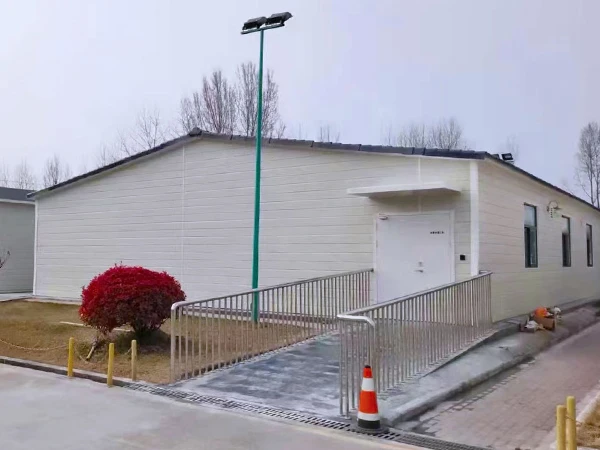
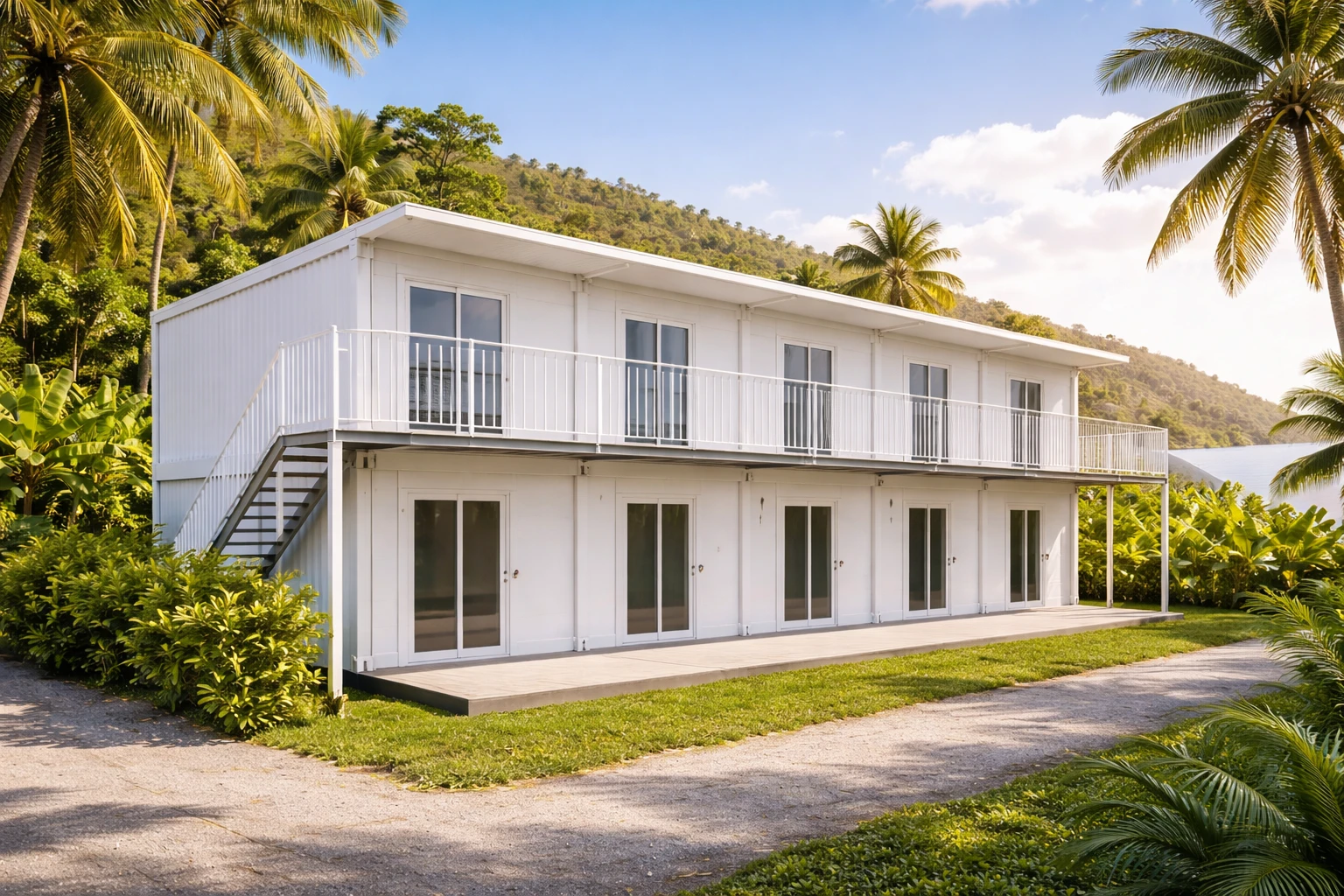
The increasing global need for quick, affordable, and long-lasting housing solutions has turned the container house factory into a main topic in the debate around modern construction methods. From workforce camps in far-flung areas and residential developments in the newly developing markets to commercial spaces in the cities, factory-made container homes provide a repeatable, scalable solution to complicated building problems.
However, not all container house factories are on the same level. Identifying what differentiates a top-performance production plant from a mere fabrication workshop is a key step in sourcing units that not only get delivered on time but also work as per the specifications and comply with the local laws. This article aims to give you a picture of how today's container house factories work, what buyers should look at before deciding on a supplier, and the integrated manufacturing approach of ZN House that is producing reliable results in more than 50 countries worldwide.
What Is a Container House Factory?
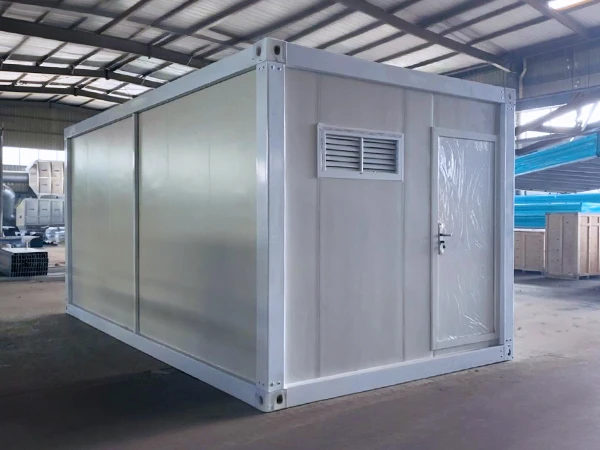
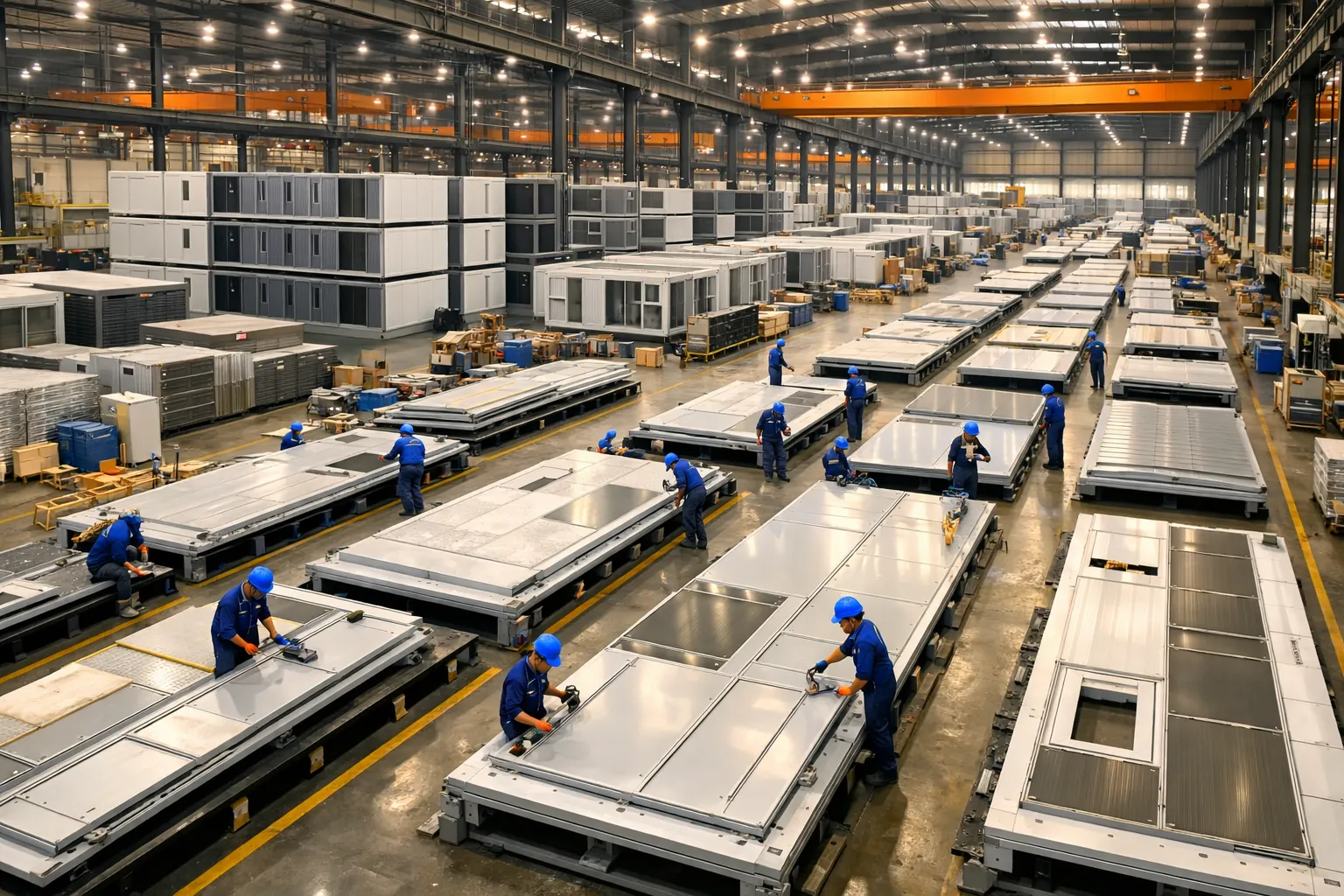
A container house factory is a specialized facility for manufacturing container houses. It designs, fabricates, and pre-assembles modular living or working units based on steel-framed structures. Unlike a construction site, a factory environment permits the use of standardized work processes, thorough quality controls, and the operation of multiple production lines simultaneously, this way greatly cutting down lead times.
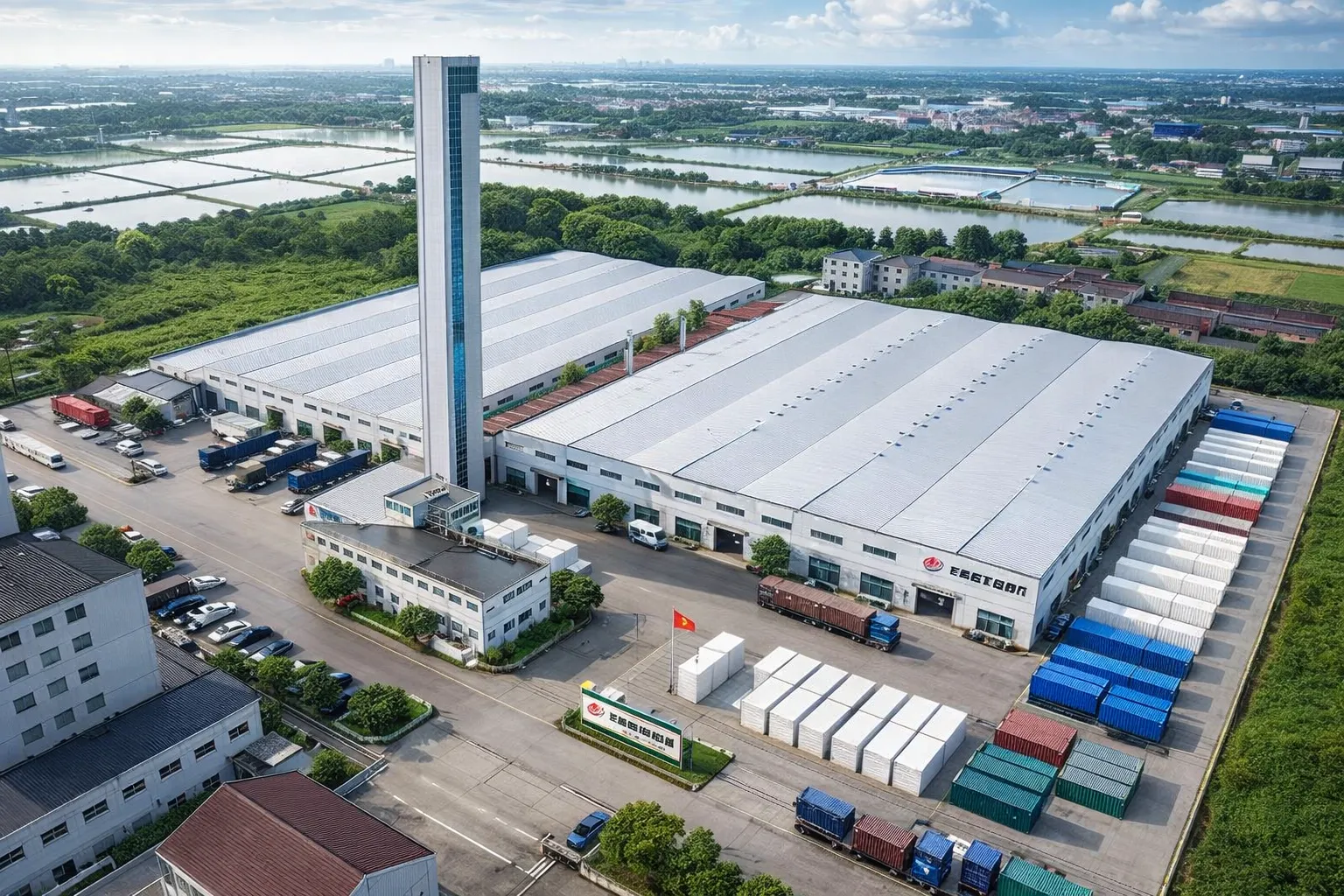
Nowadays, most container house factories carry out structural steel fabrication, insulation installation, interior finishing, and logistical packaging all in-house. According to the requirements, they can deliver anything from a bare structural shell to a fully finished unit equipped with plumbing, electrical system, HVAC, and furniture installed. For instance, ZN House runs production facilities in Suzhou, China that not only can handle massive order processing but also implement the same quality standards used for individual custom projects.
How a Container House Factory Works: The Production Process
Understanding a factory workflow is a critical factor that assists buyers in assessing a manufacturer's capabilities and also helps to buyers have reasonable expectations of lead times, product customization and delivery conditions.
Design and Engineering
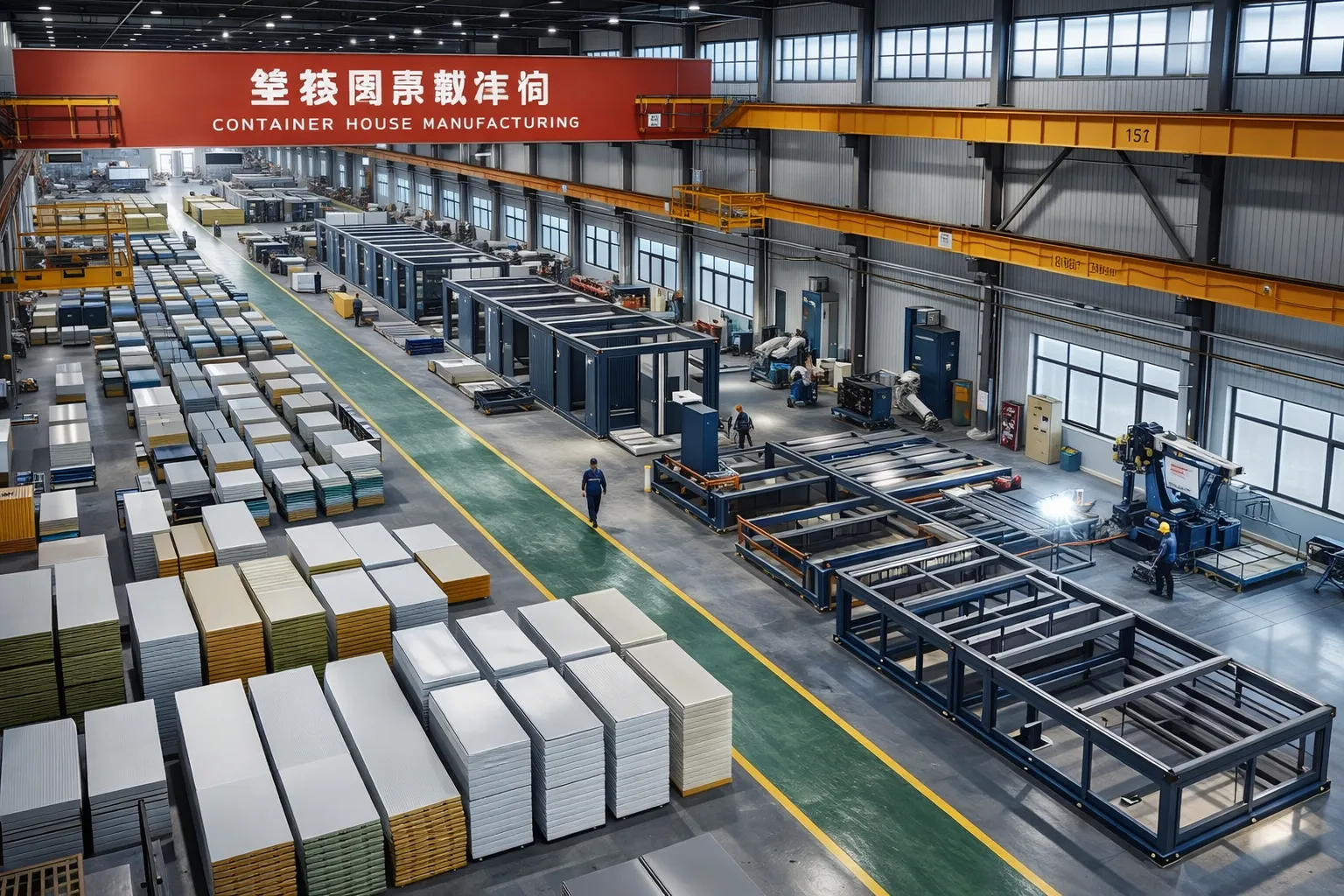
Each project starts at the engineering department. Before any piece of steel is cut, the team completes the structural calculations, layout drawings, and material specifications. When factories have CAD and BIM capabilities, they can adjust typical designs to the particular features of the site, the local building codes, and the weather conditions without delay.
Steel Fabrication and Frame Assembly
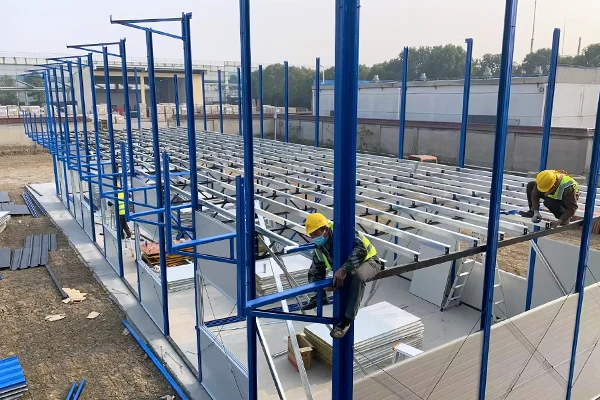
Cutting, welding and treatment of hot-rolled steel sections are performed at the fabrication station. Those factories with high standards, at that stage, also apply anti-corrosion coatings to protect the structure for the whole duration of the service life. Frame straightness and weld integrity are checked before the units are forwarded to the next station.
Insulation and Cladding
Panels for the wall, floor, and roof are lined with insulation materials chosen based on the climate of the destination. High-density rock wool and EPS foam are among the most typical options; polyurethane foam is sometimes employed for superior thermal insulation. At this point, exterior cladding panels are installed and sealed.
Interior Fit-Out
Electrical conduit, plumbing lines, partition walls, and floor finishes are installed in line with the approved drawing package. Fully fitted units comprise light fixtures, sockets, sanitary ware, and kitchen elements. This parallel process, marching alongside frame production, is the reason why factories like ZN House can come out with complete, move-in-ready units at scale.
Quality Control and Final Inspection
Each unit is checked thoroughly during manufacturing by a documented quality inspection to ensure its structural integrity, weatherproofing, electrical continuity, and finish standards. Any defects are fixed immediately on the production line, not after delivery.
Packaging and Logistics Preparation
Flat pack and folding container designs are taken apart or folded so that they can be shipped which is optimized for the container. Documentation packages, like material certifications, inspection records, and installation guides, are created for customs clearance and reference at the site.
Types of Container Houses Produced in Modern Factories
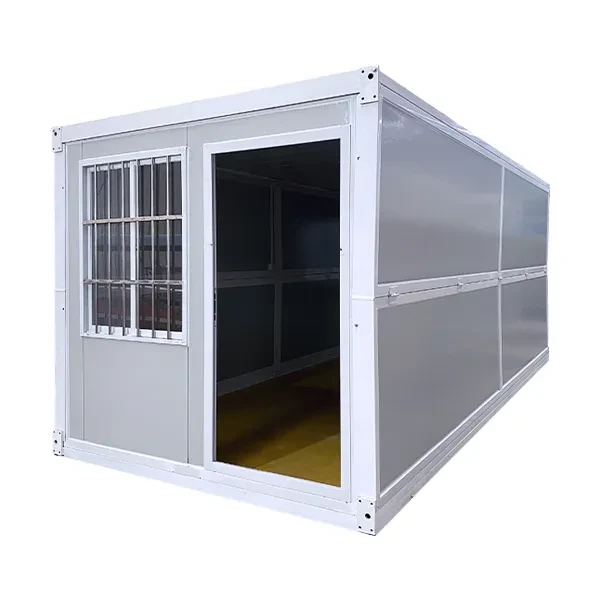
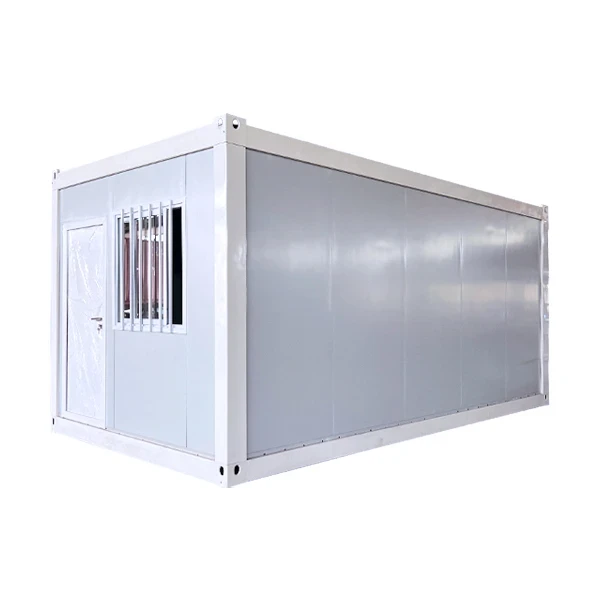
A good container house factory is equipped with several product lines that are capable of meeting all kinds of buyer needs. The most popular types and main usages are briefly outlined in the table below.
|
Container House Type
|
Key Feature
|
Primary Applications
|
|
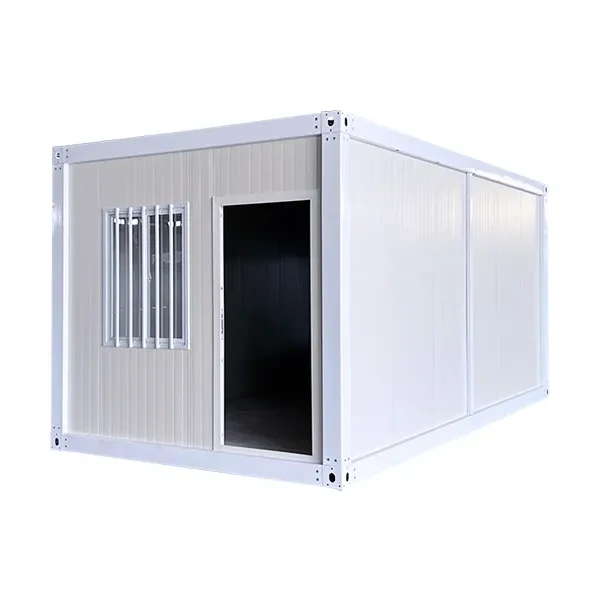
Tŷ Cynhwysydd Pecyn Fflat
|
Ships disassembled in standard containers; assembled on-site
|
Worker camps, emergency housing, export projects
|
|
Tŷ Cynhwysydd Plygadwy
|
Folds flat for transport; unfolds in under 1 hour
|
Rapid deployment, disaster relief, temporary offices
|
|
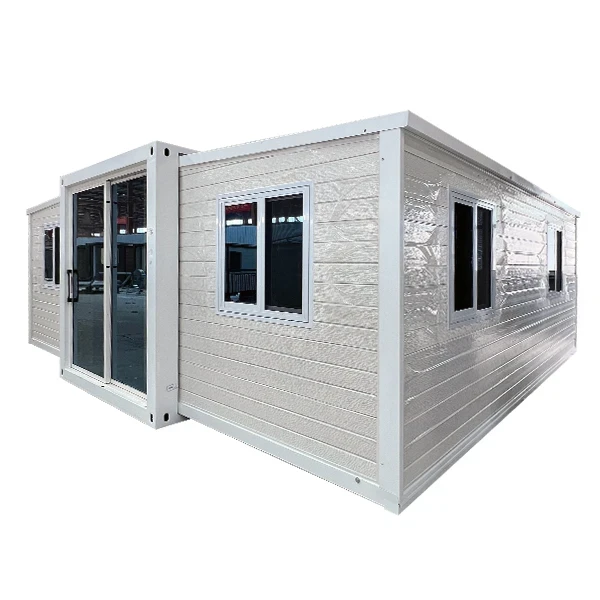
Expandable Container House
|
Hydraulic or manual fold-out side panels increase floor area
|
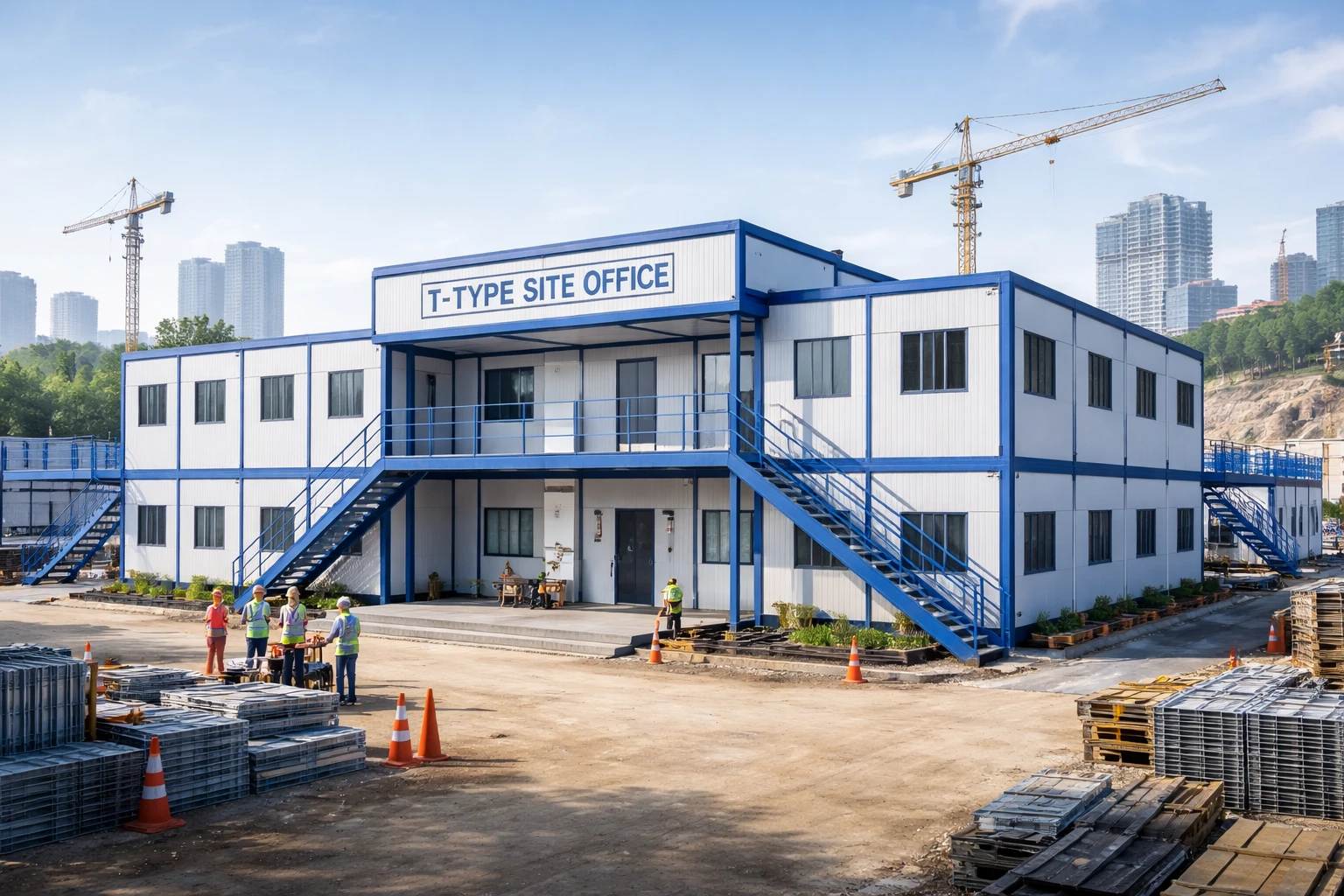
Residential units, site offices, tourism lodges
|
|
Modular Assembled Container
|
Multi-unit stacking and joining for large-scale structures
|
Mining camps, construction camps, schools, hospitals
|
|
Custom-Engineered Container
|
Fully bespoke layout, finishes, and MEP integration
|
Commercial builds, branded retail, specialist facilities
|
ZN House manufactures all five product types. Visit the Prefabricated Container product page for full specifications.
Key Features of a World-Class Container House Factory
Advanced Manufacturing Equipment
CNC cutting tables, robotic welding stations, and automated panel presses not only enhance the dimensional accuracy but also decrease the chances of making a mistake by a human. Buyers can inquire if a potential factory uses manual work or production with some degree of automation, since this is a key thing in determining the consistency of the units in a large order.
Quality Management System
Having a quality management system certified at an international level, for instance, ISO 9001, guarantees that formalized work methods are in place for all manufacturing stages. Accreditation from other organizations, e.g., Bureau Veritas (BV), gives another level of external verification. ZN House is certified for ISO 9001, ISO 14001, and EN 1090 standards, and it also has BV and CE certificates, indicating adherence to the European building and quality norms.
Environmental Compliance
Getting an ISO 14001 certificate shows that a plant looks after its environmental footprint. If a buyer has sustainability targets or can be subject to green building assessment, the supplier's environmental compliance may become a procurement requirement in the future.
Production Capacity and Lead Times
The production capacity of a factory is the deciding factor if a supplier can meet the requirements for large quantities or urgent delivery without quality and schedule being jeopardized. For example, a facility that only produces 50 units per month might find it difficult to complete a 200-unit order for a camp under a very short deadline. The production capacity of ZN House is such that it can handle high-volume projects and still deliver the quality levels of smaller orders.
Customization Depth
Genuine manufacturing flexibility entails that one factory can even change structural layouts, specify alternative cladding materials, combine purpose-built MEP configurations, and manufacture multi-story or multi-unit structures at the same time. Buyers are advised to ask for case studies or reference projects that reveal the factory's record of customization.
Logistics and Export Capability
If a container house factory often exports to many regions, it will very likely have in place freight forwarding partners, optimized packing configurations that are optimized, as well as the know-how to deal with international import paperwork. In the case of flat pack, some specific packaging engineering is necessary to maximize the use of container space and to reduce the shipping costs.
Container House Factory vs. Local Builder: A Comparison
|
Criteria
|
Factory-Built (ZN House)
|
Local On-Site Construction
|
|
Production Speed
|
Parallel factory processes; faster delivery
|
Sequential site work; slower overall
|
|
Quality Consistency
|
Standardized QC at every stage
|
Varies by site conditions and labor
|
|
Cost Efficiency
|
Economies of scale; lower per-unit cost at volume
|
Higher labor and material cost per unit
|
|
Customization
|
Engineering-led; broad scope within proven systems
|
Flexible but less predictable on performance
|
|
Certifications
|
ISO, CE, BV, EN 1090 independent verification
|
Varies; often depends on local contractor
|
|
Export Capability
|
Experienced in 50+ country logistics
|
Typically limited to local market
|
|
Cymorth Ôl-Werthu
|
Warranty, technical documentation, installation guidance
|
Varies significantly by contractor
|
What to Look for When Sourcing from a Container House Factory
Carrying out a thorough evaluation of a container house manufacturing company can be a very effective way to reduce the risk of your project. The main due diligence activities should be:
- Checking whether the supplier is really a factory or just a trading company reselling units of a third party is vital. You can always ask for pictures of the factory and production videos. A factory audit can also be arranged if needed.
- Confirm certification status independently. ISO and CE certificates should carry an issue date and a certifying body name that can be cross-referenced online.
- Examine accomplished project references in similar climates and applications as yours. For example, a factory familiar with tropical workforce camps might not have well-thought-out cold-weather insulation systems.
- Assess communication responsiveness and technical support depth. A factory that cannot produce engineering drawings or respond to specification questions promptly is unlikely to manage complex projects reliably.
- Understand the warranty terms and the after-sales process thoroughly. Reliable factories are capable of providing you with documented warranty coverage, and a clear and easy-to-follow process for communicating any problems after delivery.
Cost Factors in Factory-Built Container Homes
The price of a container house from a factory depends on the combination of raw materials, manufacturing, and shipping factors. In the table below, we have listed the main cost drivers and their weightage.
|
Cost Factor
|
Description
|
Impact on Price
|
|
Steel Grade and Volume
|
Higher-grade or thicker steel increases material cost
|
High
|
|
Insulation Specification
|
Premium insulation (PU foam vs. EPS) adds per-panel cost
|
Medium–High
|
|
Interior Fit-Out Level
|
Bare shell vs. fully furnished unit is a significant cost gap
|
High
|
|
Customization Complexity
|
Non-standard layouts and MEP integration increase engineering and labor time
|
Medium–High
|
|
Order Volume
|
Larger orders attract per-unit cost reductions through economies of scale
|
High (inverse)
|
|
Shipping Distance and Mode
|
Air freight vs. sea freight; flat pack reduces sea freight cost significantly
|
Medium
|
|
Destination Compliance
|
Local code modifications (electrical standards, fire ratings) add engineering cost
|
Medium
|
A transparent factory will furnish you with an itemized quotation that separately mentions material, production, and logistics costs. Indistinct lump-sum pricing renders it quite challenging to compare different suppliers on a like-for-like basis and, at the same time, the quality might be compromised and hidden at the same time.
Common Mistakes When Sourcing from a Container House Factory
Procurement teams and project developers often face problems that could have been avoided through proper planning and that eventually lead to cost escalation or project delay. Here is a list of the most common mistakes:
- Choosing a vendor just from the lowest unit price without checking material specification or production quality. A lower-priced unit that, after that, necessitates expensive site remediation will wipe out the initial saving
- Failing to confirm whether the supplier manufactures in-house or brokers units from a third party. Brokered supply introduces an additional margin and removes direct quality oversight.
- Overlooking certification requirements for the destination market. Units lacking CE or specific fire-resistance ratings may be refused entry or require expensive rework.
- Underestimating lead times. Factory production schedules, ocean freight transit, and port clearance all contribute to delivery time. Projects that book factory capacity late often face delays.
- Neglecting to define after-sales service delivery. Agreement on warranty terms, availability of spare parts, and on-site technical support conditions should be made before contract signature, not after a problem occurs.
Why ZN House Is a Leading Container House Factory
ZN House works as an integrated container house factory combining all stages of production from steel purchasing to export logistics into one seamless chain. Over more than seven years, ZN House has completed and handed over factory-made container solutions for workforce housing as well as disaster relief, mining construction, education, and hospitality sectors in Africa, Asia, Europe, the Americas, and Oceania.
In the ZN House factory, ISO 9001 (quality management), ISO 14001 (environmental management) and EN 1090 (structural steel execution) certifications, checked by Bureau Veritas, are all present. CE marking is an indicator that the products meet European safety and performance requirements. These are not customer terms but elements that are audited and periodically refreshed by third parties.
Export projects have mainly benefited from the ZN House flat pack container solution, which is one of the main capabilities of the company. Compared to pre-assembled units, this design A lot cuts down shipping volumes by up to 60%, thereby not only lowering transportation costs but also preserving full structural and insulation performance after on-site assembly. The engineering staff offers comprehensive installation manuals, material certifications, and technical assistance in line with the entire project lifecycle.
Global Applications of Factory-Built Container Houses
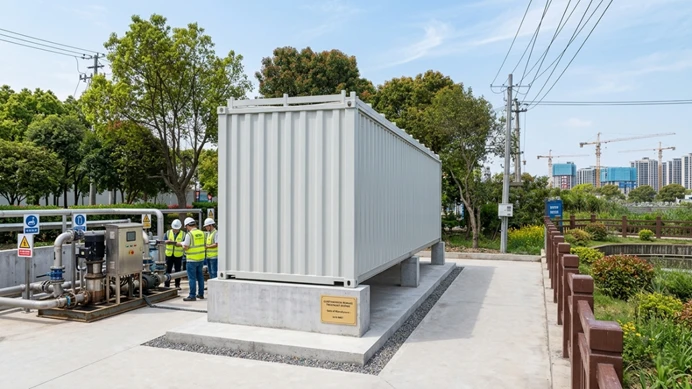
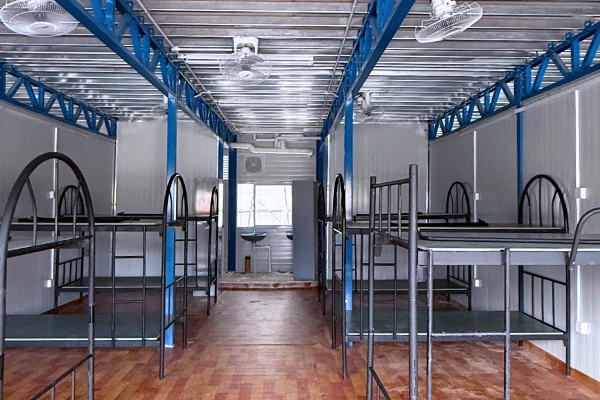
Factory-made container housing really satisfies a very wide and constantly expanding number of needs. Mostly in the workforce accommodation sector, rapid-deployment container camps have been providing workers in remote mining, oil and gas, and infrastructure projects with good, safe living and welfare facilities that are up to code. When it comes to disasters and emergencies, the factory-built units are so much quicker that lives are saved and pressure on local supply chains is reduced, as these units can be delivered ready for occupation in no time.
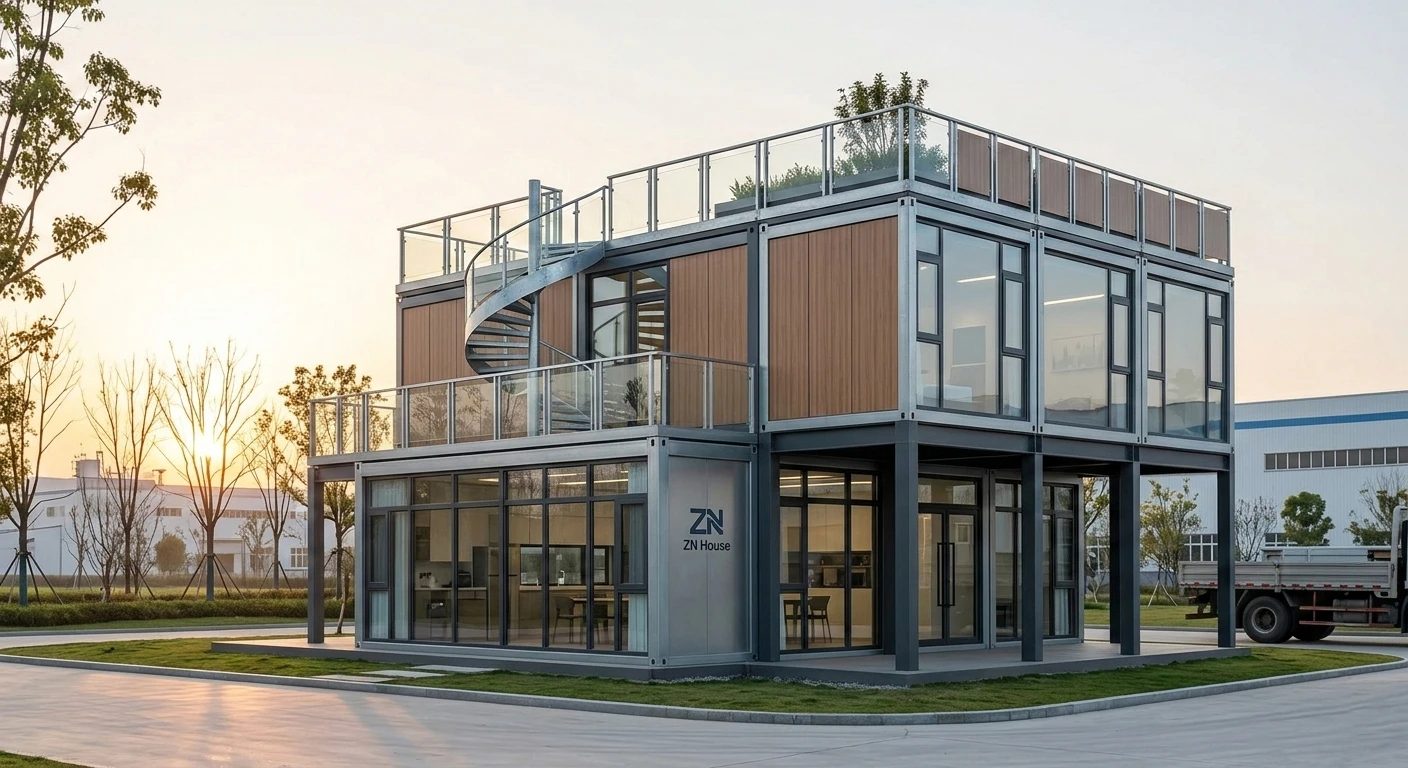
Commercial and hospitality sectors are even more and more turning to container architecture to create pop-up retail, eco-lodges, and container hotel developments where, at the same time, visual distinctiveness and build speed are the goals. Educational and healthcare facilities in remote areas take advantage of the factory's capability to produce simple, clinic or classroom units that consistently perform well even in places where local construction skills might be low.
Future Trends in Container House Factory Production
The research by McKinsey & Company suggests that modular construction methods have the potential to drastically cut down the project timelines as well as raise the productivity levels of the on-site workers. This will, in turn, be a great inducement for the rapid growth of production and utilization of modular construction in commercial and residential markets.
Container house producers are now pouring money into things like higher levels of automation, digital quality tracking, and very advanced pre-finishing capabilities to cope with these changes in demand. Thanks to BIM, people are now able to link production schedules in the factory with construction programmes on-site more closely than ever. Sustainability, no doubt, is a very important factor in how factories are planned. Highly efficient production processes about energy, use of recyclable materials and designs that are meant to get the best energy performance from the buildings, are no longer considered as features of a premium product with a higher price but are rather thought of as basics.
In line with these developments, ZN House is actively expanding its range of products by adding not only more effective insulation materials but also more ergonomic room layouts and new transport solutions which make international shipments cheaper and less complicated.
Case Study: Factory-Built Container Camp for a Remote Infrastructure Project
A civil engineering contractor that is working in the Sub-Saharan Africa area was in need of accommodation for 150 workers at a road construction site located more than 200 km from the nearest town. Conventional brick-and-mortar construction was not an option due to the remote location, the non-existence of skilled local labor, and a project mobilization deadline of 90 days from contract award.
ZN House was assigned to deliver a complete flat pack container camp consisting of 75 living quarters, a canteen, toilet blocks, and a site office. The flat pack model enabled all the units to be packed into standard 40-foot shipping containers, which decreased the freight volume and did away with the need for specialist port handling equipment.
The entire production, quality inspection, and export documentation cycle were finished at the ZN House factory within 45 days. Sea freight transit took another 21 days. Assemble on-ground by a local crew, trained using ZN House's set-up manual, was done in 12 days.
Key Project Outcomes
- 75 fully fitted accommodation units delivered in 78 days from contract award
- Flat pack consolidation reduced sea freight cost by more than 55% versus pre-assembled shipping
- 12-day on-site assembly using locally available labor
- All units met the contractor’s structural, fire, and thermal performance specifications
Frequently Asked Questions
What is the typical lead time from a container house factory for a 50-unit order?
Factory production for a regular 50-unit flat pack or folding container may take about 25-40 days based on the complexity of the specification and the present production schedule. Shipping by sea to most areas will generally take an extra 15-30 days. Buyers must take into consideration that the whole process from order confirmation until the port of destination might take 6-8 weeks, as the main time for planning, besides the local clearance and transportation time.
How do I verify that a container house factory is a genuine manufacturer and not a trading company?
Request a factory audit in person or remotely through a third-party inspection agency. Real manufacturers will willingly show you production facility photos, equipment lists, and staff information. The ISO certification documents must include the name of the certified organization and the facility address - you can verify the legitimacy of the certifying body by referring to its public registry. ZN House is open to factory visits and third-party audits from potential clients.
Can a container house factory produce units compliant with local building codes in my country?
That is possible, as long as a plant is able, technically, not only to analyze but also to execute the code requirements of a locality. Generally, key compliance aspects are the ones related to structural load ratings, insulation and thermal performance values, electrical standards (e.g., IEC vs NEC), and fire resistance class, etc. Giving the code documentation of the localities to the factory at the design stage is the best method to obtain engineering changes carried out before the start of production. ZN House is a company that has been providing code-compliant units to projects in over 50 countries and it has an engineering team highly knowledgeable in adjusting local requirements to standard designs.
Conclusion
The choice of container house factory can be a very major factor in the success of a modular construction project. Capabilities, certifications, production capacity and sales support are some of the factors that decide if a project is fulfilled on time, within budget and up to the standard required for the field.
ZN House offers a complete factory-built container housing solution: combining their manufacturing infrastructure and quality credentials, which have been independently verified, with a decade of experience in international exports. The range of products is from single custom units to multi-hundred-unit workforce camps, since the ZN House factory is able to produce, carry out quality inspections, and export whole container housing solutions to any market worldwide.
Get in touch with ZN House and get a personalized factory quote. Also, talk to the engineering team about your project needs.
Watch the following video on ‘Behind the Scenes of the Container Factory Before Shipment of ZN House’:
Disclaimer: The content of this article is just for your information. The specifications, lead times, and project results mentioned are merely examples and may change according to the project scope, the country of destination, the laws in force, and the site conditions. Those who read should get professional advice and obtain up-to-date technical data directly from ZN House or other qualified container house factory representatives when making procurement decisions.