Eco Container Houses: Sustainable Materials and Off-Grid Energy Solutions
Typically, concrete blocks are composed of aggregates and cement, the production of which is responsible for about 8% of the total global CO2 emissions (Source: Home Crux). So, to lower the atmospheric pollution and be a part of the solution to the environmental problems, eco container houses are the ideal options.
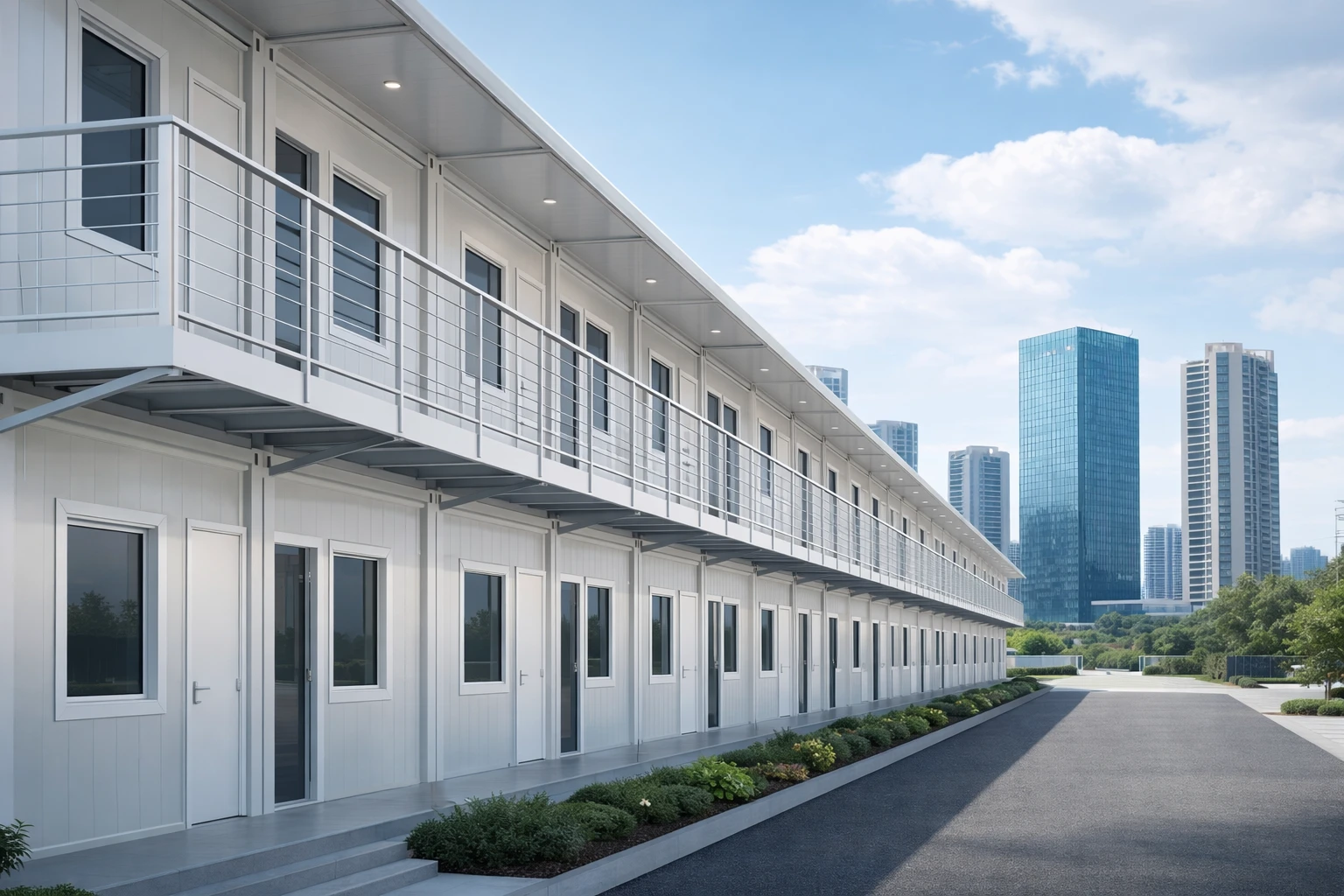
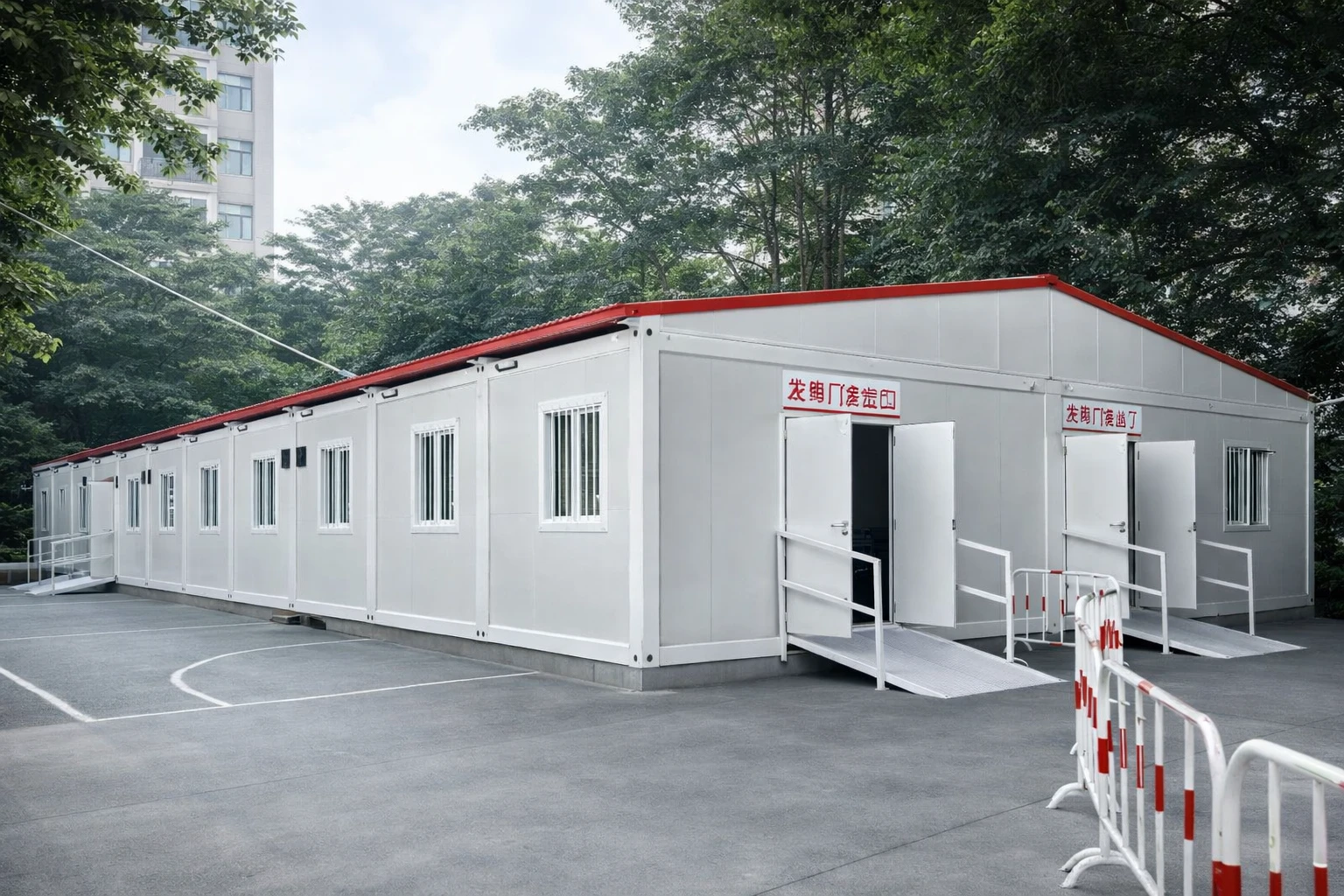
Eco container houses are changing the face of green housing in a major way by giving a cost-effective and earth-friendly alternative to the usual kinds of houses. As the need for energy-efficient and eco-friendly living solutions keeps rising, eco container houses become a feasible way of living. These eco container houses commit to the use of eco-friendly materials, thus lessening their environmental impact, while at the same time they can be powered with clean energy sources from nature, for instance, solar power and rainwater harvesting. Together, these ensure a living space that is independent and has a very low carbon footprint, thereby making eco container houses a viable option for the coming era of sustainable housing. The article will delve into the aspects of the eco container house materials and energy resources that make these homes green and efficient.
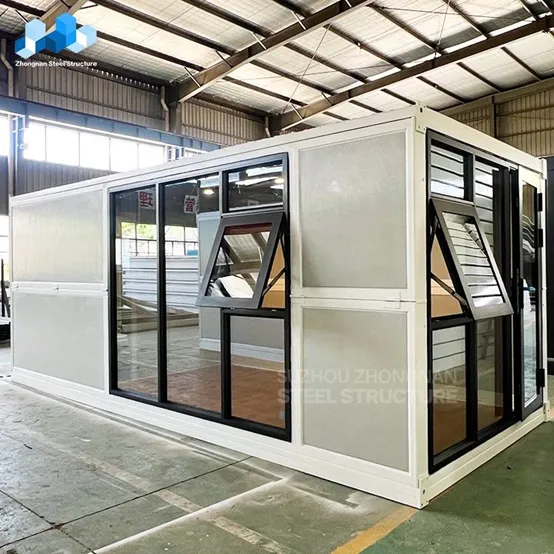
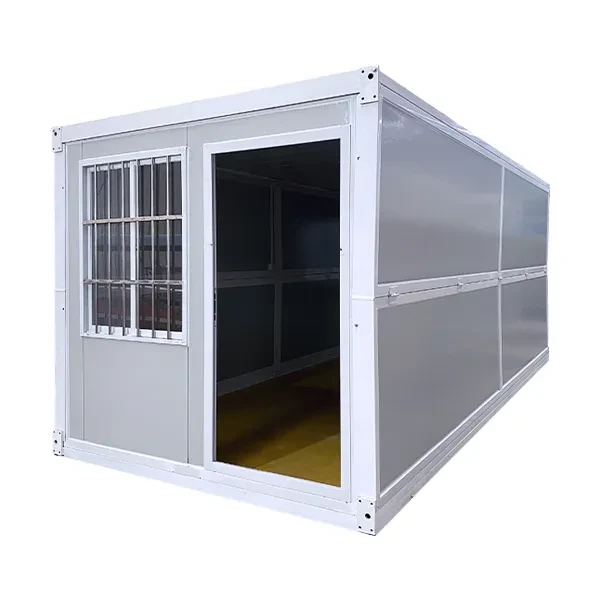
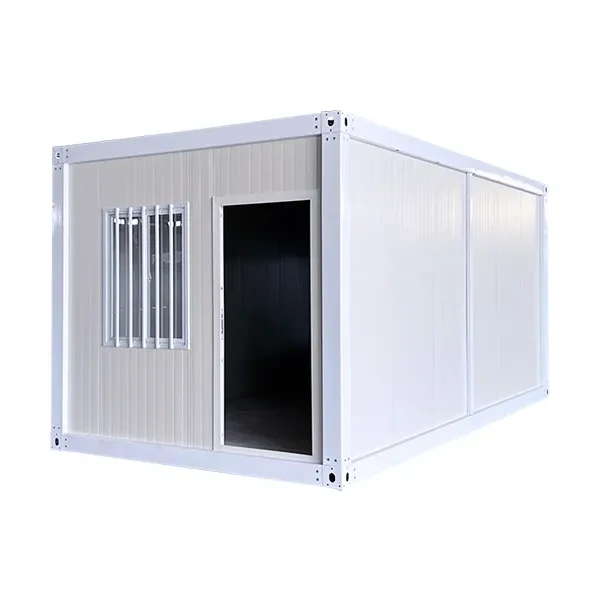
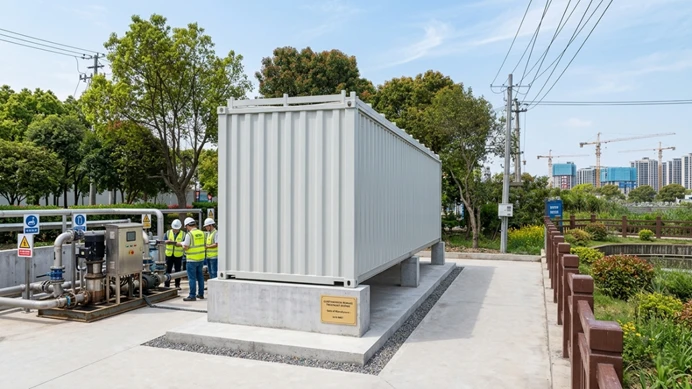
Fig-1: A foldable eco container.
What Are Eco Container Houses?
Eco container houses are creative living units made from reused shipping containers or from prefabricated steel containers constructed on-site factory. These houses provide an environmentally friendly option to standard residential buildings, lessening the waste that results from the building of different types of dwellings and using airdried, long-term, cheap materials. The idea of eco container houses came about as a recyclable solution to the double problem of the shortage of dwellings and the pollution of the environment. The rise of eco container houses during the last few years has been due to the increased awareness of the importance of sustainability and the necessity for more energy-efficient and less expensive housing options. In addition to sustaining the earth by lessening material waste, the eco container houses also provides the potential for low cost, energy efficiency, and affordability.
|
Faktoro
|
Eco Container Houses
|
Traditional Homes
|
|
Cost
|
Generally lower initial cost due to recycled materials
|
Higher construction costs due to new materials and labor
|
|
Energy Efficiency
|
Highly energy-efficient with off-grid options like solar and wind energy
|
Typically requires external energy sources like grid power
|
|
Environmental Impact
|
Minimal environmental footprint; uses repurposed materials
|
Higher environmental impact from material production and waste
|
Table-1: Comparison of eco container houses vs traditional homes
Sustainable Materials for Building Eco Container Houses
Eco container homes are built on sustainable materials, which lessen their impact on the environment and increase their energy efficiency.
Key materials include:
- Recycled Steel: Eco container houses are constructed from steel, a highly durable and recyclable material in general. The use of recycled steel lessens the demand for new raw materials, thereby saving resources and cutting carbon emissions.
- Eco-Friendly Insulation: Insulation materials such as spray foam or naturally derived fiber (say, cellulose or cotton) are frequently employed to energize the efficiency of the power system. These devices are instrumental in stabilizing the ambient temperature thereby lessening the effort of the heater or air conditioner and consequently, energy consumption is lowered. Mineral wool or rock wool are also used for controlling weather conditions in the eco container houses and they are derived directly from the nature.
- Solar Panels: The basis of the power supply for off-grid eco container houses is well equipped with solar energy systems. With the help of solar panels, the sun becomes the main power source, thus enabling users to be independent of the grid and reduce their utility costs. Besides that, it is a good way of promoting the use of clean energy.
- Eco-Friendly Coatings: Besides that non-toxic paints and coatings keep the outer side of the eco container house fresh for a long time, they also stop the release of toxic chemicals in the environment. Most of these coatings are derived from nature and are biodegradable.
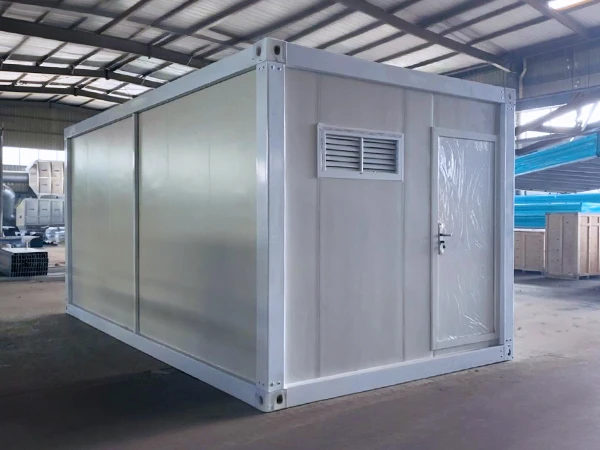
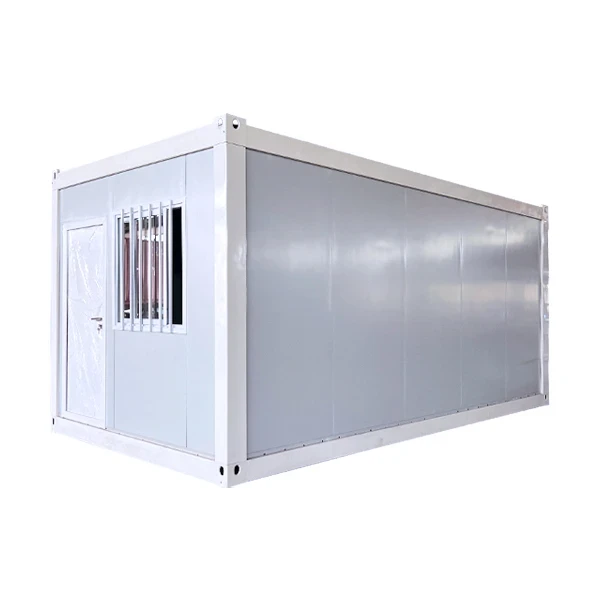
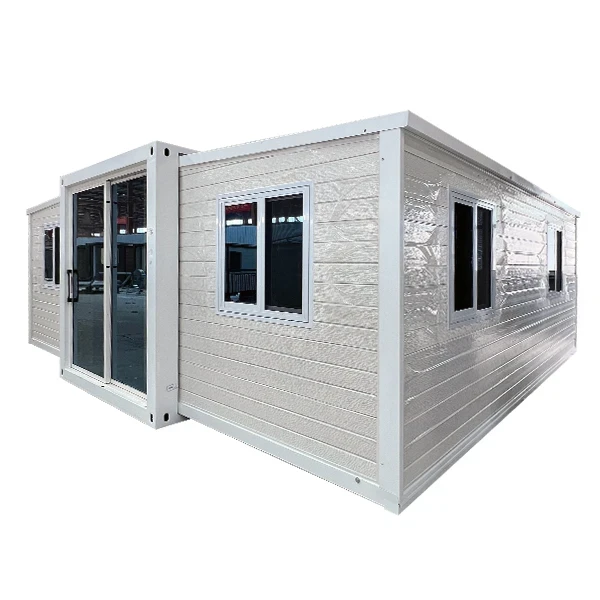
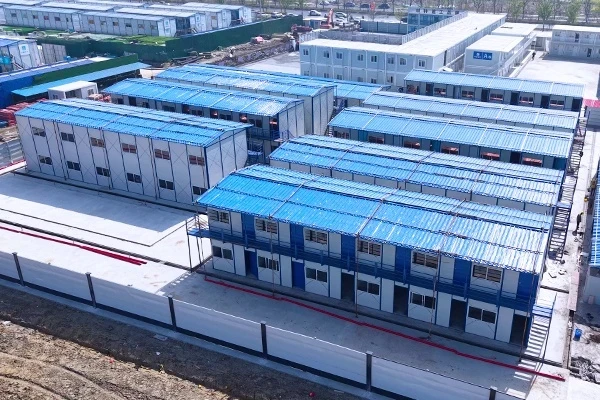
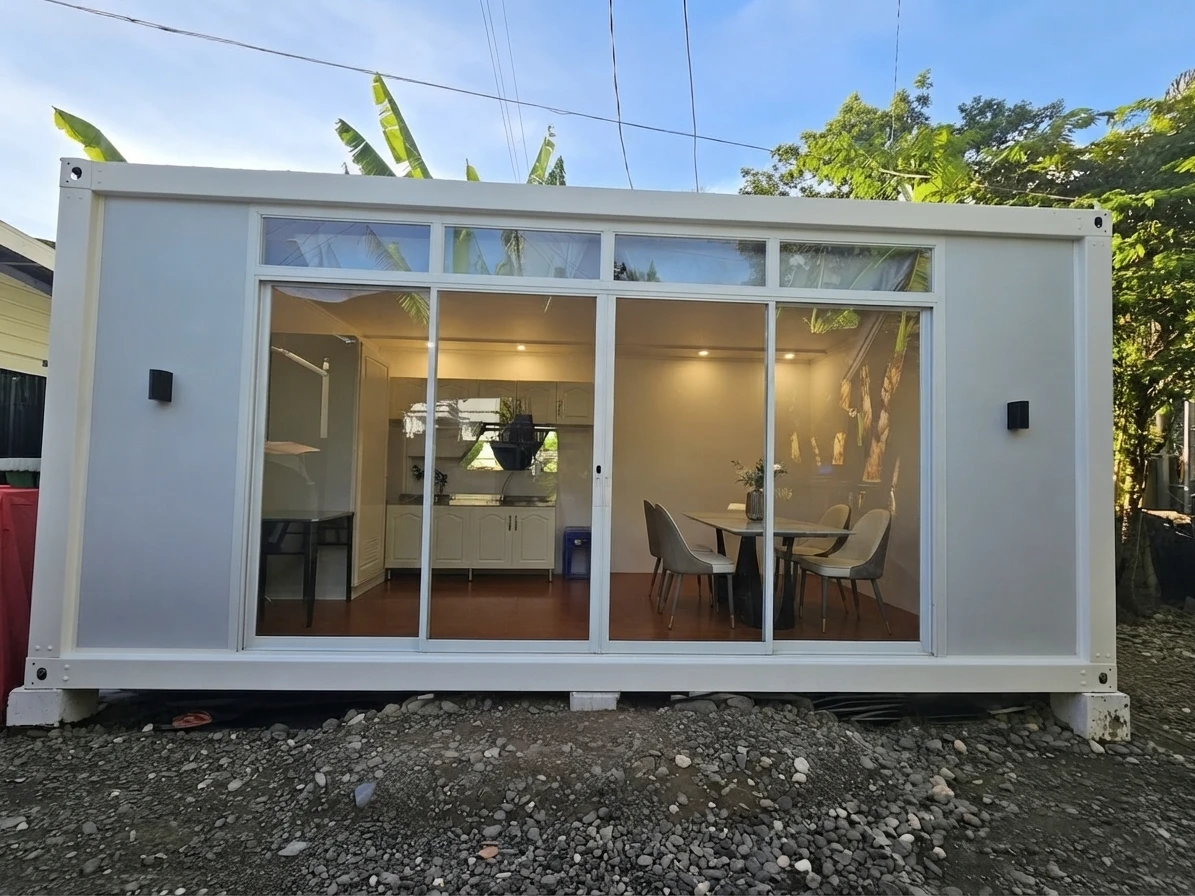
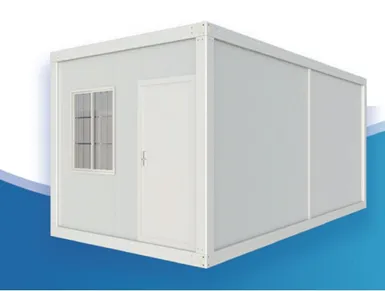 Fig-2: An assembled eco container house
Eco container houses provide a sustainable substitute for traditional housing by lowering carbon footprints and increasing durability through the use of these sustainable materials.
|
Material
|
Environmental Benefit
|
Impact on Carbon Footprint
|
|
Recycled Steel
|
Reduces resource extraction, saves energy in production
|
Significant reduction in carbon emissions from raw steel production
|
|
Eco-Friendly Insulation
|
Lowers energy use for heating and cooling, biodegradable options
|
Reduces energy consumption and long-term waste
|
|
Solar Panels
|
Harnesses renewable energy, reduces grid reliance
|
Eliminates greenhouse gas emissions from energy production
|
|
Eco-Friendly Coatings
|
Non-toxic, sustainable, extends lifespan of containers
|
Reduces harmful chemical waste and promotes healthier living environments
|
Table-2: Breakdown of sustainable materials and their environmental benefits inn eco container house
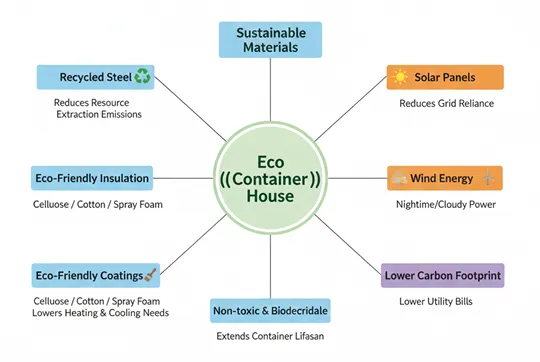
Fig-3: The Anatomy of an Eco Container House: Materials, Energy, & Impact
Off-Grid Energy Solutions for Eco Container Houses
Off the grid living is an option that appeals to the owners of the eco container houses who want to be entirely self-sufficient and thus, use very little or no utility grids from the outside. Part of the success of such a lifestyle is the use of renewable energy sources, energy-efficient storage systems, and low-energy appliances. The use of off-grid power sources makes it possible for these eco container houses to be operational and at the same time, have a very small impact on the environment.
- Solar Power is the cornerstone of off-grid energy for eco container houses. Solar panels take the sun's rays and change them into electrical energy which can be used to power different things like lights and appliances. If the system is sized correctly, solar energy can be the source of almost all, and in some cases even, the entire energy consumption of a residential;
- Wind Energy adds another layer of energy independence. Small wind turbines can be a source of power when solar energy is weak, such as during cloudy days or at night. Wind turbines powered by the sun can thus be considered as an energy source that is always;
- Rainwater Harvesting complements energy solutions by reducing dependence on municipal water systems. Stored rainwater can be used for irrigation or other non-potable needs, easing the demand on local utilities.
- Battery Storage ensures that excess energy produced during sunny or windy periods is stored for use during low-production times, such as cloudy days or nighttime.
- Energy-Efficient Appliances further reduce energy needs, ensuring minimal power consumption and extending the life of the off-grid system.
When combined, these off-grid energy options provide self-sufficiency, energy independence, and a smaller environmental impact for eco container homes.
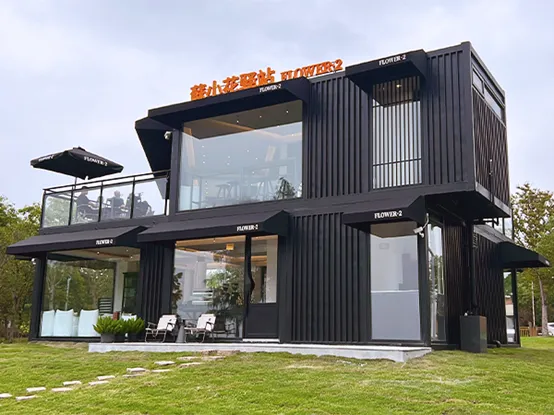
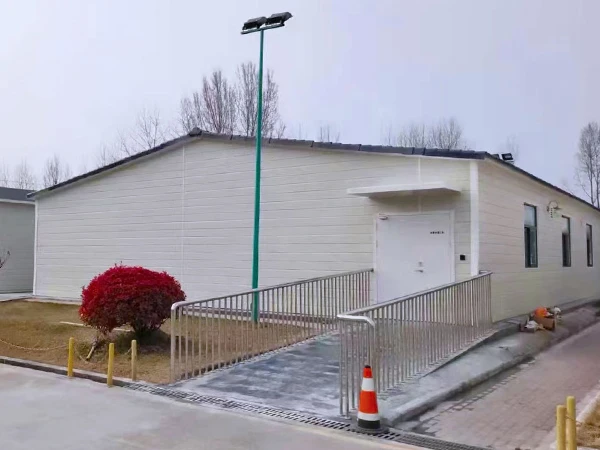
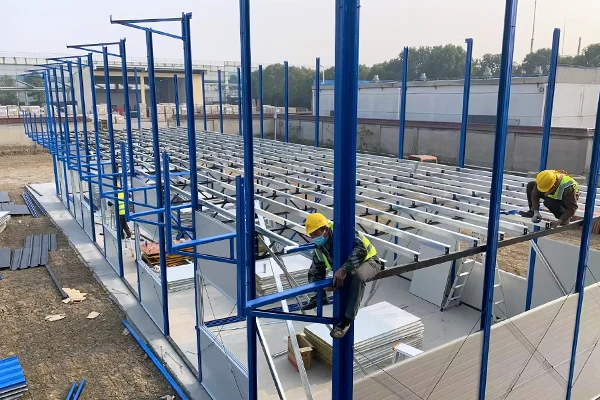
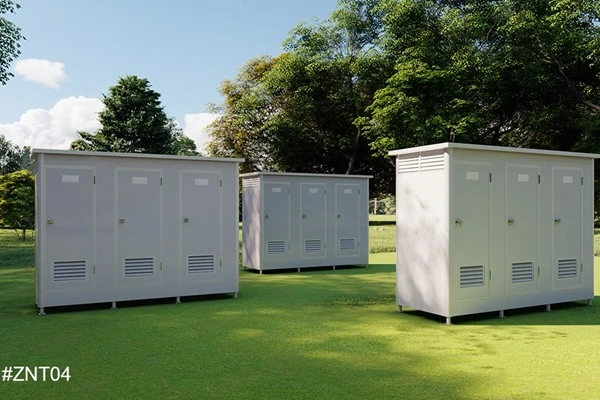
Fig-4: A multi-unit eco modular house.
Benefits of Eco Container Houses
One of the main advantages of eco container homes is that, they are a perfect solution for sustainable lifestyle. To begin with, these houses decrease the overall carbon footprint by the use of recyclable materials; for instance, the reusing of the steel of the old shipping containers, and also by the use of clean energy sources like solar and wind. Consequently, their impact on nature is much less than that of conventional dwellings.
Moreover, the utility expenses are kept at a minimum as the energy-efficient design of these houses contribute greatly to the cause. The use of off-grid energy systems and proper insulation in these eco container houses lowers the demand for external energy sources. As a result, lower electricity and water bills will be experienced over time.
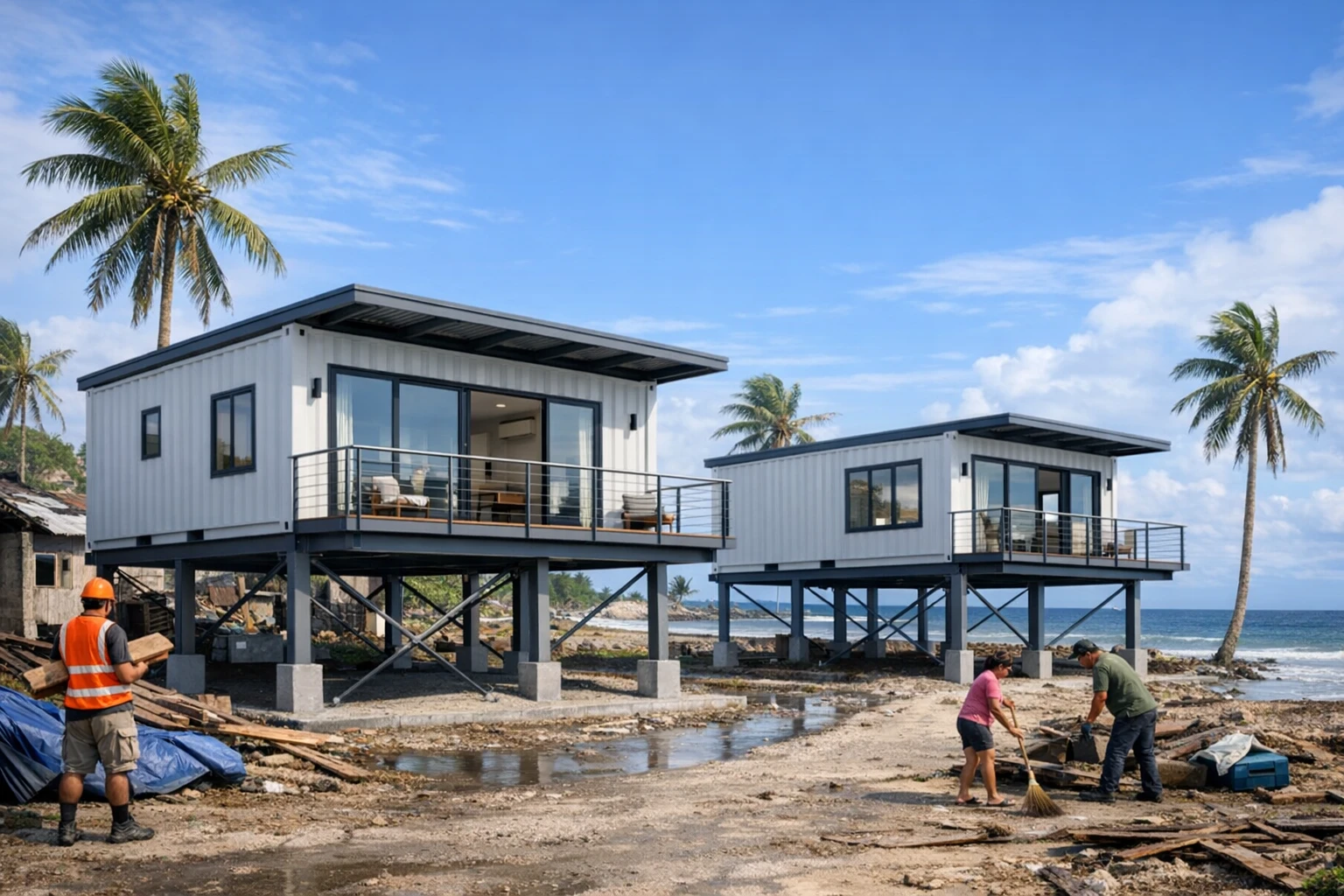
Eco container houses are equally very flexible in terms of different surroundings and weather conditions. Be it a freezing cold climate of the North or hot desert areas, these eco container houses can be tailored to any environment, providing both lifestyle and sustainability. These advantages turn these houses into a multi-use, affordable, and eco-friendly housing alternative.
The Future of Eco Container Houses
Container houses fashioned from eco-friendly materials are turning out to be an important part of the solution to the housing problem as the demand for sustainable living is increasing. These eco container houses provide a low-cost, energy-efficient alternative to conventional housing and are the perfect match for the future of sustainable living. The trend is slow but surely getting popular as more people want eco-friendly, low-maintenance homes that are both affordable and environmentally beneficial.
Technological innovations will, however, be the main factor behind the change of eco container houses in the future. It is expected that energy efficiency will be improved through smart home integration by the system controlling lighting, heating, and cooling based on usage and environmental conditions. Besides that, a more reliable energy system composed of, for example, more efficient solar panels, wind turbines, and battery storage solutions will make these eco container houses more self-sufficient by reducing the need for external utilities.
When they become more advanced, eco container houses will still be an indispensable part of the expanding sustainable housing market, which is the solution to the climate change, resource scarcity, and affordable housing problems.
Conclusion
Eco container houses have made possible a cheap and environmentally friendly living style which is different from the regular one by the use of sustainable materials and by being energy off-grid. They have become complete recyclable systems through the use of steel recycled from shipping containers, energy-efficient insulation, and renewable energy-powered systems such as solar and wind energy; thus, they have become carbon-neutral with minimal utility costs.
In addition, the modular eco container house can remain comfortable and functional in any type of weather conditions or any geographical location, thereby be a viable option for the future of sustainable living.
We at ZN House, believe in providing environmentally friendly solutions in the construction of eco container houses that match the trend of the increasing need for sustainable and self-sufficient residences. In case you are thinking of lowering your impact on the environment or your living costs, our eco container houses will be the right choice for you.