The Comprehensive Guide to Flat Pack Containers: Solutions for Affordable, Sustainable Housing
Flat pack containers have been one of the most groundbreaking and helpful solutions for housing and construction projects, in effect, for a few years now. They are turning out to be the perfect choice for affordable, environmentally-friendly, and flexible living spaces.
No matter what a person needs, these adaptable containers can be made to be the most suitable ones; in fact, they can be used as temporary offices or as permanent homes in areas with extreme weather conditions. As the need for eco-friendly and affordable housing becomes more pressing, flat pack containers are being recognized as a viable solution to the problem of housing shortages as well as a source of shelter in areas that are difficult to access or in harsh environments.
We will thoroughly explore the topic of flat pack containers, their main advantages, and their potential to change the housing of the future in this detailed guide. If you are an extreme climate modular home seeker or a construction site housing solution provider looking for an affordable option, then flat pack containers are the ones that no one can beat in terms of flexibility and effectiveness.
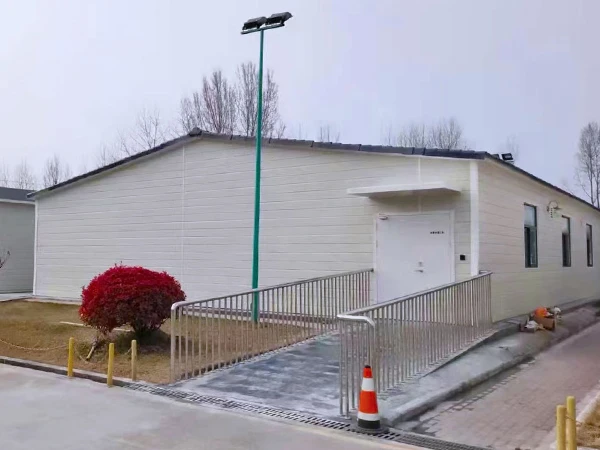
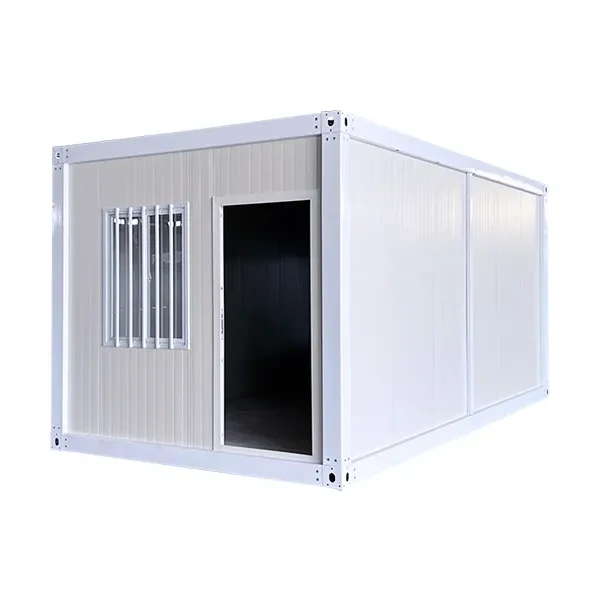
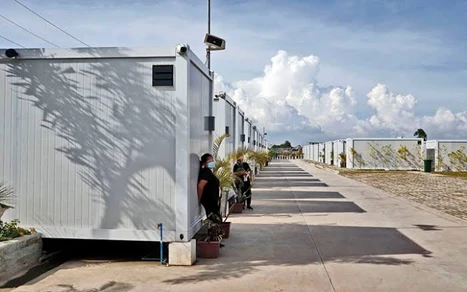
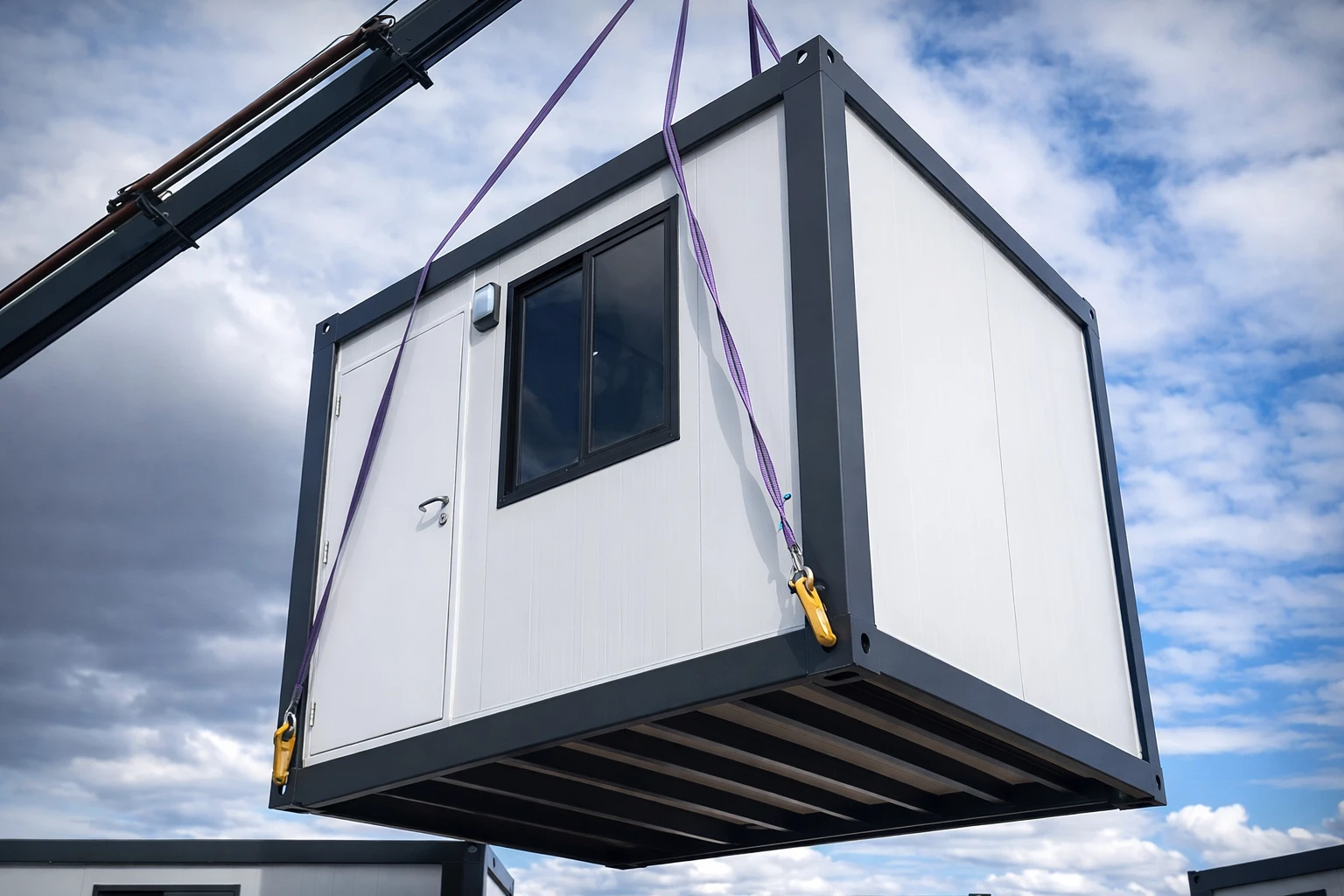
 Fig. 1: A unit of a flat pack container
With my more than six years of experience in the prefabricated modular housing industry, and being the Project Manager at ZN House, I have had the opportunity to handle projects in different weather conditions around the world. It is my knowledge and skill that I have developed in designing and implementing flat pack container solutions that underpin this article, aiming to shed light on their viability as a simple, affordable housing alternative.
What Are Flat Pack Containers?
Flat pack containers refer to a type of prefabricated structure that can be readily put together on the spot. In general, these are constructed from sturdy and weather-resistant materials and are designed to be transported while flat, thus allowing for more efficient shipping and cost-saving. After they are delivered to the destination, the containers are put together by means of a modular system that facilitates the erection of the structure in a short period of time.
Such containers have become the most widely used ones for the purposes of living, storage, temporary offices, and even as shelters in case of disasters. Their flexibility and fast assembly have contributed to their being a favourite choice in different industries such as the housing sector, construction, and the army.
Prefabricated Flat Pack Containers: The Key to Customization
One of the main differences between flat pack containers and regular shipping containers is that the former has a modular design and a prefab feature. These allow for the containers to be tailored in any way necessary, including floor plan, dimensions, insulation, and energy-saving features. Because of the modular structure of flat pack containers, they can be used as housing in either the short or the long term.
|
Feature
|
Traditional Housing
|
Flat Pack Container Housing
|
|
Rakennusaika
|
6-12 months
|
2-4 weeks (On-site Assembly)*
|
|
Cost
|
High upfront cost
|
Low upfront cost (Savings on Labor & Freight)
|
|
Flexibility
|
Limited
|
Highly customizable and reconfigurable
|
|
Kestävä kehitys
|
Often uses non-sustainable materials
|
Made with eco-friendly and recycled materials
|
|
Transportability
|
Not transportable
|
Easily disassembled and transportable
|
Table 1: Comparison of Traditional Housing vs. Flat Pack Container Housing
[Note: On-site Assembly-This鈥?zwj;鈥?zwnj;鈥?zwj;鈥?zwj;鈥?zwnj;鈥?zwj; time period shows the time it takes from when the flat pack parts are delivered to when a weathertight lockup shell has been achieved, thus assuming the site has been prepared properly. The total project duration (from foundation to handover) can be 鈥?zwj;鈥?zwnj;鈥?zwj;鈥?zwj;鈥?zwnj;鈥?zwj;different. And the 2-4 weeks construction time is also variable depending on the materials used, the location of the construction and the condition of the location.]
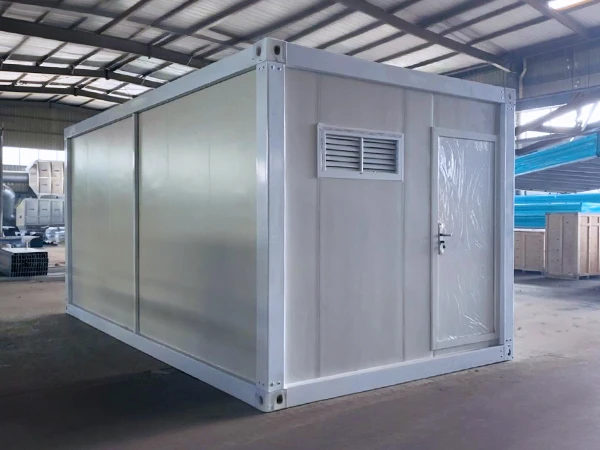
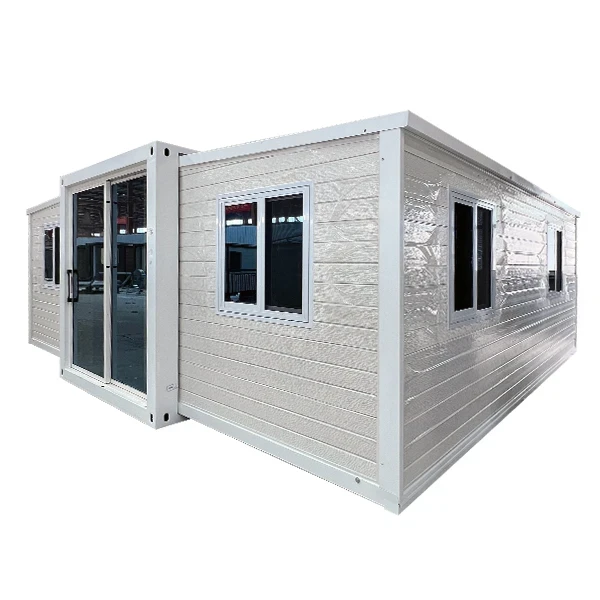
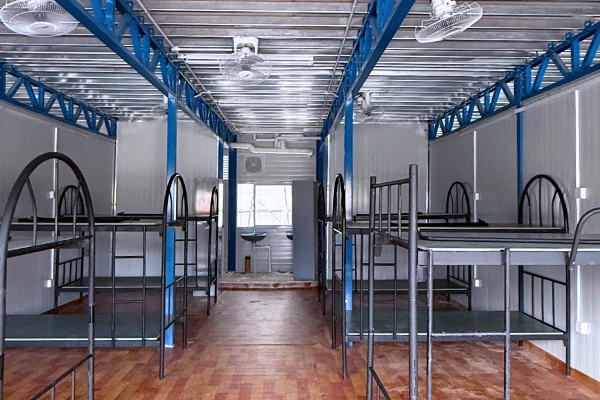
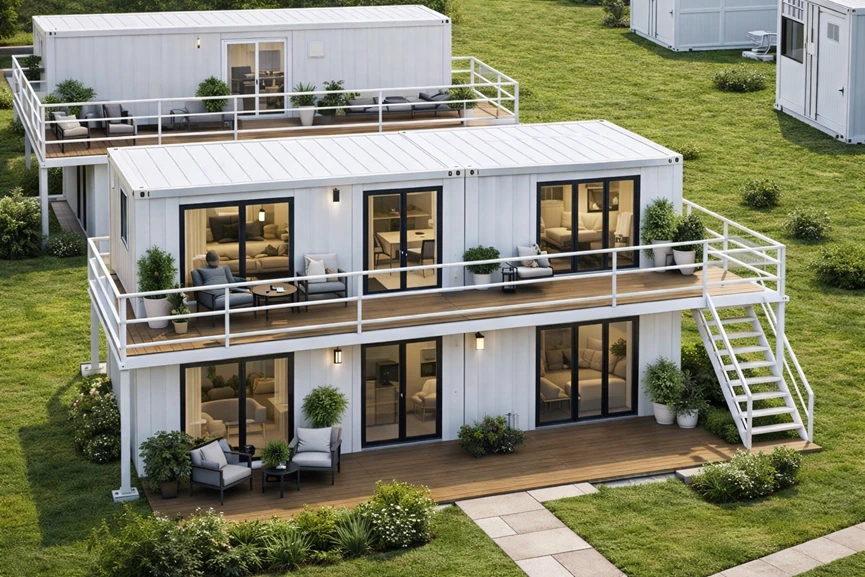
 Fig. 2: Inside of a flat pack container house
Flat Pack Containers vs. Modified Shipping Containers: A Core Distinction
Though they both fall under modular construction, flat pack units and altered shipping containers are, by nature, very different. If you are aiming at making the right choice in terms of the logistics, cost, and extent of your project, it is imperative first to understand these differences.
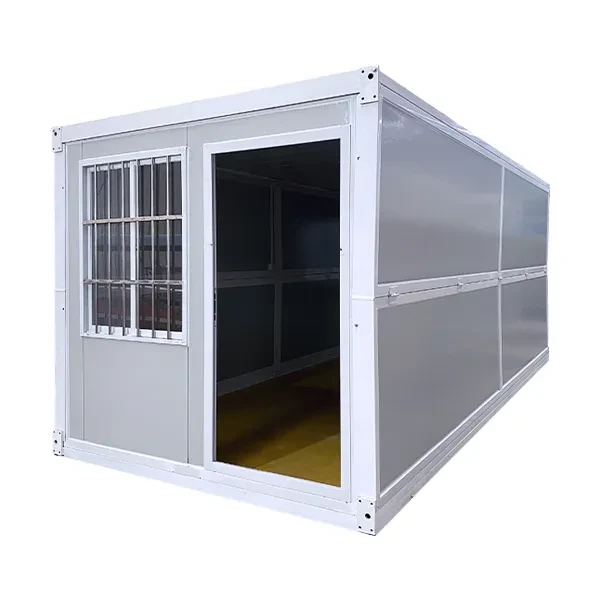
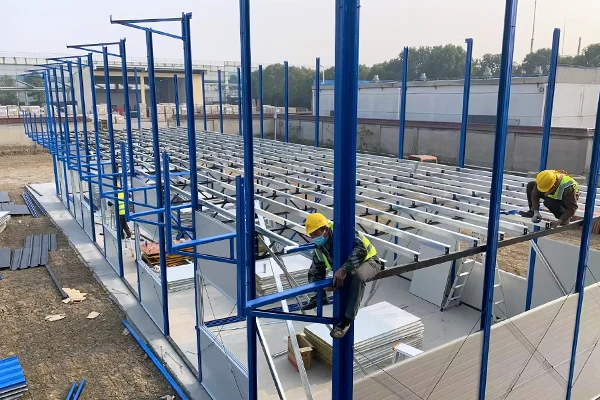
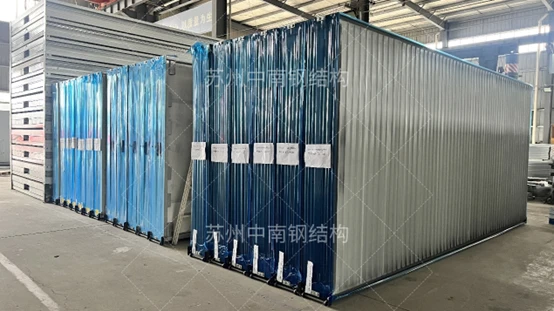
 Fig. 3: Flat Pack Containers vs. Modified Shipping Containers: A Logistics and Assembly Comparison
The following table demonstrates the difference in a vivid way:
|
Feature
|
Flat Pack Containers (Modular Kit)
|
Modified Shipping Containers (ISO Mod-Box)
|
|
Logistics & Efficiency
|
Excellent. Optimized for freight; up to 8 disassembled units fit into one 40ft container, drastically lowering transport costs.
|
Poor for Bulk. Shipped as one bulky volume (1 unit per truck/container). Freight costs are fixed and high.
|
|
Assembly & Setup
|
Ultra-Rapid On-Site Assembly. Components are bolted together in 2–4 hours for a weathertight shell. Interior finishes are factory-installed.
|
Delivered Ready or Modified Off-Site. Requires heavy crane placement. Structural modifications (cuts for windows/doors) require complex, costly welding and reinforcement.
|
|
Customization & Insulation
|
Purpose-Built Modularity. The鈥?zwj;鈥?zwnj;鈥?zwj;鈥?zwj;鈥?zwnj;鈥?zwj; frame is built in such a way that it can be easily stacked and joined. To provide great thermal performance, the insulation is a high-efficiency one (e.g., PUR foam) and is 鈥?zwj;鈥?zwnj;鈥?zwj;鈥?zwj;鈥?zwnj;鈥?zwj;factory-fitted.
|
Retrofit Required. Solid metal shell creates thermal bridging, requiring extensive, expensive on-site or off-site insulation and interior framing after initial structural cuts.
|
Table 2: Key Differences Between Flat Pack and Modified Shipping Containers
Benefits of Flat Pack Containers
The flat pack containers provide different types of benefits, making them an attractive choice for many projects. The key advantages are:
Affordability and Cost-Efficiency
According to Hutter Architects, a Chicago-based architectural firm, “Eco-friendly container house designs can reduce construction waste by up to 50% compared to traditional construction costs”. Traditional container homes (recycling existing boxes) save roughly 3,500 kg of steel per unit. Flat packs reduce waste through factory precision (linear production), which is a different type of sustainability.
Firstly, the cost factor can be considered as one of the top benefits of flat pack containers. The building of conventional housing is usually costly in terms of labor and materials; the costs go high with time, and the budget is often exceeded by a large margin. Flat pack containers are less expensive as a result of being manufactured in a way that saves energy, there are fewer transport costs and the time for the assembly of the unit is short. Thus, they are ideal for people who wish to have a home but do not have a considerable sum of money to spend.
As a case in point, in our Northern Canada project, we were able to reduce the total cost of the project dramatically through efficient logistics and rapid on-site work, thus resulting in a 30% reduction in project costs versus the usual way of construction.
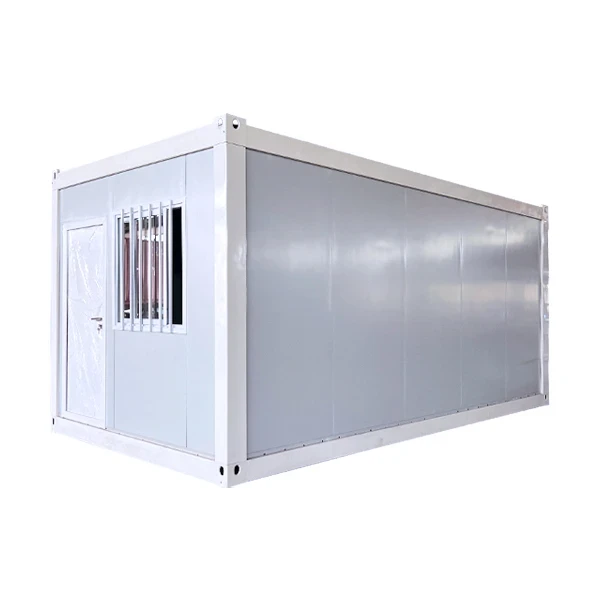
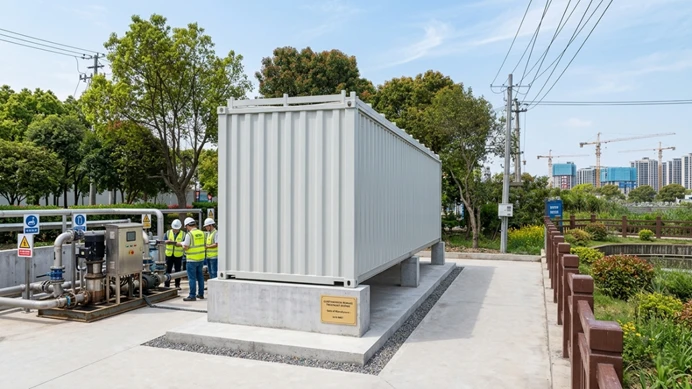
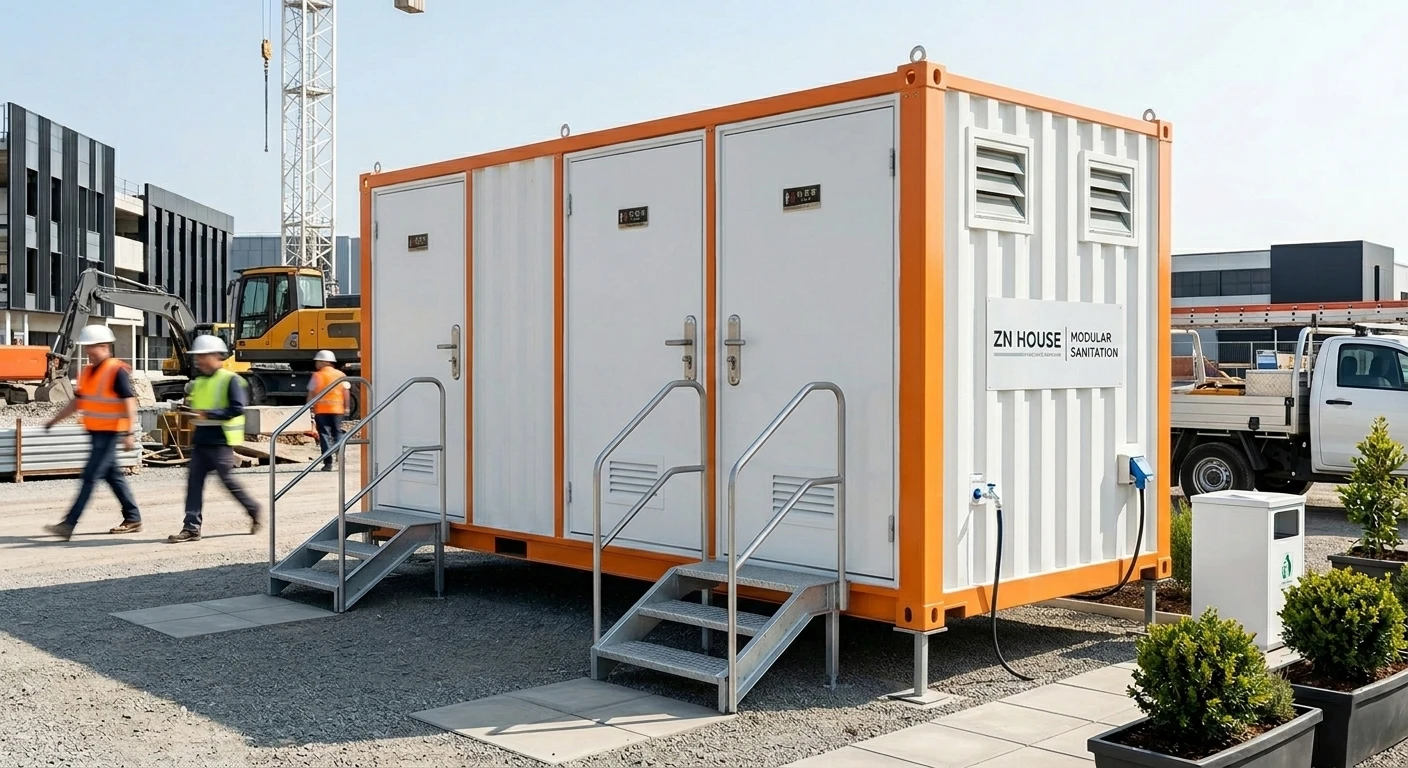
 Fig. 4: Prefabricated bathroom of a flat pack container
Sustainability and Eco-Friendliness
According to Grand View Research, the global modular construction market was valued at USD 111.07 billion in 2025 and is projected to reach USD 207.82 billion by 2033, growing at a CAGR of 8.2%.
Flat pack containers have been made from eco-friendly materials, and the modular design of these containers leads to less waste. Through the use of energy-efficient insulation, the availability of solar power, and the use of eco-friendly materials, these containers have the potential to lower the carbon footprint of a housing project. People who are in search of a green solution can consider flat pack containers as a means of constructing homes that have a minimal impact on the environment.
Flexibility and Customizability
According to the Modular Building Institute (MBI), modular construction has seen a 5% growth year-over-year, validating flat pack containers as a high-growth sector.
Flat pack containers can be customized in many different ways as they provide an array of design choices to fit the exact requirements. Flat pack containers can be modified to have multi-room designs, fitted with custom features, or even have the energy-saving elements integrated which makes them not only efficient but also appealing to the eye. Their adaptability allows them to be utilized for the creation of limitless projects of this type, either as dwellings or office spaces of any size.
Key Features of Flat Pack Containers
Flat pack containers come with a variety of features that enhance their appeal as a housing solution. Here are some of the key features:
Insulation and Weather Resistance
Flat pack containers have been made to be able to resist severe weather conditions; therefore, they are the best choice for places where the climate is tough. Through the use of modern insulating materials, these containers are capable of delivering a cozy atmosphere in nature, regardless of whether the temperature is very cold or very hot.
To comply with such requirements, our flat pack solutions normally incorporate high-density polyurethane (PUR) foam insulation in the walls and ceilings. This is a material selected for its excellent thermal performance. The outcome of such a building is frequently an R-value of over R-28 in the walls and R-40 in the roof. As a result, the heat is regulated, and the inside remains comfortable even if it is ice cold outside (e.g., less than 40°C in Northern Canada) or very hot. Furthermore, the sealing gaskets for tough weather and top-grade windows are installed with a view to creating an airtight building envelope that does not allow the entry of wind, rain, and sand.
For more information on windproof, sandproof, and insulated flat pack containers for extreme weather, visit our blog here.
Energy Efficiency
Nearly all flat pack containers have been designed to be energy-efficient and are equipped with various features like solar panels, rainwater harvesting systems, and high-performance insulation. Due to these energy-saving features, the running costs of the building are low in the long term, and it also provides a more environmentally friendly living option.
In Northern Sweden, where winters can be harsh, our flat pack containers, featuring state-of-the-art insulation, decreased energy consumption for heating by 45% in comparison to traditional buildings in similar conditions.
Durable and Secure
Flat pack containers are essentially long-term storage units made of robust materials such as steel and top-quality alloys. They can be a safe, durable solution that is resistant to scuffs and other minor damages, whether you decide to use them for a home or a temporary office.
By default, we build the skeleton out of top-quality, rust-preventive galvanized steel (ASTM A653 standard) with a G90 galvanized coating (0.90 oz/sq ft) and also make it out of corrugated steel ribs, hence the structure shall live at least 25 years if properly cared for. The floors are capable of holding a load evenly distributed to an area of at least 2.0kN/m2 (or roughly 42psf where 40 psf code is the minimum), meeting the ISO 1496-1 requirements for modular containers. This ensures the structure remains stable under residential occupancy loads as specified in the International Building Code (IBC) Table 1607.1.
[Note: The G90 refers to the weight of the zinc coating, which is critical for preventing rust in coastal high-salinity environments. Again, G90 galvanized coating (0.90 oz/sq ft of zinc) provides a 'Time to First Maintenance' (TFM) of approximately 20–25 years in high-corrosion coastal environments, but can exceed 50+ years in temperate, inland climates according to data from the American Galvanizers Association]
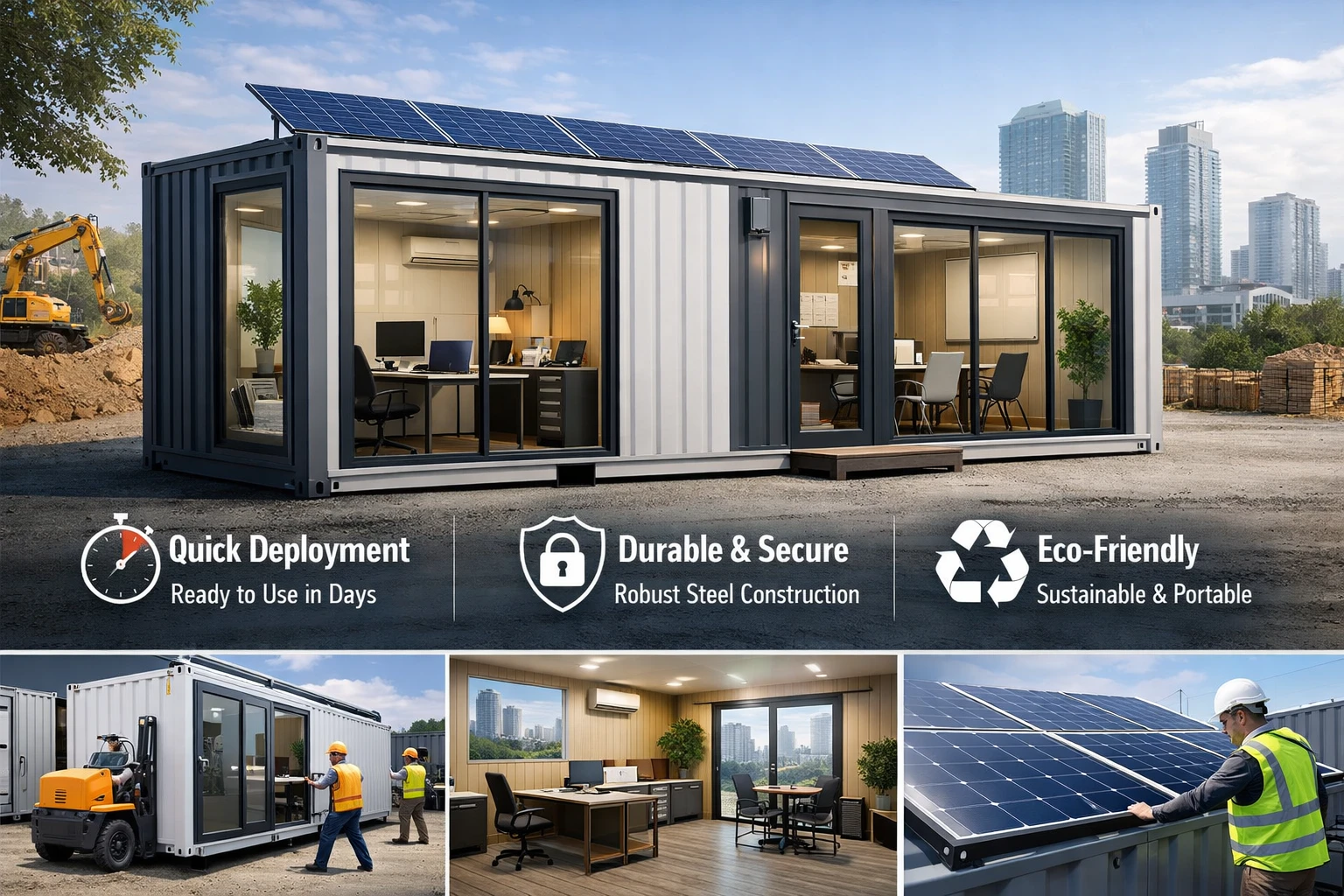
 Fig. 5: List of Essential Features of Flat Pack Containers
Applications of Flat Pack Containers
Flat pack containers are versatile and can be used in a variety of applications. Here are some of the most common uses:
Housing in Extreme Weather Conditions
Flat pack containers are a great option for living in places that have harsh weather in any way, be it cold climates of the north, stormy coasts, or hot deserts. The reason is their enhanced insulation and weatherproofing characteristics, which make the users comfortable and safe.
Temporary Offices and Construction Site Accommodation
Flat pack containers are popular choices for on-site offices and can also be used as workers' accommodation in places such as construction sites. A simple and cheap method of establishing working areas in locations that are far away or still under development is what they basically provide.
Disaster Relief Shelters
During natural disasters, flat pack containers may be deployed in a hurry to supply temporary housing for families that have been forced to leave their homes. The fact that they can be moved easily and that they can be put together quickly renders them perfect to use in relief operations.
In our latest initiative in the Philippines, flat pack containers delivered fast, safe, and energy-efficient housing solutions for disaster relief. The modular design enabled us to construct these units in merely 3 weeks, guaranteeing swift deployment following the disaster.
How to Choose the Right Flat Pack Container (A Buyer's Guide)
Transitioning from research to purchasing means that you have to inquire about the appropriate things regarding the product specifications, standards, and the capacities of the suppliers. The selection of the appropriate flat pack container is the one that guarantees that your money works for you by delivering the strength and performance that is required by your particular use.
Structural Performance and Certification (Durability)
The duration and security of a container are essentially dependent on the framework and the substance used. It would be quite easy and comfortable to simply ride the wave and accept that those different terms refer to what is stated; however, you ought to require clear signs that are backed up by some standards or regulations.
Materials and Standards: First of all, find out whether the frame is constructed from one robust piece of galvanized steel (verify if the product meets the international standards, like ASTM A653 or any other equivalent ISO standards). To be able to resist rust and corrosion, the steel should be galvanized, particularly when the product is intended for use in a coastal area or a place with high moisture.
Wind and Snow Load Ratings: The building has to be architecturally designed for the place where you are going to set it up. Ask for proof that the container is capable of handling the wind speed necessary for the location (as an example 120 mph in a hurricane zone) and that it is able to support the ground snow load (PSF).
Stackability: If you plan to use multi-level structures, it is advisable to check the maximum stacking limit (usually up to three) and make certain that the corner castings and the frame are adequately strengthened to bear the vertical load.
Thermal and Energy Specifications (Insulation)
This criterion significantly influences long-term operational expenses (heating/cooling) and the comfort of the residents, particularly in the harsh climates.
Insulation Type and R-Value: Identify the specific insulation material that will be used (for example, Polyurethane (PUR) foam, mineral wool, or EPS) along with its relevant R-value (thermal resistance). In the process of choosing a home for a cold climate aim for the wall R-values to fall within the range of R-18 R-28 or potentially higher.
[Note: To achieve an R-value of over R-28, we utilize 100mm high-density Polyurethane (PUR) sandwich panels with a thermal conductivity (λ) of approximately 0.022W/m. K.]
U-Value (Thermal Transmittance): The total U-value serves as a holistic assessment of the degree which the container assembly (including walls, roof and floor) limits heat transfer. Lower U-value indicates higher thermal efficiency. 鈥?zwj;鈥?zwnj;鈥?zwj;鈥?zwj;鈥?zwnj;鈥?zwj;
Fire Rating: Make sure that all the materials that are used for the walls, the ceiling, and the floors are in accordance with the fire safety regulations and standards of the locality, which is a condition that gains even more importance with multi-unit or commercial accommodation. 鈥?zwj;鈥?zwnj;鈥?zwj;鈥?zwj;鈥?zwnj;鈥?zwj;
Customization and Modular Integration
One of the greatest benefits of flat pack containers is their modular design; verify the extent to which you can tailor the unit.
Wall Panel Flexibility: Is it possible to relocate the windows and doors with ease? A flexible system, in real terms, should enable a customer to decide where to place the openings to get more natural light or specific views from the site.
Floor Plan Combinations: Ensure that the system is capable of the effortless merging of different units—either side-by-side or end-to-end—to result in large, open-plan areas without the need for complicated structural changes.
Interior Finishes: Cover the standard choices for flooring (for instance, vinyl, laminate), the material for the interior walls, and the electrical configurations (for instance, 110 V vs. 220 V systems) so that the requirements in terms of both safety and style are satisfied.
Logistics and Assembly Support (Cost-Efficiency)
The cost-saving advantages of flat pack containers rely heavily on efficient transport and assembly.
Shipping Ratios: Request from the supplier the quantity of flat pack units that can be piled and transported in a standard 40ft shipping container. A greater ratio (for example, 4 to 6 units per 40ft container) can be equated almost directly with lower freight expenses.
Assembly Requirements: Figure out the indispensable apparatus (crane size, lift capacity) and the smallest number of people in the crew necessary for the on-site assembly. A good supplier ought to offer detailed, stepwise assembly instructions and, if possible, assist the technical team.
When choosing a flat pack container for deployment in colder regions, it is vital to prioritize high-performance insulation with an R-value greater than R-28. Our experiences in the Arctic region demonstrated that flat pack containers equipped with this level of insulation successfully maintained stable internal temperatures, even in the extreme cold of -40°C.
How Flat Pack Containers Support Sustainable Living
These days, building sustainable homes is one of the major things to consider. Flat pack containers are in line with the concept of sustainability as they install solar panels, utilize recycled materials, and reduce construction waste.
Eco-Friendly Materials
Most flat pack containers are made from recycled steel and other eco-friendly materials that help reduce their carbon footprint. Moreover, a large number of these containers come with a recyclable label for their end-of-life stage.
Off-Grid Energy Solutions
Flat pack containers can have solar panels, wind turbines, or any other off-grid energy solution installed on them, thus they can be perfect for remote places or areas where the power supply is not stable.
The Future of Flat Pack Containers
Flat pack containers are going to be a major factor in the evolution of the building industry, as the need for environmentally friendly and reasonably priced housing grows. These containers will become even more versatile with the help of innovations like 3D printing and smart home integrations. Moreover, as the world prioritizes carbon footprint reduction, the development of flat pack containers will not stop, but they will be a sustainable way to provide housing and create space for business purposes.
Challenges and Considerations in Using Flat Pack Containers
Though flat pack containers are packed with advantages; one should not overlook the challenges that come along with them. Different places may have different rules and permit requirements for regulatory compliance; hence, it is very important to check that the local zoning and construction laws are complied with. Preparation of the place and problems related to the movement of goods, like transportation and assembly may also cause difficulties in some locations.
Case Studies
Case Study 1: Remote Housing Solutions for Workers in Northern Canada
Sijainti: Northern Canada
Time: January 2023 – March 2023
Project Overview: In January 2023, ZN House received the mission to offer a temporary place to stay for the workers of a mining camp located in the remote area of Northern Canada. The area is characterized by severe winter weather, where the temperature frequently goes down to less than -40°C. It was a difficult problem to make a cozy, eco-friendly, and safe housing unit that is capable of being quickly moved out in such extreme weather.
Solution: In an effort to maintain energy consumption at a bare minimum during the cold season, ZN House rolled out several flat pack containers, each fitted with top-notch insulation and energy-efficient solar panels. The modular design gave them the freedom to change the layout, thus catering to both single housing units and communal areas. The containers were put together at the location in less than a fortnight, thus a fast and efficient housing solution was made available to the workers.
Results: The containers were great in the severe cold. They kept a stable internal temperature and allowed the workers to live in comfortable conditions. The client was very pleased with the fast deployment and the cheap solution, so the project was finished on time.
Testimonials: “ZN House’s flat pack containers were perfect for the accommodation of our workers in such a hard environment. The quality of the insulation and the energy efficiency were excellent, and the project was finished before the estimated time. Being the on-site project manager, I was lucky to have such an ideal solution at my disposal.”
– Linda MacDonald, Project Manager, Arctic Mining Solutions, Yukon
Case Study 2: Temporary Housing for Disaster Relief in Southeast Asia
Sijainti: Southeast Asia
Time: October 2022 – December 2022
Project Overview: After the flood of a tragic nature that affected the whole of Southeast Asia, ZN House was commissioned by a humanitarian organization to offer accommodation that would be of a transient nature to the families who had to leave their homes. The area was hit very hard, and thus there was a radically short time for the requirement of resilient, rapidly put-up shelters to be met. The collaboration has been scheduled to deliver the first rescue residential unit for about 100 families.
Ratkaisu: Modular flat pack containers were supplied by ZN House and were fast-moving to the affected area. Moreover, these canisters had been outfitted with elementary amenities, for instance, illumination by the sun and water installations that are independent of the grid. Thanks to the modular architecture, the components could be rapidly assembled and adjusted to the requirements of the people who lost their homes and thereby ensured their safety and privacy.
Results: The containers went out to the location within a span of two weeks after the order was placed. So, the first families could move in shortly after. The housing turned out to be very strong and nice, thus giving the displaced people a safe and comfortable living place. The project was recognized almost everywhere as a great accomplishment in terms of fast delivery and the efficient response to the natural disaster.
Testimonial: "The flat pack containers served as a great help to the families who were left with nothing after the flood. It was very convenient to put them together, and they made available the shelter that was deeply needed in the time of the disaster. The admirable thing about ZN House was their incredible work and their dedication to the cause of the communities that were in need."
– Dr. Amina Karim, Senior Disaster Relief Coordinator, Global Aid Network
Conclusion
Flat pack containers are a progressive method of dealing with the problem of cheap and eco-friendly housing. They are a perfect choice for countless uses, such as residential houses, temporary offices, and shelters for people affected by natural disasters, because of their accessibility, low price, and the fact that they can be easily adapted to various situations. The story of flat pack containers is far from over, as they will keep on changing and providing novel solutions for the housing requirements of the 21st century.
Ready to Design Your Modular Solution?
鉃★笍 Contact a ZN House Modular Specialist today to request a project consultation and a free, custom quote tailored to your exact wind and snow load requirements.
FAQS
What are the advantages of using flat pack containers for housing?
Flat pack containers are inexpensive, easy to put together, and can be tailored to suit any need. These housing units provide environmentally friendly and versatile living spaces, and their construction time is much shorter than that of conventional buildings, which makes them suitable for a wide range of purposes, such as residential and commercial spaces.
Are flat pack containers suitable for use in extreme climates?
Yes, flat pack containers have been designed with the capability of holding up against very tough weather conditions. By adding insulation and certain weatherproof characteristics, these containers turn out to be ideal for any severe climate, whether it is freezing, scorching, or windy. 鈥?zwj;鈥?zwnj;鈥?zwj;鈥?zwj;鈥?zwnj;鈥?zwj;
How long does it take to assemble a flat pack container?
Flat pack containers are usually built in 2 to 4 weeks (mainly depends on the materials, location and requirements) which is significantly faster than conventional building methods. Their modular structure enables rapid and easy installation at the site.
Disclaimer: The鈥?zwj;鈥?zwnj;鈥?zwj;鈥?zwj;鈥?zwnj;鈥?zwj; content of this article reflects the professional knowledge of ZN House. Different results may be obtained depending on the local conditions and rules. To be on the safe side, talk to a specialist if you intend to act upon this 鈥?zwj;鈥?zwnj;鈥?zwj;鈥?zwj;鈥?zwnj;鈥?zwj;information.
Expert Compliance Note: Although flat-pack units conform to ASTM standards, local jurisdictions (notably in California, Florida, or the EU) might insist on State-Approved Third-Party Inspections. Therefore, it is advisable to obtain the 'Plan Approval' package from your supplier prior to placing an order and submitting it to your local Building Department for approval.
To know about ‘New Design Flat Pack Container House’, watch the following video: