Container Mining Camps: Building Reliable Housing for Remote Mining Operations
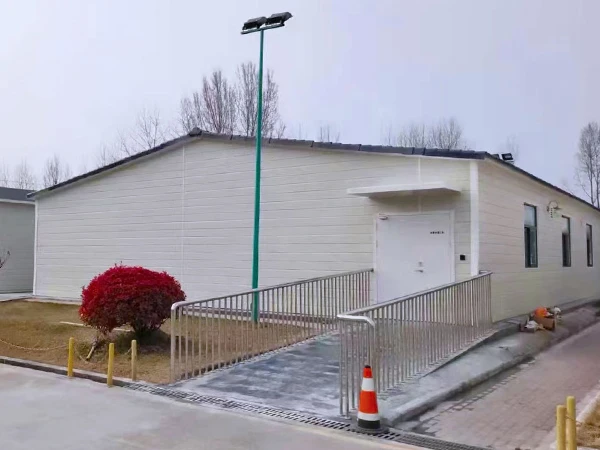
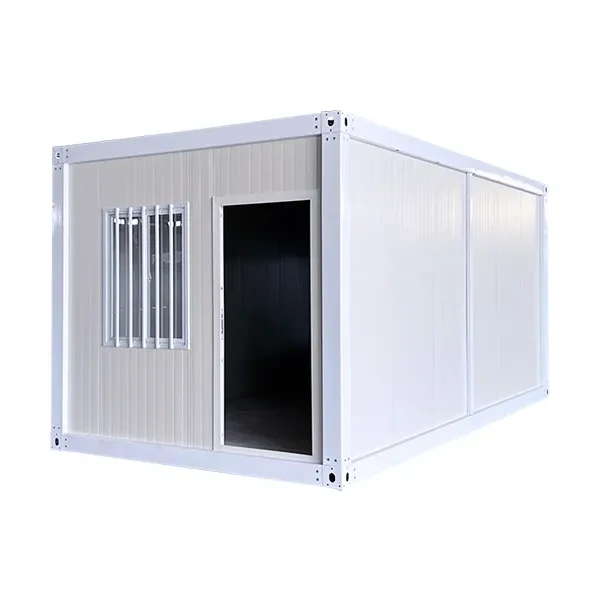
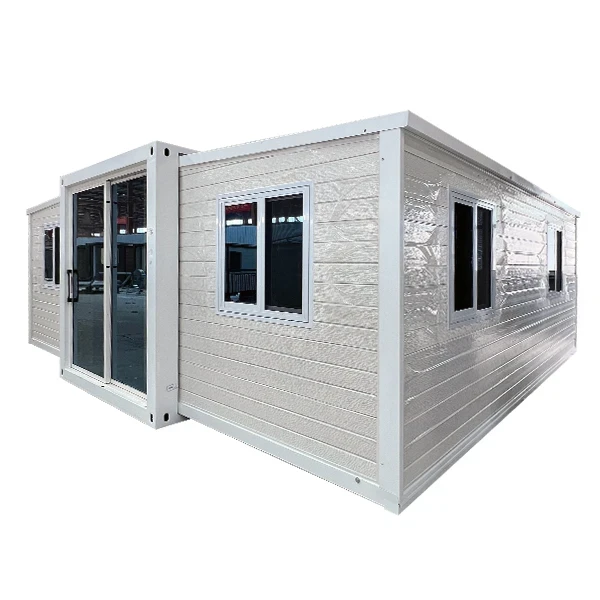
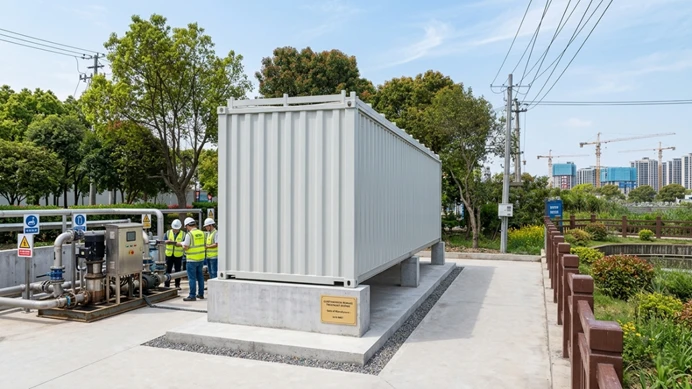
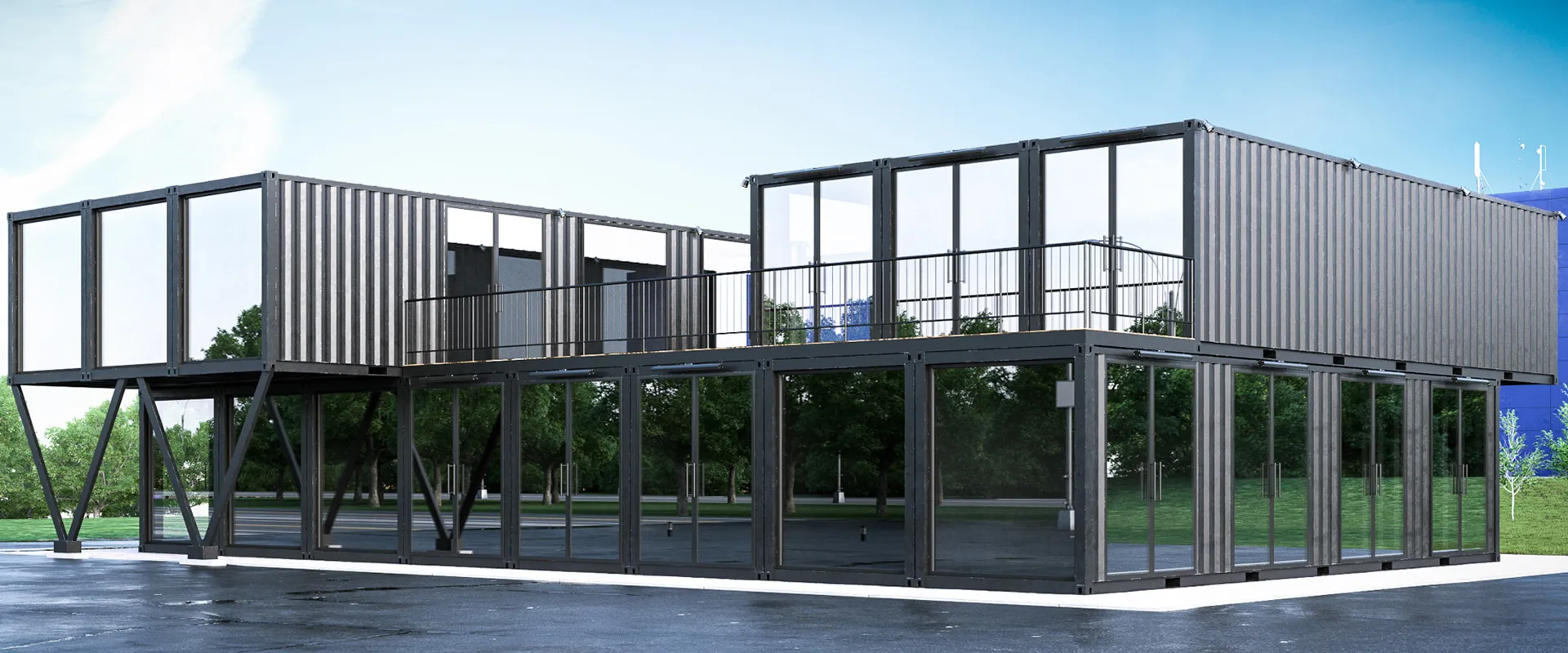
Usually, mining sites are located far from urban areas. Miners live in isolated places, like deserts or remote mountains and coasts, and work there for weeks without any nearby housing. In such a situation, modular containerized mining camps come in handy. They offer a fully prefabricated living and working environment in the form of modular units that include dormitories, dining, administrative, sanitary, and other facilities combined into standardized blocks that can be transferred to virtually any destination.
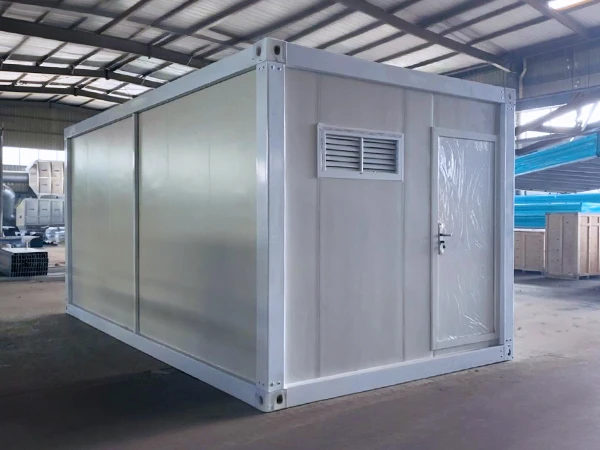
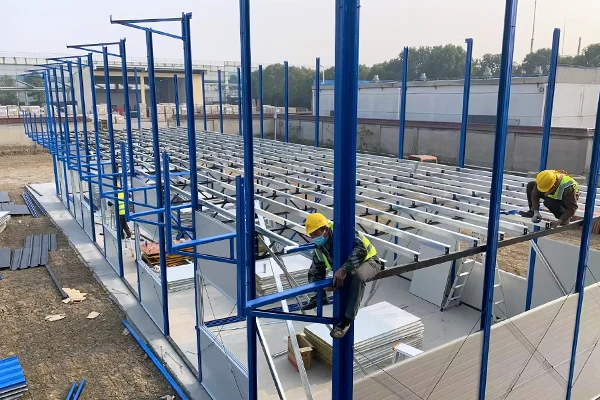
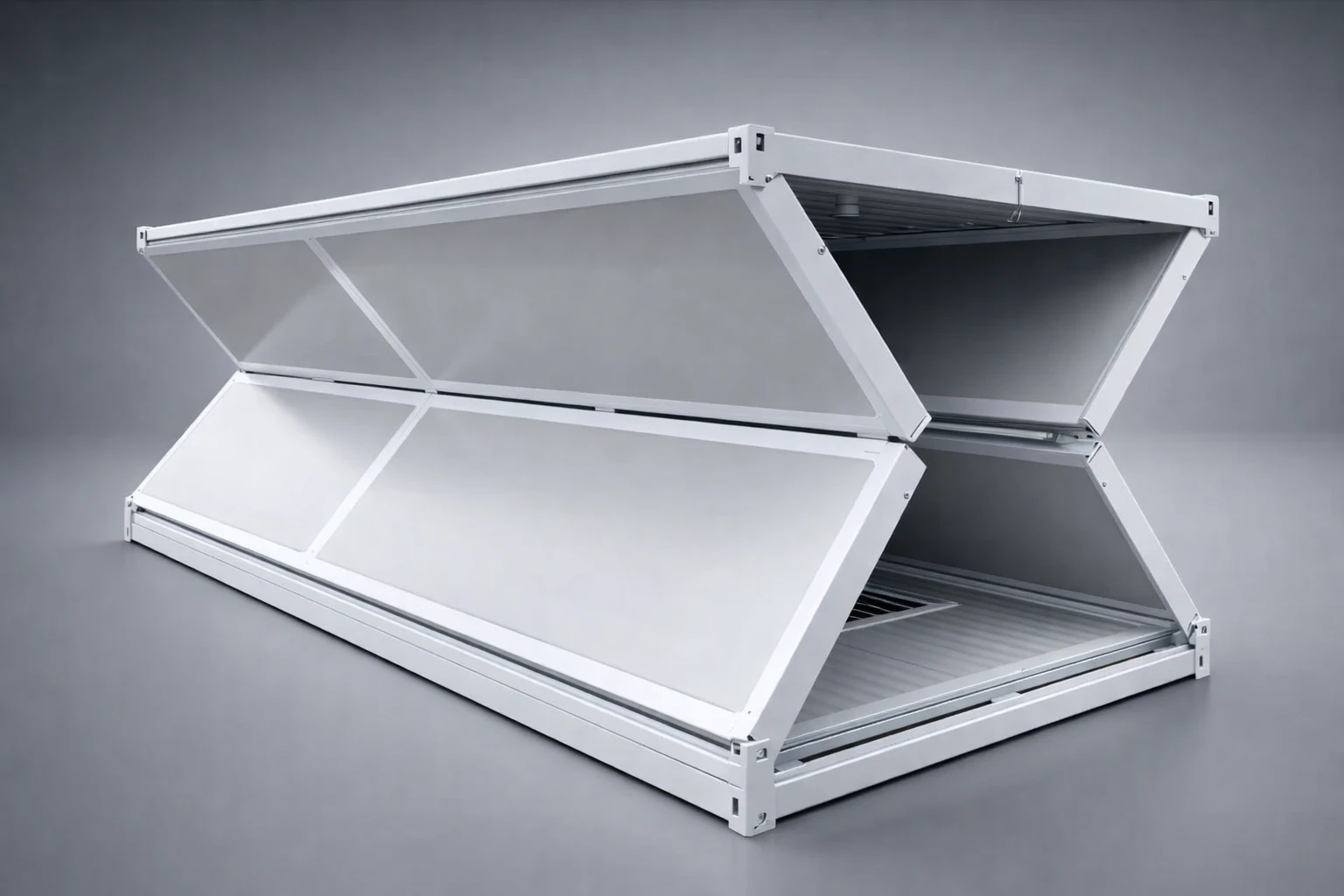
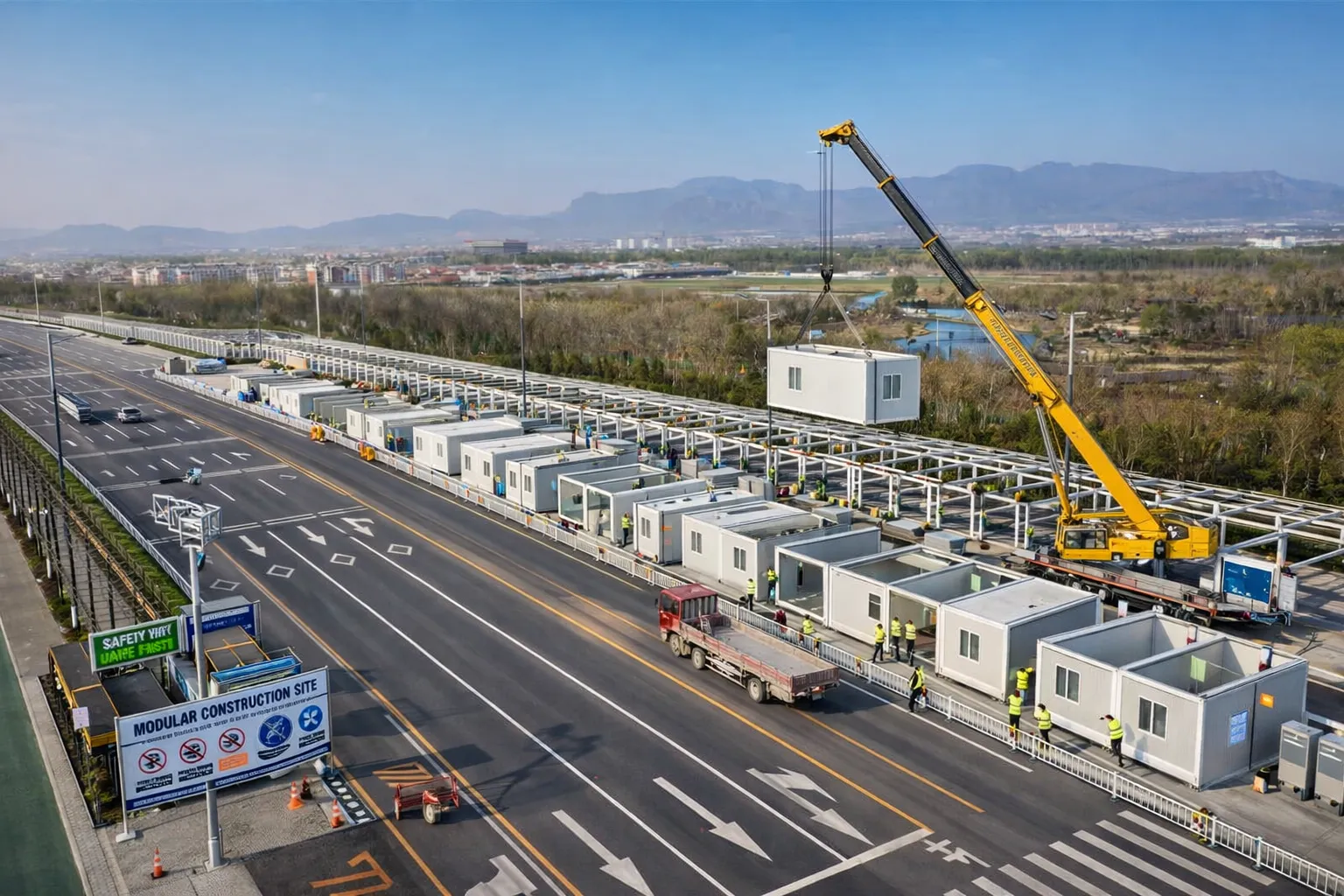
A fast modular housing solution has the advantage for mining operations and engineering, procurement and construction (EPC) contractors: how can you house, feed, and support your employees quickly, safely, and without spending months on site construction? The only right answer to these questions is prefabrication. A container mining camp is fabricated at the factory in a controlled environment, then shipped, and assembled on-site within a few days. This rapidity is very important in the very first phases when the success of a whole project depends upon the timely housing of the initial crews.
Why Mining Operators Choose Modular Container Camps
Traditional camp construction is slow and weather-dependent. A container mining camp shifts most of the work off-site, which shortens timelines and improves quality control. The table below summarizes the core advantages.
|
Feature
|
Benefit for Mining Sites
|
|
Quick setup
|
Factory-built modules assemble on-site in days
|
|
Durable structure
|
Marine-grade steel withstands harsh weather and heavy use
|
|
Portability
|
Units relocate between project phases or seasonal sites
|
|
Comfortable living
|
Insulation, HVAC, and ergonomic layouts support crew rest
|
|
Cost efficiency
|
Lower capital cost and faster return than conventional builds
|
These features go beyond simply being a convenience factor. A study conducted at the Centre for Social Responsibility in Mining, University of Queensland, revealed that facilities like private rooms and reliable internet were the things that fly-in fly-out workers at the accommodation camps valued most. So, a good plan for the construction of workforce housing at mining locations via prefabrication techniques is not simply a matter of logistics - it goes down as a very important matter since workers' level of satisfaction with the workplace and their likelihood or unwillingness to stay in the company will be strongly influenced by how good or bad the accommodation is.
Modular Unit Options for a Container Mining Camp
A complete container mining camp is really a system of specialized modules working together. Each module type is engineered for a specific function on-site, and most mining camp projects combine several at once.
|
Module Type
|
Core Purpose
|
|
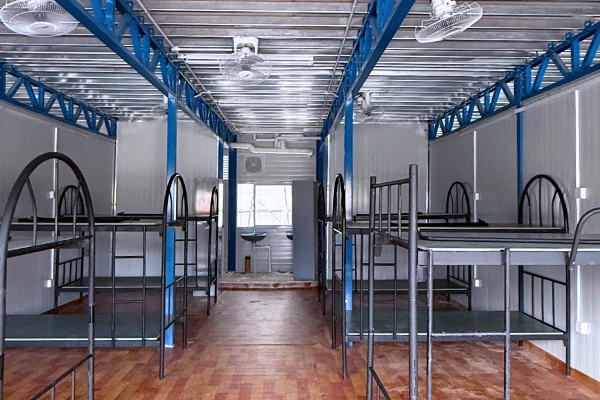
Dormitory containers
|
Single/multi-bed rooms with lockers, HVAC, and noise insulation
|
|
Canteen containers
|
Commercial kitchen fit-outs sized to shift schedules
|
|
Office containers
|
Site control rooms, IT racks, and communications hubs
|
|
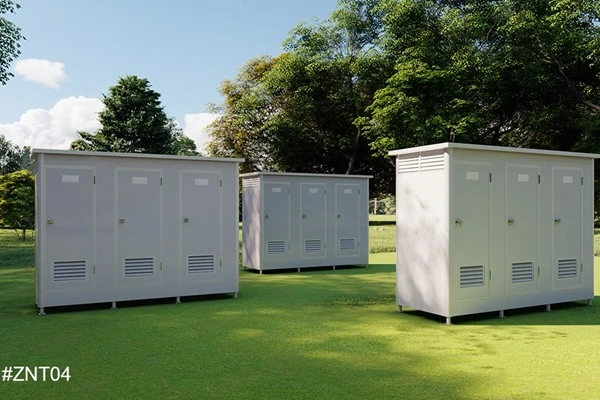
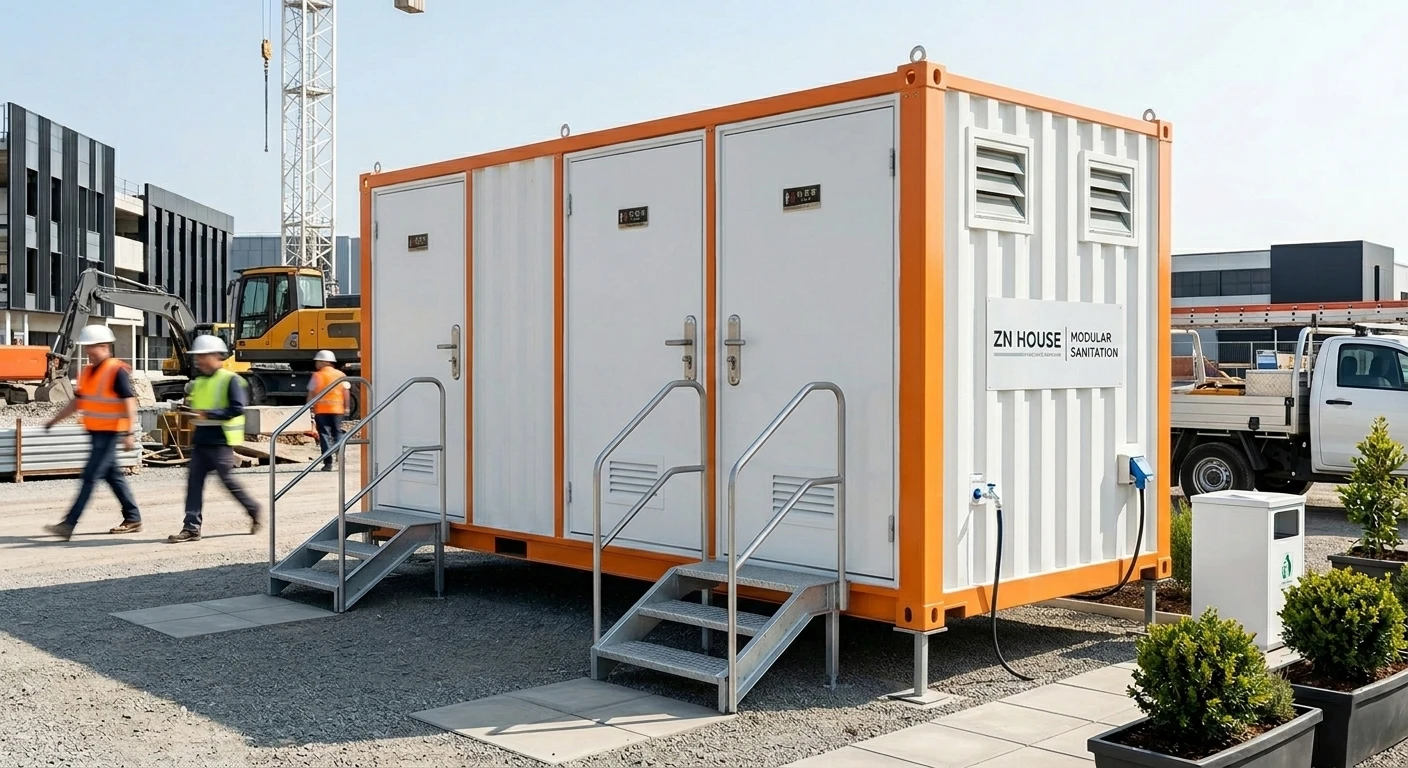
Shower & WC containers
|
Gender-segregated, hygienic sanitation with hot water
|
|
Utility & services containers
|
Power rooms, water treatment, and generator sets
|
Dormitory units typically anchor the camp, and they work best as part of a coordinated container camps layout built around shift rotation and rest quality. Canteen modules tend to follow, since food service directly affects morale during long rosters — an approach reflected in dedicated canteen container designs. Office modules, meanwhile, borrow heavily from standalone container office designs, adapted for site control and communications needs.
Sizing, Customization, and Site Logistics
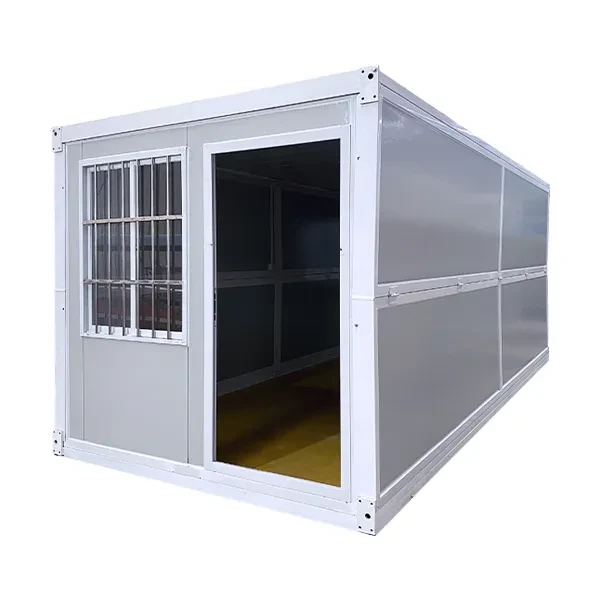
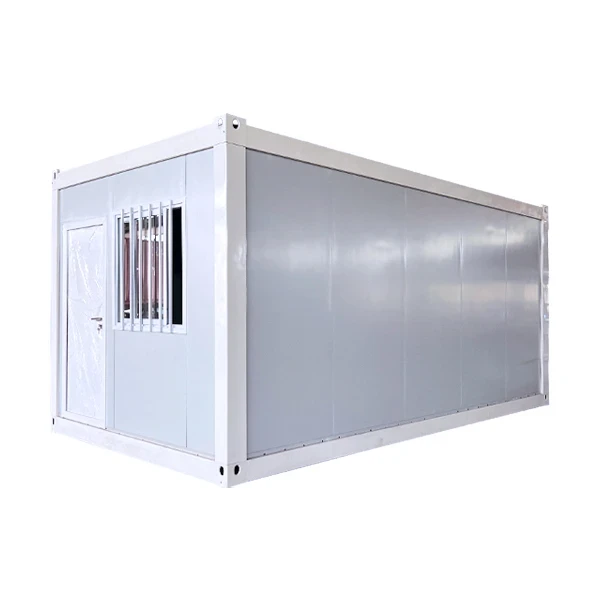
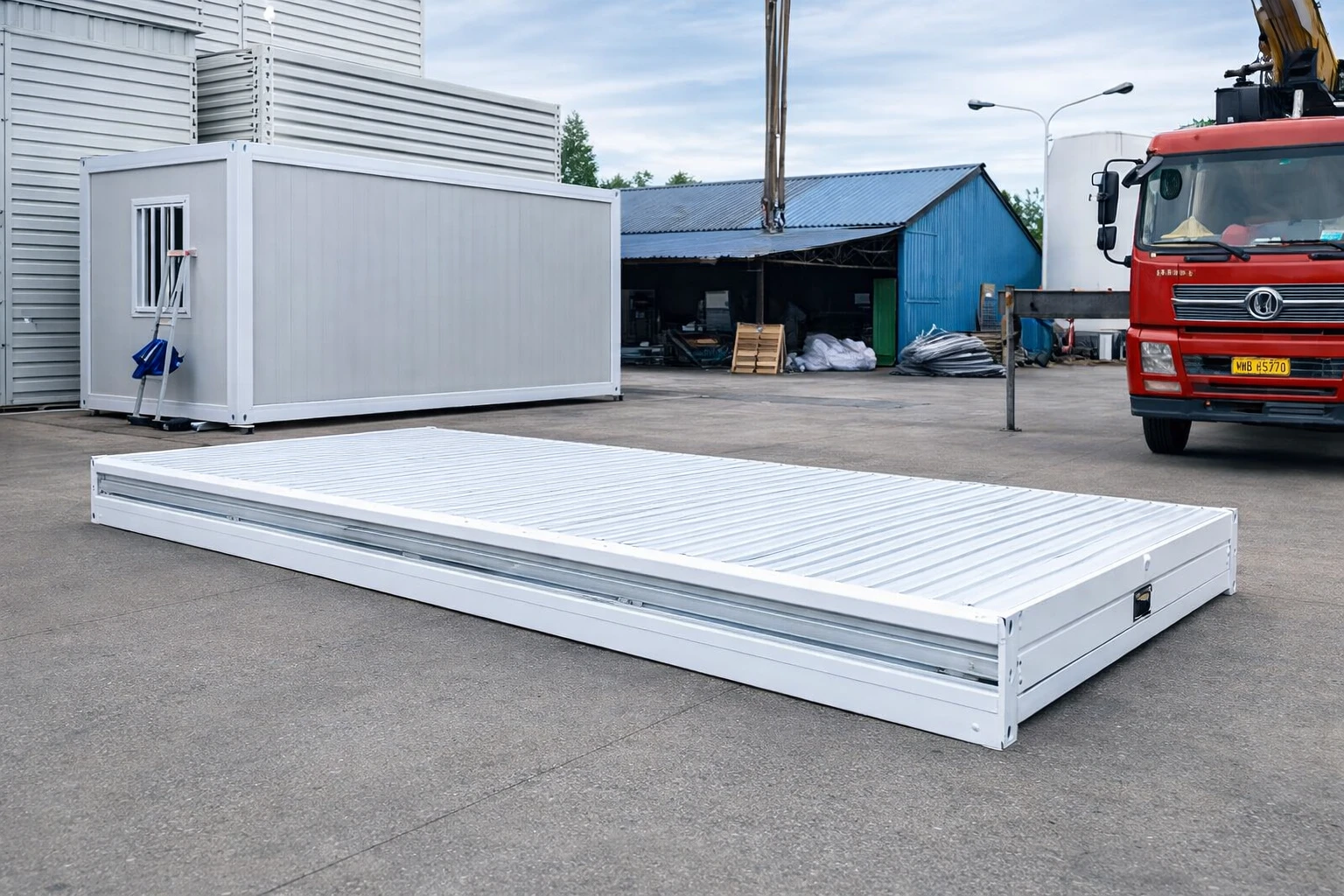
Standard 10ft, 20ft, and 40ft modules can only be stacked, linked, or combined into configurations that correspond with the size of the crew and the terrain features. The cladding, insulation, and HVAC systems, for instance, can be modified based on the climate or environment - corrosion from sea air is a factor or areas with extreme temperatures may be another. This is really important when it comes to setting up a remote mining camp, as the failure of equipment is expensive to resolve.
Shipping methods vary by site access — flatbed, low-loader, or sea freight for overseas delivery. On-site assembly generally takes from a few days to several weeks, depending on camp size and terrain. Broader prefabricated container product lines follow the same delivery logic, which helps contractors plan multi-phase mobilizations with more predictable timelines.
Safety, Compliance, and Cost Considerations
In the camping supplies industry for firefighting systems, escape routes through different exit points from a building or area are also required; slip-resistant flooring and ventilated structures are the minimum that customers who are looking for really good camping gear can expect these suppliers to offer. In case they are needed, suppliers shall have ready access to ISO, BV, and CE certificates. After all, purchasing personnel will have to do a compliance check before mobilization anyway.
Cost is another practical concern for any container mining camp budget. The table below outlines where camp spending typically goes.
|
Cost Component
|
Megjegyzések
|
|
Container modules & fit-out
|
Largest upfront cost; varies by finish level
|
|
Delivery & installation
|
Depends on site access and distance
|
|
MEP integration
|
Power, water, HVAC hookups
|
|
Ongoing operations
|
Utilities, waste management, routine maintenance
|
By moving from tents to a modular setup, a facility could save up to 50% of the running cost of each bed and, at the same time, improve safety and work output. These are results of large-scale studies. For instance, an Australian FIFO miner peer-reviewed journal paper indicated that due to poor sleep conditions of the site workers, their stress levels rose and as a result, a lot of productivity was lost yearly. This was to the tune of an approximate AUD 22M productivity loss per 1,00 workers with stress, depression, and sleep issues. The key point is that improving the sleeping conditions at work directly leads to higher productivity and that means more profit.
Case Study: 120-Bed Dormitory Camp, Papua New Guinea
A small-scale miner in Western Australia was confronted with the problem of having no workers' accommodation on site, no construction crew or materials available. Besides, the area had very poor road access, a tight time frame for mobilization, and there weren't any existing power and water facilities. Time and distance were the two significant constraints: a typical approach would be expected to be in the order of twelve weeks, which would be too long and would delay the start-up period.
ZN House offered a dormitory with 120 beds in container type and included modules such as canteen and laundry. A fully commissioned MEP system and secure storage lockers are features of this delivery package. It was assembled within about ten days after units arrived on site. The mining company had a complete working camp many weeks in advance of the original schedule that was based on construction, plus fewer transportation cycles and lower logistics costs. Eventually, a better living environment had positive effects on crew performance and operations startup occurred earlier than initially expected.
One of the main advantages of using prefabricated housing in mining projects is the ease of transport. The modules are lightweight, which helps reduce the cost and effort of transportation. Another advantage is that the modules are already constructed and installed, which eliminates the need for a skilled labor force at the site.
Frequently Asked Questions
How long does delivery and installation of a container mining camp take?
Factory lead times vary by order size, but on-site assembly typically ranges from a few days to several weeks, depending on camp scale and site access conditions.
Can container mining camps handle extreme weather?
Yes. Marine-grade steel, reinforced framing, and climate-rated insulation are standard for modules built to operate in extreme heat, cold, or coastal corrosion conditions.
What site preparation is needed before a camp arrives?
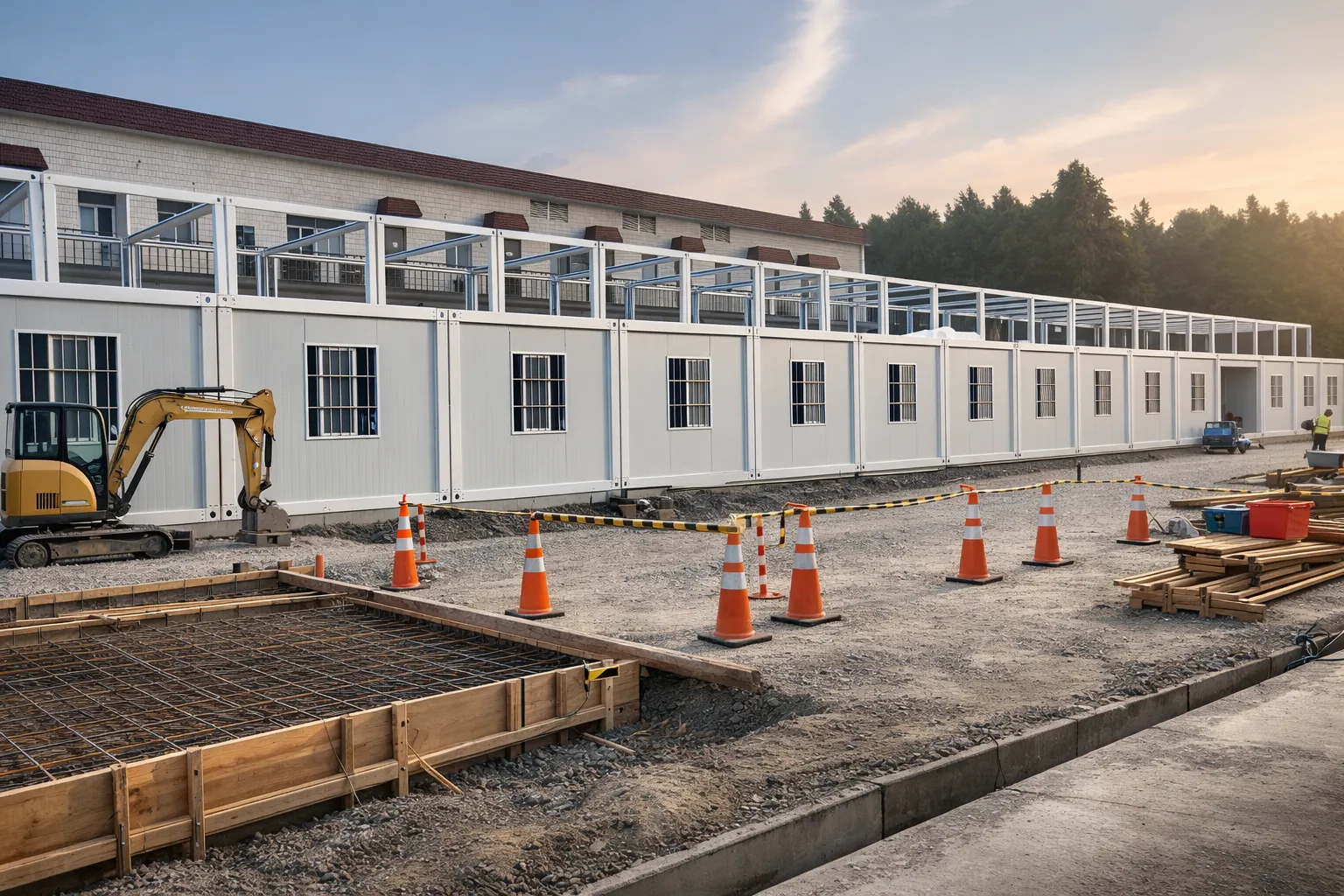
A level, compacted pad, clear truck and crane access, and proper drainage grading are the baseline requirements. Foundation choice — concrete pads or screw piles — usually depends on local soil conditions.
Ready to Plan Your Mining Camp?
By setting up a container mining camp that has all the necessary aspects covered, it not only accelerates the mobilization period but also ensures the safety and comfort of the workforce. And, it helps regulate the costs through different phases of the project, making it very cost-effective. ZN House specializes in manufacturing modular camp systems for accommodation, dining, working, sanitization, and power supply, taking into account the operational rhythms and the environmental limitations of the site.
Disclaimer: The technical data, specifications, and materials referenced in this article are based on ZN House's own manufactured container products. Actual specifications, materials, and technical details may vary by project and are subject to change; please confirm current specifications directly with ZN House before finalizing project plans.
To see a real deployment in action, watch the following video on the Container camp project in the ZN House video: