Container Construction: A Modern Approach to Fast, Durable, and Modular Building
The construction industry is continuously progressing to provide greater efficiency, rapid construction methods, and sustainable means of providing these methods of construction. One such development is Container Construction, which provides an effective, scalable solution for Residential, Commercial and Industrial types of structures and utilizes Modular Engineering and Prefabricated Manufacturing Technologies to offer significant advantages to traditional Construction methods by providing rapidity, lower costs, and greater flexibility when compared with traditional building methods.
What Is Container Construction?
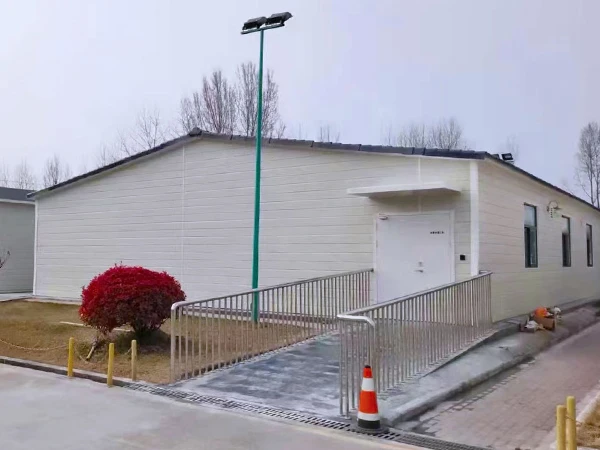
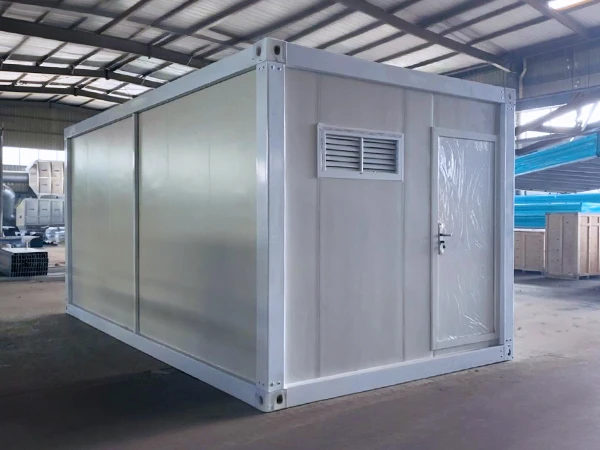
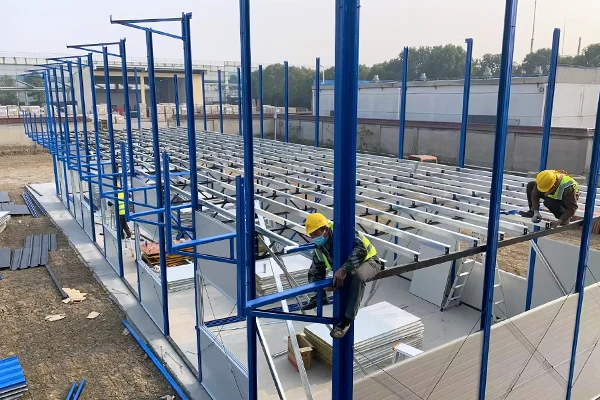
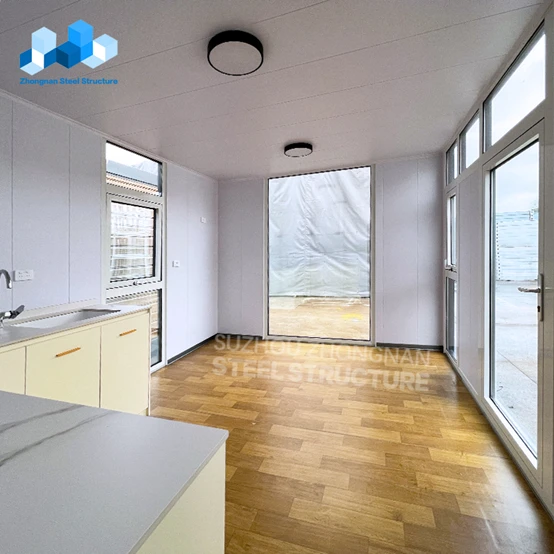
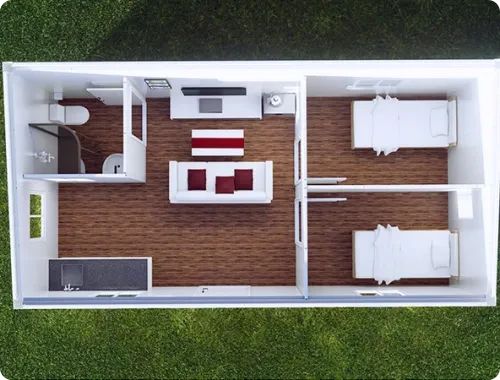
Using prefabricated container units to construct buildings is known as ‘Container Construction’. The container units are typically constructed out of steel frames and modular pieces and are built inside a factory under controlled conditions. Then, they are shipped to the site for fast installation.
In contrast to typical methods of construction, most of the work required in container construction takes place in a factory before delivery; thus, there is superior quality control, fewer delays, and less need for labour. Also, once the units are delivered, they can usually be installed within just a few days of delivery.
Key Principles of Container Construction
Container Construction's engineering strategy, which combines prefabrication, modular design, and structural durability, is what makes it so successful.

Modular Design System
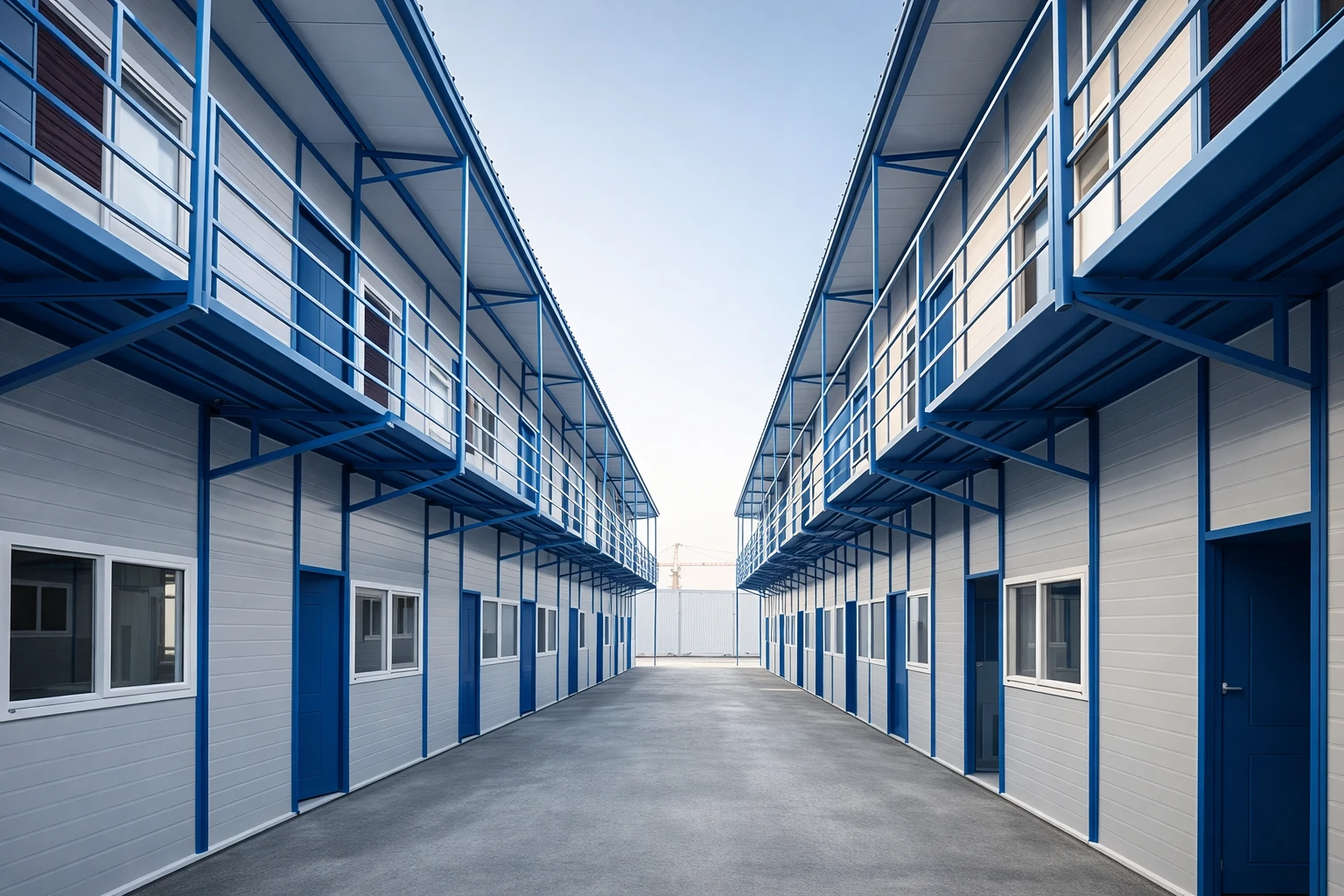
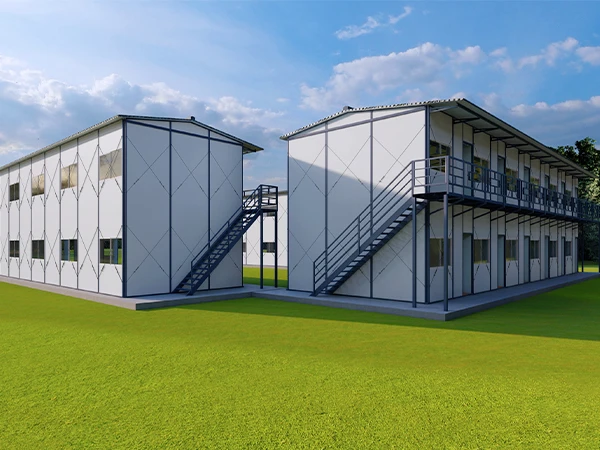
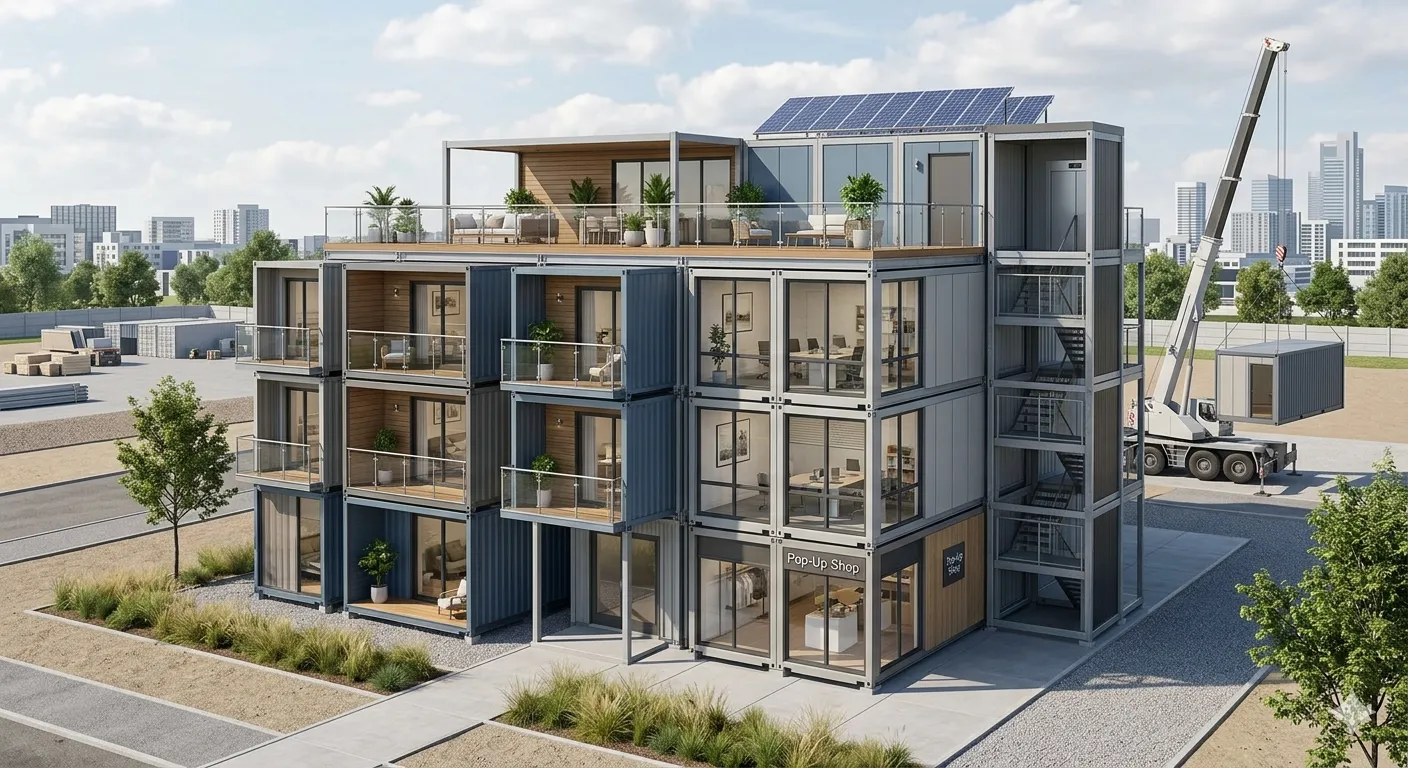
Modular units used to create container construction can be joined horizontally or stacked vertically. This flexibility lets builders build a range of structures, including single-unit housing to multi-unit buildings, all while maintaining the building’s structural integrity.
Factory-Based Production
The majority of construction materials, such as ceilings, walls, floors, and roofing systems from which a home can be built, electrical, plumbing, etc., are factory-manufactured. This controlled construction process maintains uniform quality and minimizes construction mistakes.
Steel Structural Framework
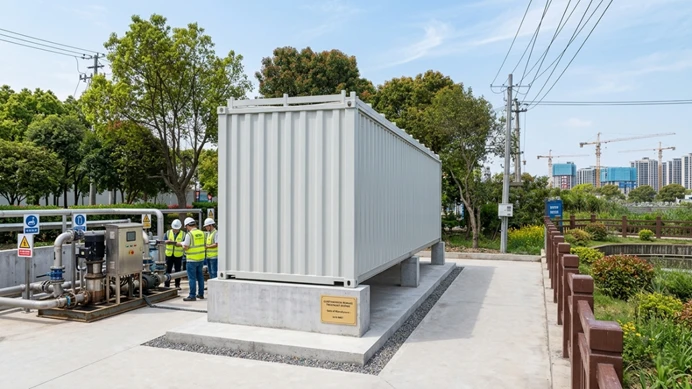
Structures made from containers utilize a galvanized or reinforced steel frame and therefore have excellent load-bearing abilities. In addition, these types of enclosed container buildings have been engineered to withstand extreme temperatures, winds, and heavy accumulations of snow.
Advantages of Container Construction
The efficiency and performance of container construction are among the primary factors contributing to its widespread use.
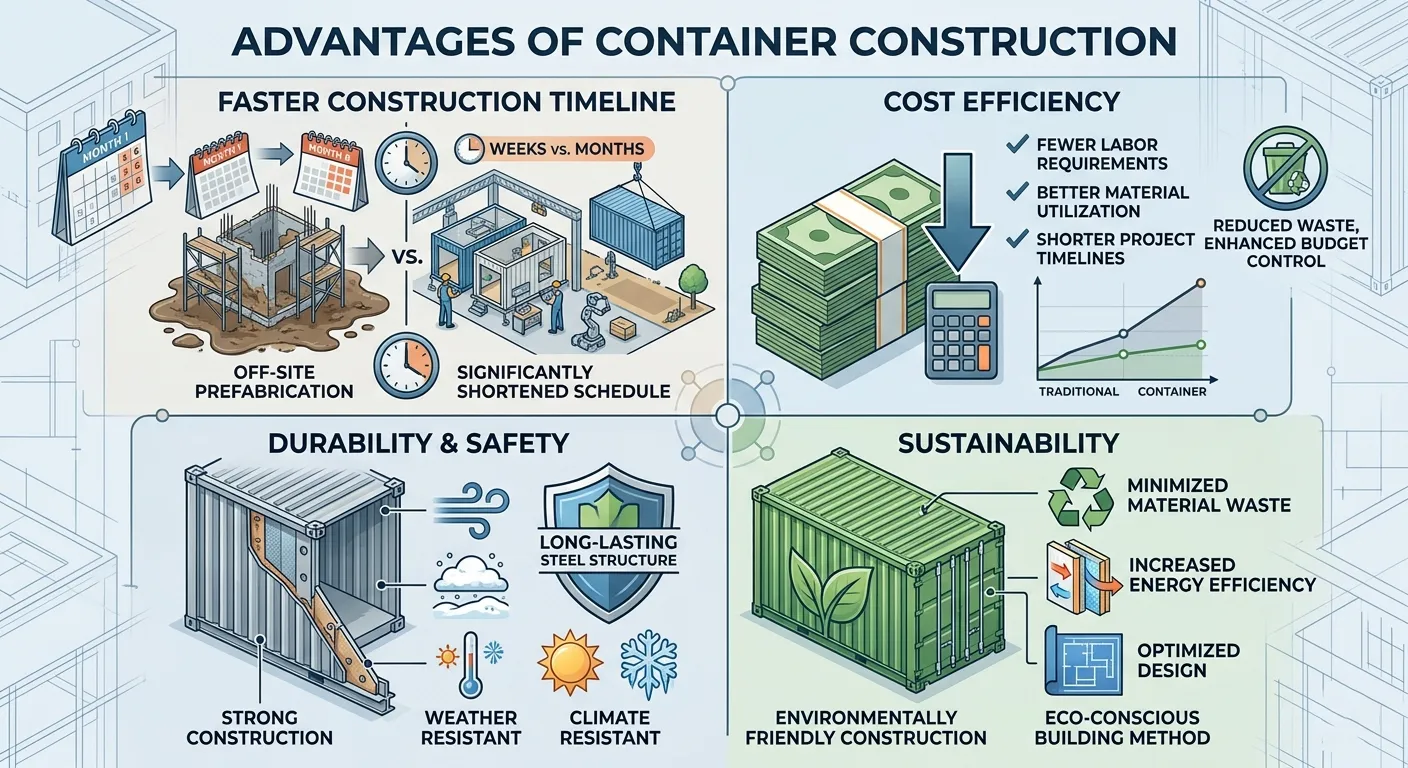
Faster Construction Timeline
Construction time is greatly shortened because the majority of the work is done off-site. It is frequently possible to finish projects that typically take months in a matter of weeks.
Cost Efficiency
Lower overall costs are a result of fewer labor requirements, better material utilization, and shorter project timelines. Additionally, prefabrication reduces waste, which enhances budget control.
Durability and Safety
Container structures made of steel are made to be strong and long-lasting. They are suitable for a variety of climates due to their high resistance to environmental stress.
ಸುಸ್ಥಿರತೆ
By decreasing material waste and increasing energy efficiency through insulated panels and optimized designs, container construction encourages environmentally friendly construction.
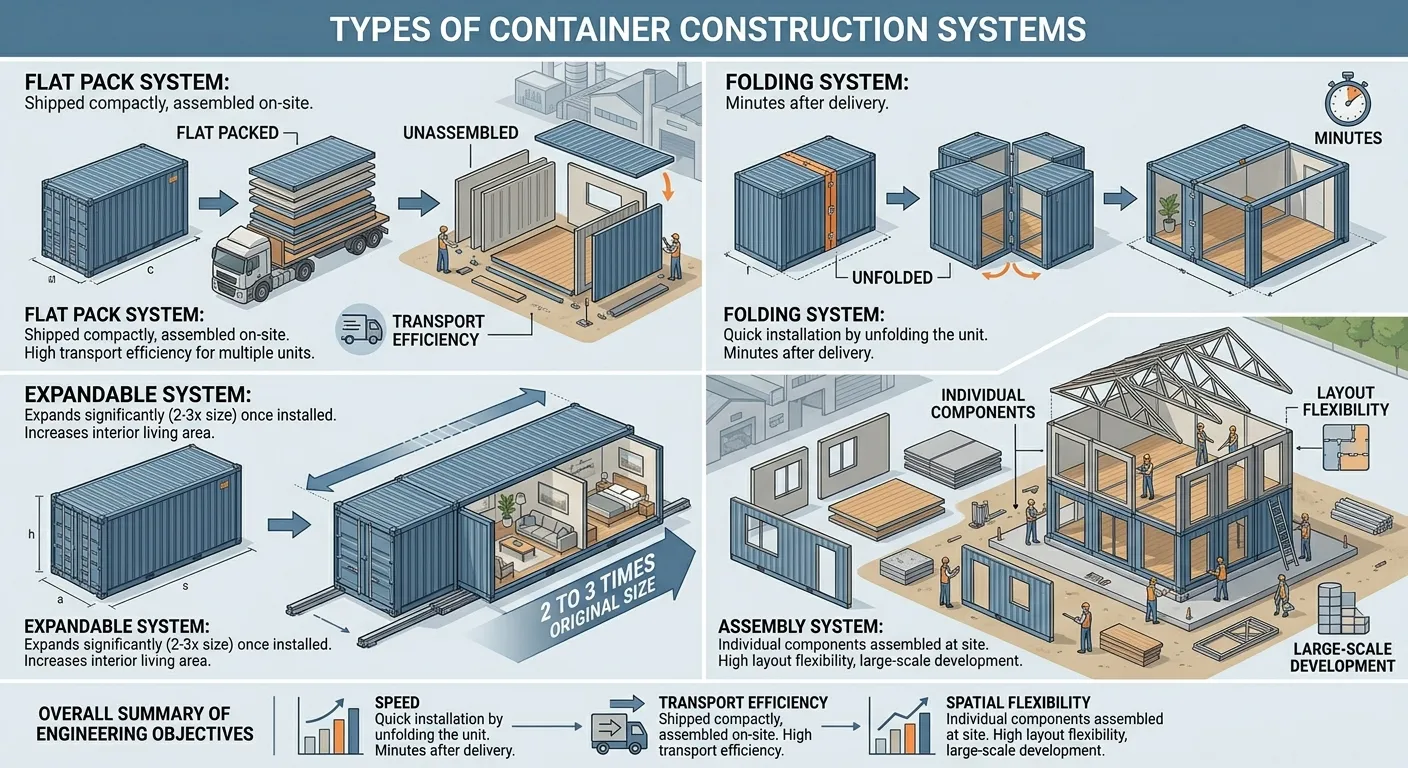
Types of Container Construction Systems
Today's Modular Container Construction encompasses many different modular systems that are developed for different design requirements.
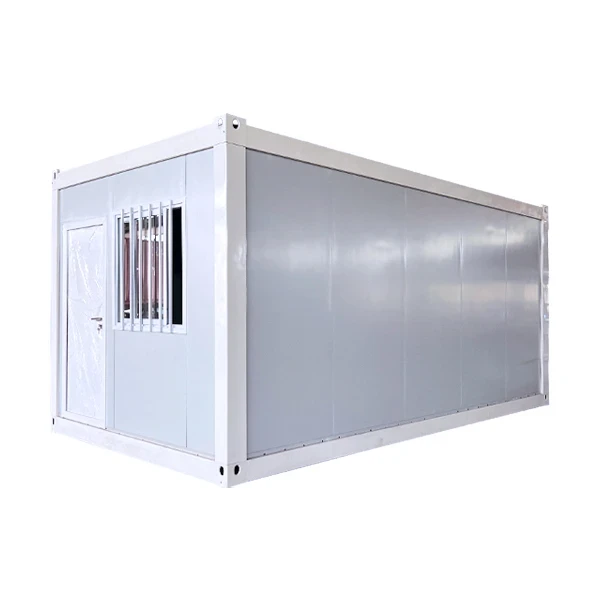
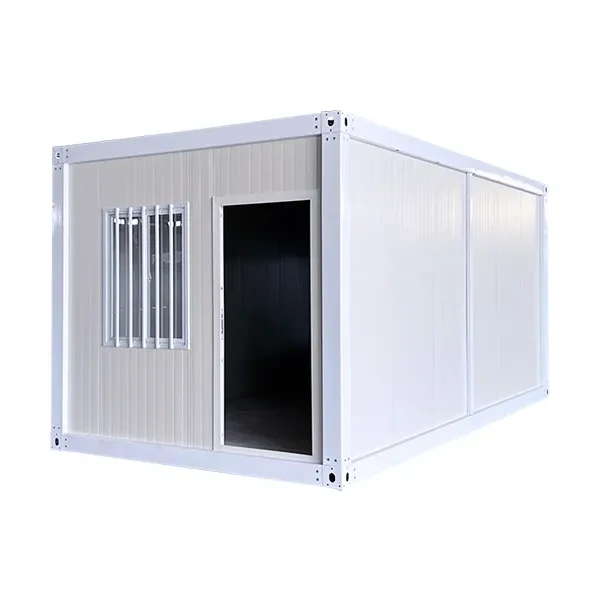
The Flat Pack System focuses on the transportation and efficiency of multiple units shipped compactly and then assembled once on-site.
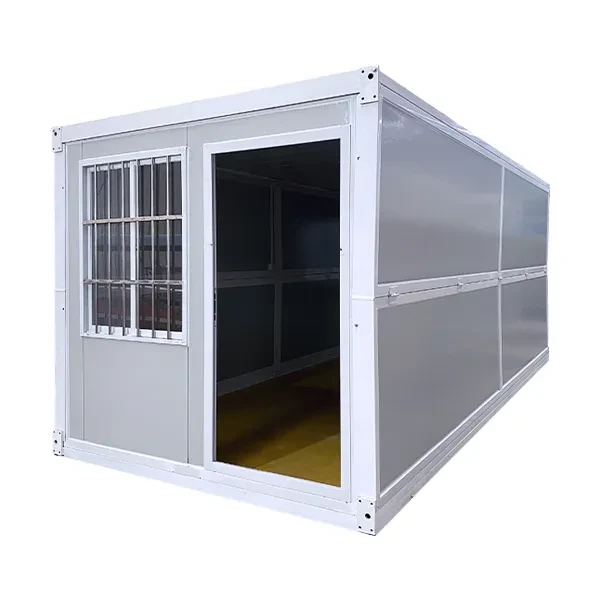
The Folding System is created to allow for quick installation by unfolding the unit and installing it within a matter of minutes after delivery.
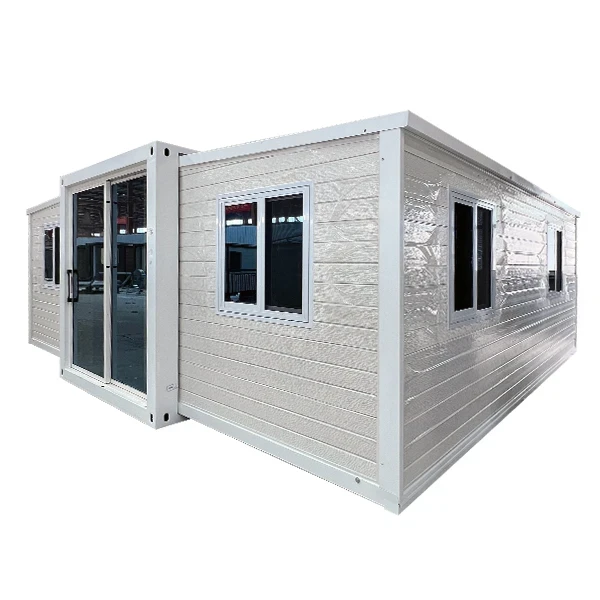
The Expandable System expands significantly once installed—usually expanding to 2 or 3 times their original size—and ultimately increases the interior living area of the unit.
The Assembly System will involve providing individual components that must be assembled at the installation site, allowing for layout flexibility and large-scale development.
Overall, each modular system has a different engineering objective, i.e., speed, transport efficiency, or spatial flexibility—the choice will depend on the project at hand.
Applications of Container Construction
Container construction can be used in nearly all project sectors and so has a wide range of applications across different types of projects and industries.
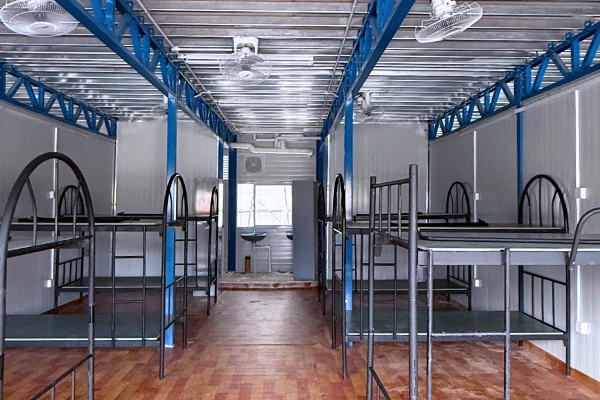
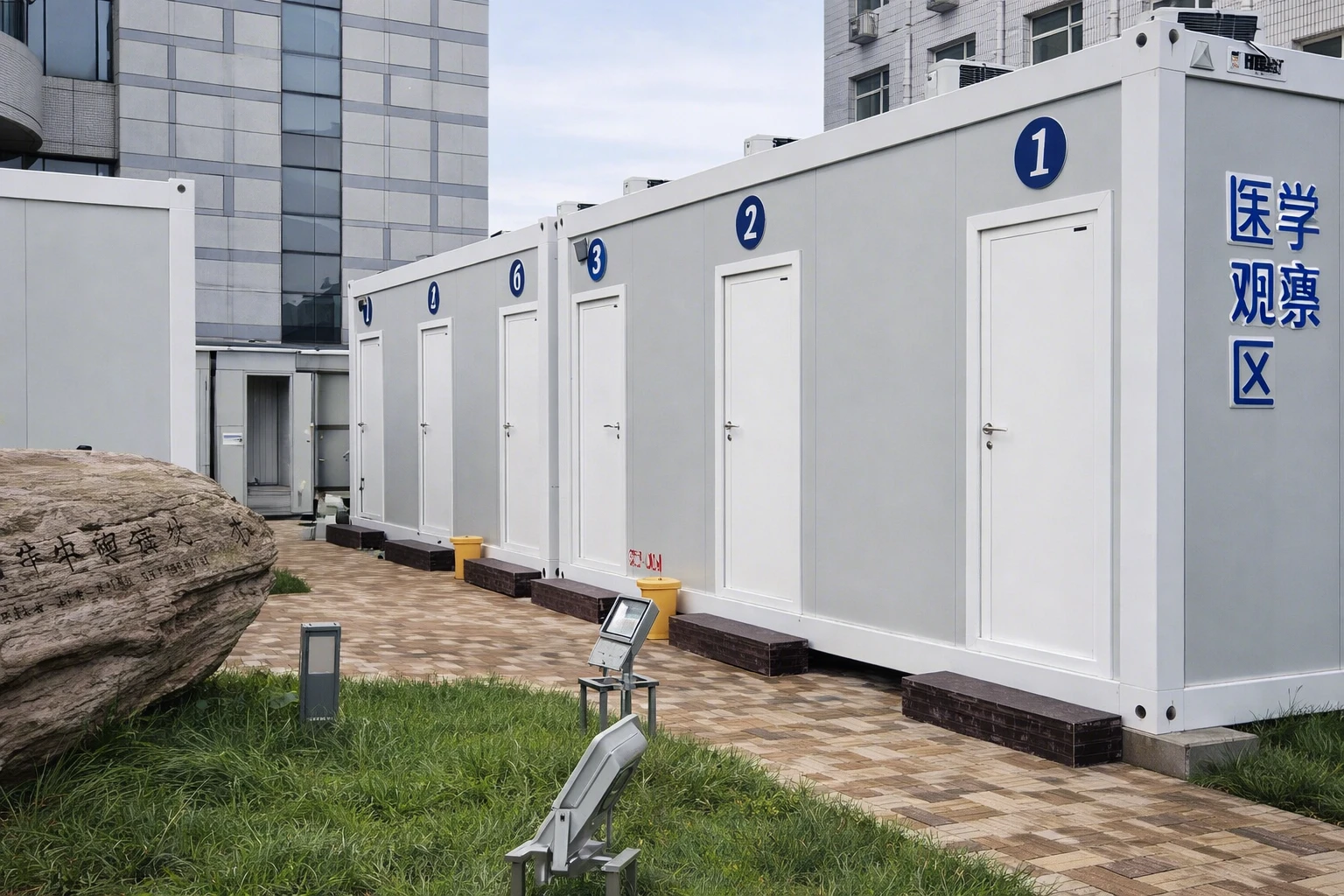
Container construction is used primarily in portable housing, construction camps, and mining camps for quick deployment when necessary. In the education industry, container classrooms can be set up quickly and may be expanded at any time. Examples of commercial use include offices, retail shops, and pop-up shops, while examples of residential use include single-family homes, multi-family developments, and so forth.
In emergencies (such as natural disasters), the use of container construction provides a reliable and fast solution for sheltering victims during an emergency situation.
Quality Control and Engineering Standards
The ability of container construction to deliver consistent quality through factory-controlled manufacturing processes is one of its major benefits. All components in any project are created according to a standard process so that they are manufactured to the same level of accuracy and quality as each other.
Many manufacturers of container systems will design their systems to meet international codes, allowing containers to be utilized worldwide in different environments. Additionally, most advanced systems have electrical wiring, plumbing, and insulation pre-installed, minimizing the complexity of on-site installations. Confirmation and testing of structural suitability and materials will also help ensure the structural integrity of containers for use within their life expectancy.
Long-Term Value of Container Construction
In addition to the upfront cost savings, there is also significant long-term value in using Container Construction as an option. Because the structures can be relocated, expanded, or repurposed due to the modular nature of Container Construction, they provide a lot of flexibility in meeting the needs of a project as it evolves.
In addition to low maintenance costs, Container Construction is inherently more durable than traditional buildings due to the high quality of the materials and the efficient layout used to design the modular units, which can result in much lower ongoing maintenance costs compared to conventional construction methods. Therefore, Container Construction is a cost-effective solution for both short- and long-term projects.
Conclusion
The design and delivery of buildings will change dramatically with container construction. With the unique combination of modular engineering, prefabrication techniques, and high-quality materials, container construction provides a quick, flexible, and economical way to construct buildings when compared to traditional construction methods.
As more people around the world want efficient and sustainable options for building, container construction will be an important part of the future of the construction industry.
Start Your Container Construction Project with ZN House
ZN House offers engineered modular solutions for all types of use cases for Container Construction projects. They assist with all phases of the design and delivery process and provide a comprehensive and efficient method of executing high-quality construction aligned with today's construction requirements. For more information about their custom container construction solutions, please reach out to ZN House directly.
Disclaimer: This article provides general information about container construction. The practices described in this article reflect Container Construction's best practices, including the solutions available from ZN House. Actual specifications, materials, and performance will vary depending on the requirements of each project, local legislation, and any customizations. For specific technical advice and/or to receive consultation on your project, please contact ZN House.
Watch the short video on the container house site installation of ZN House: