Modular House: The Future of Flexible, Sustainable, and Fast-Built Living Solutions
Introduction
Modular building systems have become increasingly popular throughout the world due to the increase in global demand for quicker, cheaper, and more environmentally friendly ways to build. The modular house is one of the most effective and scalable types of modular building systems that meet residential, commercial, and temporary facility requirements.
I am currently the Business Development Manager for ZN House, which specializes in modular and container-style construction projects around the world, and I have more than seven years of experience working in these types of construction. I have been involved directly with project planning, technical coordination and on-site deployment of modular housing systems. This includes large-scale workforce housing, as well as smaller residential modular communities. This article combines technical knowledge gained from directly overseeing large-scale modular deployments.
What is a Modular House?
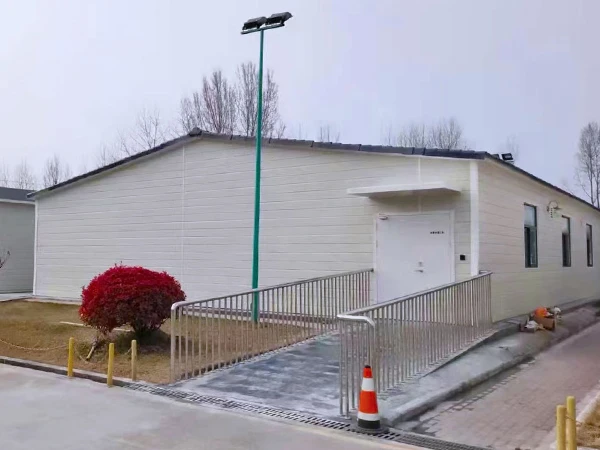
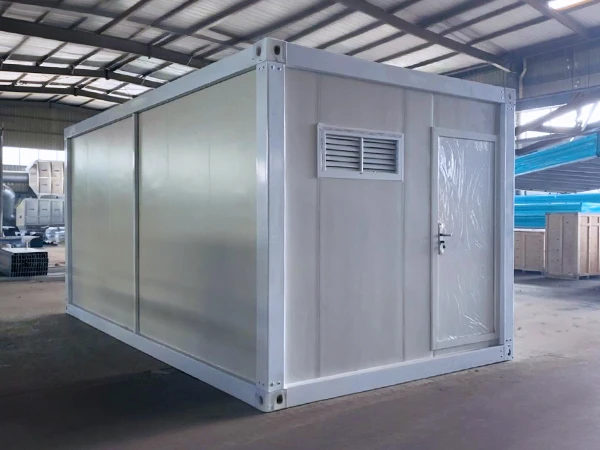
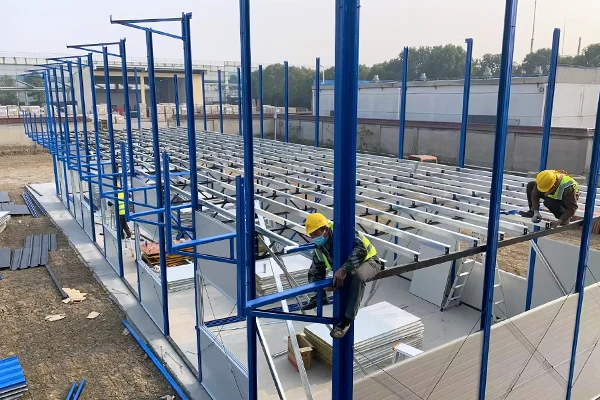
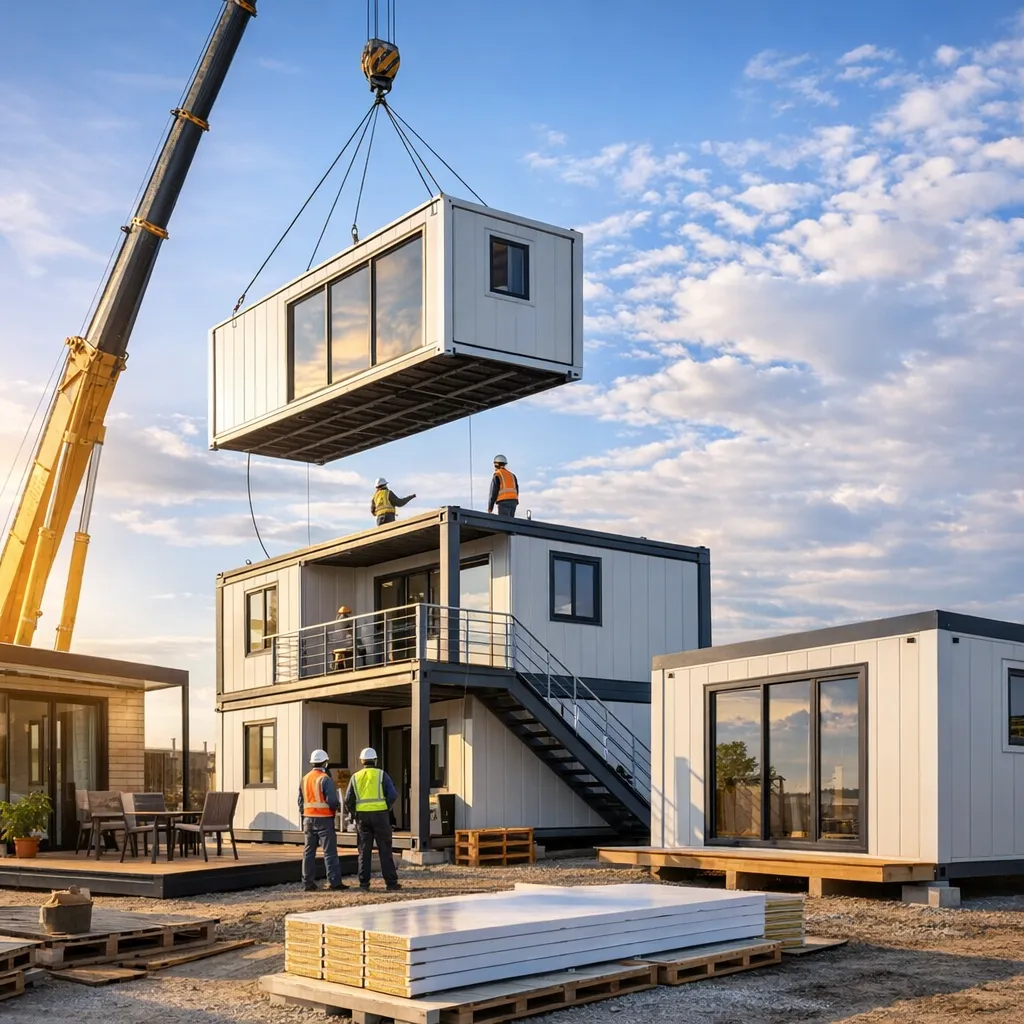
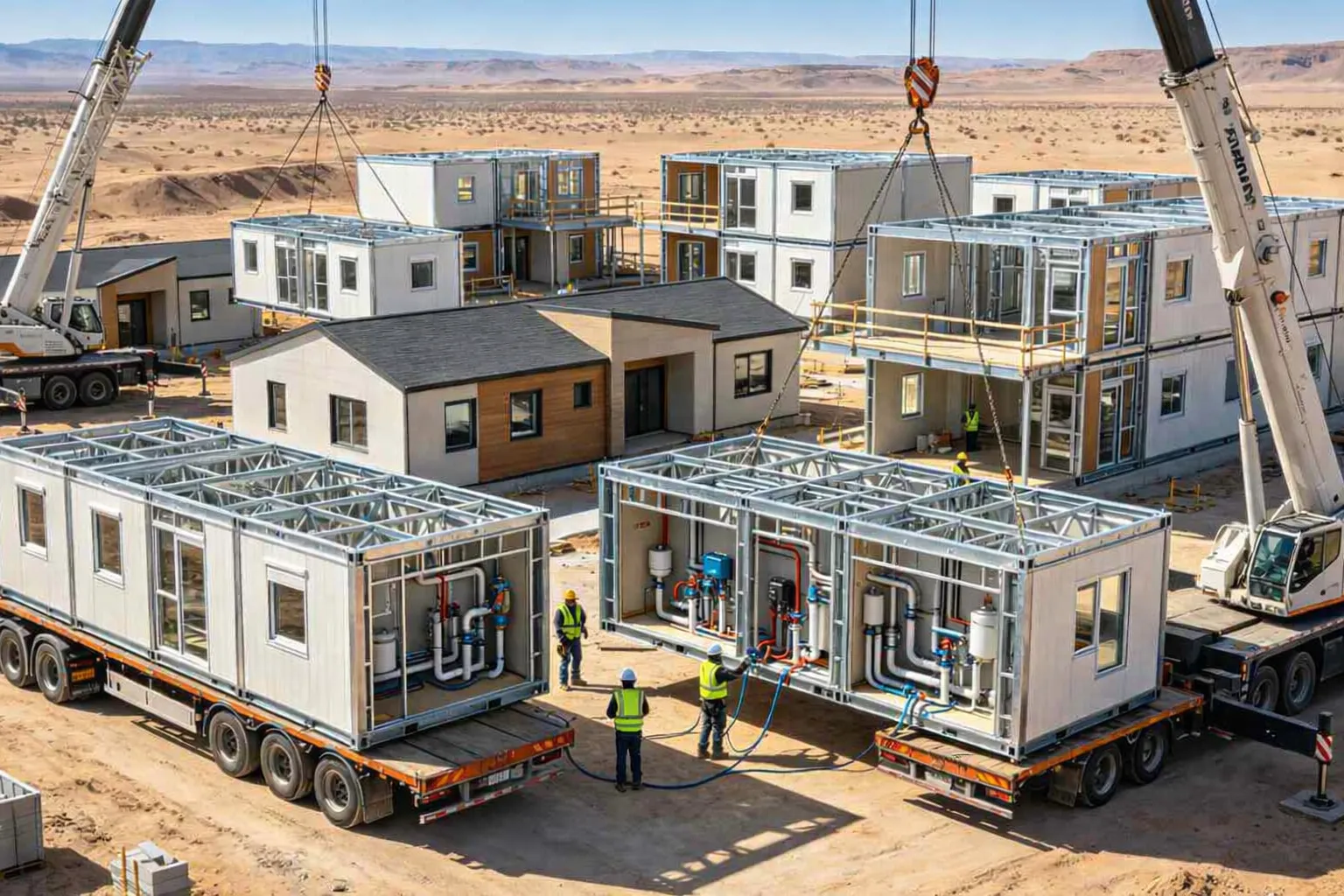
A modular home is a kind of prefabricated building made of several separate components (modules) which are manufactured in a controlled indoor factory setting and then transported to the building site where they are assembled. These modules are created to join flawlessly with each other in order to make a house that complies with both residential and commercial building codes. Modular housing saves significant time and labour on-site compared to traditional construction; it also reduces waste and cuts project times down.
Gould Construction Institute cites that industrialised construction methods, such as modular building, save up to 50% of overall construction time, while also improving cost savings and quality control (Gould, 2025).
Likewise, UN-Habitat states that modular housing will be one of the major solutions for helping to solve the global housing crisis due to rapidly growing populations and increasing urbanisation (UN-Habitat, 2020).
Key Features of Modular Houses
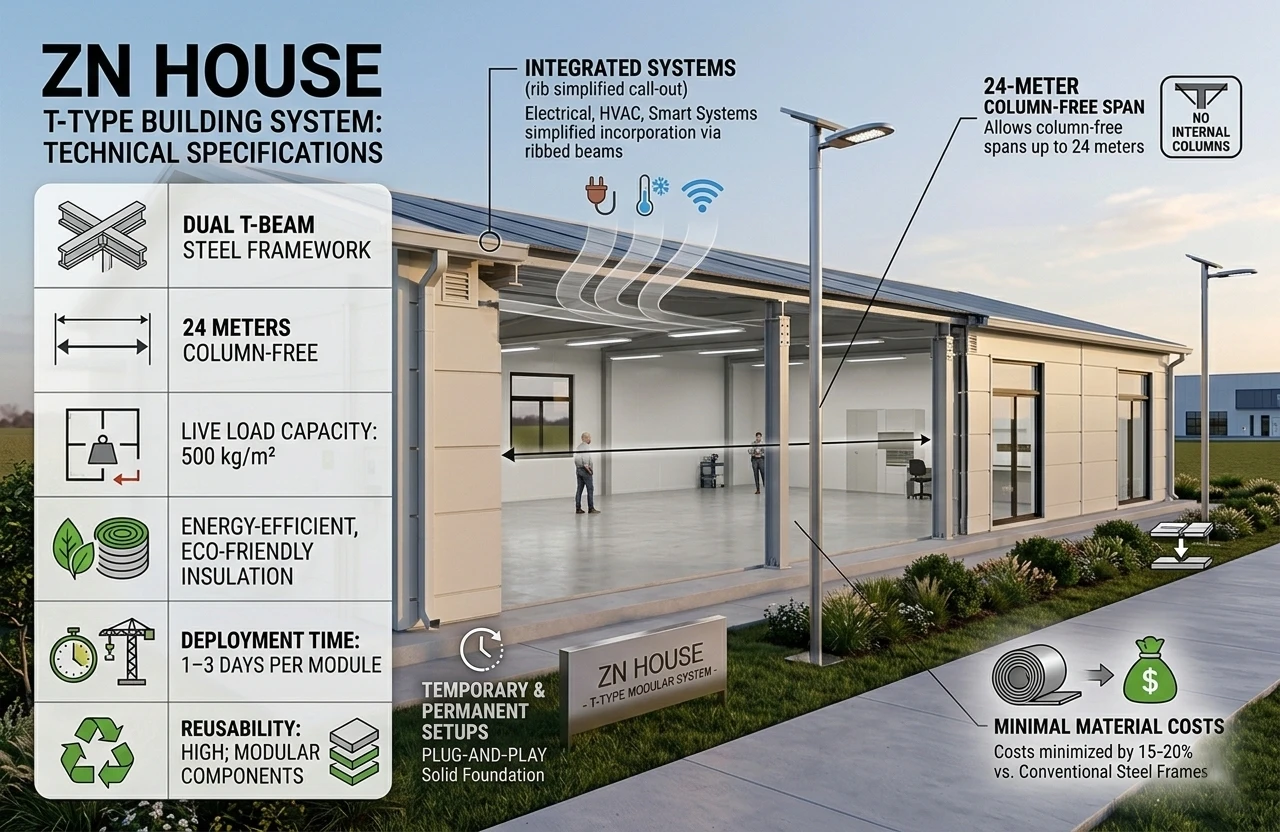
Modern modular systems, like those that use modular containers, are built to last, work well, and be flexible.
|
Feature
|
Description
|
Benefit
|
|
Factory Prefabrication
|
Modules are built in controlled environments
|
Higher quality control & reduced defects
|
|
Шуурхай угсралт
|
On-site installation using pre-engineered units
|
Short construction timelines
|
|
Structural Flexibility
|
Units can be stacked or expanded
|
Scalable for future needs
|
|
Thermal Insulation
|
Wall panels with insulated materials
|
Energy efficiency & comfort
|
|
Transportability
|
Modules are designed for shipping
|
Easy relocation or reuse
|
Table 1: Core Features of Modular House Systems
Because of these features, modular systems are great for projects like housing camps, remote offices, disaster relief shelters, and permanent residential communities.
Types of Modular Houses
Modular housing is not suitable for every person. Modular residences can be constructed in a variety of configurations and for many uses, so every project may have its own requirements.
|
Type
|
Description
|
Typical Use
|
|
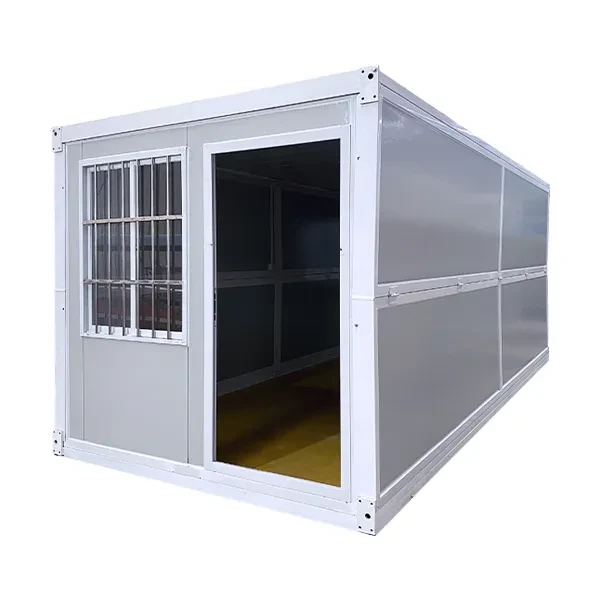
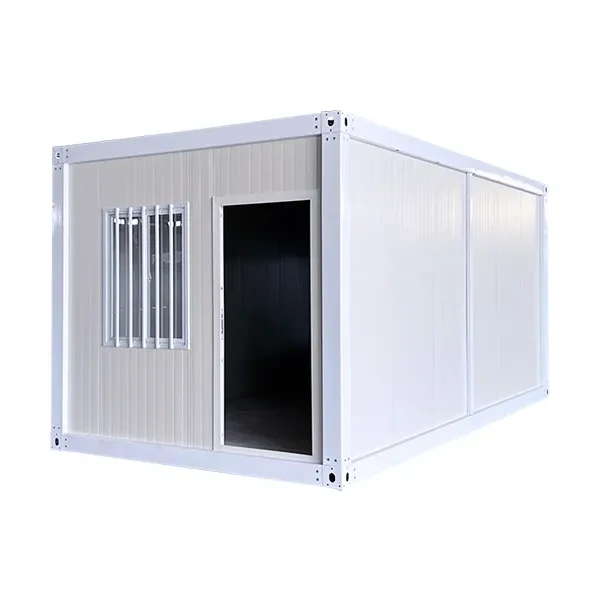
Flat-Pack Modular House
|
Collapsible structure for easy transport
|
Temporary housing, camps
|
|
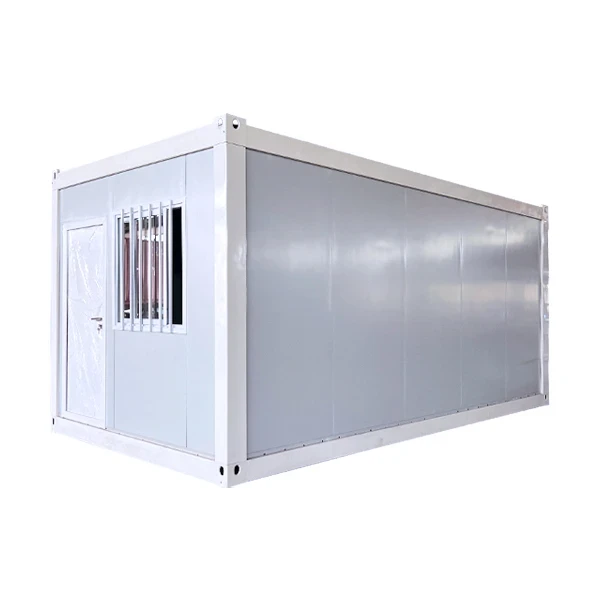
Container-Based Modular House
|
Built using steel container frameworks
|
Residential and commercial units
|
|
Hybrid Modular Systems
|
Combination of steel, sandwich panels, and concrete
|
Permanent housing projects
|
|
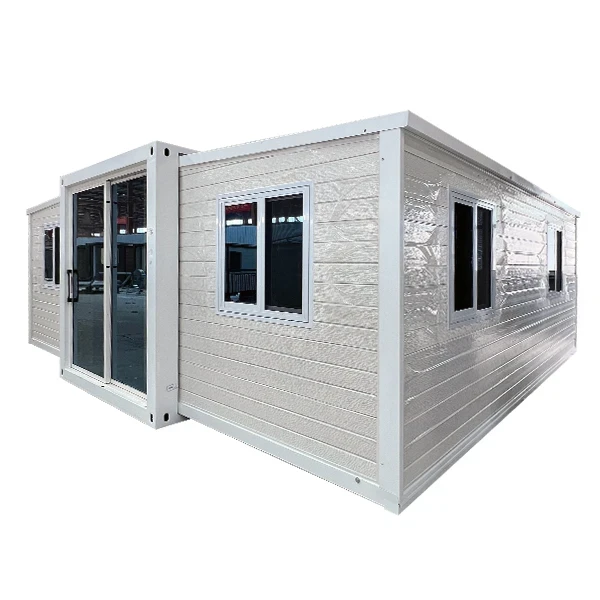
Expandable Modular Units
|
Units that expand after installation
|
Mobile offices, emergency housing
|
Table 2: Common Types of Modular Houses
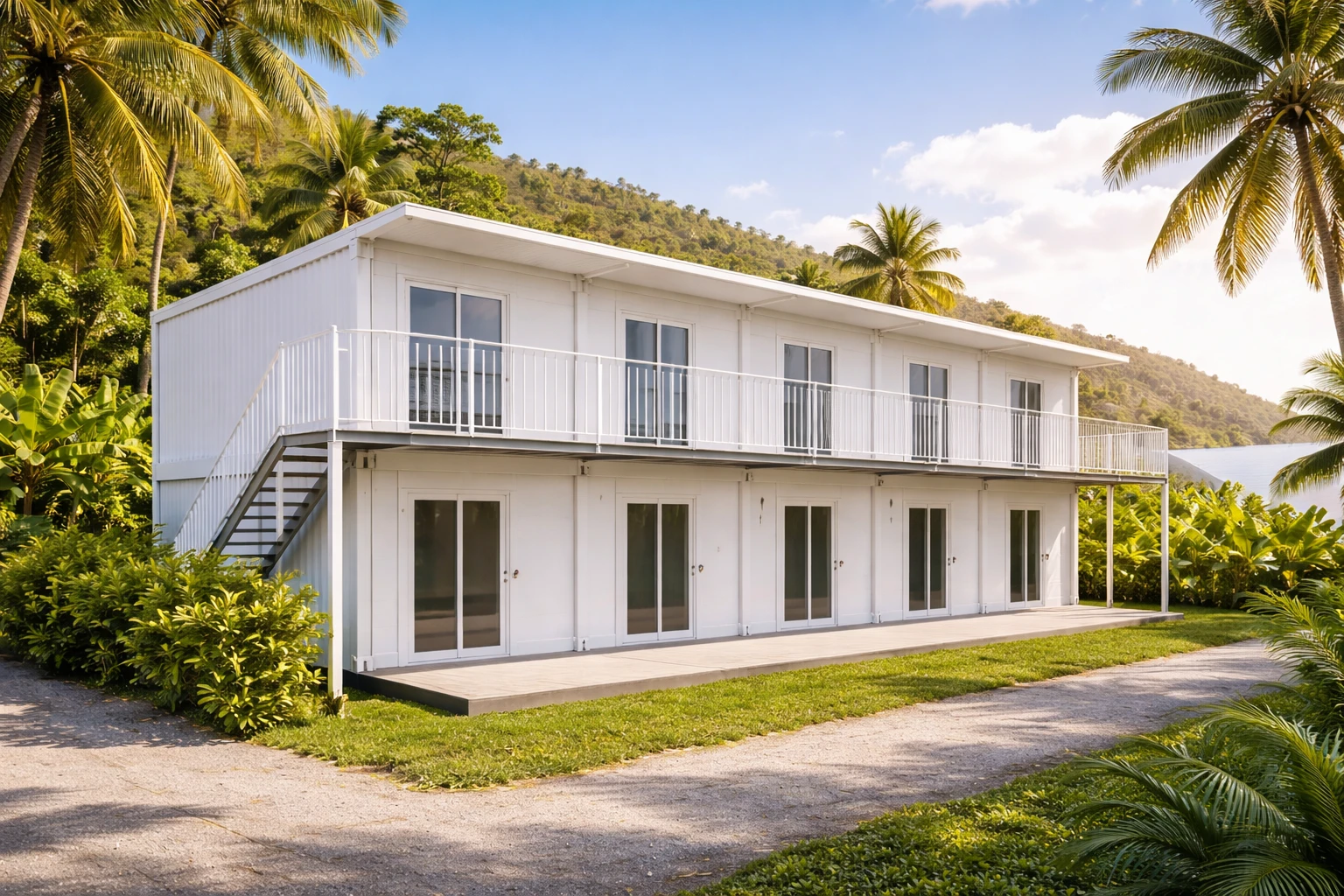
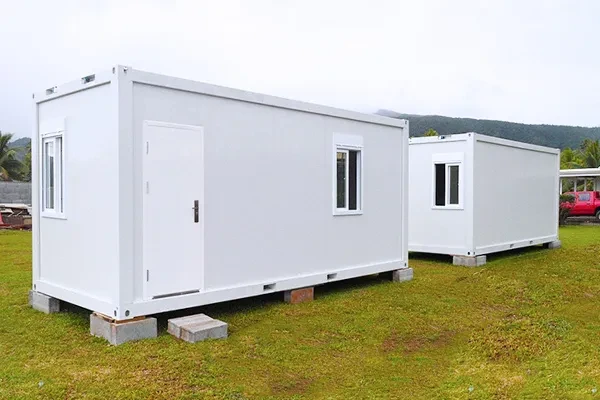
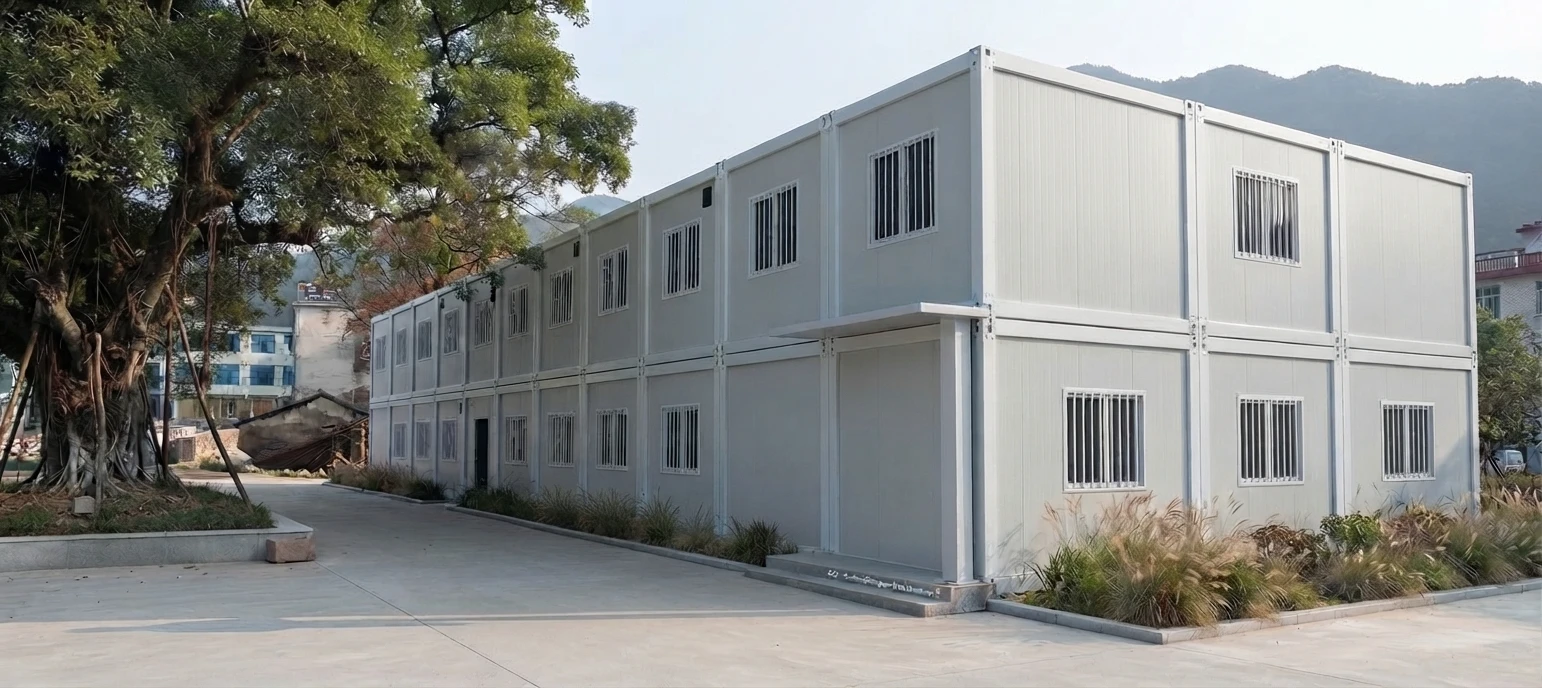
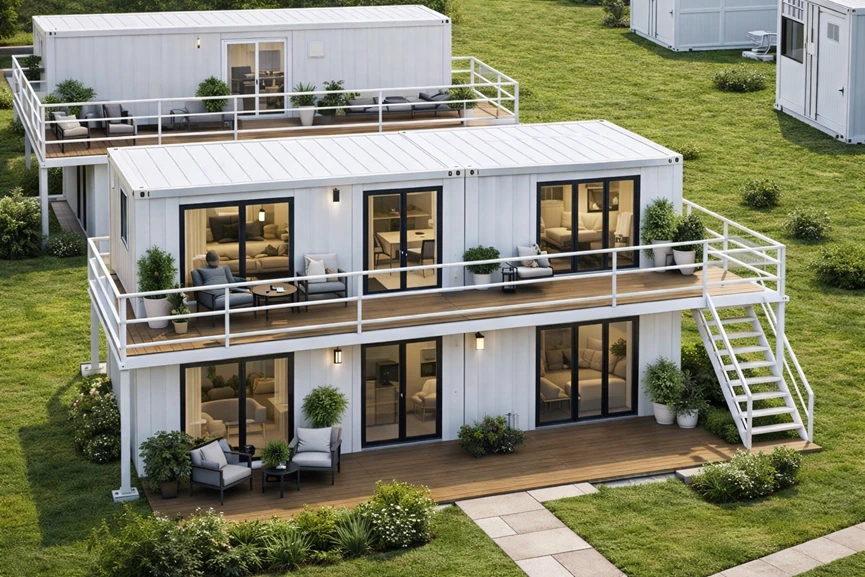
The modular container house for residential use is becoming very popular because it is strong, cheap, and can be used in many different places.
Advantages of Modular House Construction
When compared to traditional building methods, the modular approach has a number of benefits:
Time Efficiency: Modules are made at the same time as site preparation, which cuts down on the time it takes to finish the whole project.
Cost Effectiveness: Controlled factory production cuts down on waste of materials and labour costs.
Consistent Quality: Standardized production makes sure that all units are of the same high quality.
Тогтвортой байдал: Using materials more efficiently and making less construction waste help the goals of eco-friendly development.
Flexibility: Depending on future needs, structures can be moved, expanded, or changed in shape.
Because of these benefits, modular housing is the best choice for governments, developers, and private investors all over the world.
Materials and Structural Engineering Overview
|
Component
|
Material
|
Purpose
|
|
Frame
|
Цайрдсан ган
|
Structural strength & durability
|
|
Wall Panels
|
EPS/PU sandwich panels
|
Insulation & thermal control
|
|
Шал
|
Fire-resistant board + PVC
|
Comfort & durability
|
|
Roof System
|
Steel + waterproof coating
|
Weather protection
|
|
Windows/Doors
|
Aluminum alloy / tempered glass
|
Security & energy efficiency
|
These materials work together to make sure that modular homes can stand up to a wide range of weather, from hot deserts to cold mountains.
Real-Life Case Study: Modular Workforce Housing Project
Project Background
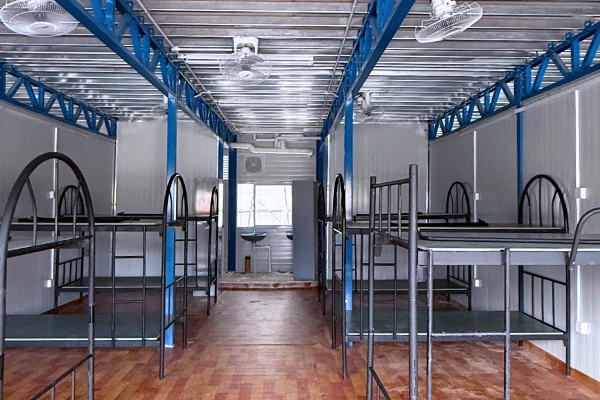
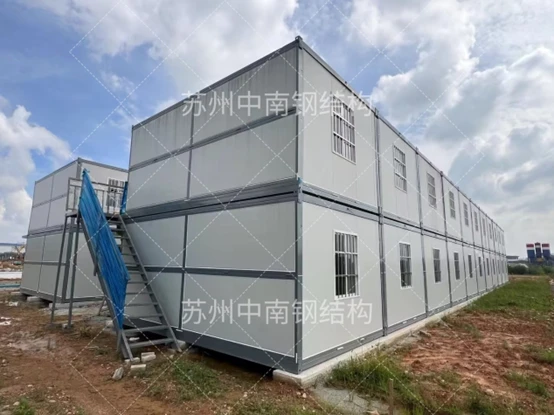
A recent project that I managed involved the establishment of a modular workforce accommodation camp for an overseas infrastructure project. The client had requested that we provide them with housing units for over three hundred workers in a remote area where there was limited access to building materials and skilled labour, so the speed of delivery of the accommodation units was very important to them.
Key Challenges
Remote Site Location: Poor road accessibility made transporting materials to the construction site almost impossible.
Tight Constraints: It was important to have the housing facility fully operational within a 45-day timeline.
Harsh Environmental Conditions: The housing facility's ability to perform at a high level of insulation was critical due to the extreme temperature variance.
Logistical Coordination: The synchronization of all shipping, assembly and labour schedules presented complexity in logistical coordination.
Solutions Implemented
- Residential use of modular container homes provides sanitation at a low cost, rapid construction, and simple transportability.
- Electrical and plumbing systems are all factory-installed in the modular units.
- Factory-installed high-density insulation panels enhance thermal performance.
- Modular units were delivered in a phased manner to accommodate the schedule of on-site assembly.
Outcome
- 38 Days into project completion, ahead of benchmarks
- Labor on-site reduced by approximately 60%
- Living conditions improved from optimized insulation and ventilation systems
The case shows how modular systems can meet both logistical and environmental challenges with high quality and efficiency.
Frequently Asked Questions (FAQs)
What is the lifespan of a modular house?
Depending on the materials, the weather, and how well it is taken care of, a modular house can last 20 to 50 years or more.
Are modular houses suitable for permanent living?
Yes. Modern modular homes are built to meet the standards for permanent residential buildings, so they can be lived in for a long time.
How long does installation take for a modular house?
Depending on how complicated the project is and how ready the site is, installation can take anywhere from a few days to a few weeks.
Conclusion
The new modular construction method is revolutionizing the way we build. This unique building technique uses assembled modules to create an entirely new way to build homes, agricultural and commercial buildings that provide a combination of speed, efficiency, sustainability and flexibility. As urbanisation grows and the demand for housing increases; the need for cost-effectiveness of both modular housing types and the development of prefabricated modular home building processes will be necessary in future project management approaches.
Projects that require high-quality modular construction systems, including the durability and scalability of these systems, will rely heavily on the ability of engineers and manufacturers to provide their expertise.
ZN House offers a comprehensive range of services for modular housing solutions and technical advice, including complete modular housing program management from design through delivery. Our extensive global experience makes us uniquely qualified in the field of modular container building.
Disclaimer: The specifications, materials, and design details mentioned in this article correspond to the manufactured items produced by ZN House, including its own containers and modular products. The actual specifications, materials and designs will vary with the requirements of each project, and are subject to changes according to the various customizations of the project's design and different international or local codes of practice.
Watch the following video on the ‘Custom Modular Container Homes from Zn House’: