Container Warehouse Solutions: The Smart, Scalable Alternative to Traditional Storage
Storage capacity has always been a major obstacle for expanding businesses. Building timelines for permanent structures are long; renting costs are high and the nature of these buildings is not flexible. This is the point at which the container warehouse could change the situation.
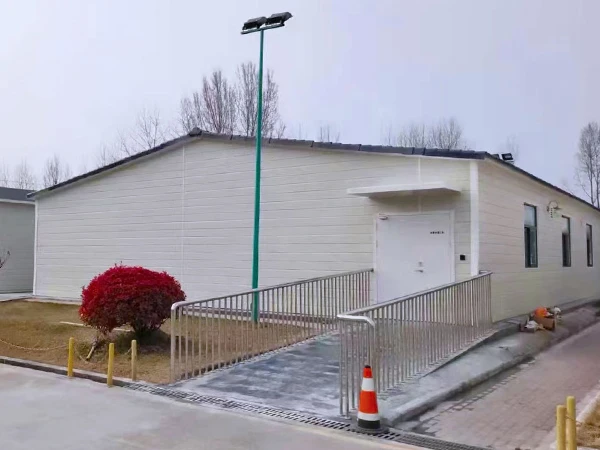
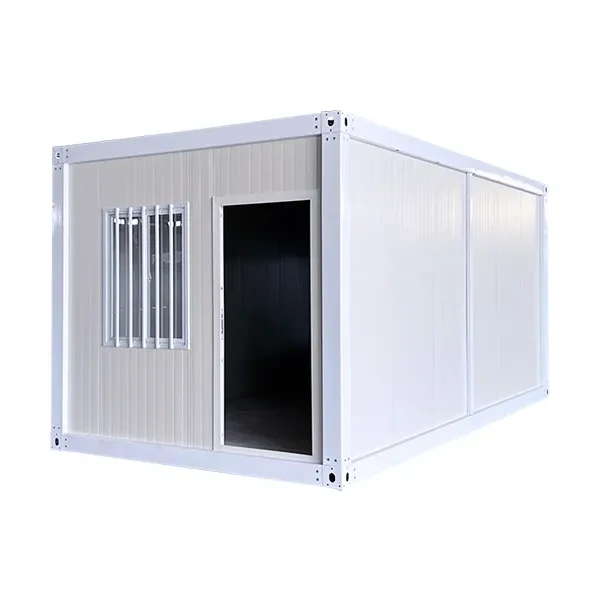
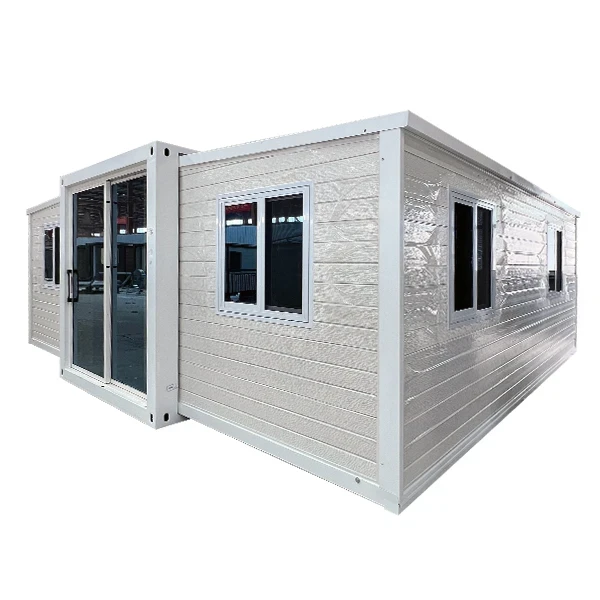
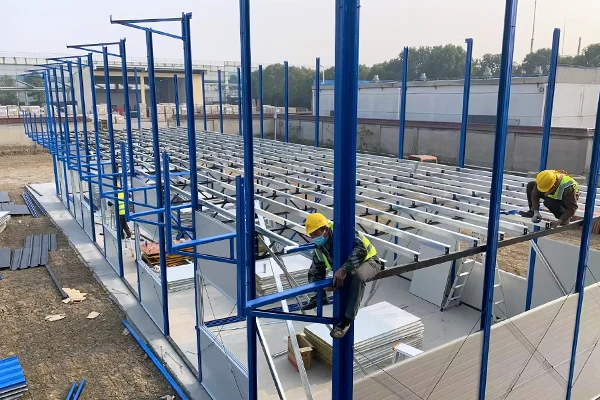
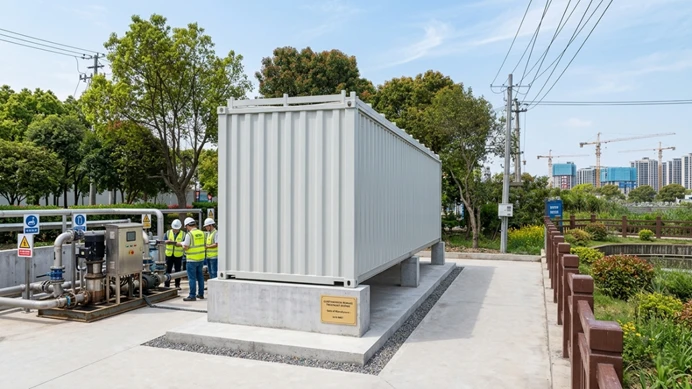
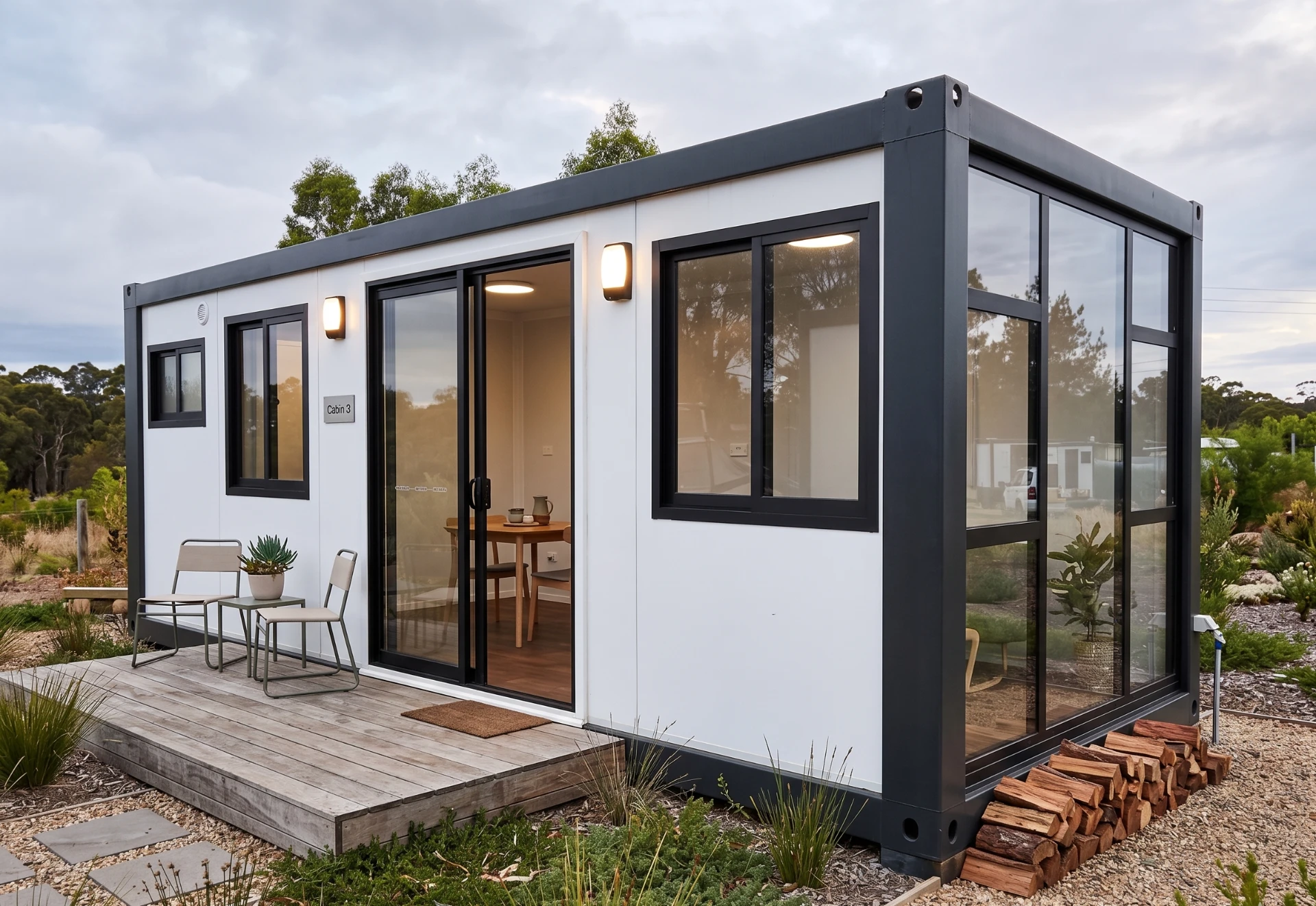
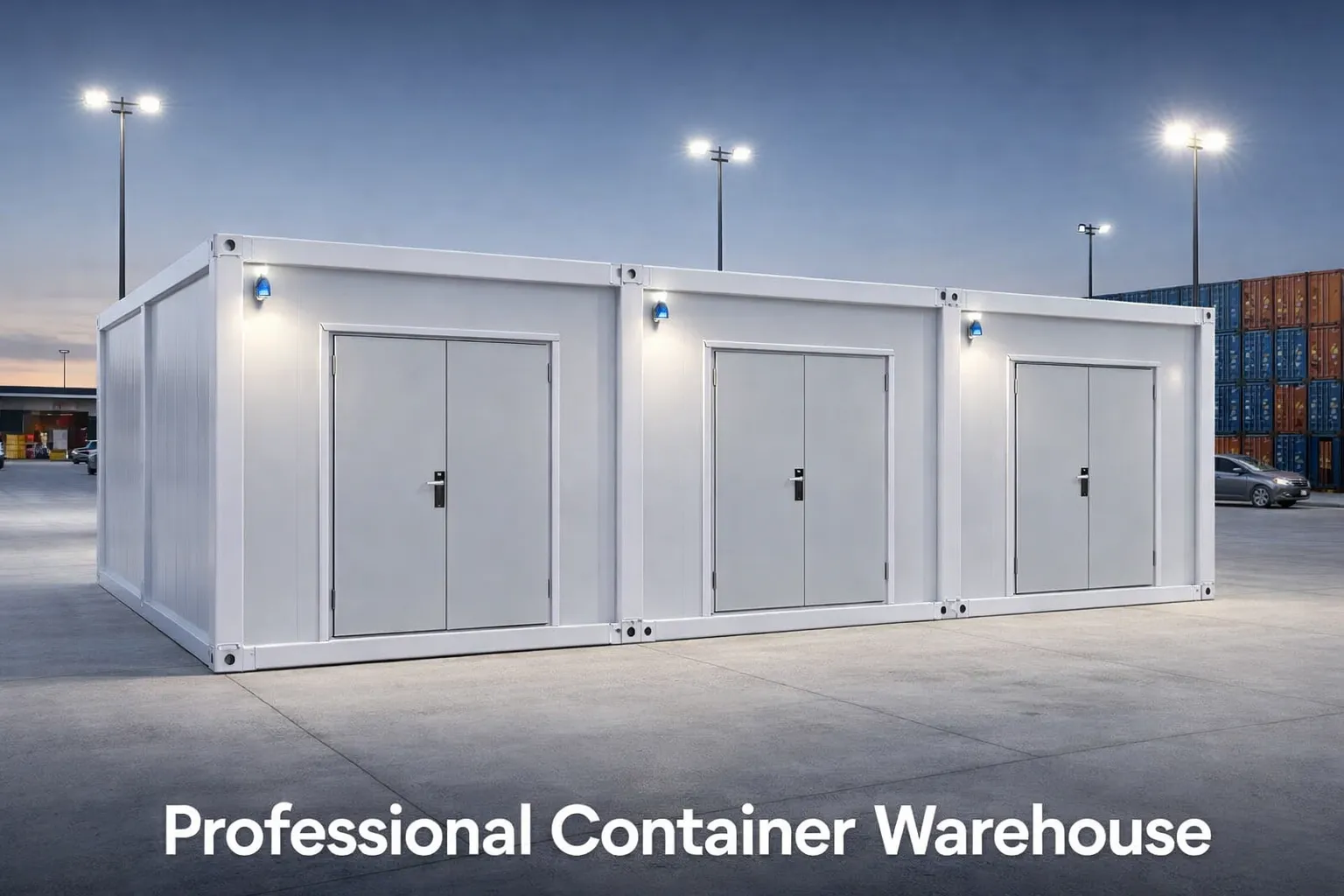
A container warehouse is a modular, prefabricated storage facility made of steel container units. It can be set up on almost any site within weeks; it can be expanded when times change and it can be moved when the operational requirements change. Running an e-commerce business, a construction project, or even a remote industrial facility, this kind of warehouse would give you an advantage that traditional ones would not provide.
In this writing, we give an insight into container warehouses, their being wise investments and how they have been employed by the representatives of the industry.
What Is a Container Warehouse?
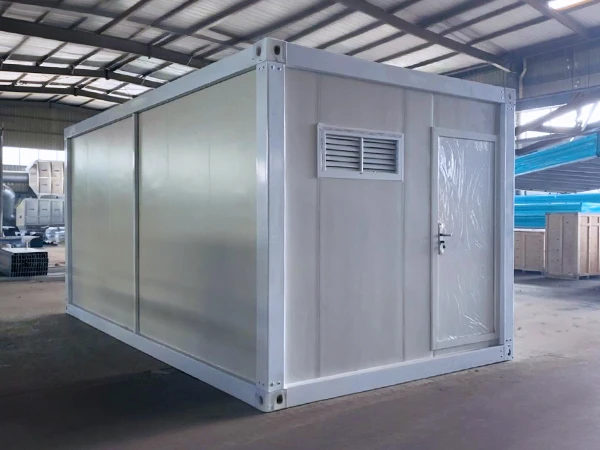
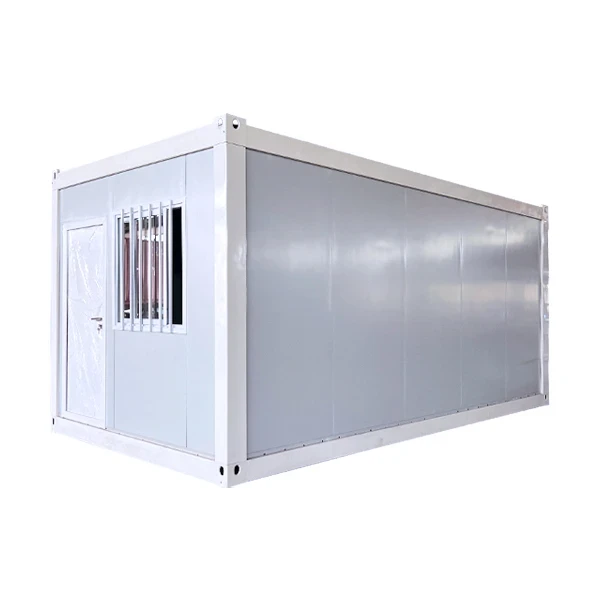
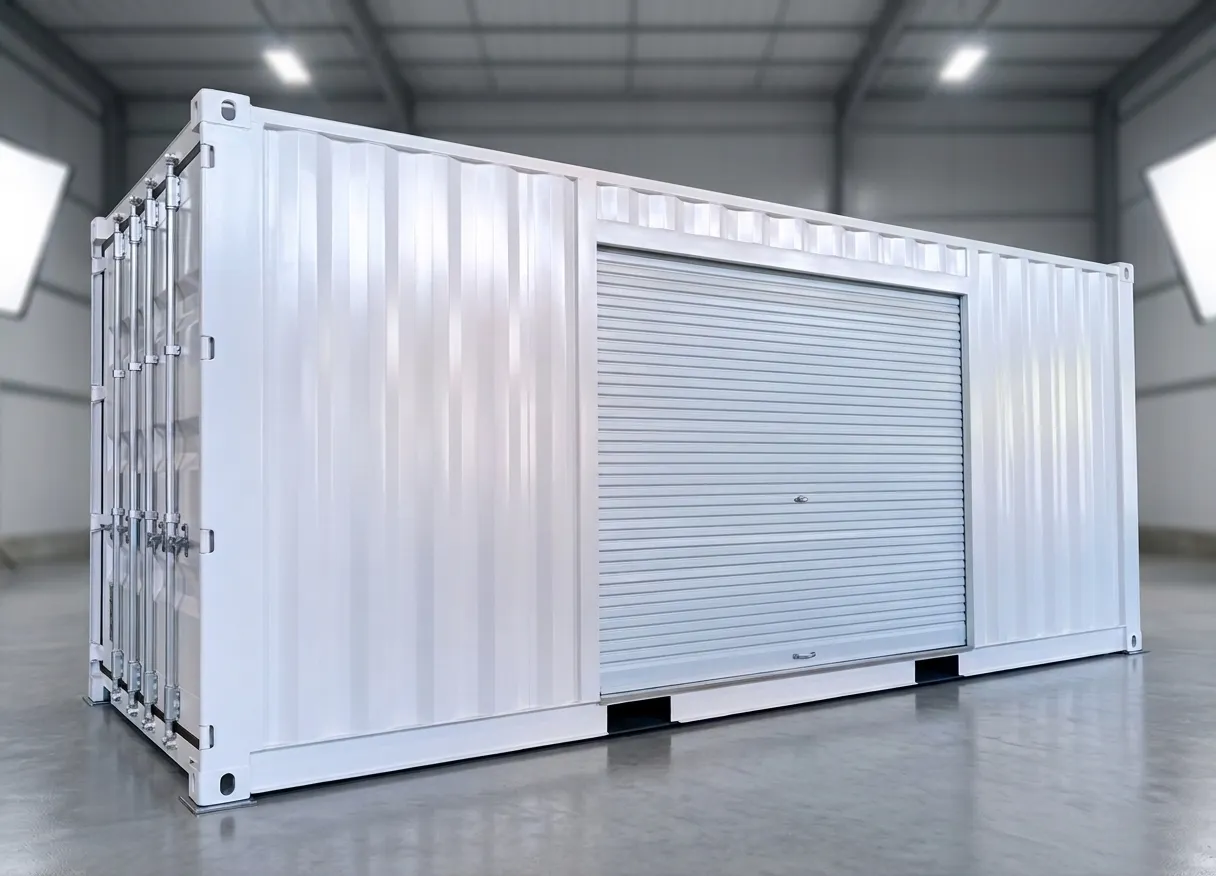
A container warehouse is a storage solution specially designed and built with modular steel container units - mainly 20-foot or 40-foot standard-sized containers. Unlike a traditional warehouse, it does not necessitate placing a permanent foundation, spending long periods on construction, or making huge investments in civil works.
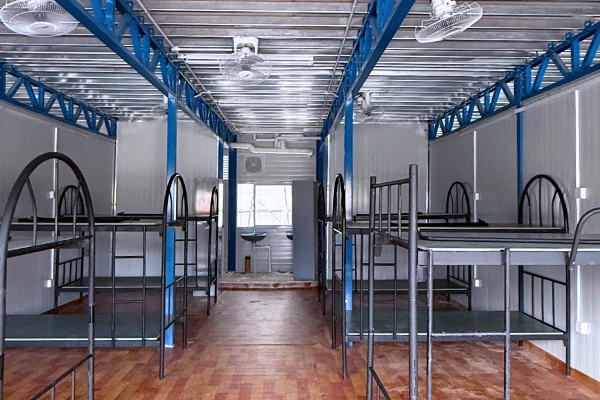
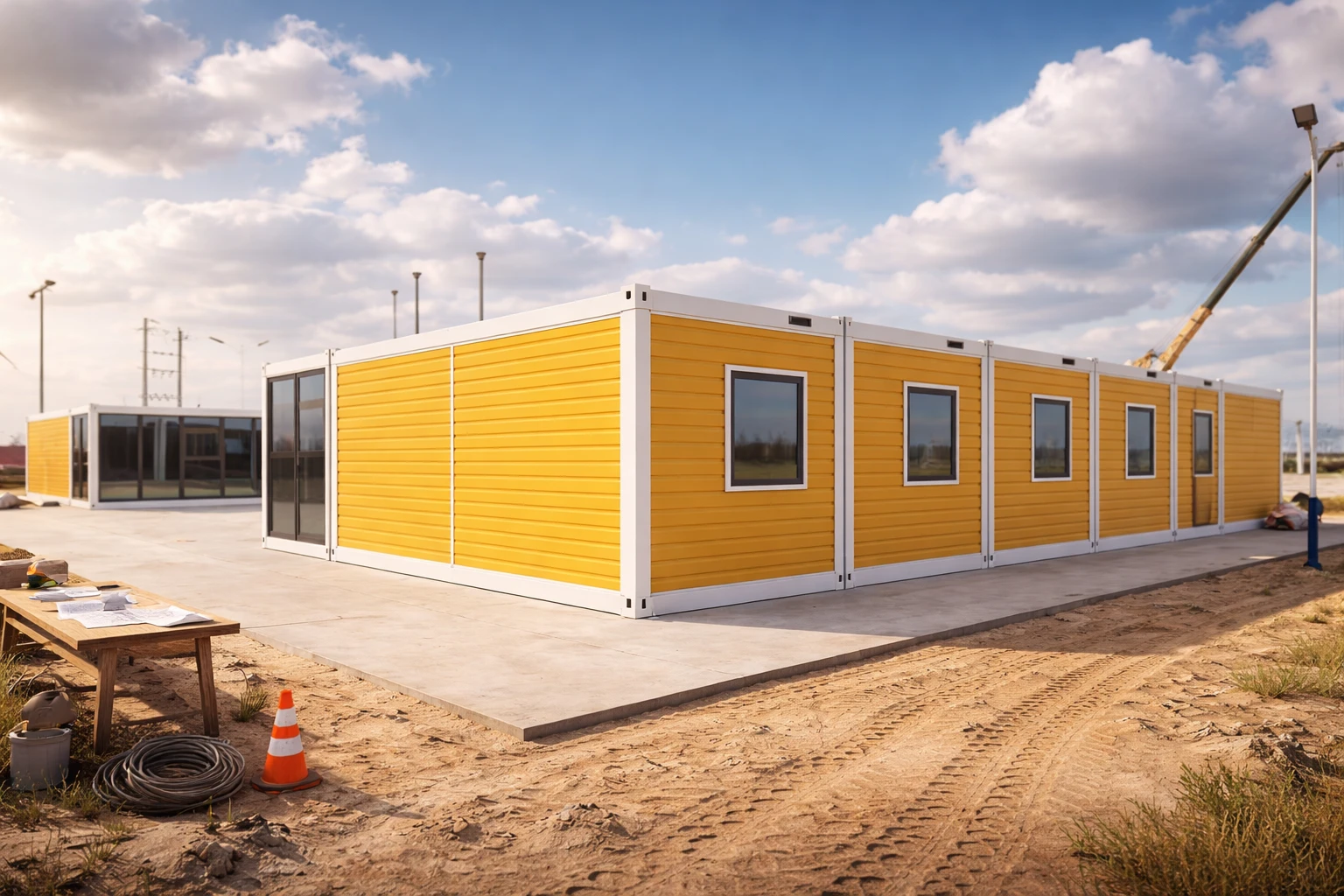
Modules are locked together using secure couplings to create single- or multi-aisle layouts. Insulated wall panels are used to keep temperature changes inside at a minimum, which means that these container warehouses can be used for the storage of goods that require strict temperature control. Heavy-duty flooring is capable of sustaining forklifts and palletized loads. Roll-up doors and side-swing entries speed up the process of loading. Mezzanine decks are an attractive option since they can efficiently double the amount of usable floor space without increasing the ground footprint.
This kind of warehouse offers the necessary storage in a controlled environment and has the capability to be completed and operational in only a fraction of the time needed for brick-and-mortar construction.
Container Warehouse vs. Traditional Warehouse: A Quick Comparison
|
Fattur
|
Maħżen tal-Kontenituri
|
Traditional Brick-and-Mortar
|
|
Build Time
|
2–6 weeks
|
6–18 months
|
|
Cost
|
30–50% lower upfront
|
Higher capital outlay
|
|
Scalability
|
Add/remove modules anytime
|
Fixed footprint; costly to expand
|
|
Relocatability
|
Fully relocatable
|
Permanent structure
|
|
Environmental Impact
|
Reduced material waste
|
High construction waste
|
The worldwide demand for this type of storage is expanding rapidly. Market Research Future states that the modular container market was worth about USD 23.86 billion in 2024 and is expected to grow to USD 34.55 billion by 2035, mainly fueled by trends in sustainability and the increasing need for flexible infrastructure. Then again, the mobile modular storage solutions market is growing at a rate of 7.1% per year, which is a clear indication that many other businesses have also decided to use scalable, relocatable storage.
Core Technical Features
Knowing what features a top-quality container warehouse includes will allow buyers to decide more confidently when making purchases. The chart below displays the typical requirements that should be met.
|
Specification
|
Details
|
|
Module Sizes
|
Standard 20 ft and 40 ft units
|
|
Structural Frame
|
Corten steel (anti-corrosion), galvanized finish
|
|
Wall Panels
|
Insulated sandwich panels (EPS/rock wool / PU)
|
|
Floor Load Capacity
|
Reinforced for heavy pallets and forklifts
|
|
Access Doors
|
Roll-up doors and side-swing entries
|
|
Lighting
|
LED energy-efficient systems
|
|
Security
|
CCTV mounts, motion detectors, tamper-proof locks
|
|
Optional Add-ons
|
Mezzanine decks, HVAC, solar panels, racking systems
|
As a matter of fact, structural resilience depends a lot on the material selection with modular container warehouse solutions for industrial storage that buyers are pondering over. Looking at it from resistance to corrosion in the atmosphere of humidity or on the coast, the frames made of Corten steel are capable of doing that, whereas the panels of insulation in Rockwool or PU serve the purpose of thermal stability and other features like fire resistance. Because of this, the latter is a very important aspect in situations of storage of chemicals or in a cold chain.
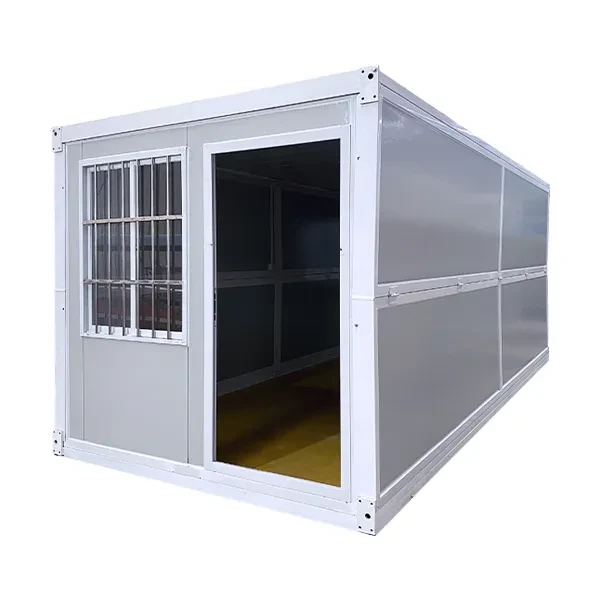
If you are wondering how these features can be translated to a particular use case, then you are invited to take a look at the flat pack container warehouse and folding container storage solutions as the first step to site location, which is constrained or remote.
Who Uses Container Warehouses — and Why
The adaptability of container warehousing makes it possible for this type of storage to cater to the needs of various sectors. The table below is a brief compilation of typical uses and the reasons this method corresponds so well to the respective industries.
|
Industry / Use Case
|
How a Container Warehouse Helps
|
|
E-Commerce & Fulfillment
|
Rapid micro-fulfillment hubs near urban demand zones
|
|
Construction Sites
|
On-site tool and material storage; relocates with the project
|
|
Agriculture & Cold Chain
|
Insulated modules maintain stable temperature for perishables
|
|
Mining & Remote Operations
|
Deployable storage in off-grid locations with no infrastructure
|
|
Disaster Relief & NGOs
|
Emergency equipment storage deployable within days
|
The business case is Most of all convincing in emerging markets. The Asia-Pacific region already accounts for 40% of the portable modular storage container market, which was estimated to be worth USD 1.27 billion in 2024 by Business Research Insights. The major factors driving this growth are the quick industrialization, infrastructure development and urbanization in China, India, and Southeast Asia. For companies that are entering or planning to expand their presence in these regions, a portable container warehouse for e-commerce and logistics could be a great way to gain access to local distribution networks with low risk and in a short time.
Key Advantages: Why Businesses Are Choosing Container Warehouses
- Speed of Deployment: Modular units arrive largely pre-finished from the factory. Most projects are operational within 2 to 6 weeks.
- Cost Efficiency: Factory prefabrication reduces on-site labor and material waste, cutting total project costs by 30–50% compared to conventional construction.
- Scalability: Additional modules can be connected as inventory volumes grow. When demand contracts, modules can be removed or redeployed.
- Relocatability: Container warehouses are not permanent structures. They can be dismantled and shipped to a new site when project or business needs change.
- Environmental Performance: Prefabrication generates less construction waste. Steel is recyclable, and solar panels or LED systems can be integrated to reduce operational energy consumption.
- Security: Built-in provisions for CCTV systems, perimeter motion sensors, and heavy-duty tamper-proof locks address the security concerns common at logistics and site-based storage facilities.
Real-World Case Study: Mining Camp Inventory Storage, West Africa
Project Background
A mining contractor who was operating an extraction site in a very remote part of West Africa needed a speedy and very secure space for the storage of equipment parts, PPE and consumables. The site had no existing buildings, vehicle access was limited, and the commissioning timeline was quite an aggressive one. Traditional construction was thus eliminated on both cost and schedule grounds.
Challenge
For the project, a space of 400 square meters was needed in the form of a covered and lockable storage area within a period of five weeks. A major characteristic of local weather was the high humidity and seasonal heavy downpours. So, the contractor was after a solution that could be delivered in standard containers to minimize the logistical complexity, assembled with minimal skilled labor on site, and increased in size if the mining production phase was prolonged.
Soluzzjoni
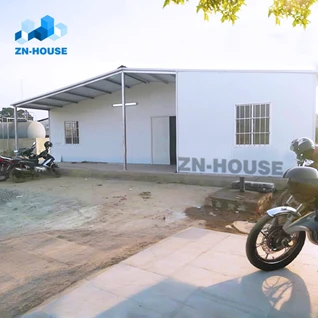
ZN House delivered a series of 20-foot and 40-foot modular container warehouse units fabricated with Corten steel. The units had Rockwool insulated panels, roll-up access doors, and integrated LED lighting. The units were pre-wired at the factory and shipped flat-packed to maximize shipping efficiency. Only basic tools and a small crew were needed on-site for assembly, and the complete storage complex was up and running in less than four weeks. The use of a pre-engineered warehouse solution approach made sure that all structural components were pre-tested and fit-for-purpose before shipping.
Outcome
The contractor actually finished the commissioning one week ahead of the deadline. When the project entered the production phase, which was extended by eight months, two more modules were added to the existing cluster without making any structural changes to the original units. It took less than three days for total storage capacity to grow by 40%.
Frequently Asked Questions
How long does it take to assemble a container warehouse?
The time it takes to assemble a warehouse can vary based on the size and location of the project, but usually, the container warehouse projects are able to start operation within two to six weeks. Smaller single-aisle layouts with pre-wired units can be done in just one to two weeks. This is far quicker than regular warehouse building, which normally needs six months or more from the planning stage to the handing over of keys.
Can a container warehouse be expanded after installation?
Yes, this is one of the format's signature advantages. The 20-foot and 40-foot standard modules have been carefully designed with matching connection points, so it is possible to attach extra units sideways or upwards without changing the original setup. Adding mezzanine floors to the existing layout can also be an option for increasing the floor area that is usable. Instead of taking weeks, expansion projects usually finish in a matter of days.
Are container warehouses suitable for temperature-sensitive goods?
Container warehouses may be modified to operate as cold storage facilities. Cold storage containers employ a type of sandwich panel, either EPS, Rockwool, or PU, which insulate the inside environment by limiting the transfer of heat. For air conditioning, the container can be made part of an HVAC system. This way, container warehouses used in the pharmaceutical, agricultural and cold chain logistics industries can be viable if the level of insulation corresponds to the desired temperature range and climatic zone.
Ready to Scale Your Storage Capacity?
Looking for a super compact on-site storage unit or a multi-module distribution hub? ZN House is your source for container warehouse solutions professionally designed to be high-performance, quick, and durable eventually. See all the available options like folding container warehouses, flat pack container storage, and expandable container solutions. Or simply get in touch with the ZN House team to talk about your project. Our team is here to design with you a storage system that will suit your site, schedule, and budget.
Contact ZN House today for a detailed quotation.
Disclaimer: The technical data, specifications, and materials mentioned in this article are mostly the container products manufactured by ZN House themselves. Project-dependent specifications, materials, structural details, and performance characteristics may be different from one another, with the use of local standards and product configuration. For project-specific technical advice, readers are recommended to get in touch with ZN House.