From Steel Box to Storefront: A Practical Guide to Building a Container Restaurant
From Steel Box to Storefront: A Practical Guide to Building a Container Restaurant
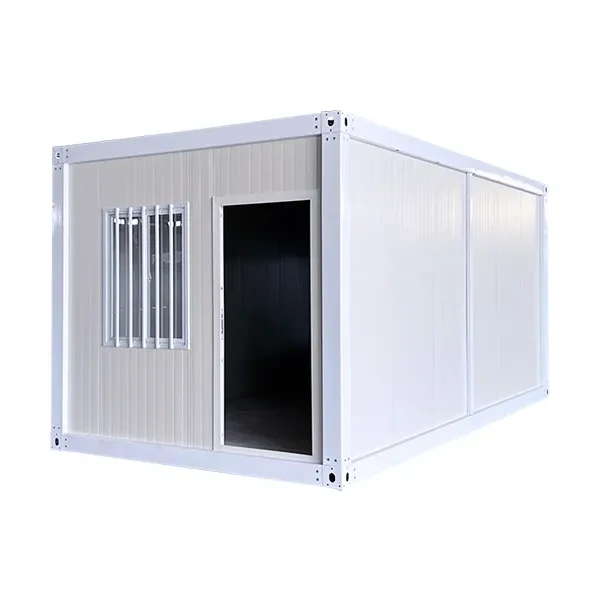
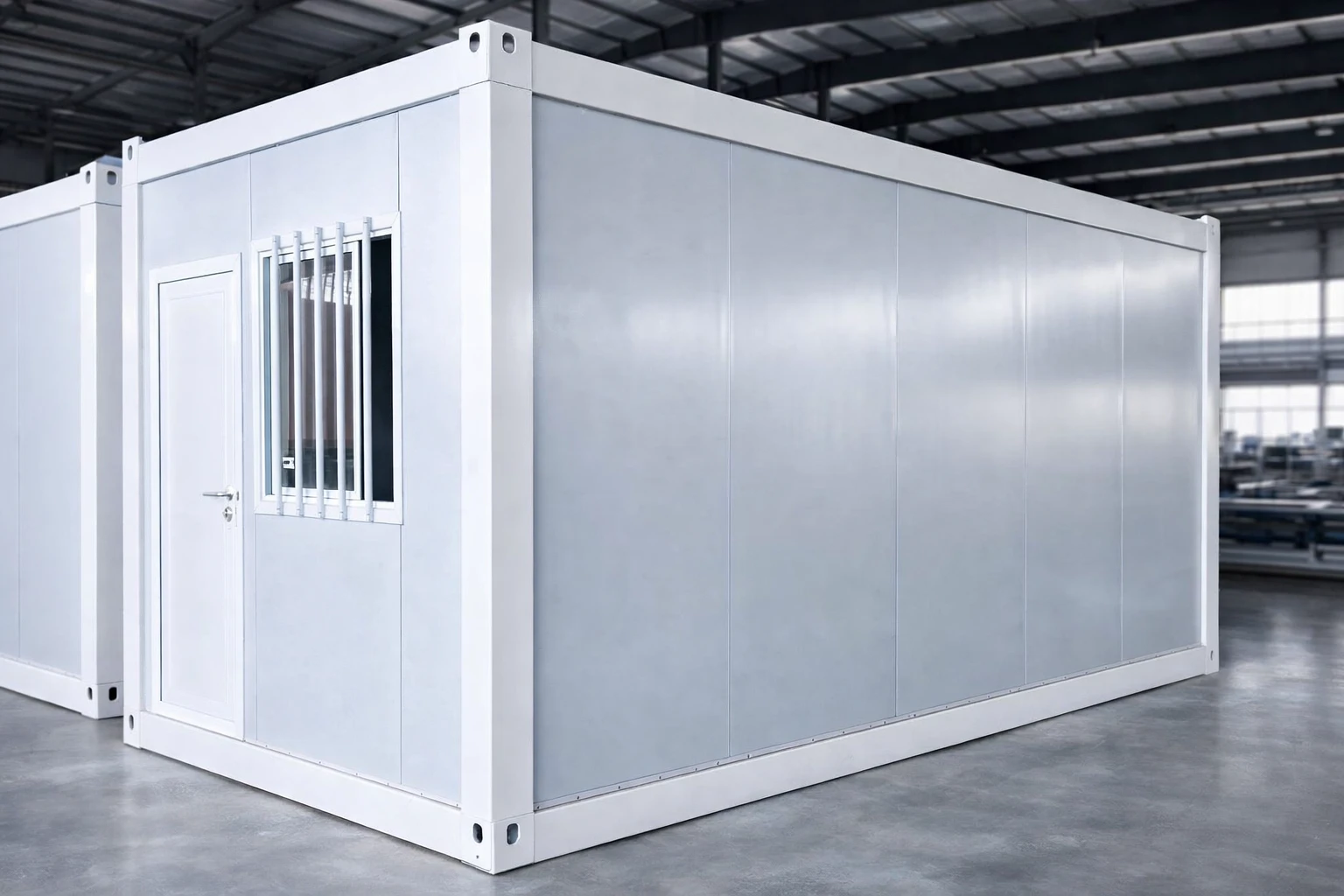
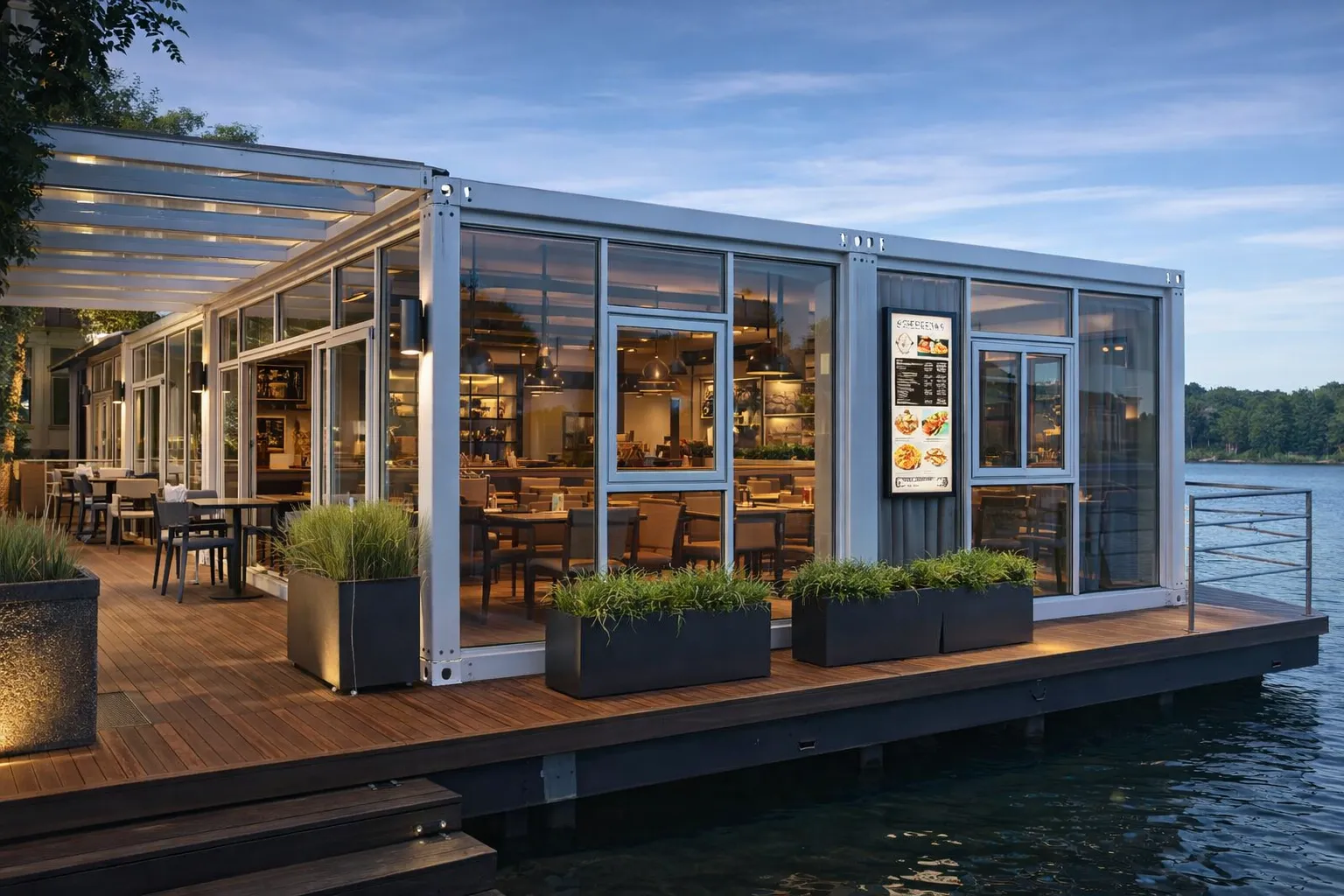
If you find yourself exploring different food halls, festivals, or fashionable mixed-use developments, chances are that you will stumble upon a container restaurant first. This type of restaurant doesn't really change the way they serve their guests when compared to traditional brick-and-mortar restaurants. However, they can do it much faster and with significantly less upfront risk. A container restaurant is just a restaurant that is located inside of a repurposed (converted) shipping container, typically 20 or 40 feet long. It offers the owners the actual indoor space, a completely equipped commercial kitchen, and a project schedule that can be finished in weeks rather than months. This article is about what a container restaurant is, the expenses tied to starting a container restaurant, and a rundown of an actual project from the initial design to the grand opening to assist those who are capable of comparing the cost of a shipping container restaurant versus a traditional lease-and-build method.
Where a Container Restaurant Fits
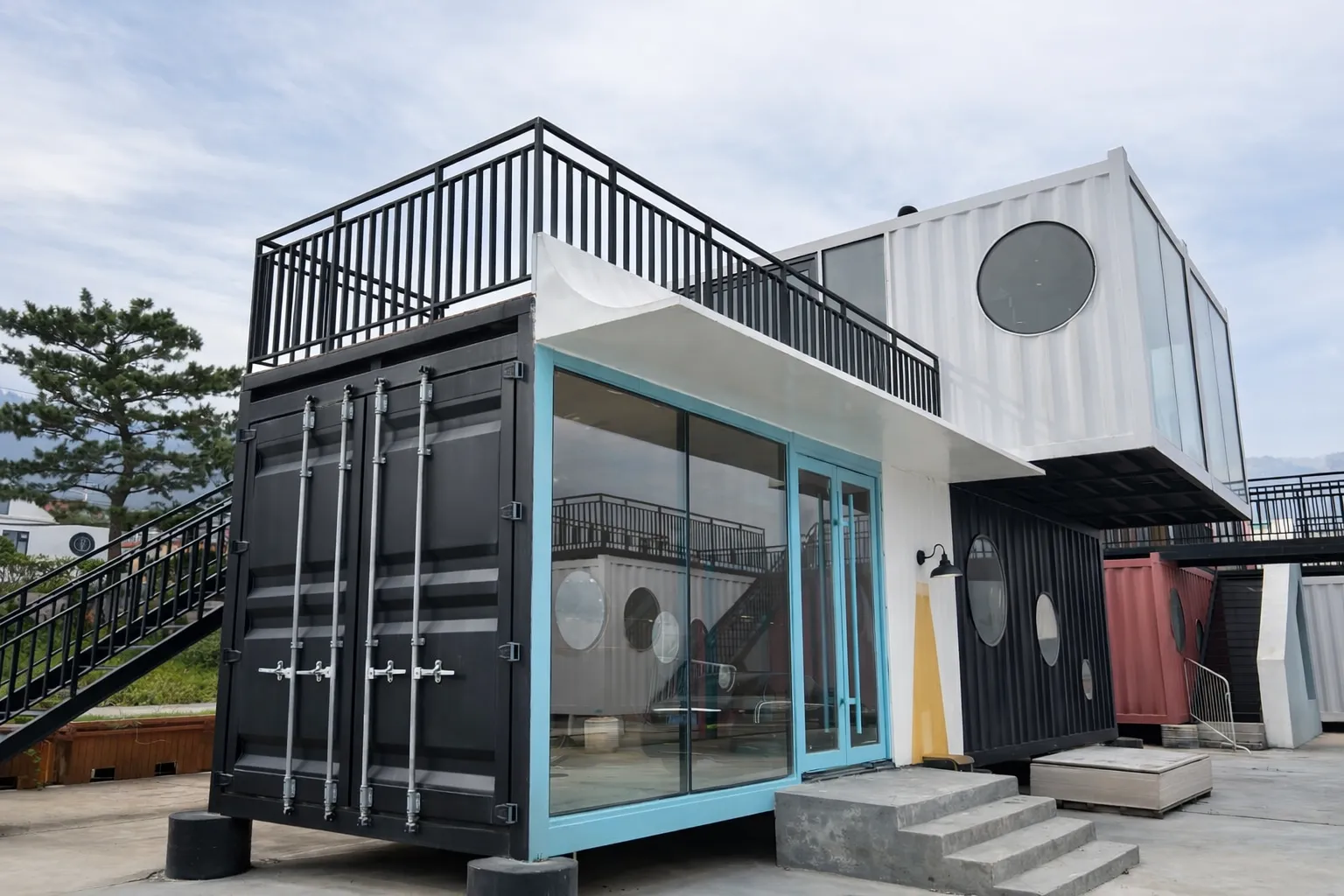
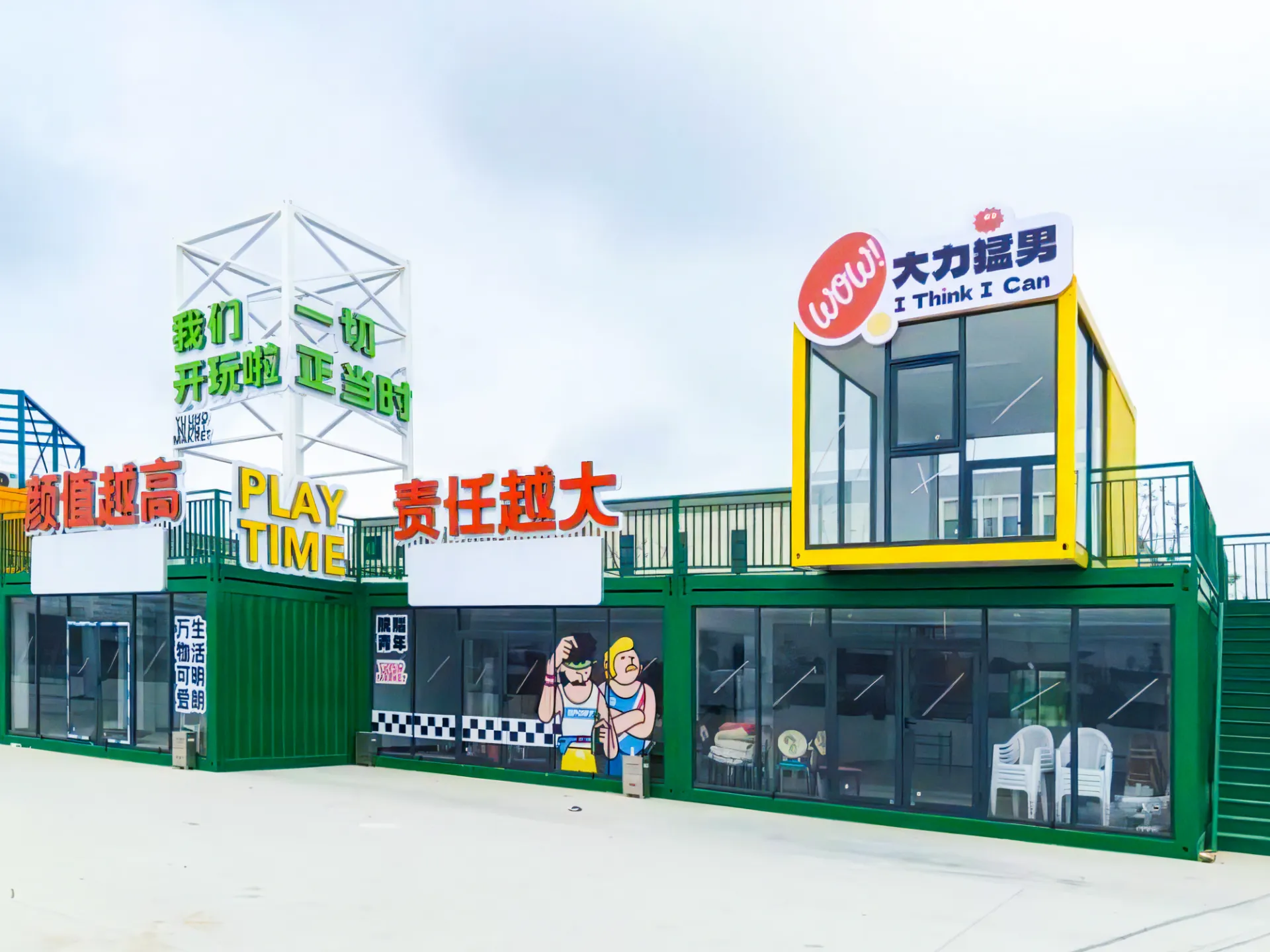
A container restaurant isn't a single fixed format — it's a flexible building block. For a small street food stand, one 20-foot unit will be sufficient; however, multiple 40’ containers can be used together in various configurations to form a large dining area. The final layout depends mainly on the amount of foot traffic through the restaurant, the length of the lease, and the type of food offered.
|
Format
|
Best Suited For
|
Typical Configuration
|
|
Pop-up or seasonal café
|
Festivals, markets, short-term activations
|
Single 20 ft unit
|
|
Drive-thru or concession kitchen
|
Fairs, stadiums, event grounds
|
20-40 ft with service window
|
|
Rooftop bar or dining terrace
|
Elevated urban dining, private events
|
20 ft with reinforced deck
|
|
Stacked multi-vendor food hall
|
Urban infill lots, dense city sites
|
Multiple 40 ft, stacked
|
|
Campus or remote-site canteen
|
Industrial sites, work camps, schools
|
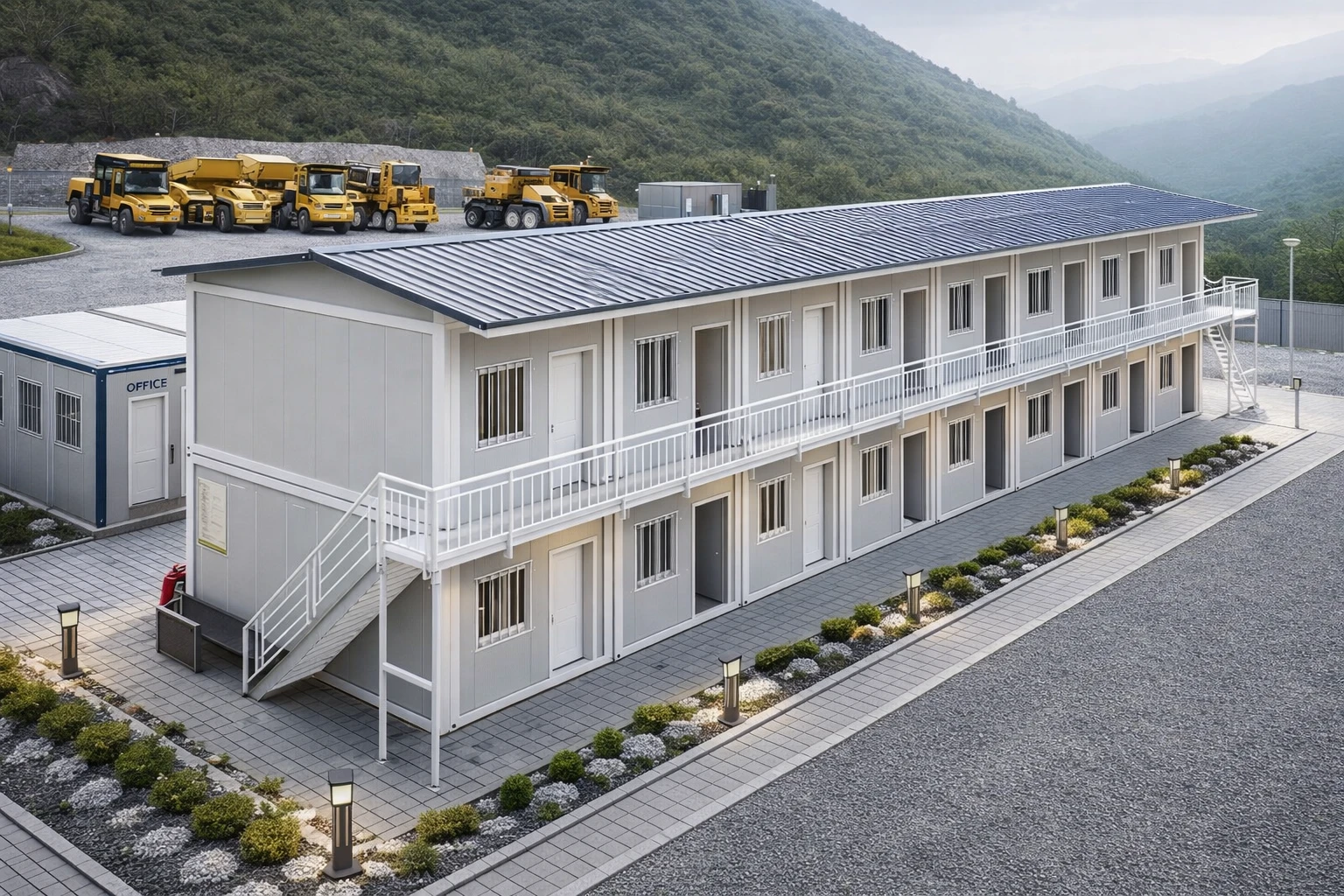
Multiple 20-40 ft units
|
Operators exploring a container restaurant solution for the first time often start with a single unit, then expand once the concept proves itself. Related formats like a container bar or a container shop use much of the same underlying build process.
Why More Operators Choose a Container Restaurant
Speed and cost predictability are the two biggest draws. Because most fabrication happens off-site in a factory, a container restaurant can be built while site permitting and foundation work move forward in parallel — a proven advantage of modular restaurant construction more broadly. Industry data from modular builder Palomar Modular indicates that modular restaurant projects can run up to 20% less expensive and as much as 50% faster than comparable conventional construction (Palomar Modular, 2025).
Beyond speed, a container restaurant offers a distinct industrial look that many modern food brands use as a branding asset, along with the practical benefit of portability — a unit can relocate for seasonal demand or a new market without starting from scratch. Insulation, efficient HVAC, and optional solar further reduce monthly operating costs once the doors open.
|
ਫੈਕਟਰ
|
Container Restaurant
|
Traditional Restaurant Build
|
|
Typical timeline
|
Roughly 8-14 weeks after design sign-off
|
6-12 months, weather and trade dependent
|
|
Cost structure
|
Largely fixed once specified
|
Prone to change orders and overruns
|
|
Site disruption
|
Minimal — most work done in-factory
|
Extended, ongoing on-site trades
|
|
Relocation
|
Possible; unit can be moved and reused
|
Not possible without full rebuild
|
Permits, Food Safety, and Compliance
Regardless of format, a container restaurant serving food to the public has to meet the same public health standards as any fixed establishment. In the United States, mobile and modular food operations are evaluated against the same core provisions of the FDA Food Code that apply to conventional restaurants, and the specific version in force depends on which edition a given state has formally adopted (U.S. Food and Drug Administration, 2026).
In practice, that means a container restaurant project typically needs building, health, electrical, plumbing, fire safety, and zoning approvals before opening. Getting a floor plan and equipment list ready early — and coordinating with the local health department — is usually the single biggest factor in keeping container restaurant permits on schedule.
Case Study: A Multi-Vendor Container Food Venue in Austin, Texas
When a hospitality group set out to open a shared dining venue in Austin, Texas, the hardest part wasn't the concept — it was the calendar. Several independent food vendors needed to share one site, one budget, and one opening date.
Challenge
Coordinating separate kitchen fit-outs, utility hookups, and health-code sign-offs for multiple vendors without delaying a single shared launch date.
ਹੱਲ
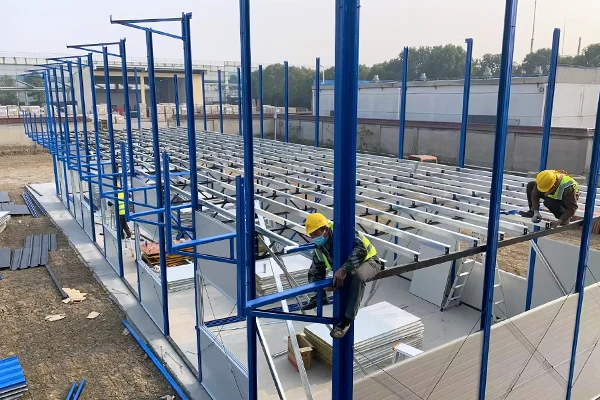
ZN House pre-built each container restaurant module off-site, completing the mechanical, electrical, and plumbing work along with kitchen installations in the factory before shipment. Vendor equipment, ventilation, and finishes arrived nearly turnkey, which cut on-site labor hours and reduced coordination risk between trades.
Result
The venue opened on schedule, with predictable per-vendor build costs and a shorter path from lease signing to first service than a conventional multi-tenant build would have allowed.
How to Begin Your Container Restaurant Project
|
Step
|
What It Involves
|
Typical Timing
|
|
1. Site prep & installation
|
Foundation or piers, utility hookups, crane access
|
Days once modules arrive
|
|
2. Permits & compliance
|
Building, health, fire, electrical, zoning approvals
|
Varies by jurisdiction
|
|
3. Costs & financing
|
Transparent quote tiers, phased payment planning
|
Runs alongside design
|
Businesses planning a shared or multi-format site sometimes pair a container restaurant with a nearby canteen container for staff or campus dining, or explore the wider prefabricated container range for other on-site needs.
Frequently Asked Questions
How much does it cost to build a container restaurant?
The price varies with factors like the size, condition of the containers, customization, and local site work. The main reason for most of the savings when comparing with traditional construction is a shorter timeline and less on-site labor at a modular restaurant facility, which is why these projects often finish 20-30% earlier than those built in a traditional manner.
Is a container restaurant an eco-friendly choice?
Yes. Reusing steel units avoids landfill waste and reduces the embodied energy that new construction requires. Pairing a container restaurant with solar panels or high-efficiency HVAC can lower its operating footprint even further.
Can a container restaurant be relocated or expanded later?
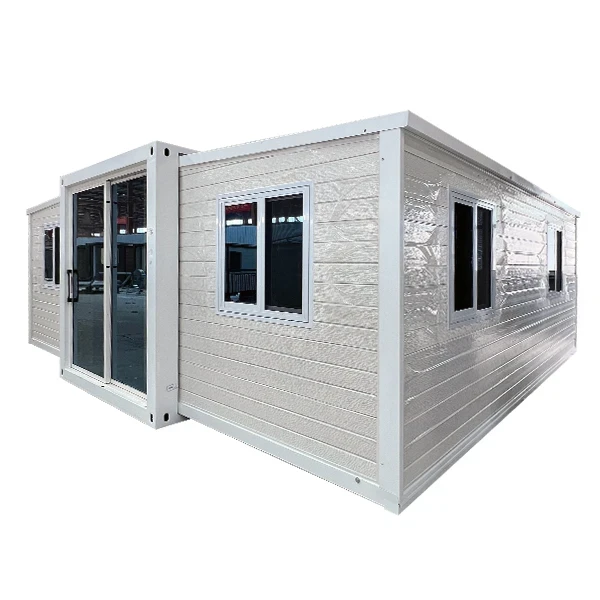
Yes. A modular container restaurant is designed with relocation in mind — moving costs mainly involve transport and re-installation. Expansion is usually as simple as adding a side module or stacking an additional level once demand justifies it.
Ready to Build Your Container Restaurant?
Whether you're planning a single pop-up unit or a multi-vendor food hall, ZN House designs and manufactures container restaurant solutions built to your site, menu, and local code requirements. Get a custom quote for your container restaurant and start planning your build with our team.
Disclaimer: The technical data, dimensions, and materials referenced in this article are based on ZN House's own manufactured container products. Specifications, materials, and technical details may vary by project, configuration, and local code requirements — please confirm exact specifications with our team before finalizing any design.