Container Hospitals: The Fast-Deploy Medical Solution Transforming Emergency Healthcare
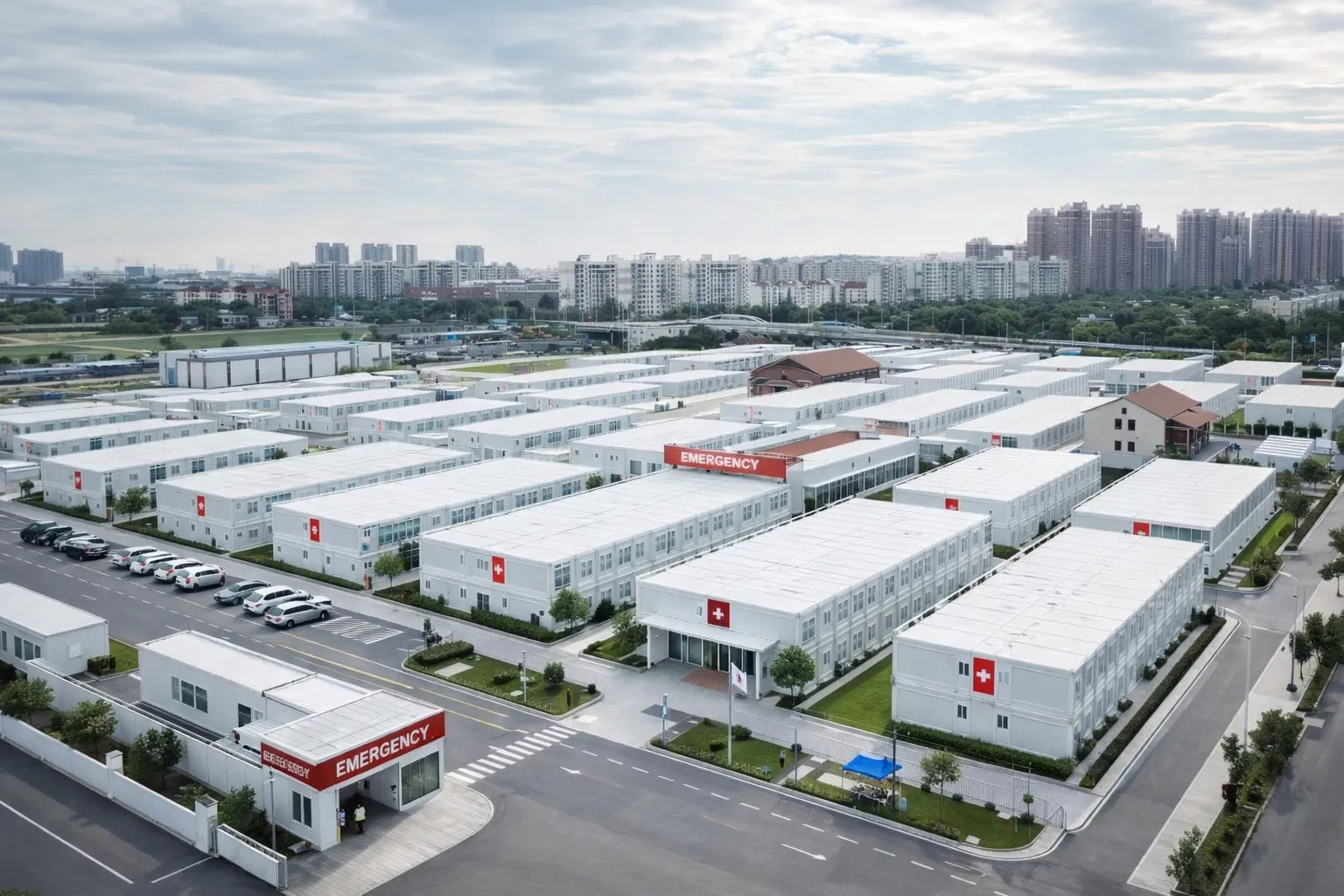
Traditional hospitals often can't deliver the required speed of response during a natural disaster or a sudden increase in the number of pandemic cases. Container hospitals appear to be the most reasonable solution to this problem. They provide medical-grade infrastructure that can be delivered and ready for use within a couple of days, not months.
This piece explores the components of container hospitals and their capabilities, draws a comparison with regular buildings, and finally, presents their real-life setup.
What Is a Container Hospital?
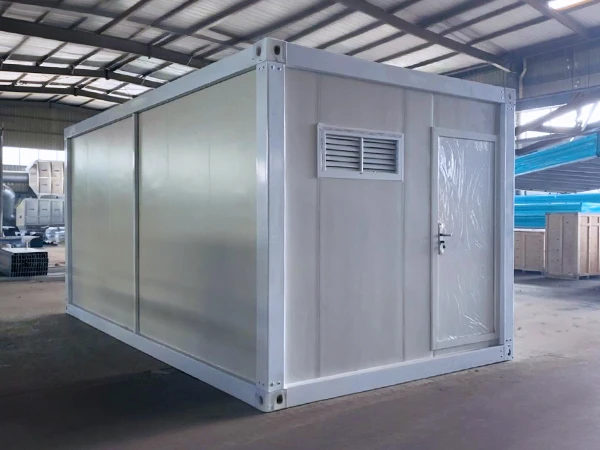
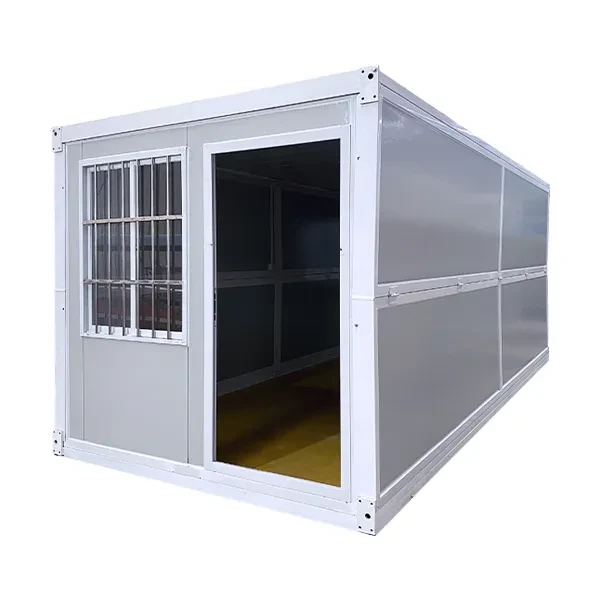
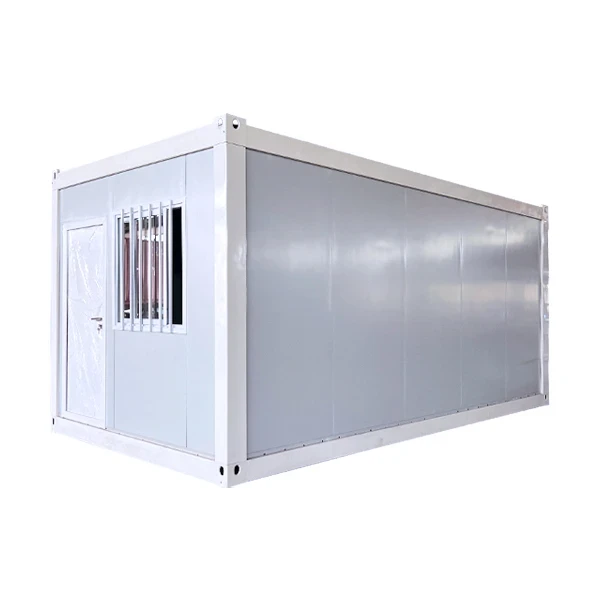
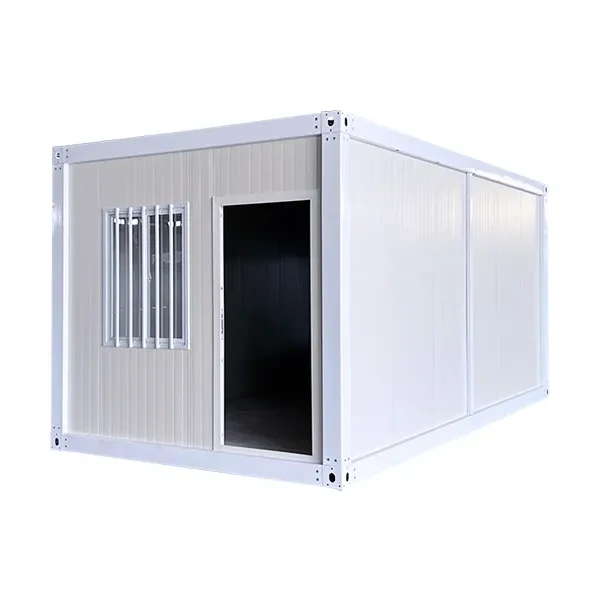
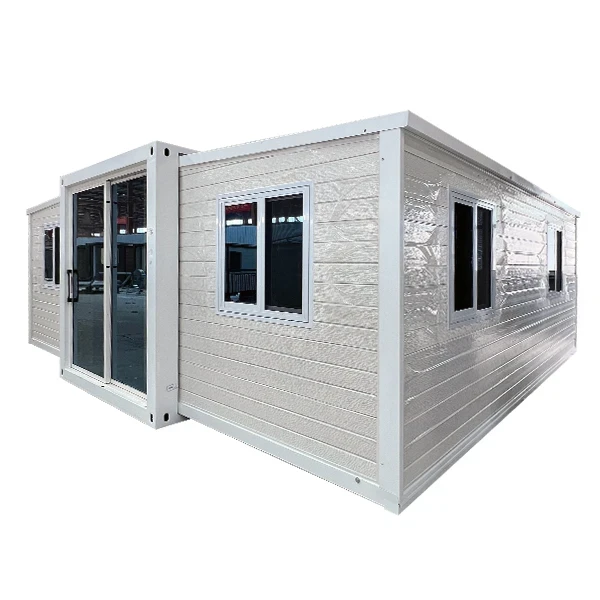
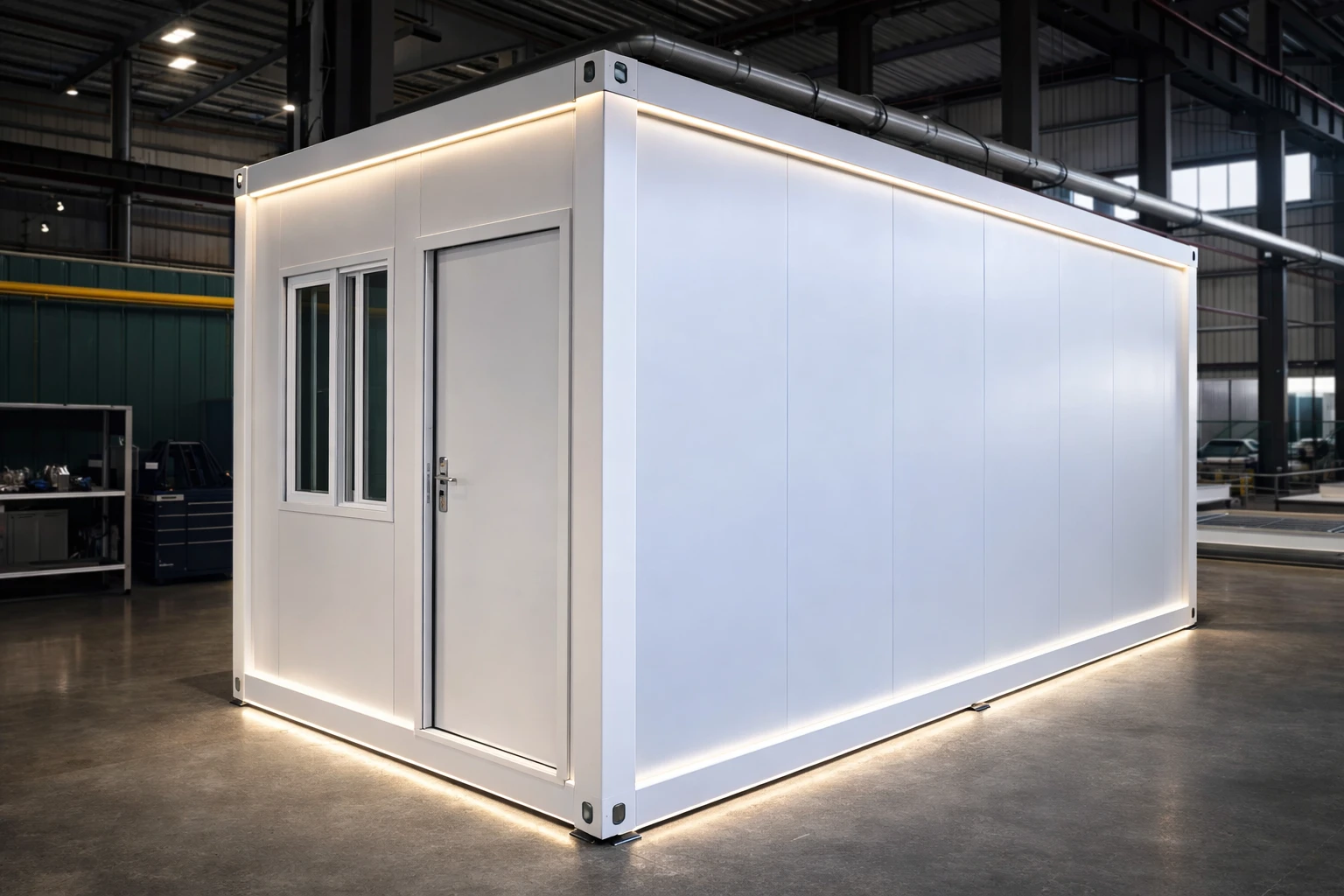
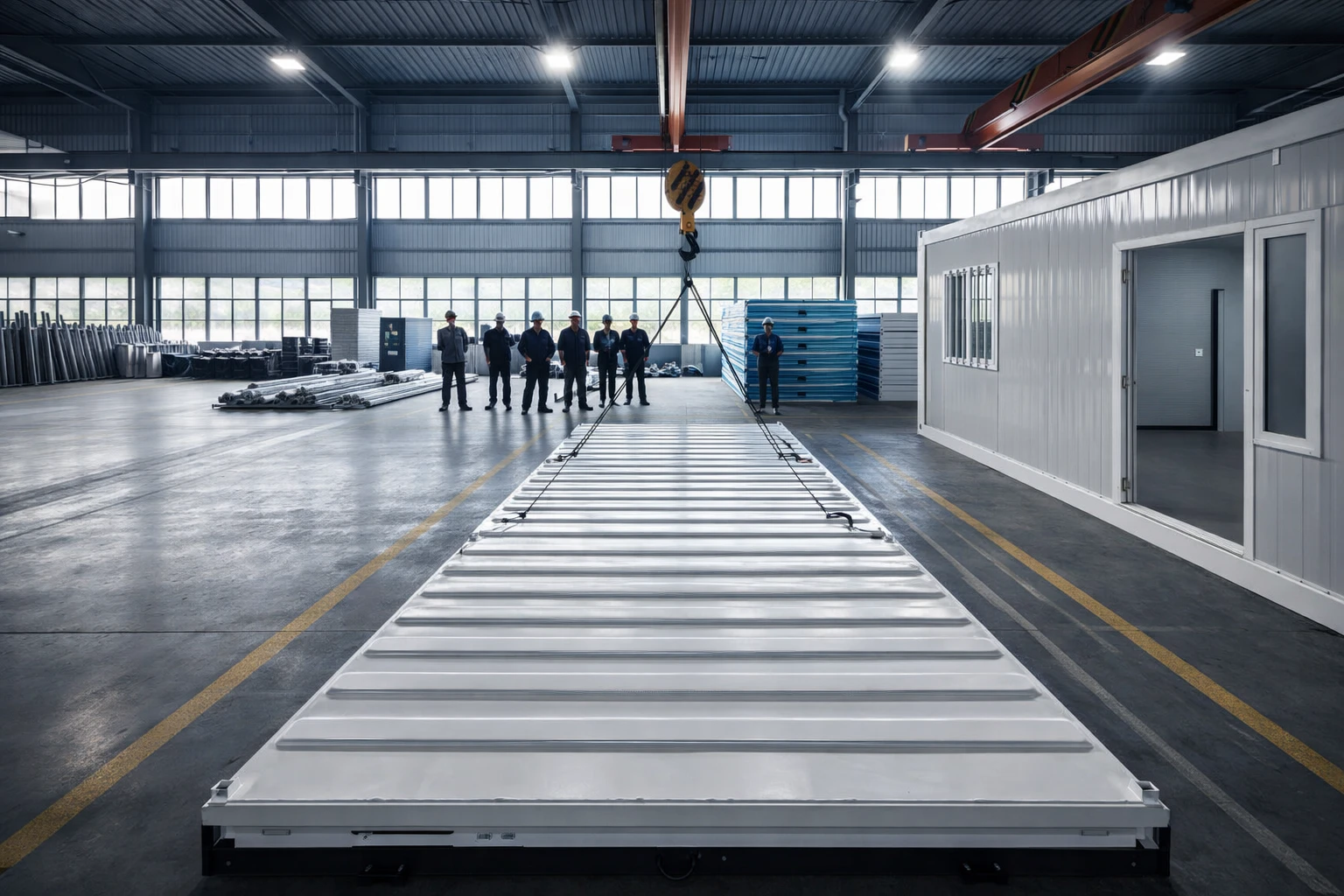
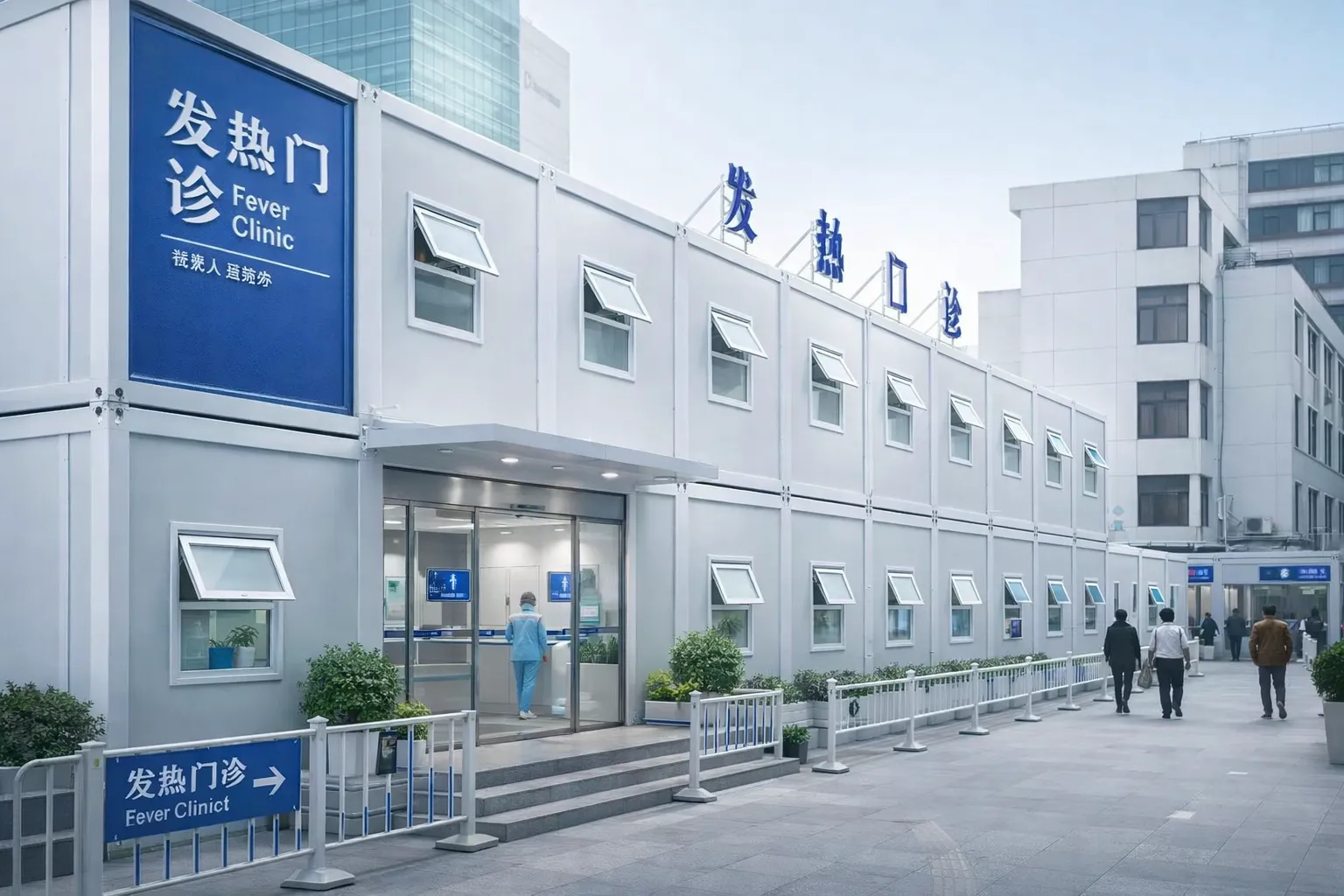
A container hospital refers to a modular healthcare center that works with standardised shipping containers as building blocks. Every component is pre-built at the factory, with complete installation of structural, electrical, plumbing, and HVAC systems. Modules may be configured into healthcare centers, surgery rooms, quarantine wards, intensive care units, or laboratories based on the needs of the mission.
Field tents and temporary shelters are very different from container hospitals that are medical-grade. Its steel frame can withstand even the harshest weather and since it is equipped with utilities, it can operate independently of local infrastructure.
Key Application Scenarios
Container hospitals are not a cure-all. They are most useful in four specific contexts:
|
Scenario
|
Core Need
|
Container Hospital Advantage
|
|
Disaster relief (earthquakes, floods)
|
Rapid triage and surgery capacity
|
Deployable within hours to days; structurally durable
|
|
Pandemic response
|
Isolation wards and expanded treatment capacity
|
Modular negative-pressure units reduce cross-contamination
|
|
Remote and rural healthcare
|
Basic diagnostics, maternal care, outpatient services
|
Relocatable; supports telemedicine integration
|
|
Industrial worksites (mining, oil & gas)
|
Occupational health and emergency stabilization
|
Hardened for harsh environments; reduces evacuation time
|
Core Technical Advantages
Rapid Deployment
Speed of the container hospital is one of its most important features. The reason being the modules are pre-engineered and built in the factory, so the assembly on the site is much quicker than traditional construction. In a couple of days or so, emergency deployable modular hospital units can become operational - this is a life-saving advantage.
World Health Organization states that the first 72 hours after a disaster are the most crucial for trauma survival rates. A container hospital directly addresses this window.
Modularity and Customization
Each unit has the flexibility of being configured separately regarding ventilation type, insulation grade, internal layout, and utility connections. Besides, several modules can be linked to establish larger complexes. For example, a sterile surgical environment can be provided close to a recovery ward if it is done through modular stacking and connection.
Infection Control
Container hospitals have a structural benefit during epidemic outbreaks. Each module acts as a physically separated unit and it is possible to equip them by using negative-pressure ventilation systems which will prevent contamination through air. This allows them to be effective for portable isolation ward solutions during infectious disease emergencies.
Portability and Reuse
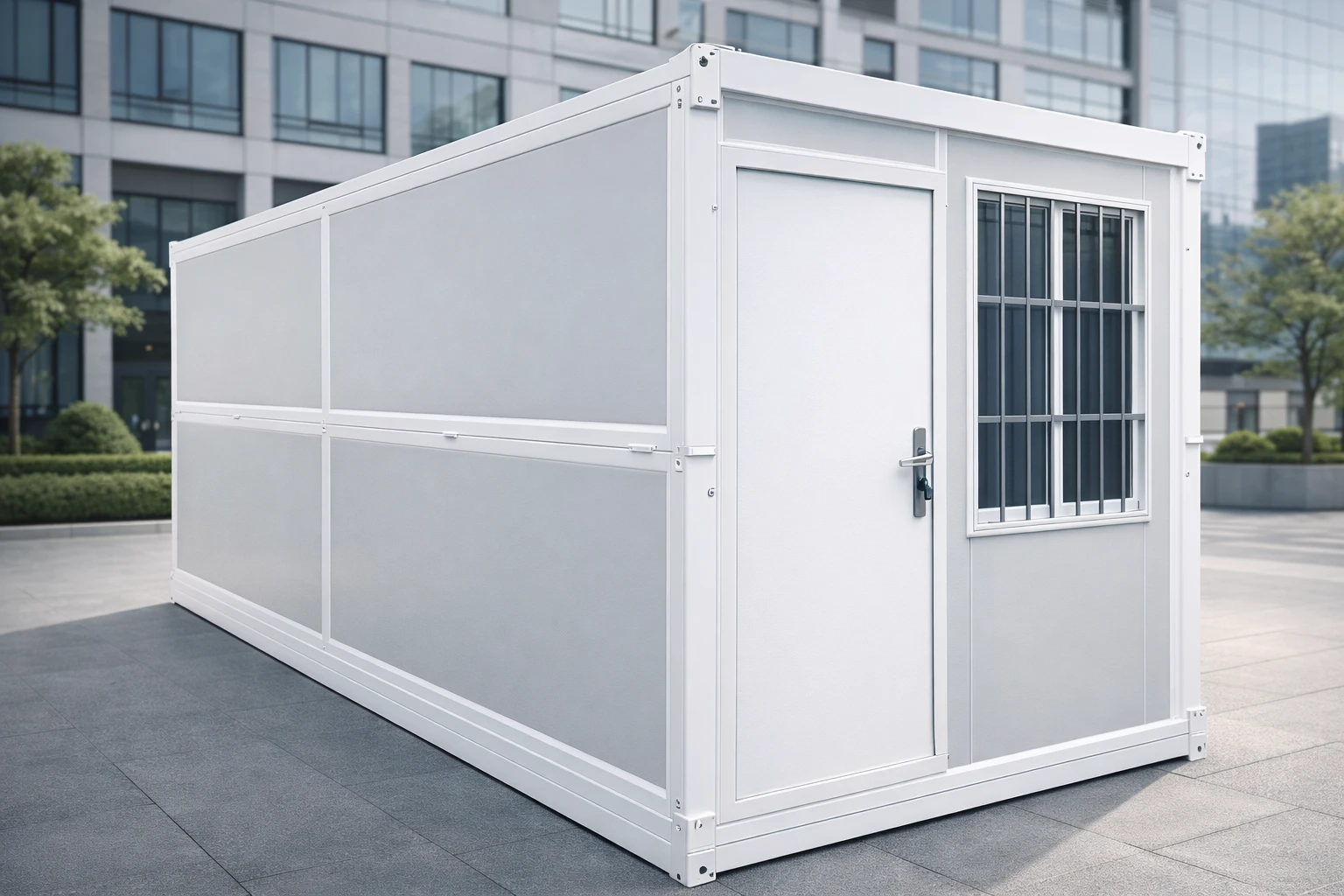
Once a mission is finished, modules can be disassembled, transported by truck, ship or air, and installed in a new location. This reusability makes one investment last as a long-term asset.
Container Hospital vs. Traditional Construction
What’s the advantage of a container hospital versus building a traditional hospital from the ground up?
|
Criteria
|
Konteýner hassahanasy
|
Adaty gurluşyk
|
|
Deployment time
|
Days to weeks
|
Months to years
|
|
Upfront cost
|
Significantly lower
|
High
|
|
Customizability
|
High (modular layout)
|
High (design-dependent)
|
|
Portability
|
Fully relocatable
|
Permanent
|
|
Infection control
|
Module-level isolation possible
|
Requires specific design
|
|
Best use case
|
Emergency, temporary, or semi-permanent
|
Permanent, high-volume facilities
|
In a nutshell: Container hospitals cannot substitute permanent hospitals. They are designed for circumstances when speed, mobility, and self-sufficiency are the main concerns.
Real-World Case Study: Post-Typhoon Recovery in the Philippines
The Challenge
During the aftermath of a typhoon, many regional hospitals in the Philippines were either overwhelmed or damaged. The local health authorities urgently needed post-operative recovery capacity to take care of the overflow of patients while the reconstruction of the hospital was being done. The environment was very humid, the power supply was unstable, and road access to the site was very difficult. Time was very important; the usual procurement and construction process could not even be thought of.
The Solution
ZN House teamed up with the authority to conceive and execute container hospital modules that were fitted to work as post-operative recovery units. The engineering department of ZN House collaborated intensively with ground coordinators to come up with a layout that could be assembled considering the restricted access of the site. Every single unit was built at the factory and pre-equipped with patient monitoring instruments, oxygen supply lines, and air-conditioned interiors before being dispatched. Such an off-site manufacturing method implied that units reached their destination ready to be connected and switched on, thereby avoiding the usual construction delays in a disaster-stricken zone.
The Outcome
Patients were moved to the temperature-controlled, medically equipped recovery units a very short time after the panel arrived on site. The modular arrangement and enabled the authority to increase capacity step by step as the patient count changed. After the permanent buildings were rebuilt, the container units of the ZN House were taken out of service and set aside for their use in future disaster response - So getting the most out of the investment over time.
Container Hospital vs. Modular Medical Clinic: Choosing the Right Solution
Actually, these two types of medical facilities are quite different - a container hospital and a modular medical clinic do get confused a lot. A container hospital is mainly meant for emergency and temporary missions, so it features very rapid deployment, strong structural integrity, and the capability to operate independently.
But a modular medical clinic is aimed at long-term use in a stable environment like a rural community, a corporate campus, or a city expansion area. It focuses on patient comfort, energy saving, and regular service provision. If you are asking for a rapidly deployable modular hospital unit, then a container hospital is the one. Yet, if you want a permanent or semi-permanent outpatient facility, then a modular clinic will be your best option.
For humanitarian aid generally, a refugee and disaster relief camp layout can work alongside the container hospital for multi-facility deployments.
Specification Overview
The following table outlines typical specifications for container hospital units:
|
Parameter
|
Typical Specification
|
|
Base structure
|
Corten steel shipping container frame
|
|
Standard module size
|
20ft or 40ft (customizable)
|
|
Zolýasiýa
|
Rock wool or polyurethane foam panels
|
|
HVAC
|
Integrated split system or negative-pressure ventilation
|
|
Power supply
|
Pre-wired; compatible with generator or grid input
|
|
Water & drainage
|
Pre-plumbed; connects to on-site supply or tank
|
|
Transport compatibility
|
Road, sea, or air (ISO standard dimensions)
|
|
Assembly time
|
1–5 days depending on configuration
|
If you are interested, you can check the Modular Container House designs of MEOX here.
The Future of Container Hospitals
In the future, container hospitals will probably be equipped with telemedicine, patient monitoring through IoT technology, and low-energy building systems, among other features. Mobility-based health units, like container hospitals, will gain global importance given that climate-related disasters will be happening more often, and remote healthcare is becoming more and more desired.
In a report by the International Federation of Red Cross and Red Crescent Societies, the organization pointed out that over the last 10 years, the number of people requiring emergency humanitarian aid has increased quite a bit. The report also mentions the importance of medical infrastructure that is flexible, rapid to deploy, and scalable in the coming years.
Container hospitals are a great fit to provide for that kind of need, not as a last resort, but as an excellent, well-advanced instrument for contemporary emergency healthcare.
Frequently Asked Questions
How quickly can a Container Hospital be deployed?
In many cases, the manufacturing and installation of a container hospital could take place within a few weeks, according to how large the project is and what level of customization is required. This is a much quicker pace than that of a conventional healthcare building.
Can Container Hospitals meet healthcare safety standards?
Yes. If designed properly, they could have medical-grade insulation, air-conditioning setups, toilet and clean-up facilities, electricity supply, and other infection control measures that are necessary in healthcare functioning.
Are Container Hospitals suitable for long-term use?
Absolutely. While lots of them are used for short-term projects, high-end modular healthcare facilities can also be designed to function as permanent clinics, healthcare centers, and even medical support buildings.
Visit the container hospital product page for more configuration options, a gallery of projects, and deployment case studies from Kenya, Turkey, South Korea, Saudi Arabia, and the Philippines.
Conclusion
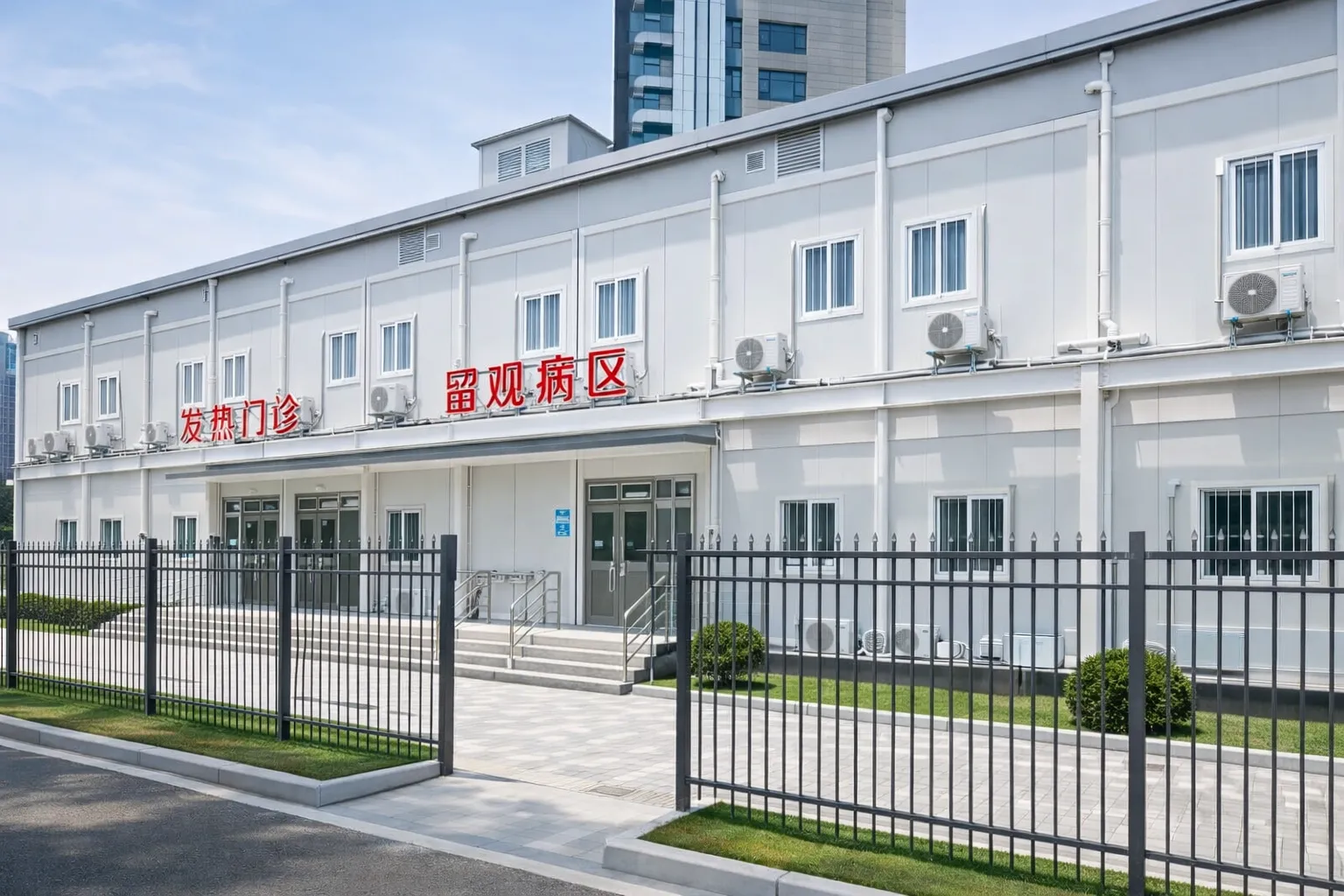
In response to mounting demands for quick, versatile, and economically viable medical infrastructure delivery, Container Hospital has become a powerful remedy. Quick set-up, modular expansion options, and changes in configuration all allow this type of hospital to be a valuable tool for emergencies, disease containment, outreach healthcare, and provisional facility enlargements.
If you want modular hospitals that work, ZN House can make container hospitals tailored exactly to the needs of the latest healthcare facilities. Besides efficiency, long life, and operational flexibility, they also consider the support of modern healthcare requirements.
Contact the design experts at ZN House today to request a comprehensive technical consultation and a free project quote.
Disclaimer: The technical data specifications, material and product information referred to are for container products produced by ZN House and may not be the same as the actual ones and can vary by project requirement, regional regulations and customization options.