Temporary Container Office in Manila: A Climate-Resilient Modular Workspace Solution
Rapid urbanization, short building schedules, and the requirement for more adaptable working areas have turned temporary container offices into a very functional solution in many parts of Southeast Asia. Metro Manila, Philippines, is an area characterized by a warm, humid atmosphere, a lot of rainfall, and crowded urban spaces. Here, modular container offices provide a quick, dependable, and climate-adapted substitute for traditional construction methods.
The article describes the example of a temporary container office in Manila and discusses the influence of the weather, local laws, and work needs on the design and layout of the project.
Project Overview: Temporary Container Office in Metro Manila
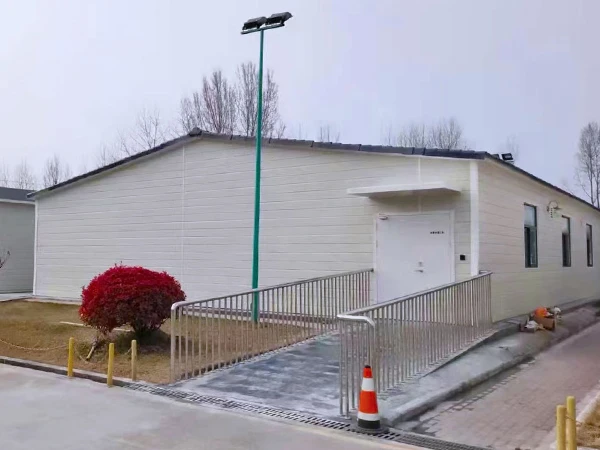
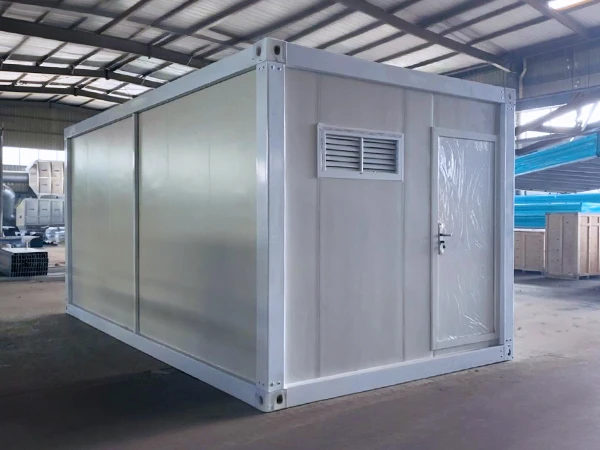
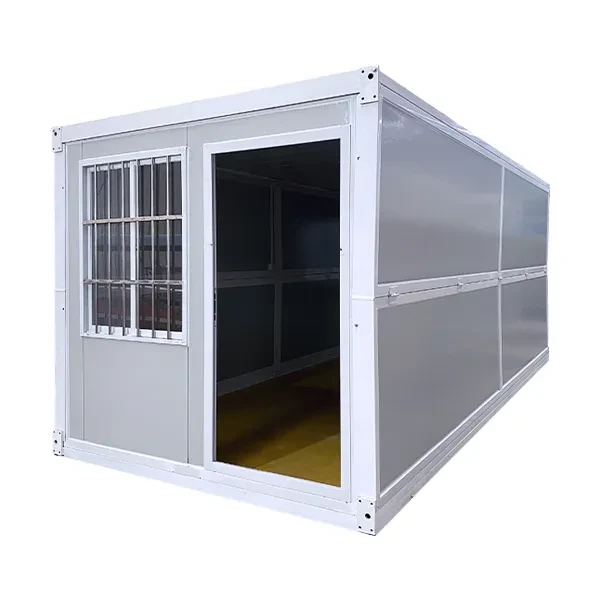
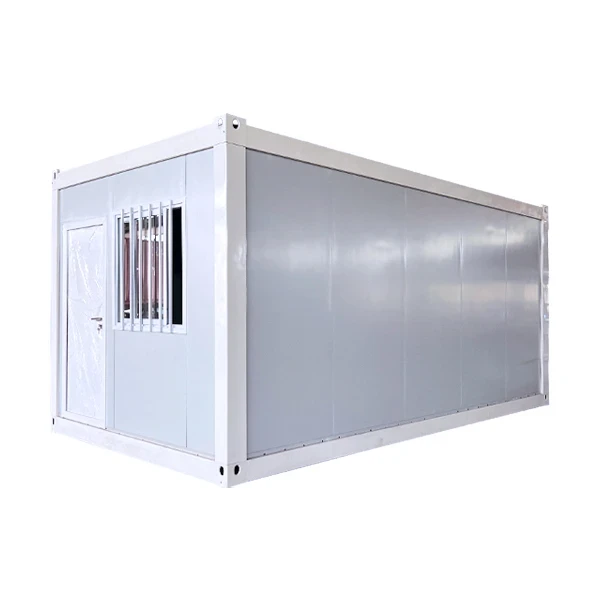
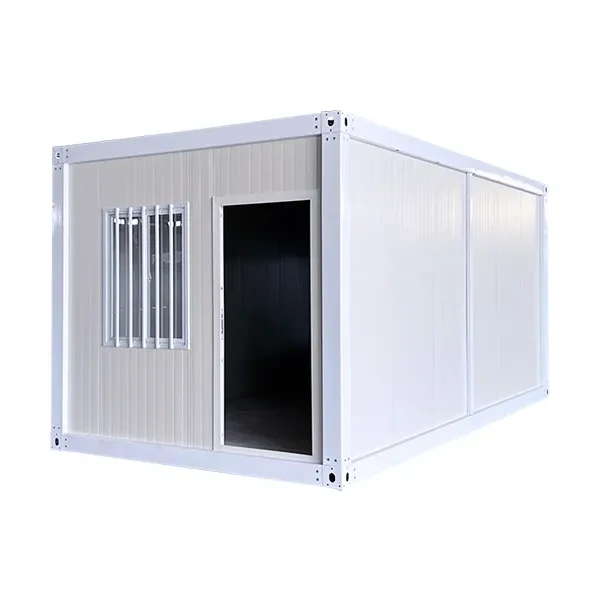
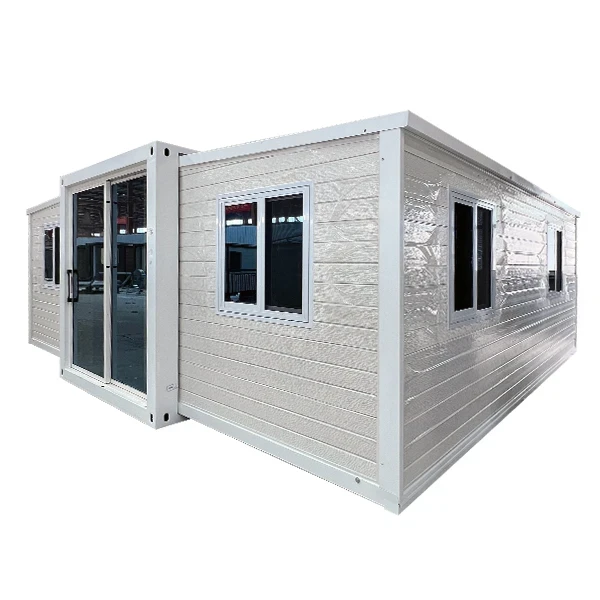
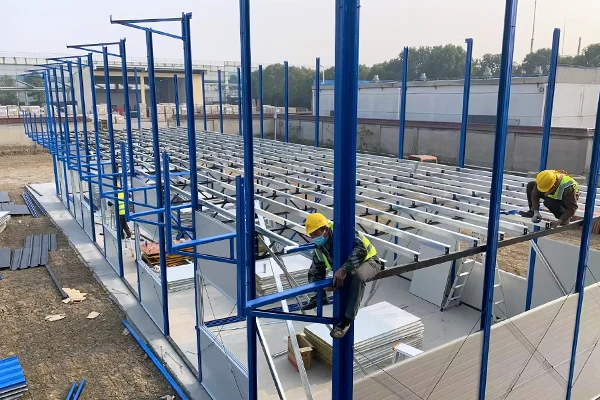
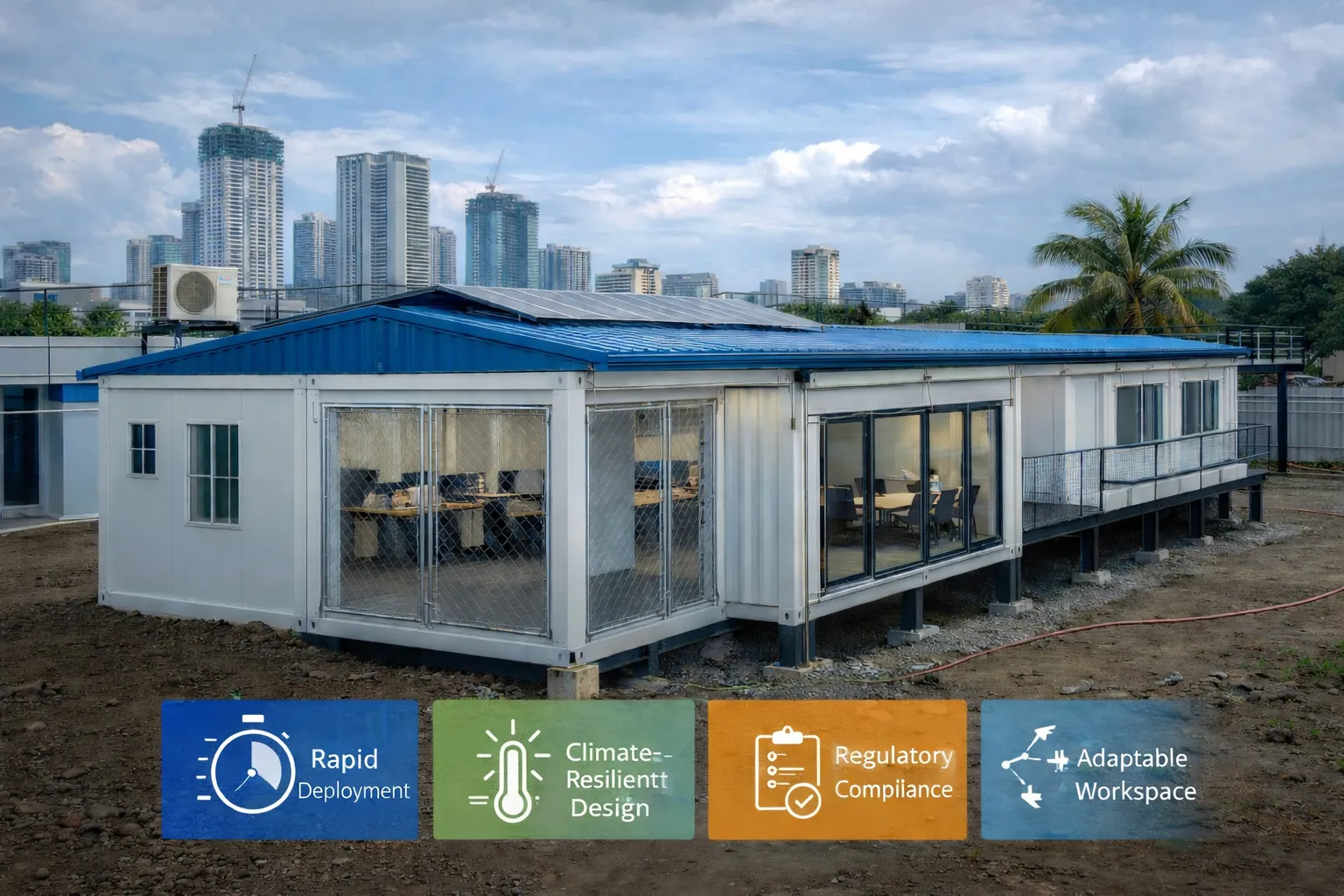
Located in downtown Metro Manila, Philippines, this application was produced in Manila and is a temporary office facility by its nature. In general, the development was made up of 50 modular container units with a gross floor area of about 800 square meters in total. The main aim was to establish a fully operational office atmosphere that could be set up rapidly and at the same time offer a professional workspace for everyday business activities.
Since the initial stage of planning, the project was mainly concerned with saving time, making the workplace comfortable for the employees, and ensuring the office could be used for a considerable time even though it was temporary.
|
Project Element
|
Details
|
|
Project Location
|
Manila, Metro Manila, Philippines
|
|
Project Type
|
Temporary Container Office
|
|
Total Number of Units
|
50 modular container units
|
|
Total Floor Area
|
Approximately 800 sqm
|
|
Primary Function
|
Administrative and operational office use
|
|
Deployment Objective
|
Rapid installation with professional working conditions
|
Table 1: Project Overview Summary
Why Container Offices Are Ideal for Temporary Workspaces in the Philippines
In rapidly expanding cities such as Manila, companies usually need office space that can be set up fast and with no need for the lengthy approval cycle, increased costs, and disruption that are natural to permanent construction.
Temporary container offices provide several advantages in this context:
- Rapid manufacturing and installation times
- Fixed costs and less on-site labor
- Less disruption of the site in crowded urban locations
- Option to grow, move, or take apart if the project requirements change
When it comes to businesses that are on leased land or temporary premises, modular container offices provide a good compromise between fast delivery, efficient working, and enduring value.
Climate-Driven Design for Tropical Conditions
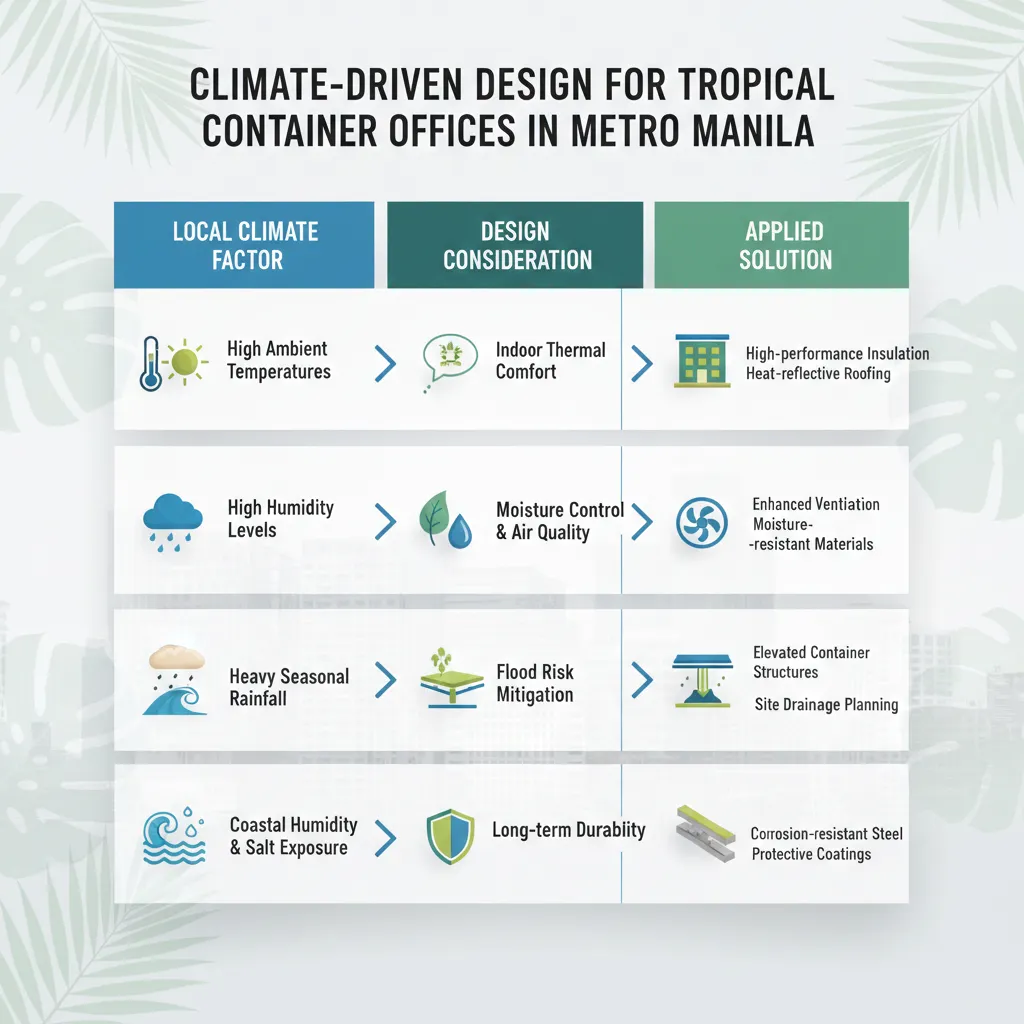
Metro Manila's weather has always been a major influence on how the container office was designed. The local climatic conditions, which include high temperatures, very humid air, heavy rains during the monsoon season, and occasionally, salt-laden air from the sea, had to be taken into account and resolved through specially chosen technical measures if the container office was to be both long-lasting and comfortable for the users.
Thermal Comfort and Ventilation
In order to mitigate heat accumulation and humidity:
- To reduce the conduction of heat through the building envelope, high-performance insulation materials were employed.
- The design of roof systems was such as to reduce the effect of the sun's heat on the surface.
- Air circulation inside the building was improved by a combination of increased natural and mechanical ventilation.
The implementation of these strategies resulted in a comfortable indoor working environment being sustained during even the most intense summer days.
|
Local Climate Factor
|
Design Consideration
|
Applied Solution
|
|
High ambient temperatures
|
Indoor thermal comfort
|
High-performance insulation and heat-reflective roofing
|
|
High humidity levels
|
Moisture control and air quality
|
Enhanced ventilation and moisture-resistant materials
|
|
Heavy seasonal rainfall
|
Flood risk mitigation
|
Elevated container structures and site drainage planning
|
|
Coastal humidity and salt exposure
|
Long-term durability
|
Corrosion-resistant steel and protective coatings
|
Table 2: Climate Conditions and Design Responses
Rainfall and Flood Mitigation
Heavy rainfall and localized flooding are typical problems that Manila faces. Steps taken to lower the risk:
- The level of the container units was raised above ground.
- Drainage planning was integrated into the site layout.
- Moisture-resistant flooring and wall systems were installed.
This strategy not only lengthened the time that the building could be used but also safeguarded the interior parts and equipment.
Corrosion Resistance
Due to the area's high humidity and occasional salty environment:
- Corrosion-resistant steel parts are chosen
- Protective paints and finishing are done for the main components
- The fasteners and connections are selected for tropical durability
Such steps have helped to greatly extend the usage of the container office units along with lower maintenance needs.
Office Layout Designed for Productivity and Comfort
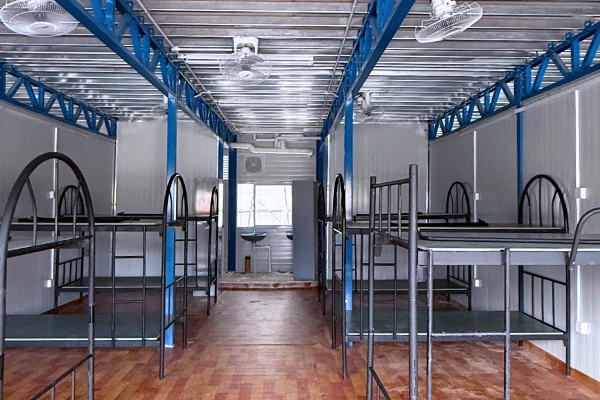
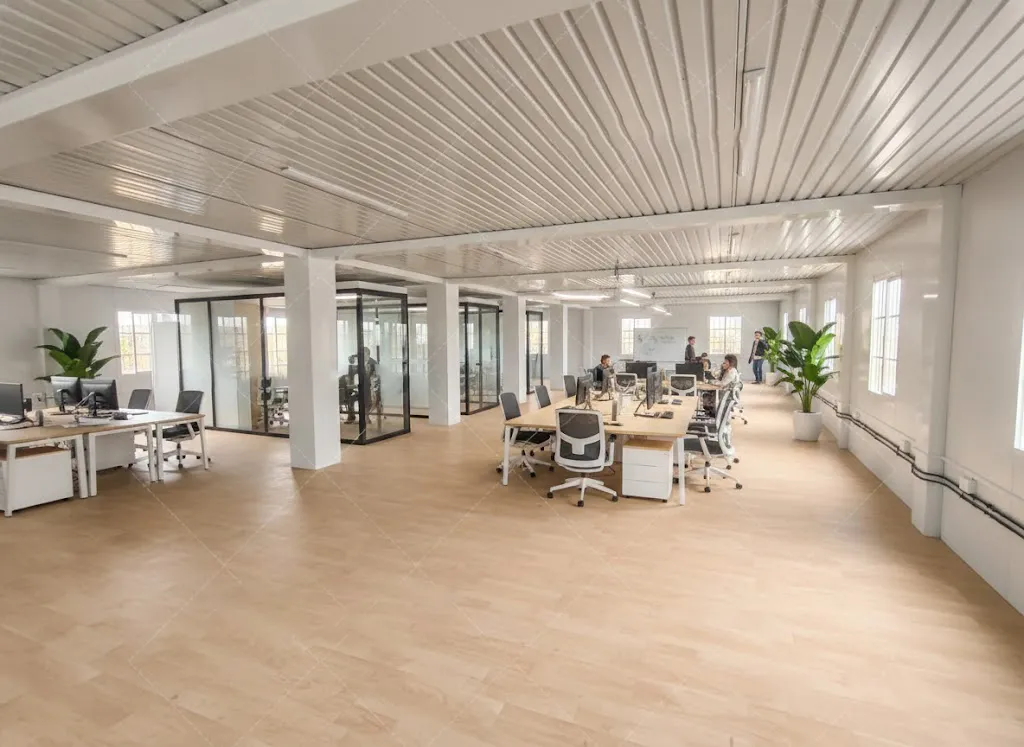
The internal office container layout was designed primarily to enhance productivity, comfort, and workspace economy. 50 units were creatively arranged to deliver a well-balanced mix of open office space, private offices, and meeting rooms, thus giving employees freedom to collaborate and, at the same time, providing them with access to quieter spaces for focused work and discussions. Properly defined circulation paths were integrated into the layout to facilitate daily smooth movements and thus, minimize congestion in the office environment.
Although the office structure was a temporary one, the design was aimed at being professional and functional rather than temporary. Sufficient ceiling height, natural light whenever possible, and a thoughtful layout helped create a work environment supporting employee happiness and efficient work operation.
|
Functional Area
|
Purpose
|
Design Focus
|
|
Open office zones
|
Daily team operations
|
Efficient space use and collaborative workflow
|
|
Private offices
|
Management and focused work
|
Acoustic separation and privacy
|
|
Meeting rooms
|
Discussions and coordination
|
Glass partitions and professional presentation
|
|
Circulation areas
|
Internal movement
|
Logical layout and reduced congestion
|
|
IT and utility zones
|
Technical infrastructure
|
Organized cabling and easy maintenance access
|
Table 3: Office Layout and Functional Configuration
Integrated Electrical and IT Infrastructure
Most office functions today are very much dependent on uninterrupted power and data connectivity.
To address this, the container office layout included:
- Electric outlets in sufficient numbers at the areas where the staff work
- Separate data ports for IT gear
- Cable raceways are built in for wiring to be neat and orderly
- Technology upgrades are planned based on the capacity of the system
Thus, the office had all the facilities necessary to support everyday operations right after the installation, and it was not necessary to carry out comprehensive modifications after delivery.
Regulatory Considerations and Quality Assurance
The container office design also takes into account adherence to the Philippine building codes that are in effect, most especially the National Building Code of the Philippines (NBCP), which sets the rules for structural safety, occupancy standards, and the ability to withstand natural disasters of buildings in the country. These regulations make perfect sense in Metro Manila where one has to consider the wind loads, seismic activities, and climate-related hazards, in the process of preplanning and execution of the project.
Although the project was planned for a temporary office only, meeting local regulations and safety standards still had to be a major focus of the work. The architects considered the Philippine building codes in their design, focusing on the parts that govern structural stability, resistance to wind, and seismic performance.
The emphasis on these features is justified by the fact that the area is prone to typhoons and earthquakes. In terms of the manufacturing aspect, ISO-certified operations were taken as a standard to guarantee that the modular components would be of consistent quality and reliability.
By being conscious of the regulations and having standardized quality control, the company was able to produce a container office solution that not only fulfils the functional requirements but also ensures safety in the local setting.
Customization to Meet Office-Specific Needs
Office container projects normally demand a higher level of customization compared to standard accommodation units, and this case was one of such.
Internal areas were fitted out for office purposes by adding internal partitions that separate work areas and meeting rooms, yet opening space was not sacrificed. Glass doors and see-through partitions were used in main areas to enhance visual connection and the entry of natural light.
Extra power outlets and data points were installed in various spots to facilitate different types of workstations and equipment layouts. In the places where heavier loads were anticipated, the floor was doubly strengthened for greater durability and extended service life. Such personalized features made it possible for the container office to be a viable and comfortable working environment that met the client's mission requirements.
Project Challenges and On-Site Solutions
As with many urban projects in Manila, site conditions presented certain challenges.
Key Challenge: Site Access and Ground Conditions
Limited access and uneven ground certainly made the planning of delivery and installation a bit more complicated.
Solution Approach
- Early coordination with the client’s local contractor
- Use of adjustable steel piers to accommodate uneven ground
- Flexible installation sequencing to adapt to site constraints
By detailed planning and communication, the installation was accomplished without a hold-up to the whole project timeline.
Key Advantages of Our Container Office Solutions
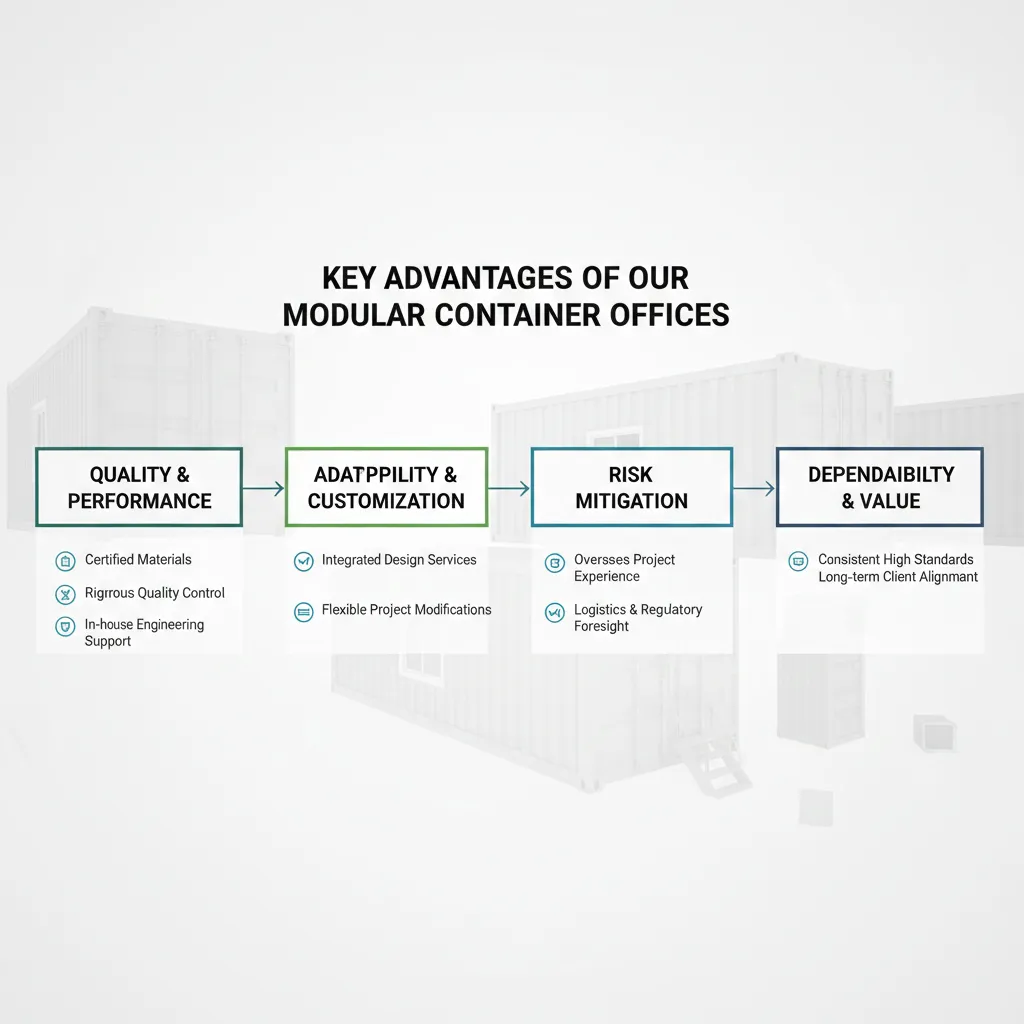
The temporary container office project in Manila, turning out to be a success, is just one example of a broader range of advantages that our modular building method possesses. Strict adherence to the use of certified materials, rigorous quality control, and provision of engineering support from within the company serve as the main reasons for obtaining the same level of performance wherever the projects are located.
Moreover, the capability to deliver integrated design services and the flexibility to allow modifications for different projects make every solution on target with the client's needs. Besides, the overseas project experience adds to our internal knowledge base by enabling us to foresee the problems related to logistics and regulations at an early stage of the project, thus saving the project from unexpected risks and delivering the project outcomes that are more in line with the client.
These elements, taken together, are what make the container office solutions not only dependable and versatile but also of a very high standard in terms of quality.
To know more about the Container Office, please visit our product page here.
Conclusion: A Proven Temporary Office Solution for Tropical Markets
This temporary container office in Manila shows that modular construction is a great way to innovate and achieve an efficient and climate-friendly building in a tough tropical environment, while still working within tight urban sites and quickly changing business needs. During climate-responsive design, layout planning to accommodate the everyday activities of the users and the decision to follow through on the quality and compliance of the project, the team managed to deliver a comfortable and efficient working environment in a very short time.
With flexible and scalable office needs becoming the focus of businesses throughout Southeast Asia, modular container offices are a tried-and-tested, viable solution. This Manila project is exemplary and can be used as a guideline for similar developments in tropical and high-density environments.