Construction Camp Containers: The Smart Workforce Housing Solution for Modern Project Sites
To learn more about Shipping Container Dorms, please visit the MEOX product page hereFrom running a remote road building project to leading an enormous energy site project, there is always a common problem that arises: how do I house, provide food and support my workforce efficiently, safely and at the lowest cost? Increasingly, the answer is to use construction camp containers, or modular, manufactured containers; they can convert undeveloped land into fully functional worker "villages" in a short amount of time.
This paper discusses the reasons why the construction camp container structure has become the preferred solution for project managers worldwide, what to consider when choosing a solution, and how actual field operations have produced measurable success.

What Is a Construction Camp Container?
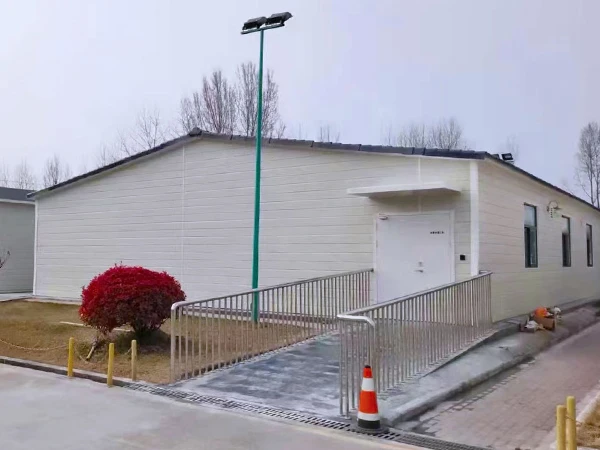
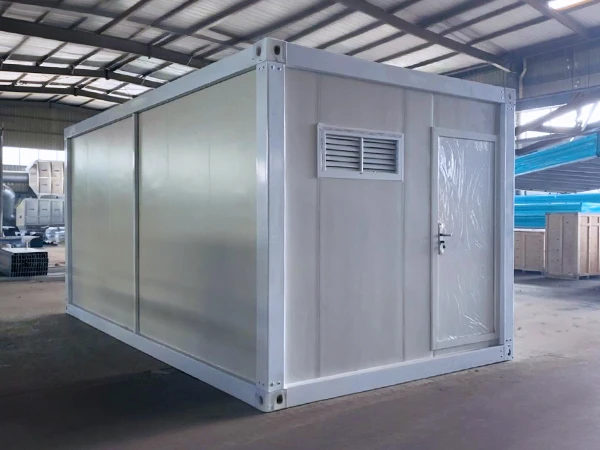
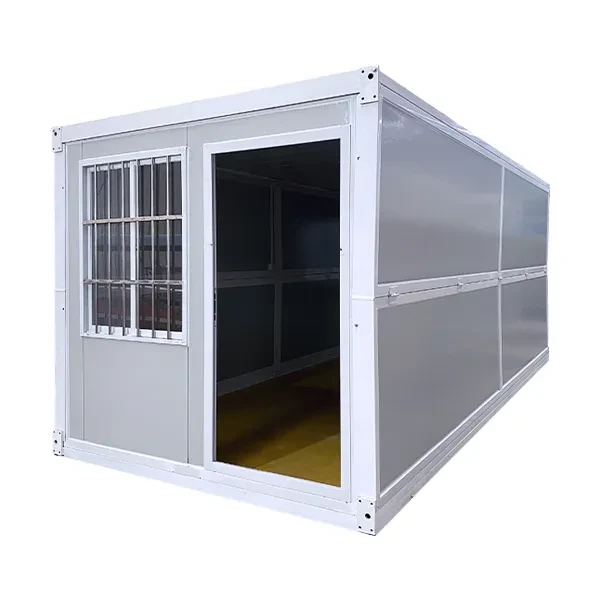
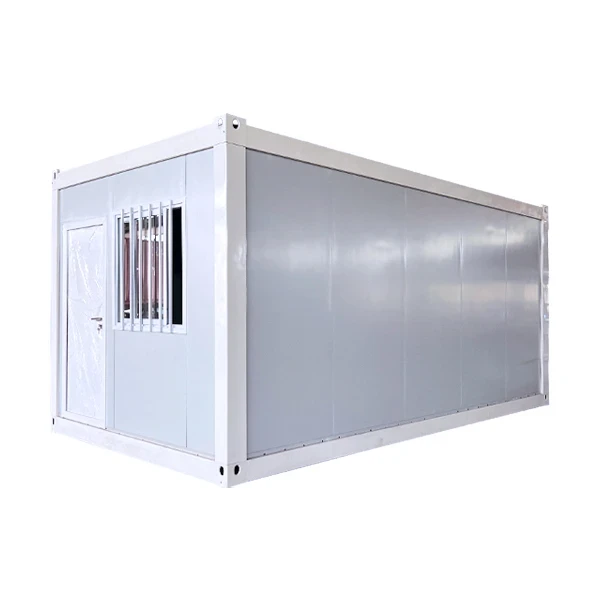
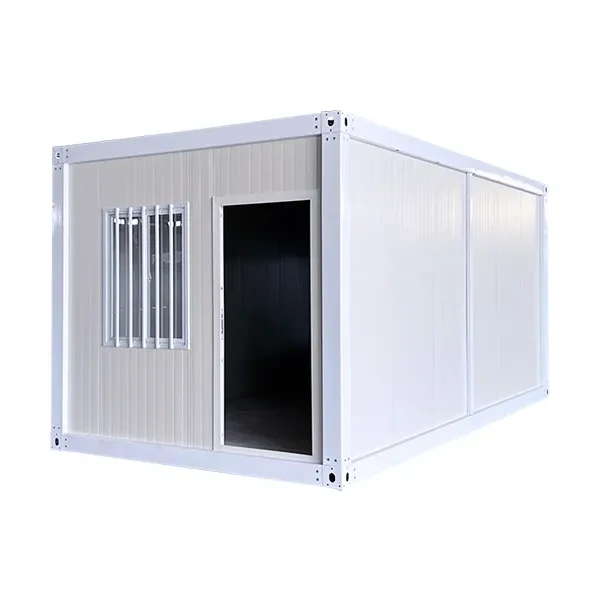
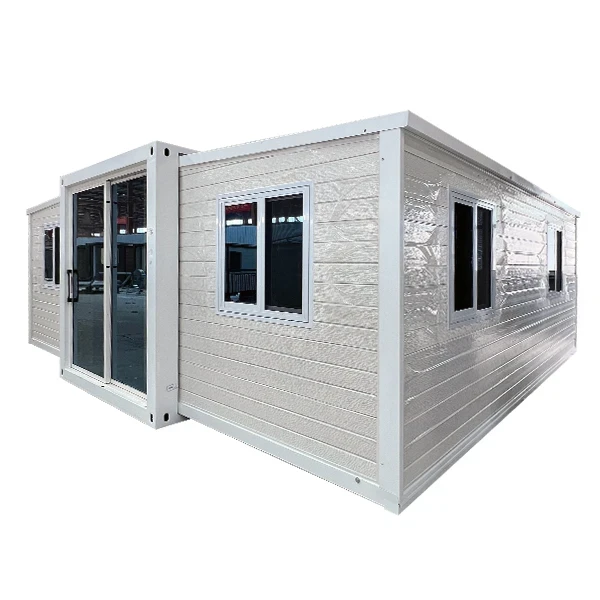
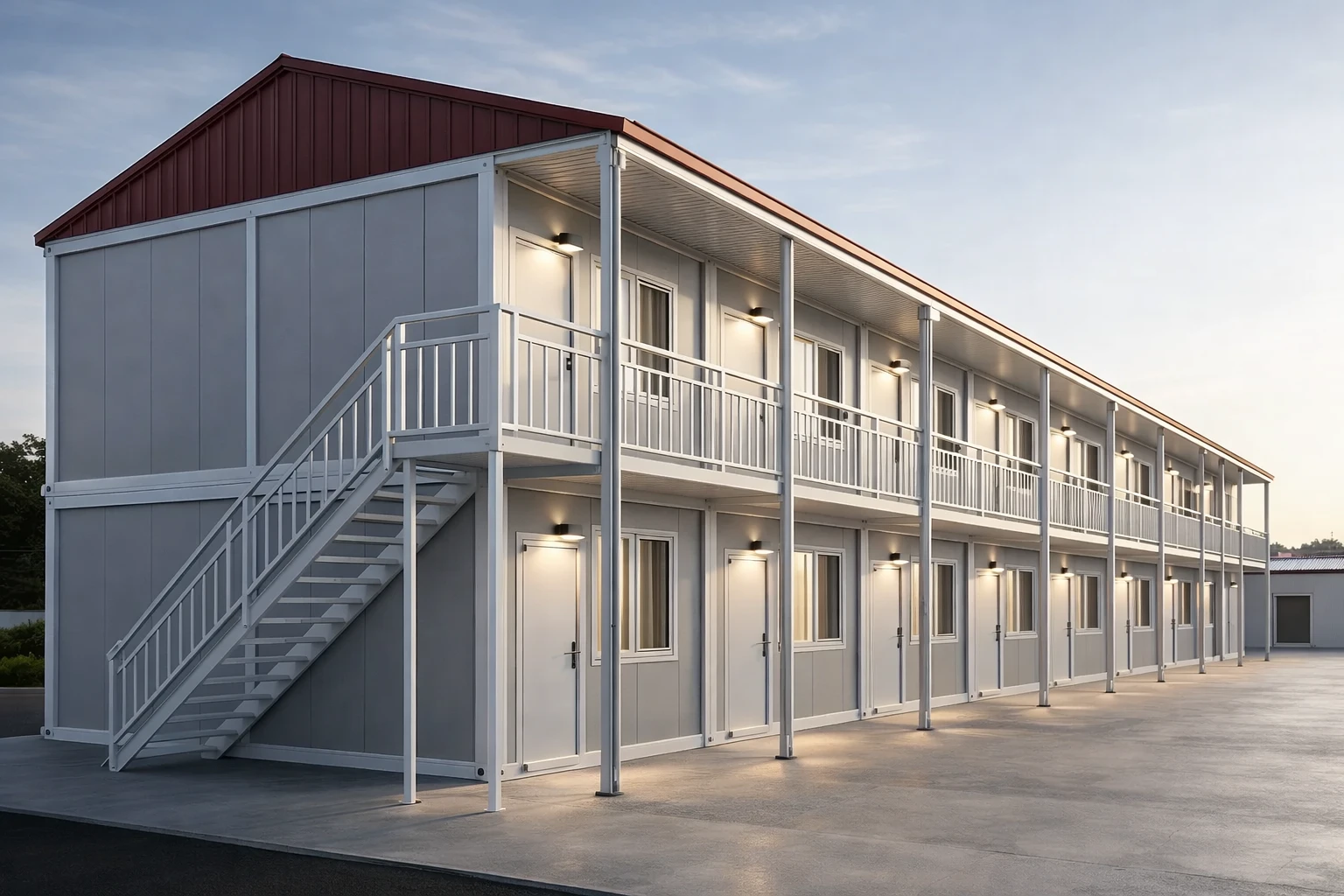
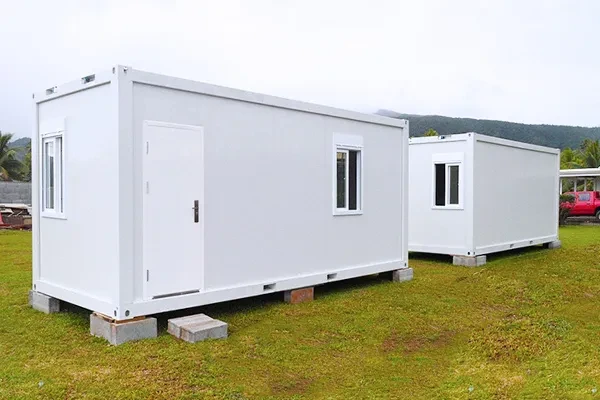
A construction camp container is a pre-engineered, factory-assembled module that is planned to be used as a temporary or semi-permanent accommodation and workspace on the sites where projects are carried out. Unlike traditional site huts or prefab timber structures, these units are built around a steel container frame, which makes them have higher structural integrity, weather resistance, and be stackable into multi-storey configurations.
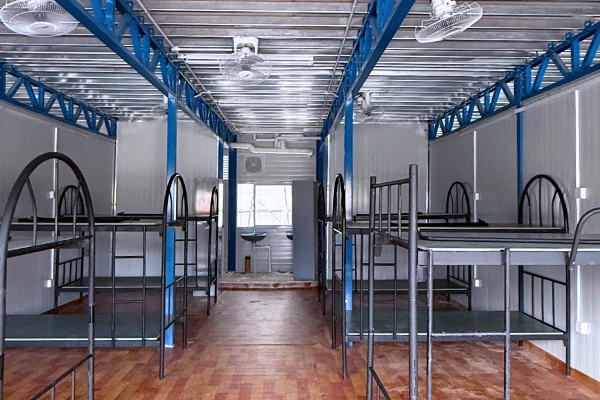
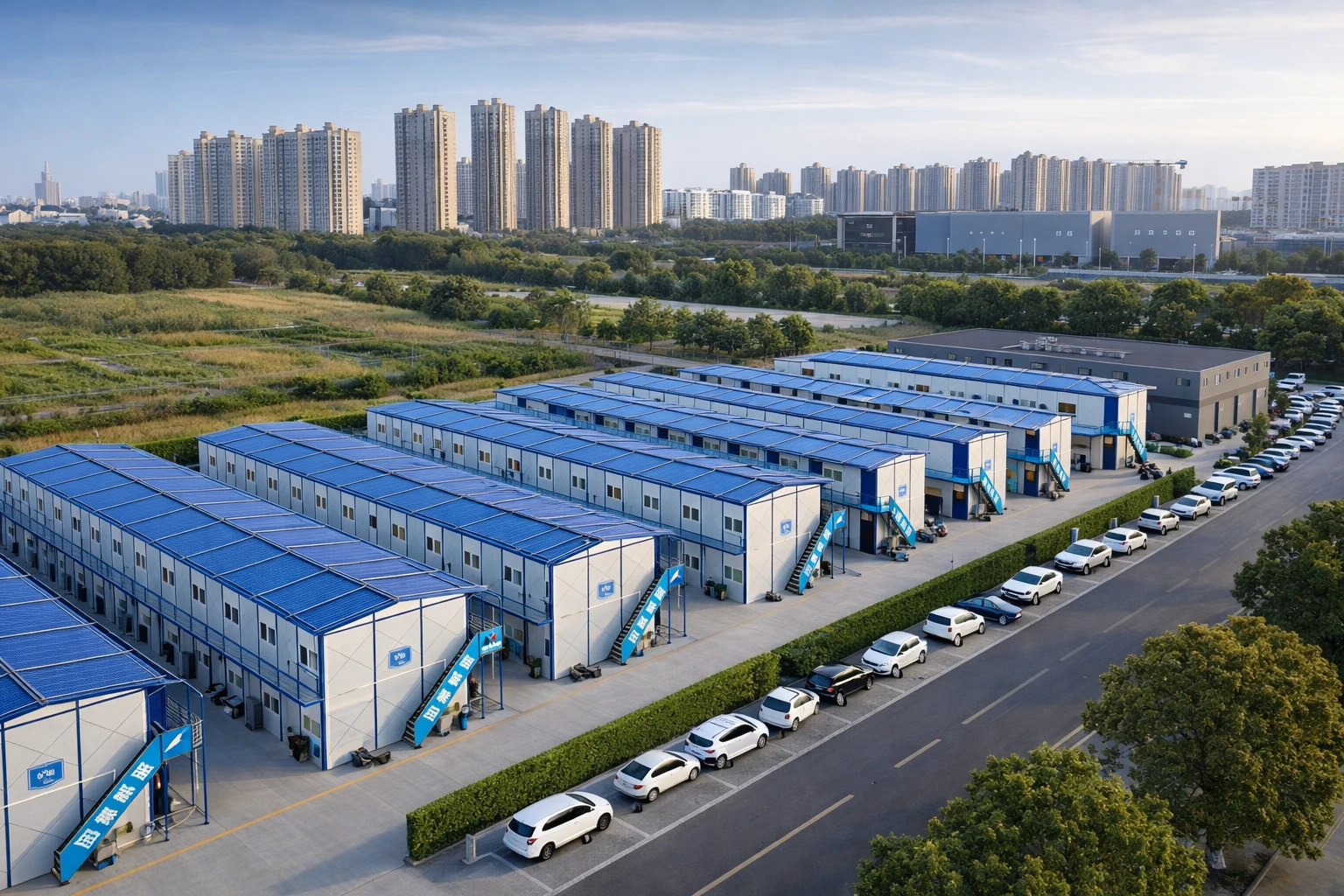
A full container construction camp normally consists of dormitory units, communal bathroom and sanitation blocks, commercial-grade kitchen and dining hall, management offices, and sometimes a medical unit, all pre-wired, pre-plumbed, and ready for rapid connection on arrival.
As stated in the McKinsey Global Institute's 2017 report "Reinventing Construction: A Route to Higher Productivity", closing the productivity gap of the construction sector is a $1.6 trillion opportunity in value added, highlighting the urgent need for smarter, faster site solutions. Modular worker camps, purpose-built, are the direct answer to this by getting project mobilization time and operational friction, which causes project slowdowns, down to a minimum.
Key Features and Specifications
Modern construction site camp containers are capable of being configured in many different ways. This table describes the usual technical specifications:
|
Feature
|
Standard Specification
|
|
Common module sizes
|
2.40 × 6.00 m / 3.00 × 7.00 m
|
|
Stacking capability
|
Single, two-storey, and three-storey
|
|
Frame material
|
گالۋاڭلاشتۇرۇلغان پولات
|
|
Wall panels
|
High-grade EPS/rock wool / PU sandwich panels
|
|
Certifications
|
ISO / BV / CE compliant
|
|
Typical delivery lead time
|
2–6 weeks from order
|
|
On-site assembly time
|
Days (depending on scale)
|
|
Climate suitability
|
Tropical, arid, alpine, and high-humidity environments
|
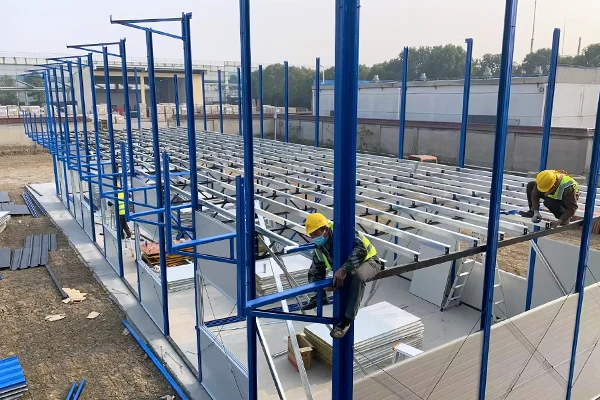
These specifications essentially turn a container construction camp into something quite different from a typical site accommodation. Because the building process is controlled in a factory, the MEP systems - mechanical, electrical, and plumbing - are pre-installed and tested before being shipped, which eliminates a significant source of on-site delay.

Modular Layouts for Every Project Scale
One of the best aspects of making worker camp containers with modules is the ability to scale up or down as needed. Choosing the perfect layout relies a lot on how many people are working and how long the project will take.
|
Camp Scale
|
Occupancy
|
Typical Configuration
|
|
Small
|
Up to 50 people
|
Single-story bunk dorms, compact sanitation block, canteen module, site office
|
|
Medium
|
50–100 people
|
Two-story stacked dorms, commercial kitchen/dining, management offices, secure storage
|
|
Large
|
100+ people
|
Self-contained village with dorm wings, multiple dining halls, medical/first-aid unit, recreational containers, wastewater treatment, power management
|
For major operations, the modular worker camp container concept can even be fitted to include hybrid generator and solar power management systems, which can Much lessen the dependence on fuel and the operating costs over time. Standard fit-out packages can include rooftop terrace spaces, energy-saving LED lighting, and HVAC systems.
When it comes to office space, the modular office building range is designed to fit perfectly with camp accommodation modules, providing you with a unified and well-equipped site compound.
Real-Life Case Study: Remote Infrastructure Project
A major road construction project in Southeast Asia needed to provide housing for more than 300 workers in a remote mountainous area with limited access to infrastructure. The project encountered a number of problems:
Key Challenges
- Remote transportation conditions
- Tight construction schedule
- Extreme seasonal rainfall
- Need for worker housing, offices, and sanitation facilities simultaneously
Solution Provided
ZN House supplied a modular Construction Camp Container system, including:
- Worker dormitories
- Modular office units
- Dining and kitchen facilities
- Portable sanitation modules
The units were made ready for use by the preparation of components before their shipment and the work at the site was made less complex greatly. Besides, elevated Steel foundations were also used to facilitate drainage during periods of heavy rainfall.
Project Outcome
- Camp installation completed within weeks
- Reduced labor dependency on-site
- Improved worker comfort and operational efficiency
- Easier future relocation after project completion
The project showed how modular camp systems can simplify the logistics of complex remote sites, while maintaining quality standards.
Why Modular Container Camps Outperform Traditional Site Accommodation
The Modular Building Institute has found that with modular construction, project schedules can be shortened by as much as half compared to traditional building methods. When it comes to construction camps, this means quicker mobilization and starting the project sooner.
Speed aside, here are a few other great reasons to go with container-based solutions:
Cost Efficiency Over the Project Lifecycle
Construction camp containers are initially made in such a way that they can be taken apart, moved, and installed again at new locations. Instead of simply considering temporary accommodation as a loss, project owners can give a second life to these modules by deploying them in different projects. This way, the cost-per-bed effectively goes down with each use of the container.
Compliance and Worker Welfare
Occupational health and safety regulations are being made more rigorous in almost all regions. Modules made in the factory that are constructed with fire-resistant materials, have electrical systems that are certified, and provide sanitation that is also compliant will be much easier to get the green light compared to the structures that are built on-site.
Environmental Footprint
Less onsite construction means reduced waste production, diminished ground disturbance, and a drop in carbon emissions - considerations that have become critical components of ESG reports.
If the project is among those necessitating medical infrastructure facilities, the container hospital module can be joined to any of the big camp setups and can offer hospital-standard facilities without the installation of a permanent structure.
Applications Across Industries
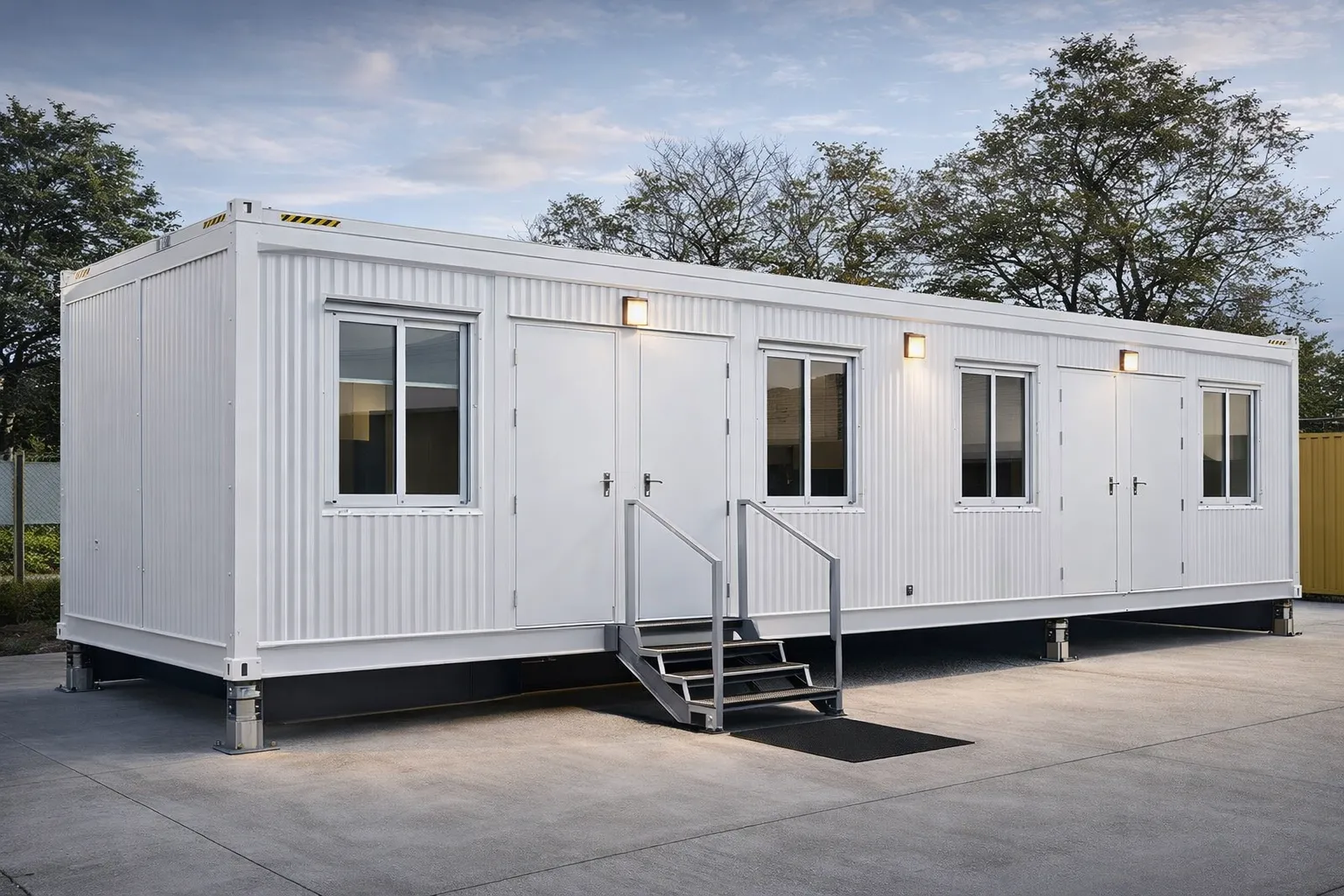
Container construction camps are not just for infrastructure projects. They also serve many other sectors:
|
Industry
|
Typical Use Case
|
|
Civil infrastructure
|
Road, bridge, and tunnel projects
|
|
Energy & oil/gas
|
Remote field accommodations for rotating crews
|
|
Mining
|
Long-term worker villages in isolated locations
|
|
Research & exploration
|
Scientific stations in extreme environments
|
|
Event logistics
|
Temporary staff villages for large-scale events
|
To learn more about Shipping Container Dorms, please visit the MEOX product page here.
Frequently Asked Questions
What is the lifespan of a construction camp container?
Depending on the material quality, environmental conditions and maintenance practices, a high-quality container camp can generally last 15-25 years.
Can construction camp containers be customized?
Yes. Modular camp systems may be adapted for sleeping capacity, insulation, working areas, bathroom facilities, and climatic conditions.
Are container camps suitable for extreme climates?
They have insulated walls, compatible HVAC systems, and reinforced structures that make them survive well in hot, cold, humid, or even desert environments.
Conclusion
Construction camp container systems, when designed well, secure the biggest challenge that contractors face during project execution in remote areas: the provision of workforce facilities that are safe, efficient, and scalable.
Modular container camps can be deployed faster, offer more flexible arrangements, produce less waste, and provide greater value over a longer period than site-built camps. The global expansion of infrastructure and energy projects will only raise the importance of modular workforce accommodation in construction operations.
For a project that needs fast, dependable workforce housing, ZN House's container construction camp solutions provide the engineering expertise, customisation flexibility, and global logistics capability to serve projects of any size a remote camp for 30 people or a self-contained village site for 200 persons.
Contact the ZN House team with your project details.
Disclaimer: Specifications, technical data, and materials listed in this article come from ZN House Container Product information. Actual specifications, materials, dimensions, and technical details may differ from what is cited in this article due to project requirements, regional requirements, and customization.