Portable Hygiene Solutions: A Practical Guide to Sanitation for Any Site
Clean toilets may never become news headlines, but they reveal whether a project has truly been completed or simply left unfinished. Whether it is a construction site, a miners’ camp, or a weekend festival that you organize, now you will see that mobile sanitary facilities play an important part in organizing the work at the place of activity. In the following guide, we will give you complete overview about the up-to-date mobile toilets and how to operate them.
What Are Portable Hygiene Solutions?
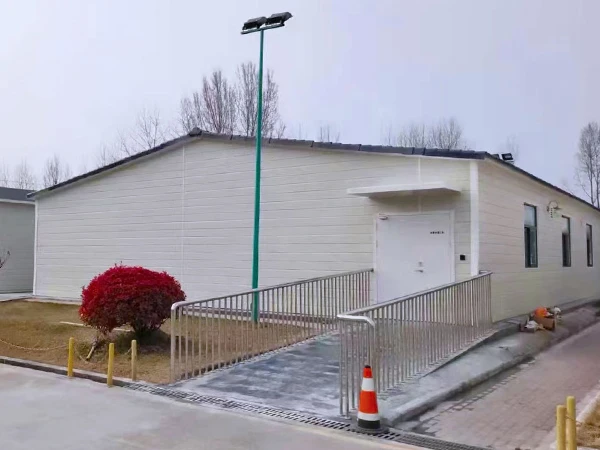
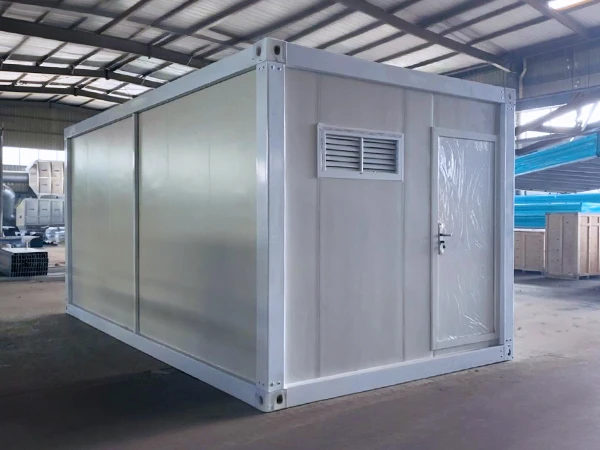
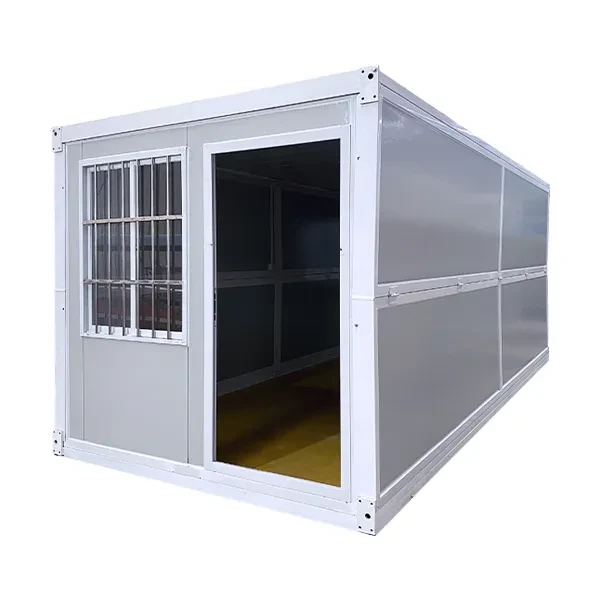
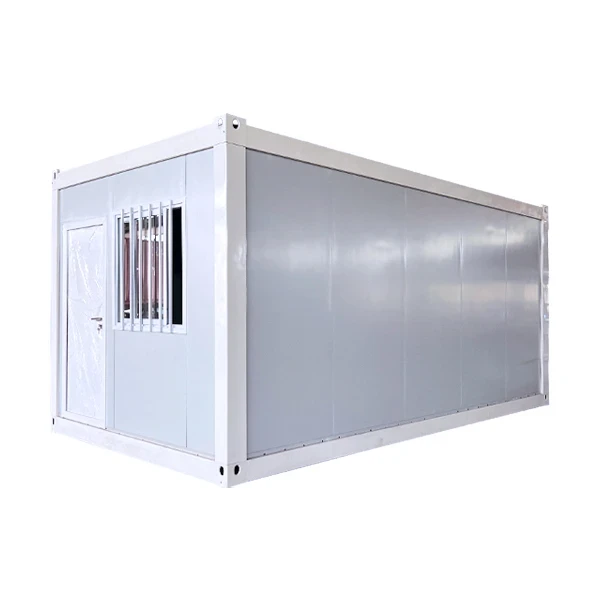
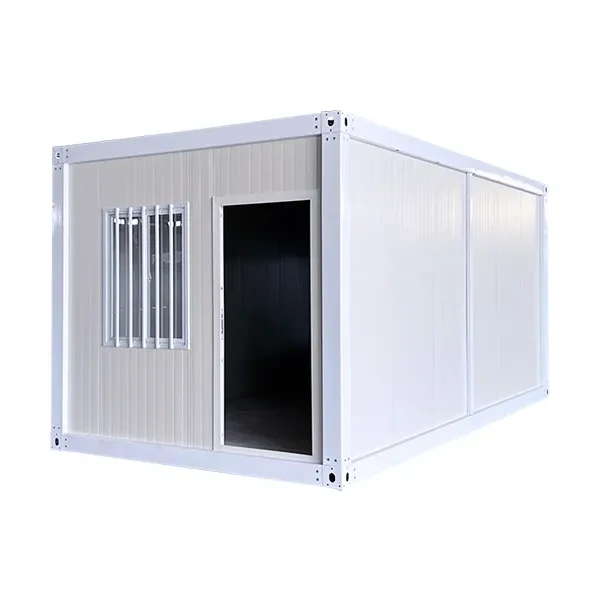
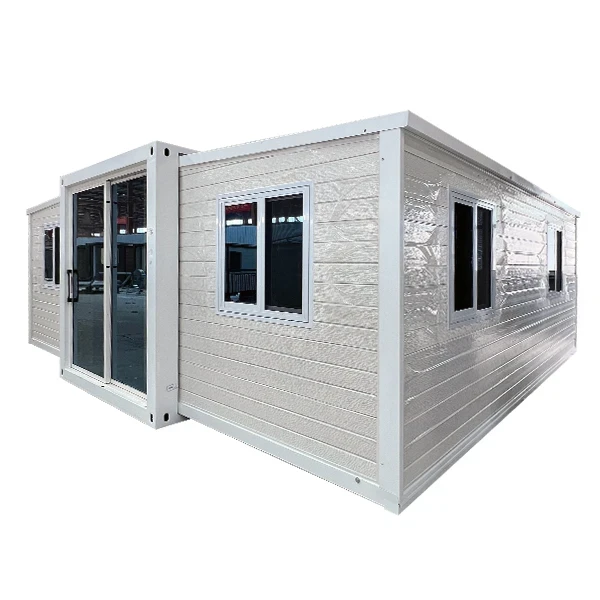
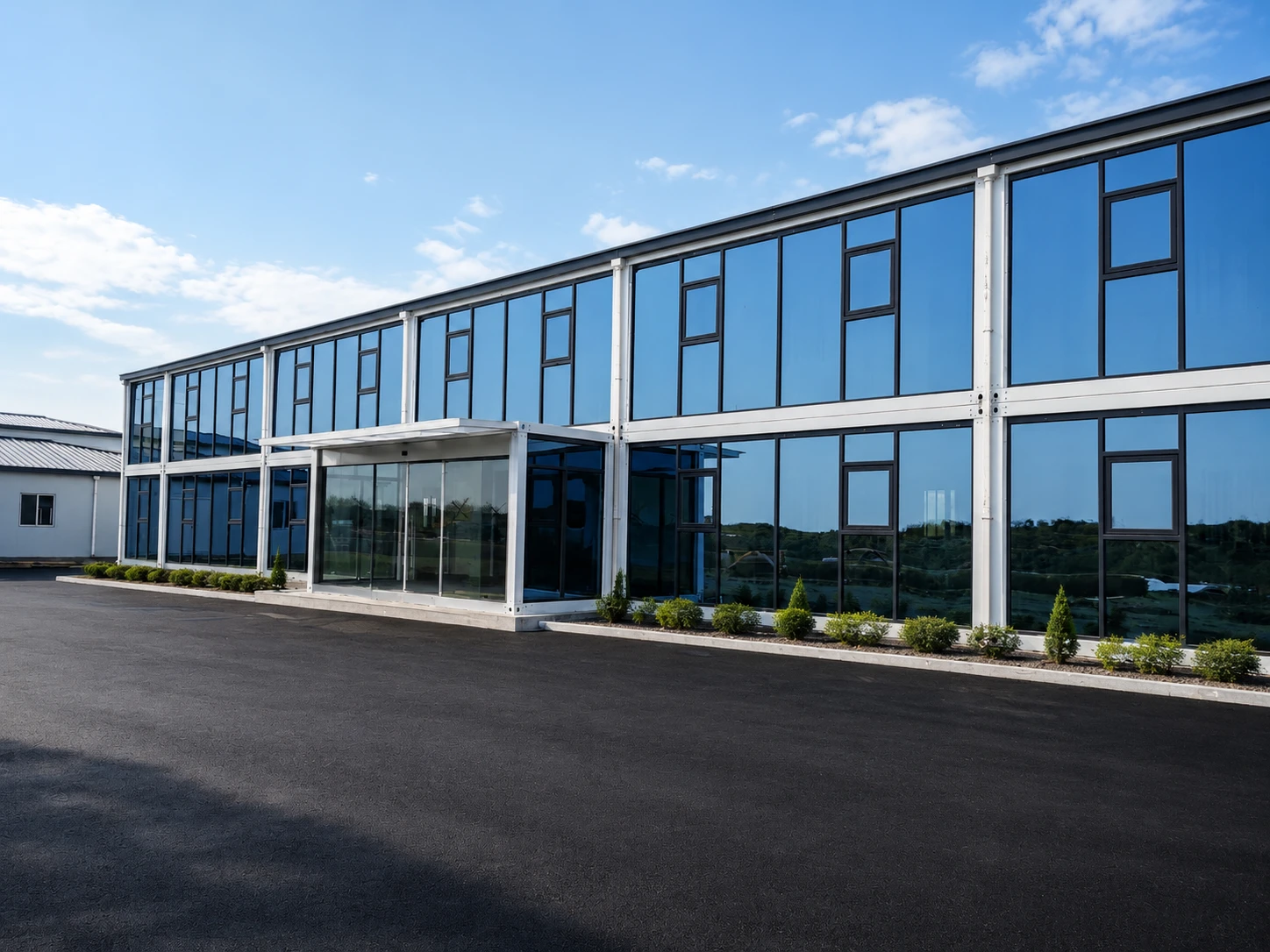
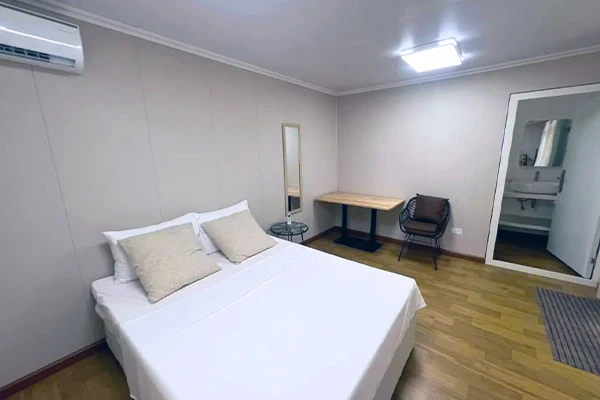
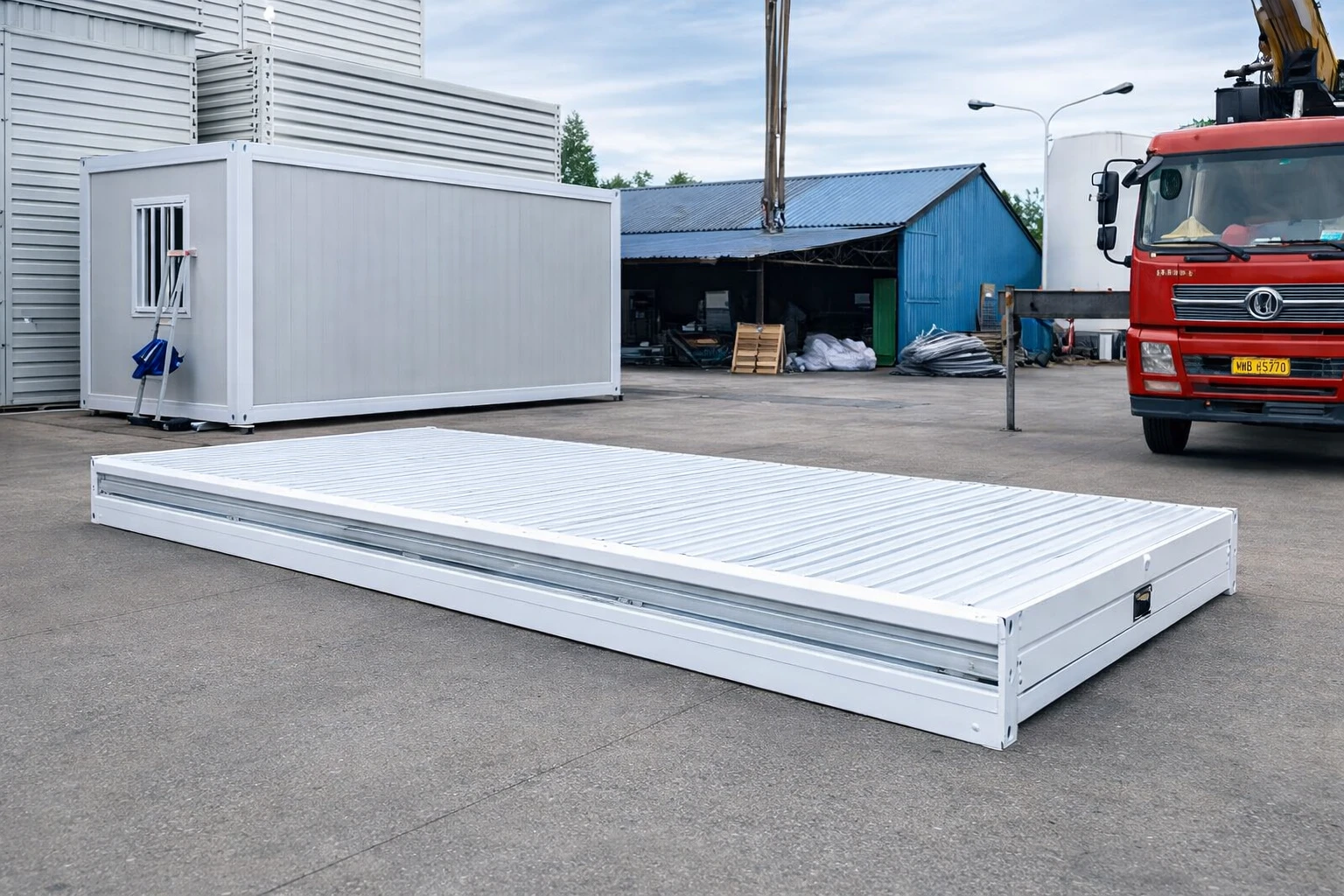
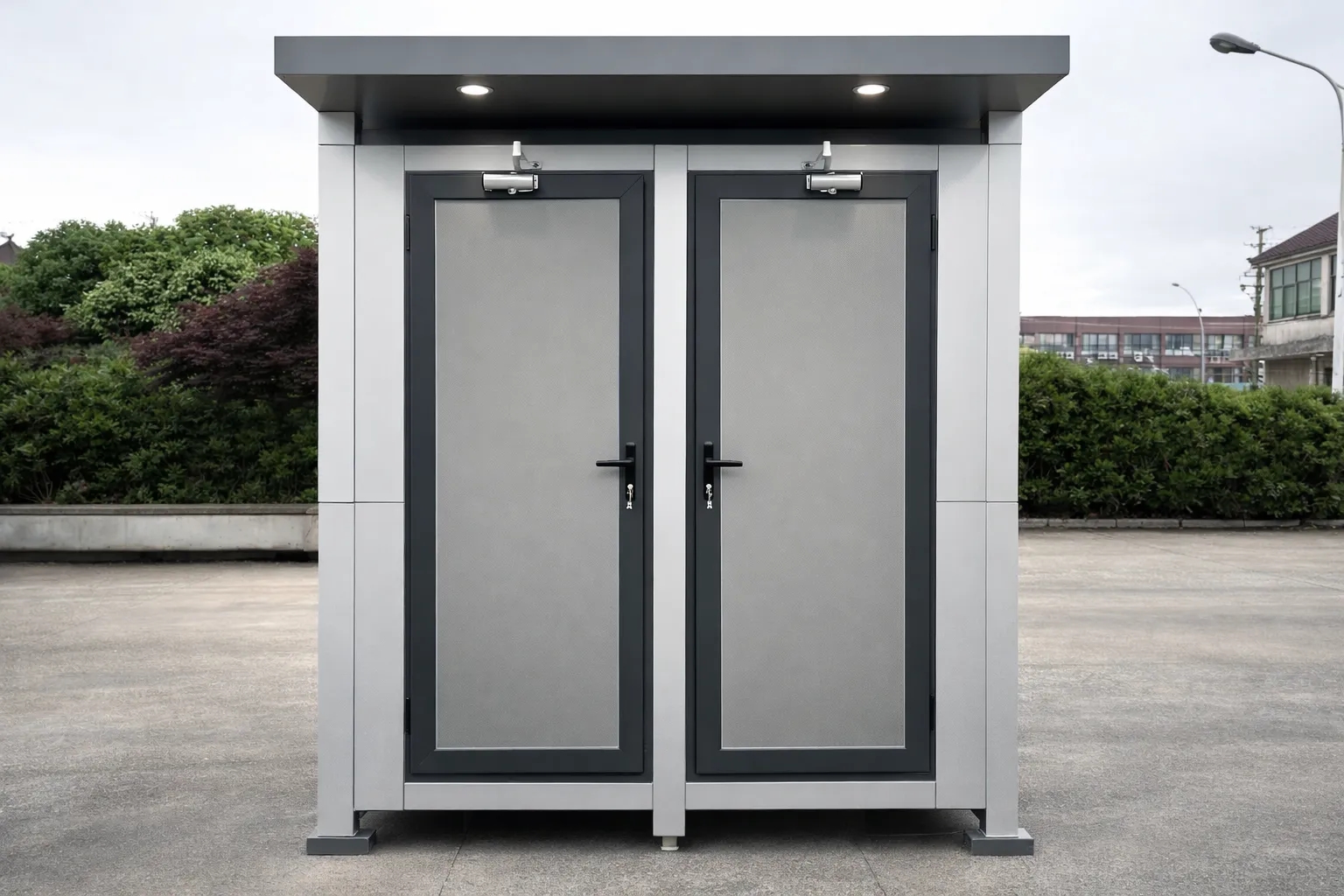
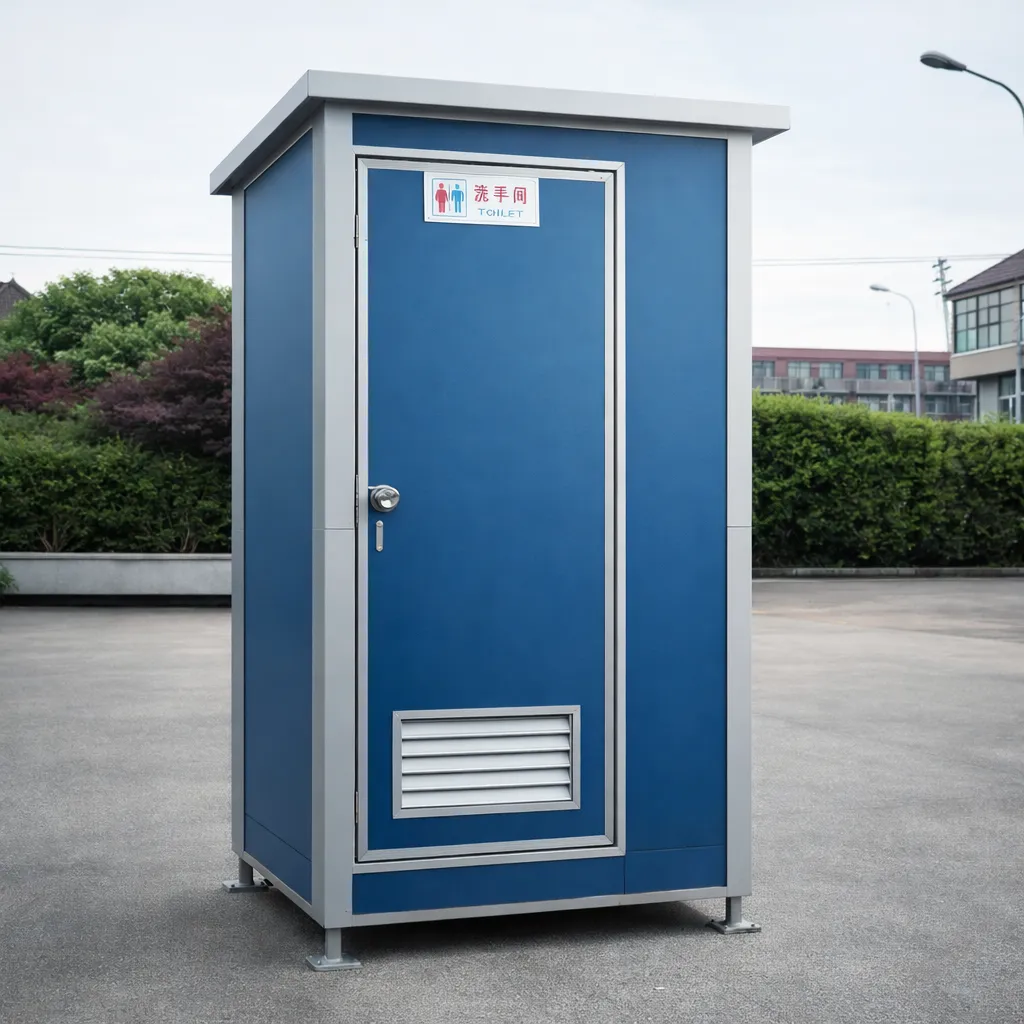
Portable hygiene solutions refer to prefabricated sanitation units that are meant for swift deployment, relocation and reuse. They differ from traditional bathrooms that need foundations and have long construction cycles, these units come already factory finished and are easy to hookup.
|
Feature
|
EPS Portable Toilet
|
Container Washroom
|
|
Structure
|
Expanded polystyrene panels
|
Corten steel shipping container
|
|
Best for
|
Short-term events, parks, film sets
|
Long-term camps, mining, industrial sites
|
|
Setup time
|
Under 90 minutes
|
Same-day, no foundation needed
|
|
Mobility
|
Ultra-lightweight, easy relocation
|
Crane-lift modular, fully relocatable
|
|
Durability
|
Corrosion-resistant, insulated
|
Reinforced frame, vandal-proof fixtures
|
For teams comparing these two paths, ZN House's EPS portable toilet line suits temporary, fast-turnaround sites, while the assembly container toilet range handles multi-year deployments where durability matters more than portability.
Why Sanitation Planning Deserves Real Attention
Sanitation is much more than a checkbox once the budget is finalized, it's a matter of compliance and a basic health requirement. The U.S. OSHA standard for construction sanitation mandates that employers give access to toilets based on the size of the crew, and if a toilet is not clean or not nearby, it is an exception rather than the rule because the employees' requirement is quick real access and not paper access only. Humanitarian/disaster relief operations are held to yet a higher standard: the Sphere Project's WASH standard limits a toilet's use to only twenty persons at a maximum per unit; this level set by this standard is worldwide the reference for refugee camps and emergency shelters planning.
These figures matter because underestimating capacity creates queues, unsanitary conditions, and, eventually, health hazards. Getting the math right at the planning stage avoids those problems entirely.
Sizing Your Modular Sanitation Units
A simple formula helps translate headcount into unit count. For construction and industrial sites, ZN House recommends starting with peak worker numbers, then adjusting for project duration.
|
Project Duration
|
Duration Factor
|
Safety Buffer
|
|
6–12 months
|
1.0
|
+1 unit
|
|
1–3 years
|
1.2
|
+2 units
|
|
3+ years
|
1.5
|
+3 units
|
Worked Example
Using a baseline of one unit per 20–25 workers, an 80-person mine camp starts at 4 units. Applying the 1.2× duration factor for a two-year deployment brings that to roughly 5 units, and adding the 2-unit safety buffer for that duration tier results in 7 container units total.
Where Portable Restroom Solutions Fit Best
Modular washroom units aren't one-size-fits-all. Matching the unit type to the site type keeps costs down and users satisfied.
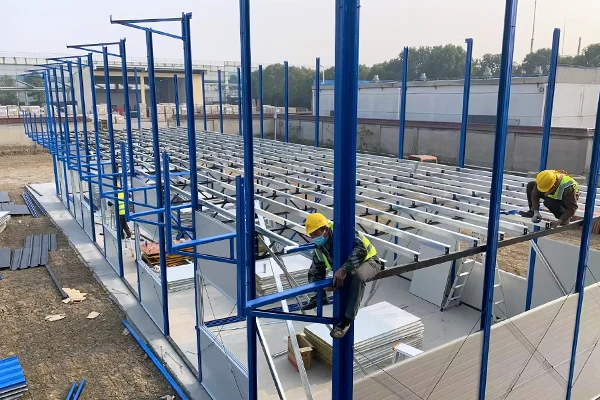
- Construction and industrial zones — dust, temperature swings, and fluctuating crew sizes call for rugged units with anti-clog drainage and, where needed, explosion-proof ventilation for hazardous zones.
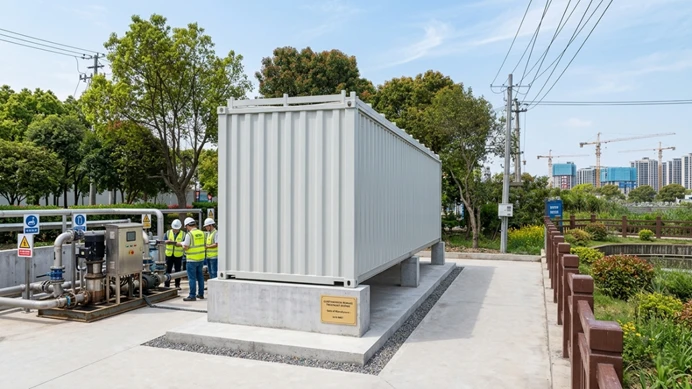
- Mining and remote camps — long deployments favor container-based mining camp infrastructure that can run off-grid with solar power and rainwater harvesting.
- Schools and institutional sites — hygiene facilities paired with broader container school developments benefit from ADA-compliant layouts and low-maintenance finishes.
- Municipal and public spaces — parks, transit hubs, and disaster response zones need a mix of fixed and mobile deployment modes, often with app-based stall availability and emergency alert features.
This kind of flexibility is exactly why demand for portable toilet solutions for construction sites keeps climbing — project managers need sanitation that adapts to the job, not the other way around.
Case Study: Scaling Sanitation for a Fast-Moving Workforce
A construction contractor managing a fluctuating crew of 50 to 200 workers per day faced a familiar problem: dust exposure, extreme temperature swings, and high maintenance costs from field-built facilities that kept failing. Standard toilets couldn't keep pace with the daily headcount swings, and repeated site visits for repairs were eating into the schedule.
The solution combined modular toilet units at a ratio of one unit per 50 workers, scaling to a denser 1:35 ratio during peak periods. Each unit paired anti-clog drainage engineered for a 5‰ gradient with corrosion-resistant coatings suited to dusty, high-traffic conditions. Deploying five-unit clusters across the site let the contractor keep pace with daily fluctuations without constant reconfiguration. The result was a measurable drop in schedule delays tied to sanitation downtime, along with fewer repair callouts over the project's duration — proof that container restroom solutions can absorb workforce volatility that fixed facilities simply can't handle.
Built to Last: Manufacturing Standards Behind the Units
Every unit goes through a structured production process: specification audit, factory welding with X-ray penetration scans, 48-hour pressure testing at 0.6MPa, and CFD-optimized ventilation checks before shipping. This triple-validation approach — as opposed to the single-pass testing common in the industry — is designed to catch leaks and structural weaknesses before a unit ever reaches site.
|
Production Phase
|
Industry Standard
|
Enhanced Process
|
|
Design finalization
|
2–4 weeks
|
72 hours with 3D mockups
|
|
Production
|
8–12 weeks
|
4-6 ھەپتە
|
|
Leak certification
|
Single test
|
Triple validation
|
Frequently Asked Questions
How many portable toilets does a construction site need?
It depends on crew size and how long the project runs. A simple starting rule is one unit per 25–50 workers, adjusted upward for longer durations, hazardous zones, or gender-balanced crews. OSHA's Table D-1 offers a baseline for U.S. sites, though larger or extended projects often need more units than the legal minimum to avoid queues.
What's the difference between EPS and container washroom units?
EPS units are lightweight, insulated, and built for fast relocation — ideal for events, film shoots, or short construction phases. Container washrooms use a steel frame designed for years of heavy use, making them better suited to mining camps, industrial sites, and semi-permanent installations.
Can portable hygiene units run without a water or power connection?
Yes. Many modular units support off-grid operation through rooftop solar panels and rainwater harvesting systems filtered for flushing use, which makes them practical for remote job sites, disaster response zones, and locations without existing utility infrastructure.
A Final Note on Choosing the Right Fit
Sanitation planning is easy to overlook until it becomes a problem. Whether the project is a short festival weekend or a multi-year mining operation, matching unit type, quantity, and durability to the site's real conditions pays off in fewer complaints, fewer repairs, and better compliance. ZN House designs both EPS and container-based washroom systems for exactly this kind of range, from 72-hour turnkey deployment to multi-decade industrial use.
Disclaimer: The technical data, specifications, and process details referenced in this article are based on ZN House's own manufactured container products. Materials, dimensions, and technical specifications may vary by project, region, and customization requirements. Please consult ZN House directly for confirmed specifications before finalizing any order.
To see the engineering up close, watch the following video on ‘Prefabricated Modular Bathroom with 304 Stainless Steel Floors by ZN House’: