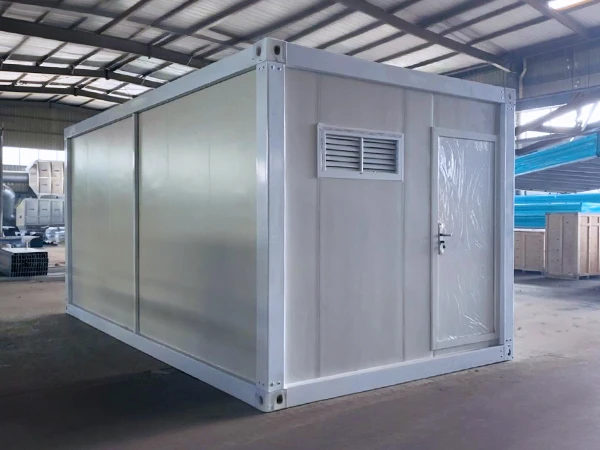
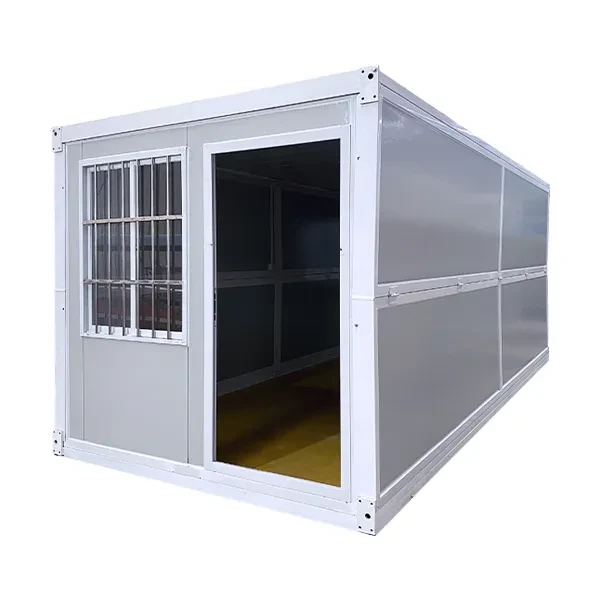
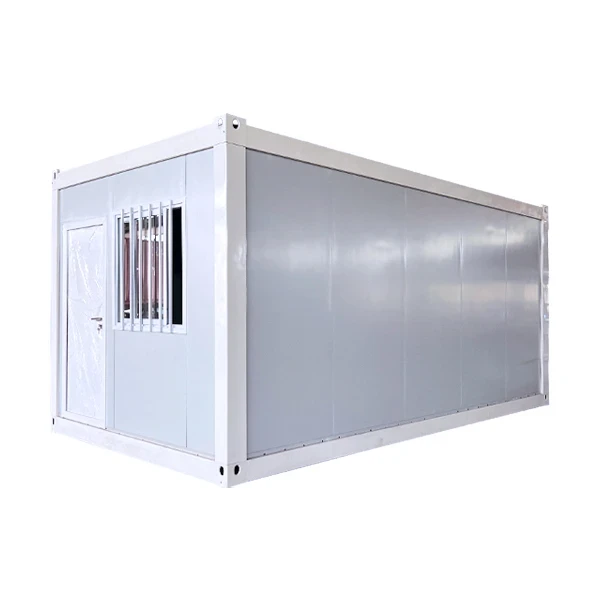
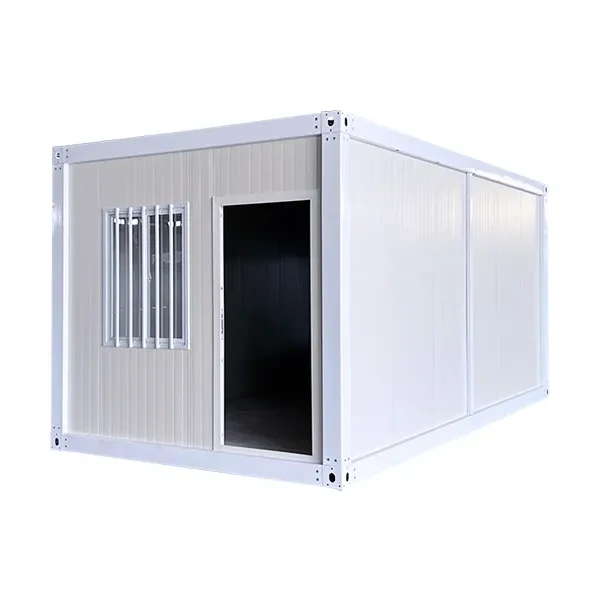
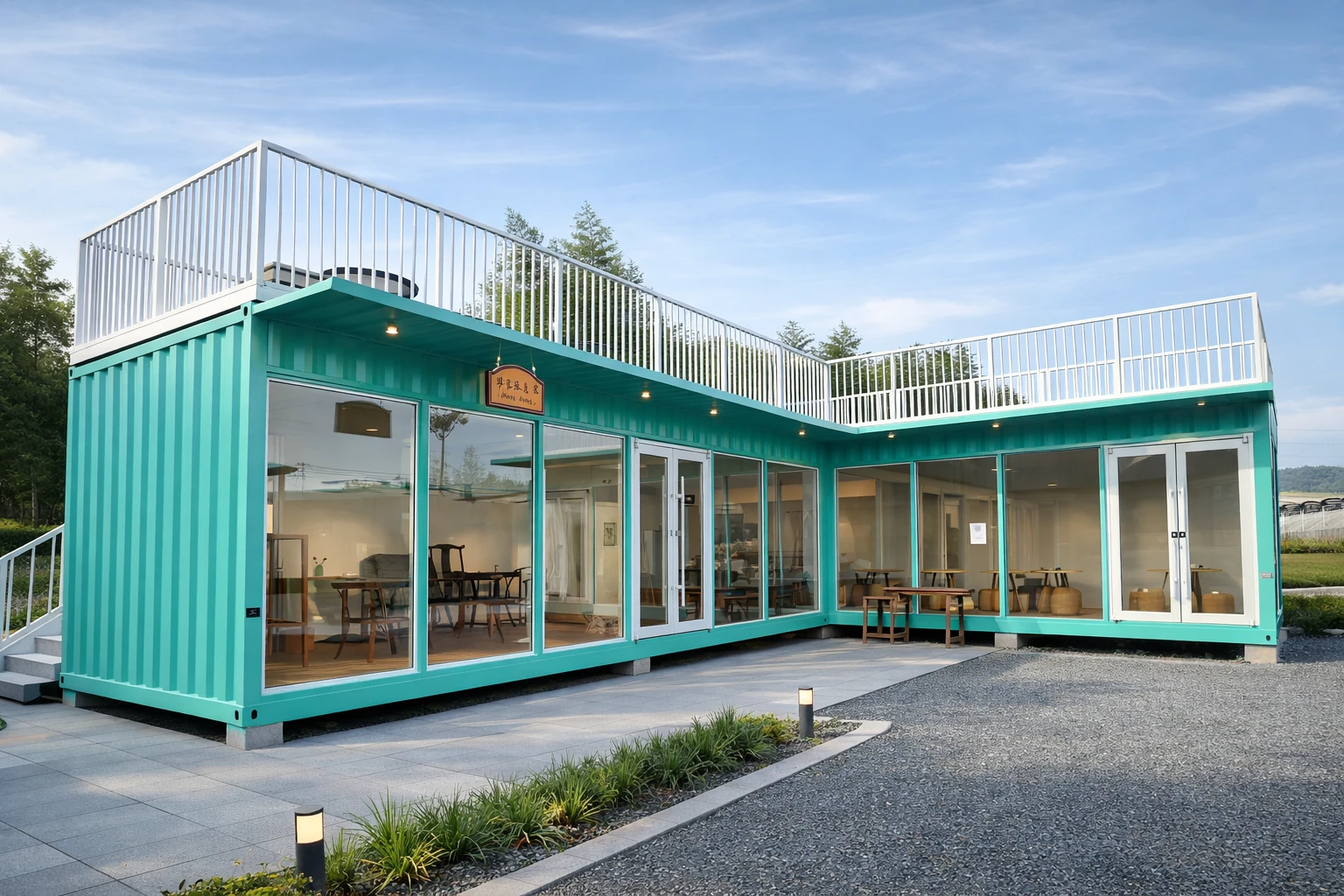
Having spent quite a few years dabbling—and sometimes deep-diving—into the industrial equipment and construction world, I’ve seen trends come and go. But modular homes? They’re sticking around and for all the good reasons. Especially the self build modular homes niche, which feels oddly liberating compared to the traditional build grind.
So, what makes modular homes particularly compelling these days? Honestly, it boils down to efficiency, customization, and material innovation, which I noticed straight from working with equipment suppliers and seeing how methods impact costs and timelines on site. If you want something that blends rapid assembly with modern engineering integrity, it’s kind of a no-brainer.
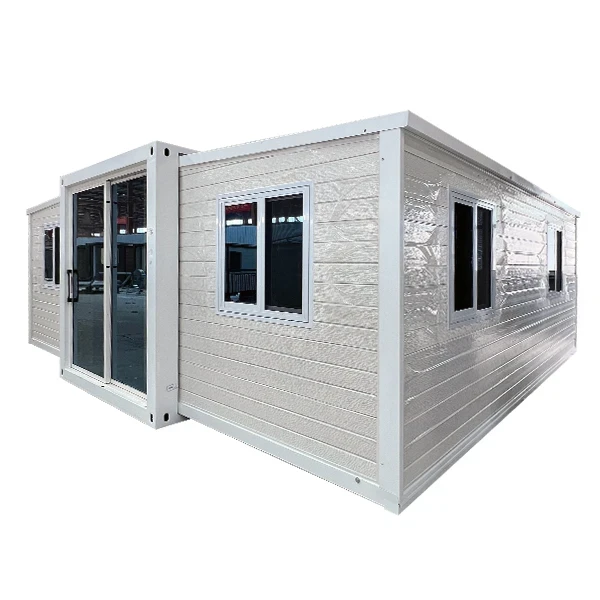
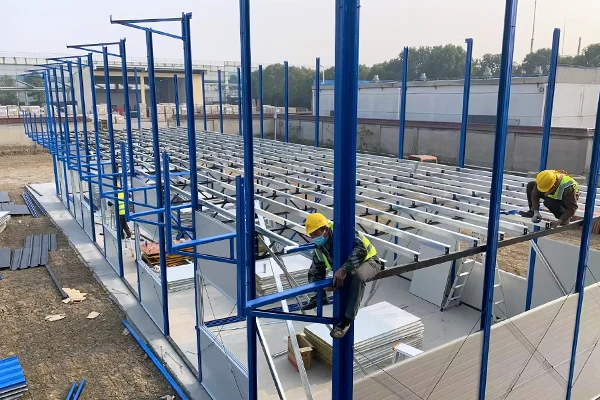
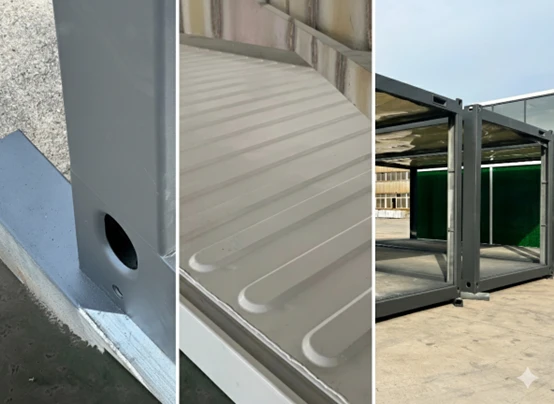
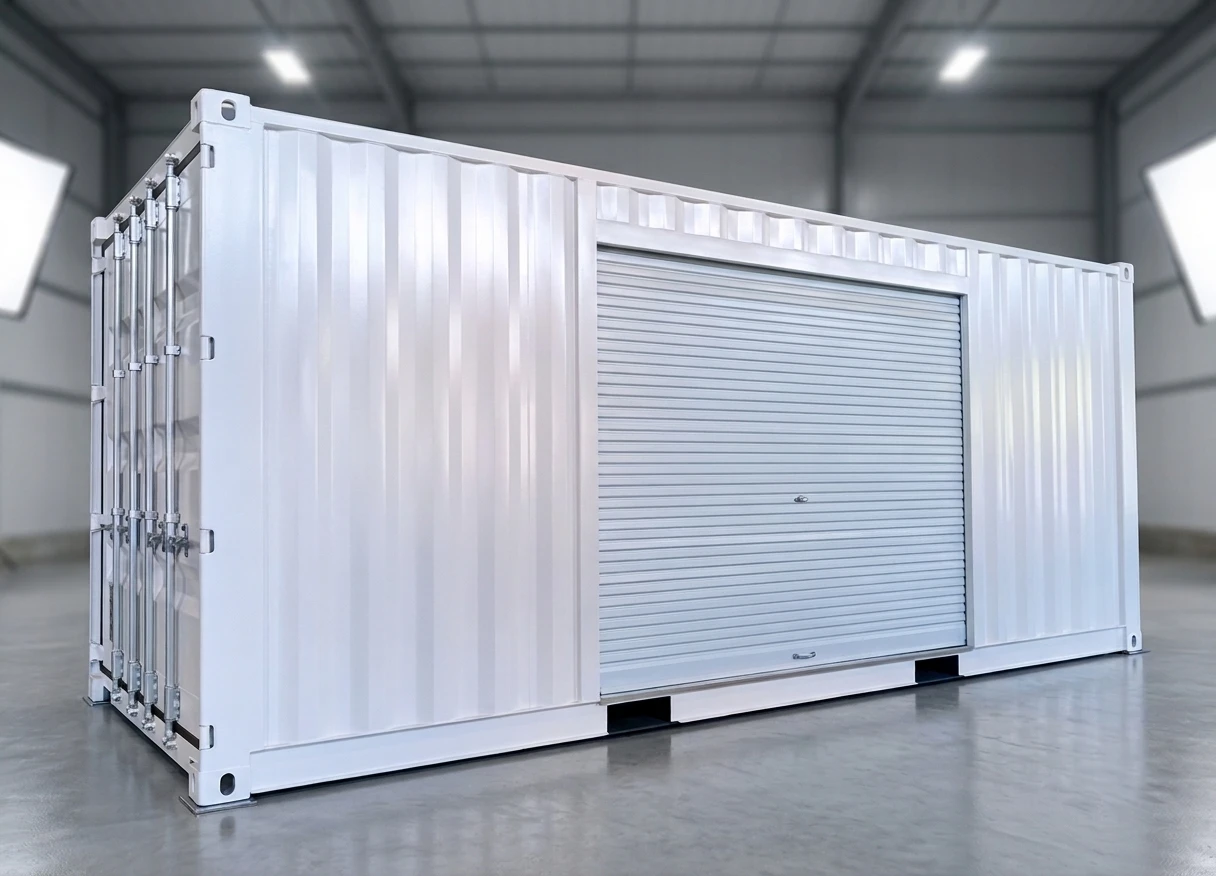
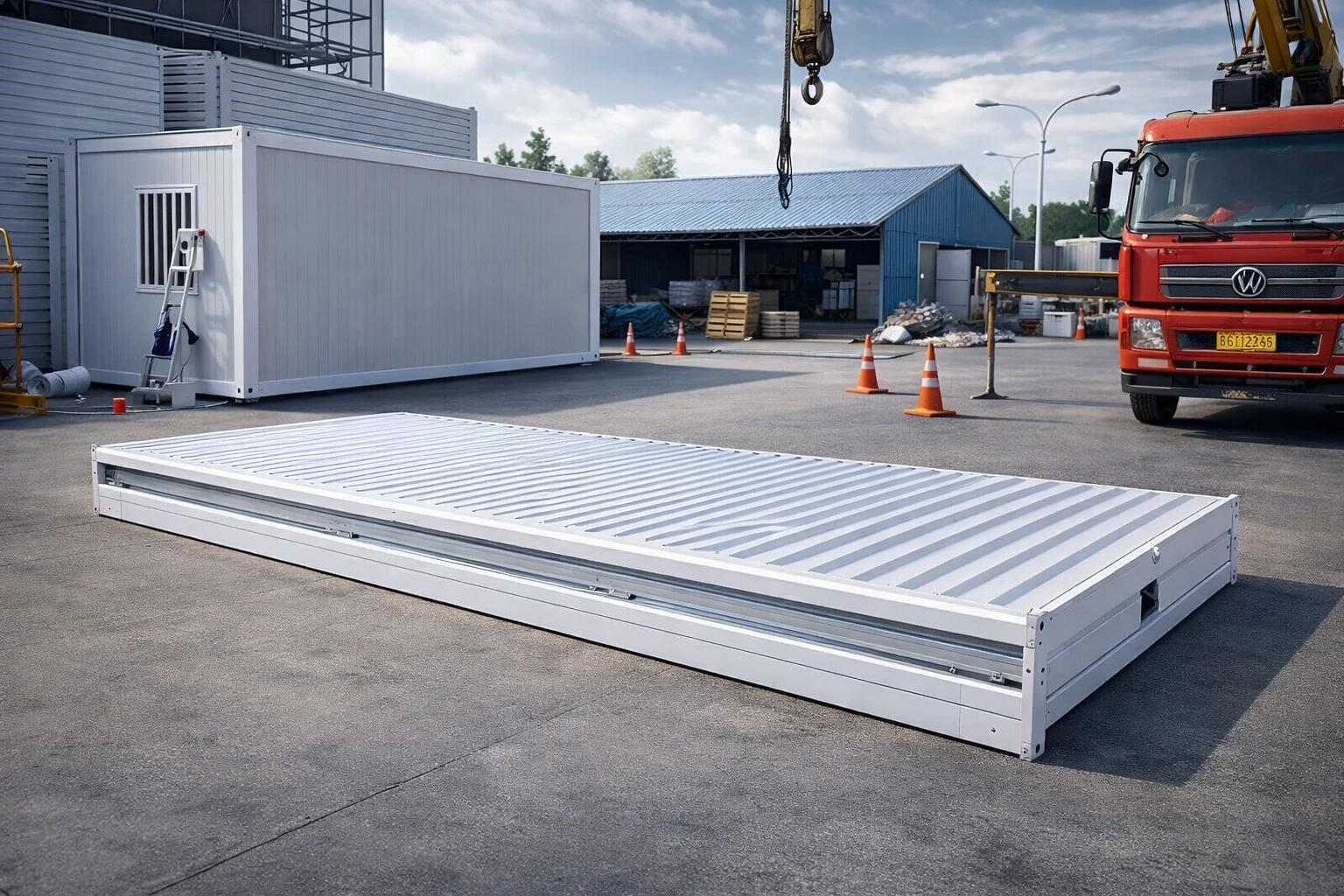
These homes come pre-fabricated in modules—think large-scale building blocks—which are precision-manufactured in factories then transported to their final spot. I’ve talked to engineers who swear this process reduces waste dramatically and drastically cuts construction delays caused by weather, labor shortages, or logistics. Plus, environmental controls in factories mean quality is pretty consistent, which can be tricky in "traditional" builds.
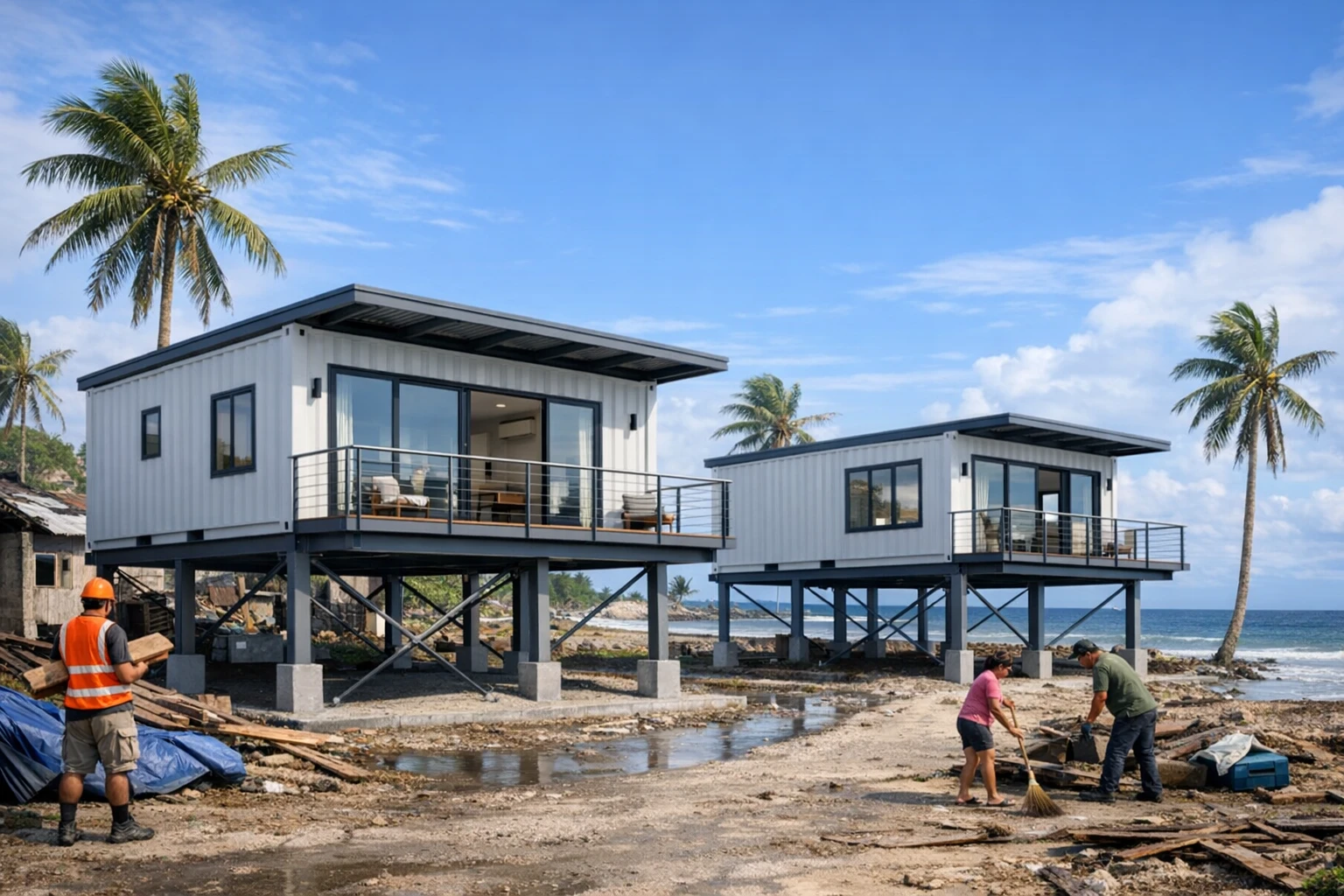
Now, the materials used get a lot of flack from traditionalists sometimes, but I think it’s misplaced skepticism. The panels often incorporate advanced insulation and sustainable materials—some even with recycled composites. They undergo rigorous testing so when they say high wind load or seismic resistance, you know it's not just marketing fluff. It’s all certified.
Typical Self Build Modular Home Specifications
| Specification |
Value |
| Module Size |
3m x 7m (standard, can vary) |
| Wall Insulation |
High-density polyurethane foam, R-value ~ 5.5 |
| Foundation Type |
Concrete slab or screw piles |
| Assembly Time |
Typically 2-4 weeks after site prep |
| Kohandamisvalikud |
Floor plans, finishes, energy systems, up to 3 stories |
Customization here is sort of the beauty. Unlike cookie-cutter prefab units of old, today’s modular construction lets you tweak everything from floorplans to façade materials—practically something for every lifestyle and climate. One engineer friend of mine even pointed out how this modular approach lets you add onto a home later without tearing it down, because the modules connect like LEGO bricks.
But how do the big players stack up? I made a quick comparison of popular vendors in modular housing—something any industrial gearhead like me appreciates before recommending products or partners in the field.
Modular Home Vendors Comparison
| Vendor |
Assembly Time |
Customization |
Price Range |
| ZN House |
2-3 weeks |
High (plans, materials, systems) |
$$$ |
| EcoMod |
3-5 weeks |
Medium (limited finishes) |
$$ |
| QuickBuild Homes |
1-2 weeks |
Low (standard models only) |
$ |
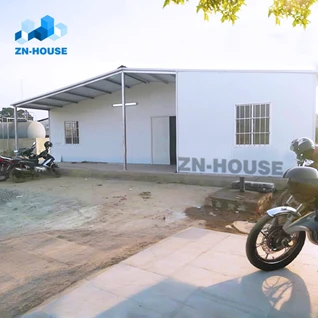
Having helped install equipment on several sites, I can tell you that choosing the right modular provider isn’t just about upfront costs. Lead times and flexibility often make or break a project schedule, and frankly, you don’t want surprises when assembling your new home. One recent customer I spoke with went with ZN House because they could tailor the design around their hillside lot and incorporate solar panels. That kind of bespoke service is where modular gets really interesting.
In real terms, this DIY style of home-building with modular methods might seem daunting at first—there’s a learning curve, sure. But the industry is responding with better support, clearer documentation, and even digital tools to help clients visualize and customize before building. It feels like a new era where quality housing meets smart design and sensible engineering, all at a competitive price.
Oddly enough, after all the years in factories and construction yards, modular housing still surprises me. It often combines proven industrial rigor with the kind of creativity that builds not just walls, but communities. And if you think about it, that’s what good equipment and good engineering are really all about: making life better, simpler, and maybe even a bit more beautiful.
If you’re curious to explore today’s possibilities with self build modular homes, I’d say start with a trusted source like ZN House. Their approach merges seasoned industrial knowledge with fresh architectural passion.
Reflecting on my years, I’d recommend giving modular builds a serious look—it’s not just a fad but a genuine shift in how we think about creating homes.
- Modular Building Institute – Industry Standards and Trends
- Journal of Industrial Engineering – Prefabrication Materials Testing
- Case Study: ZN House Client Projects (2023)