Emergency & Rapid-Deploy Healthcare: The Complete Guide to Container Hospitals
Immediate and specialized access to healthcare services is arguably the most vital issue faced by humanity in times of disasters, catastrophes, and industrial accidents. In case when an earthquake, flood, or outbreak of some diseases causes destruction of stationary health care infrastructure, conventional building techniques become too time-consuming for providing timely medical assistance. Under such circumstances, container hospitals become irreplaceable portable medical facilities capable of being put into operation literally within hours or days, not months.
Regardless of whether a container hospital is used as an isolated triage center for disaster victims, negative pressure isolation ward in case of public health emergency, or fully-fledged surgical room at remote mining sites, container hospitals help to fill in healthcare gaps all around the world. The current guide covers engineering, spatial organization, industrial application, and operational advantages of container hospitals used as emergency facilities.

What Is a Container Hospital?
Definition of a Container Hospital
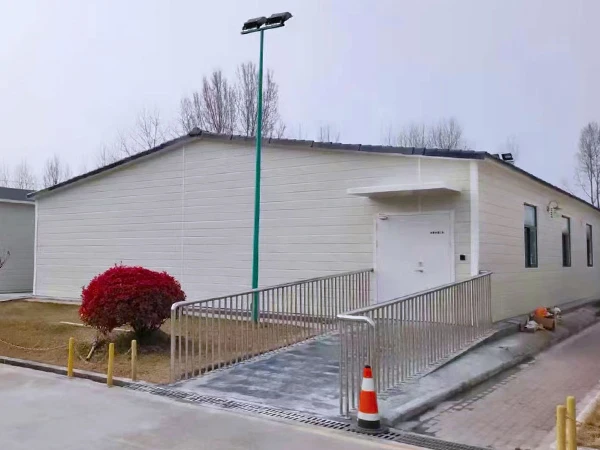
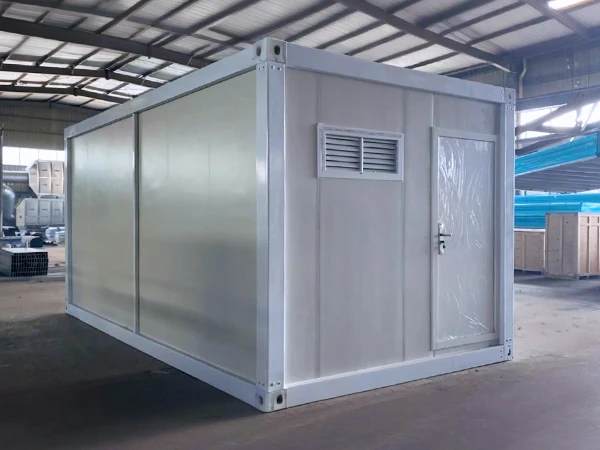
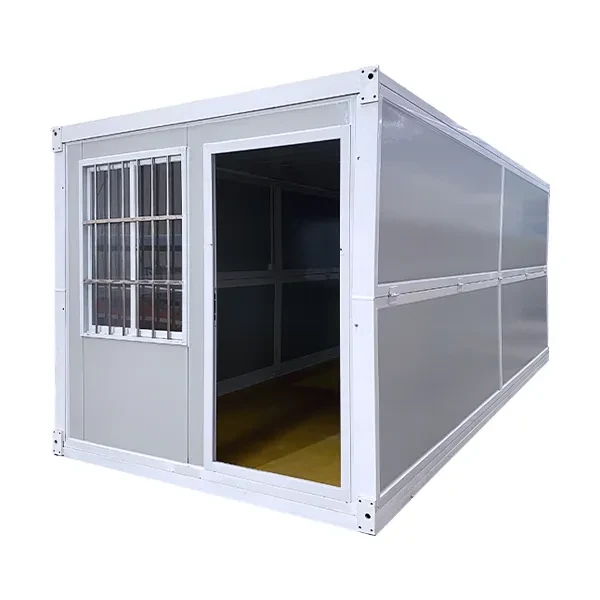
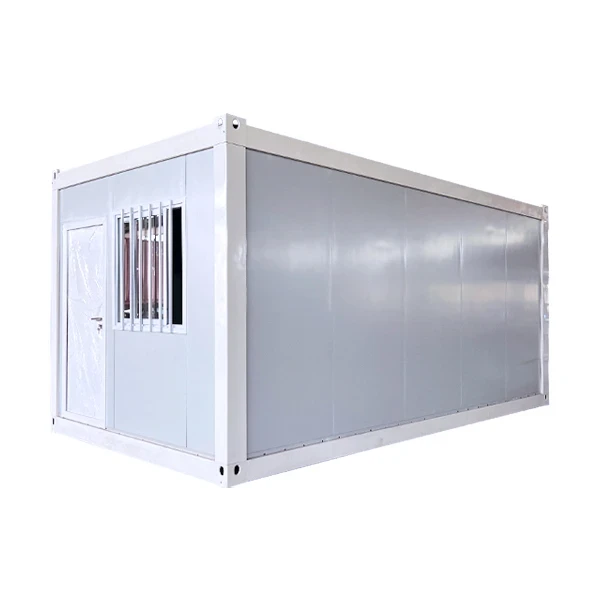
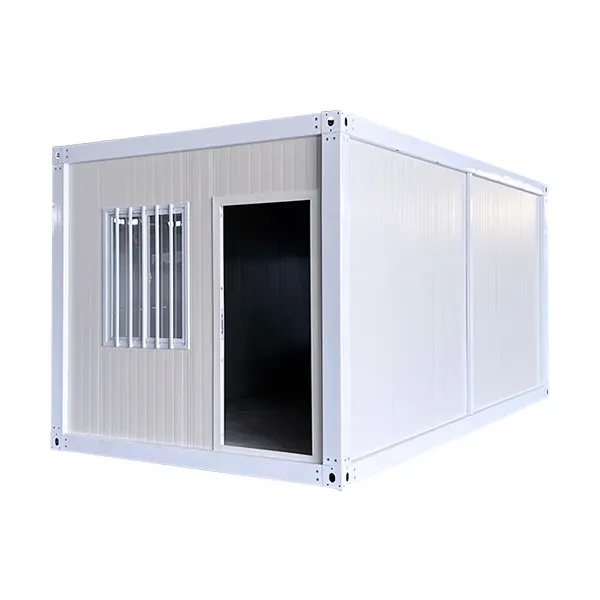
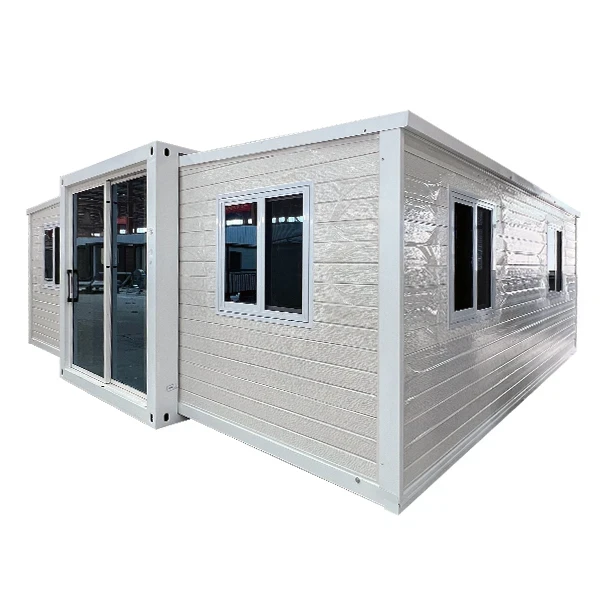
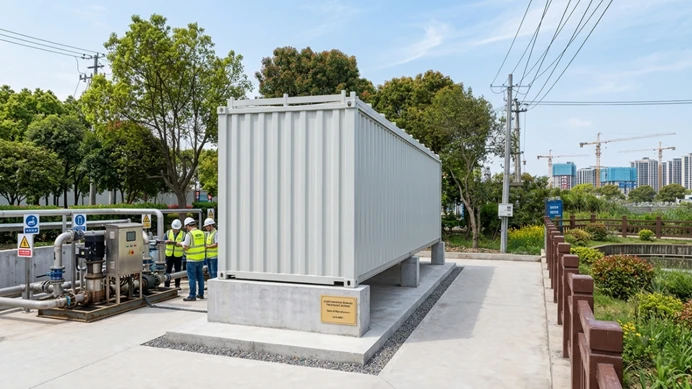
It refers to prefabricated and fully self-contained medical facilities which are made in large, sturdy and specially designed shipping containers. This kind of specialized medical modules are assembled in factory conditions and then transported by sea, road, or air.
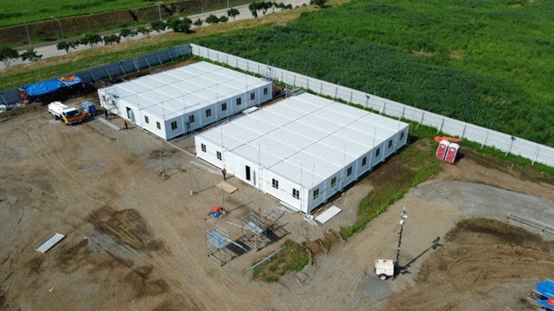
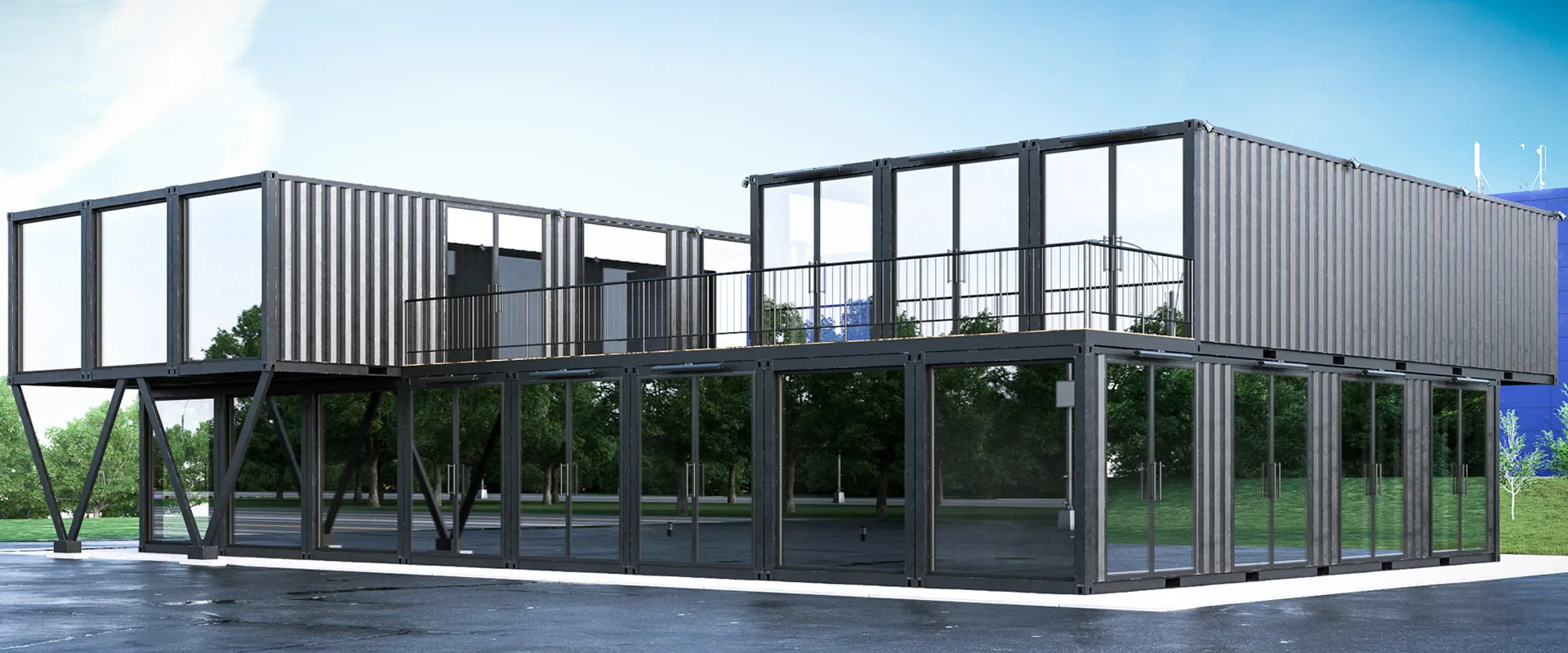
In contrast to traditional hospitals that are made of bricks, the container hospital is provided with all necessary medical equipment. These include HVAC systems, fireproof thermal insulation, medical gas piping, standby generators, and water purification systems. Container hospitals may function independently as medical pods (laboratories or diagnostic clinics). Or they can be joined side-by-side and stacked vertically into multilevel complexes of operating rooms and ICUs.
Core Technical Specifications
|
Technical Feature
|
Standard Options & Features
|
|
Structural Frame
|
Standard ISO Heavy duty corrugated steel / Reinforced steel frame structure
|
|
Wall & Ceiling Insulation
|
Fire-resistant Class A1 Rockwool, PIR, or PU core composite panels
|
|
Air Filtration & HVAC
|
Negative/Positive Pressure System with HEPA Filtration
|
|
Utility Infrastructure
|
Plug-and-play electrical wiring, plumbing and medical gas lines already installed
|
|
Transport Standards
|
Intermodal ISO sizes that are truck, ship, and transport airplane-compatible
|
Flexible Layouts and Medical Module Options
The health care requirements vary across disaster relief camps that are set up only for a short period of time to clinics that remain in far-off places for longer periods of time, the design of the container system allows for the modification of the layout to meet the specific needs of the situation in terms of efficiency, hygiene, and comfort.

Key Specialized Configurations
- Emergency Triage & Outpatient Pods: Designed for quick patient evaluation, evaluation, first-aid care, and consultation in general practice.
- Surgical Suites & Operating Rooms: Modern, sterile environment that is equipped with surgical lighting, anti-microbial floors, emergency power backup, and positive pressure ventilation systems for contamination prevention.
- Negative-Pressure Isolation Wards: These infectious disease units are specifically constructed to maintain a negatively pressurized air environment that prevents the spread of airborne microbes to other units or even other camps.
- Mobile Laboratories & Diagnostic Hubs: Units that are containment-capable and configured for blood tests, pathogen analysis, digital X-rays, and telemedicine connections.
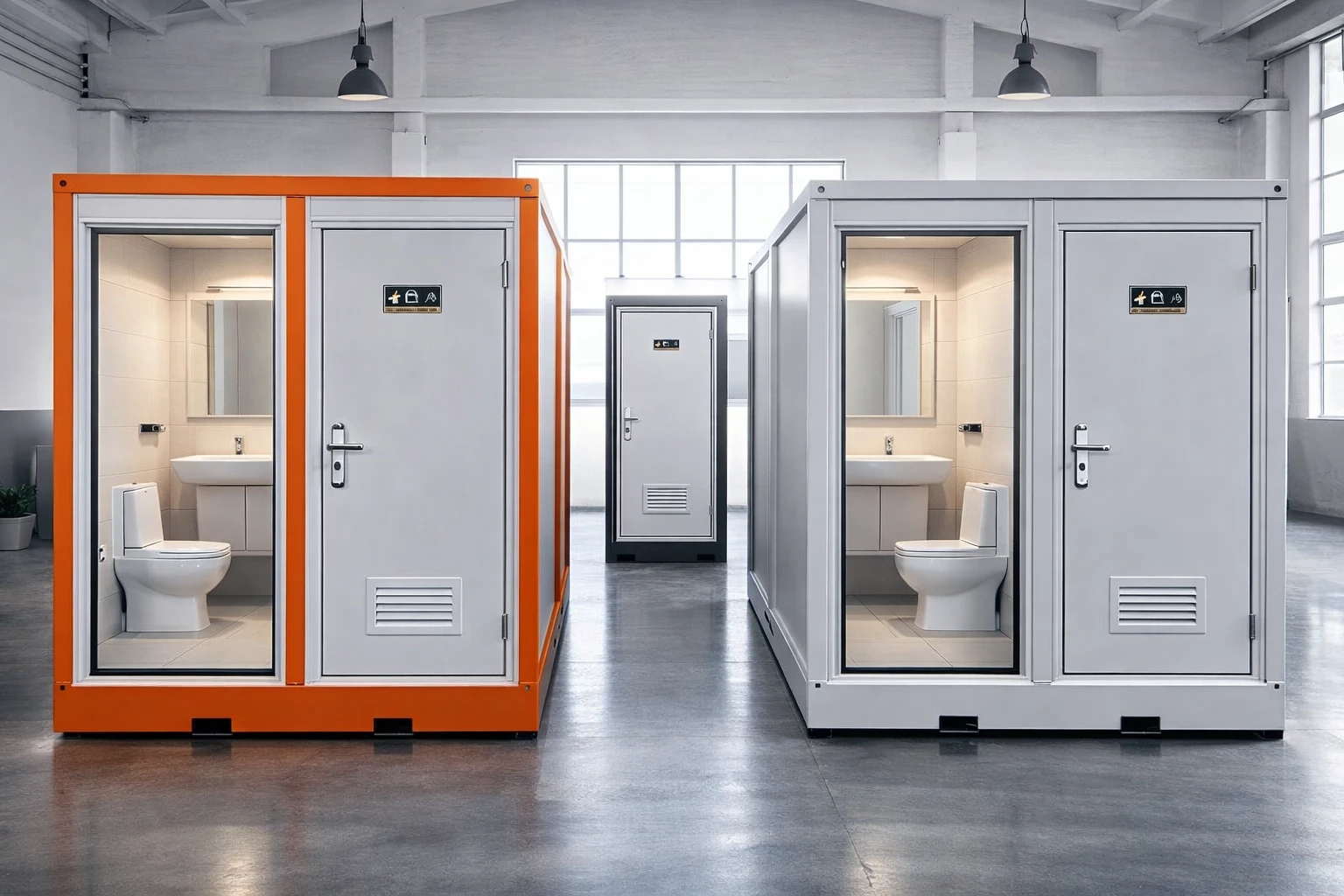
- Support & Utility Modules: Medication storage containers, CSSD storage containers, staff lounge storage containers, shower and sanitation storage containers, generator storage containers.
Elements like non-static and sealed flooring, utility piping, and negative pressure ventilation that are used in disease control can be well tested before shipping to the construction site.
Comparative Analysis: Container Hospitals vs. Semi-Permanent Modular Clinics
In the process of preparing emergency or temporary health care facilities, certain medical establishments might find themselves making a choice between rapidly deployable containers and modular panels.
Both fulfill distinct operational roles:
|
Evaluation Metric
|
Rapid-Deploy Container Hospital
|
Semi-Permanent Modular Clinic
|
|
Primary Mission
|
Crisis response, emergency triage, rapid deployment
|
Long-term rural care, corporate sites, suburban clinics
|
|
Deployment Timeframe
|
Ready within hours to 3 days
|
Erected within 2 to 6 weeks
|
|
Mobility & Reusability
|
Maximum intermodal mobility; easily relocated by truck/air
|
Relocatable, but optimized for fixed, long-term placement
|
|
Structural Shell
|
Heavy-duty ISO steel shipping container shell
|
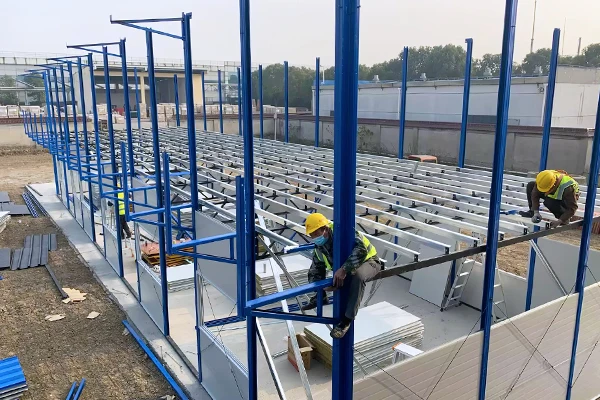
Prefabricated light steel framing with composite panels
|
|
Best Suited For
|
Disasters, pandemic surge, remote industrial sites
|
Preventive healthcare, ongoing community clinics
|
According to structural health evaluation, factory-made volumetric medical units lower time taken for establishment of emergency facilities by up to 80% while complying fully with the internationally recognized standards of sanitation and infection control.
Real-Life Case Study: Emergency Medical Deployment During Earthquake Disaster Relief
Project Background
After a horrendous earthquake of magnitude 7.2 caused damage in an area surrounded by mountains, the local health services suffered significantly. The authorities were faced with the challenge of dealing with many injured people, damaged roads, disruption of municipal supply systems, and the need to restore emergency surgical capacity within 72 hours.
Key Operational Challenges
- Severe Infrastructure Breakdown: No facilities were provided for clean municipal water, power supply, and adequate sanitation.
- Transportation Barriers: The presence of small mountain passes and poorly built bridges restricted the usage of heavy machinery and vehicles.
- High Contamination Risk: Within no time these temporary tents became crowded, creating a danger of cross-contamination for surgical patients.
The ZN House Solution
ZN House engineered and dispatched a self-sufficient container hospital fleet consisting of eight interconnected modules: two emergency operating rooms, one diagnostic imaging lab, three negative-pressure isolation units, and two utility power/water filtration pods.
Given the fact that the units had been manufactured using ISO standard structure frames, they were airlifted through heavy-lift aircrafts straight to an airfield close by, and later transported to the edge of the disaster site. Using plug and play systems, the assembly crew leveled the modules and connected the self-contained generators in just 36 hours after their arrival. In 60 days, humanitarian mission, the mobile hospital unit successfully treated more than 1,200 emergency patients with zero cross contamination cases.

Frequently Asked Questions
How quickly can a modular container hospital become operational on site?
The standard single module pod or multi-module complex can be unpacked, positioned, and put into use within 24 to 72 hours of arriving at the site, since everything including the air-conditioning system, piping and wiring has already been done in the factory.
How do container hospitals maintain infection control and air quality?
These facilities have a medical HVAC system that is capable of creating negative pressure in the case of isolation from infectious diseases or positive pressure for sterile operations. Non-porous material and antimicrobial coating on the interior walls and vinyl flooring makes it possible to achieve effective chemical disinfection.
Can container hospitals function completely off-grid in remote locations?
Yes. Medical containers can be constructed to include built-in diesel generators, solar panel systems, water treatment systems, and sewage holding tanks, thereby enabling them to run totally independent of the utility company's grid in disaster areas or isolated locations.
The Future of Rapid Healthcare Deployment
Container hospitals constitute an important and extremely resilient innovation in global health logistics of the contemporary world. Container hospitals combine robust structure prefabrication with medical equipment design thus completely doing away with logistical inconveniences, structural weaknesses, and costs incurred in building emergency care units.
Modular medical technology is the best choice in any situation from organizing crisis intervention programs to developing regional health care systems, and even building local medical infrastructure for isolated work forces. Exploring specialized container layouts and medical-grade configurations with an experienced manufacturer like ZN House ensures your healthcare team stays prepared to deliver life-saving care wherever it is needed most.
Disclaimer
The technical information, materials and construction discussed in this essay have been derived from the products of containers and modules manufactured by ZN House for their medical applications. Specifications, material sources, equipment compatibility and performance characteristics can vary according to custom requirements of the clients, environmental settings and medical device laws in different locations.