What Makes Container Mining Camps the Smartest Solution for Remote Workforce Housing?
What Makes Container Mining Camps the Smartest Solution for Remote Workforce Housing?
Mining operations are typically remote. Workers might commute for hundreds of miles from their nearest town, and they work at places without roads and utilities. Such a situation has led companies to embrace container mining camps as an unrivaled means of swiftly providing worker accommodation.
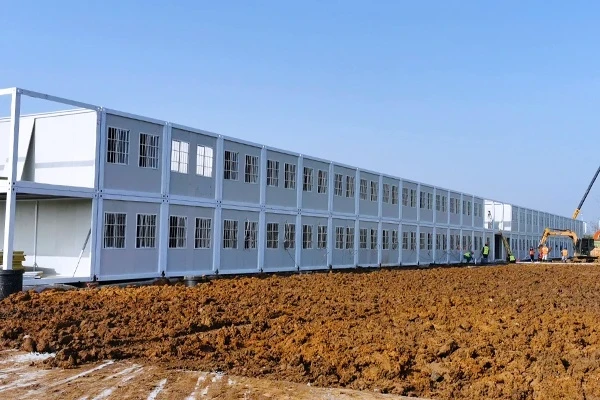
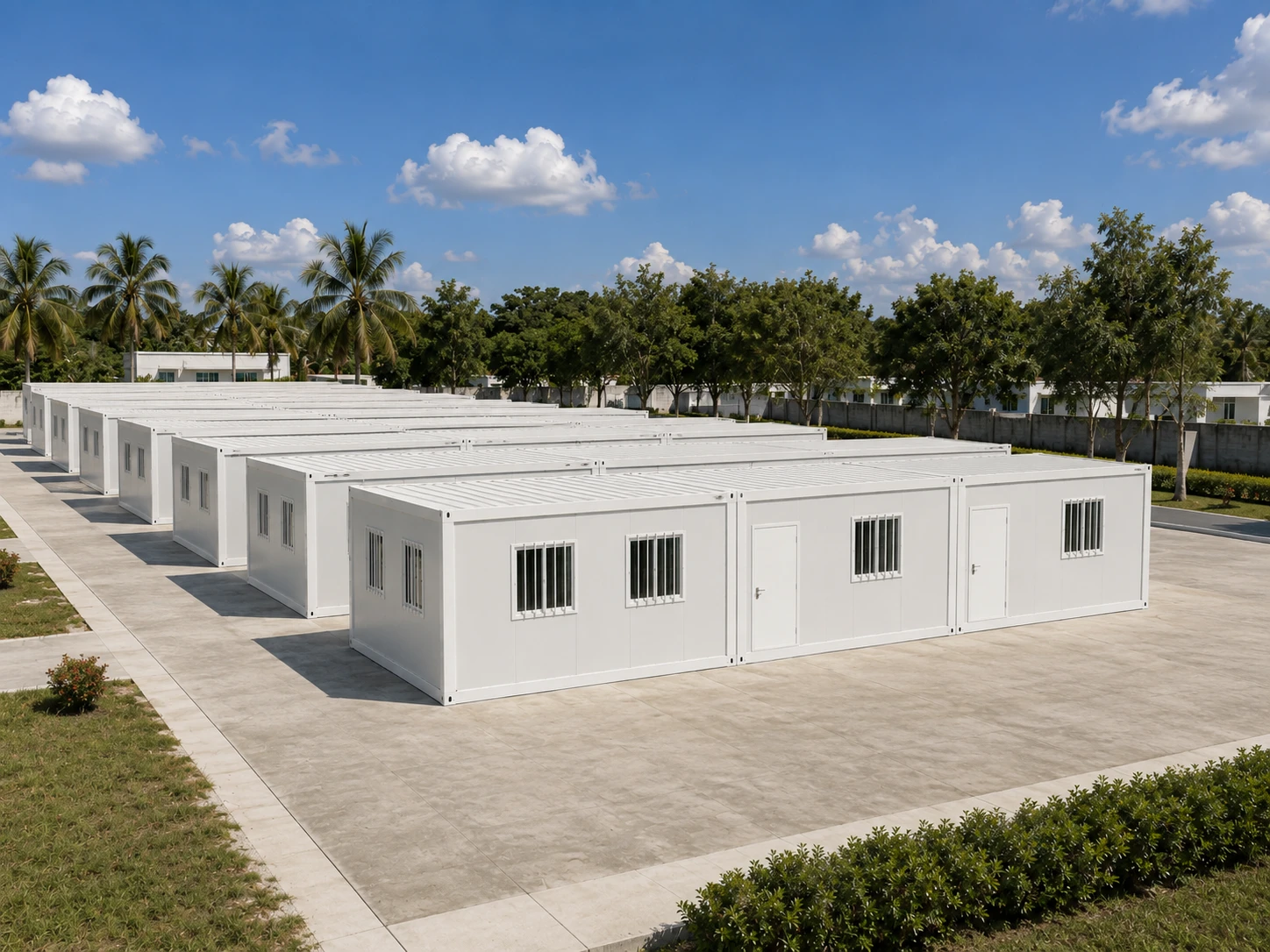
A container mining camp is an assemblage of prefabricated modules. This means that rather than casting in-situ concrete foundations, mining camp operators receive a ready-to-use building. That way, the whole camp may be built in a matter of days as opposed to the months that traditional construction requires.
This article explains how a modern mining camp works, compares it to the older methods of temporary housing, describes typical standards of compliance and safety, and shares experience following a recent project which successfully carried out implementation of a container mining camp. Additionally, it includes a few tables with at-a-glance information on major aspects of container mining camps which can save time for the reader.

What Exactly Is a Container Mining Camp?
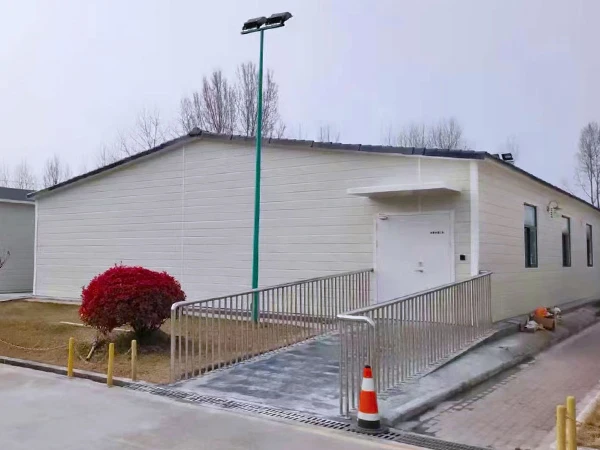
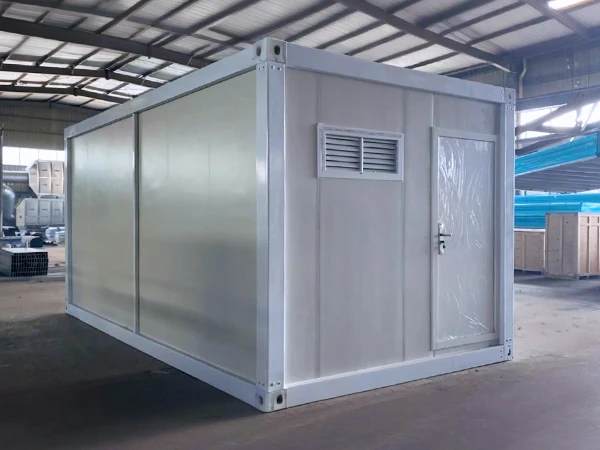
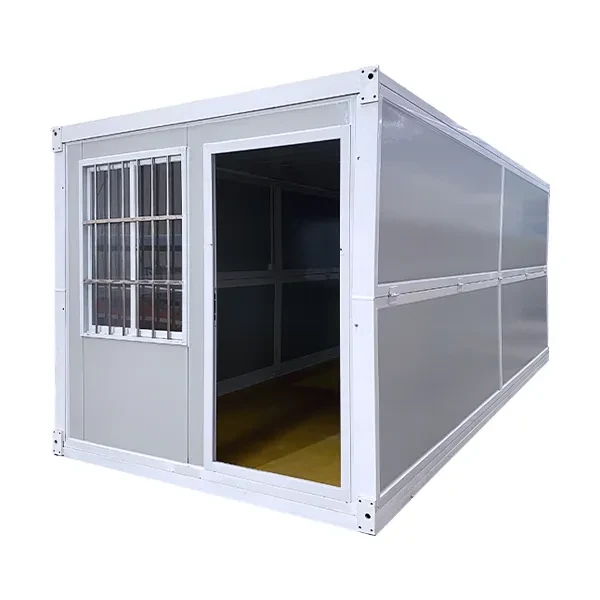
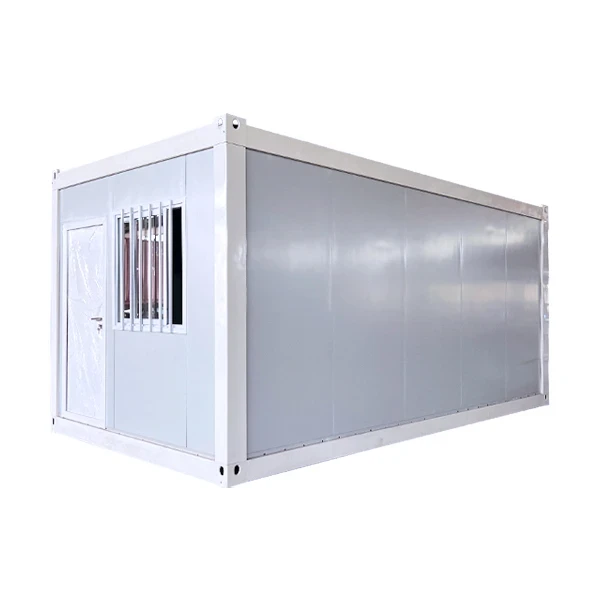
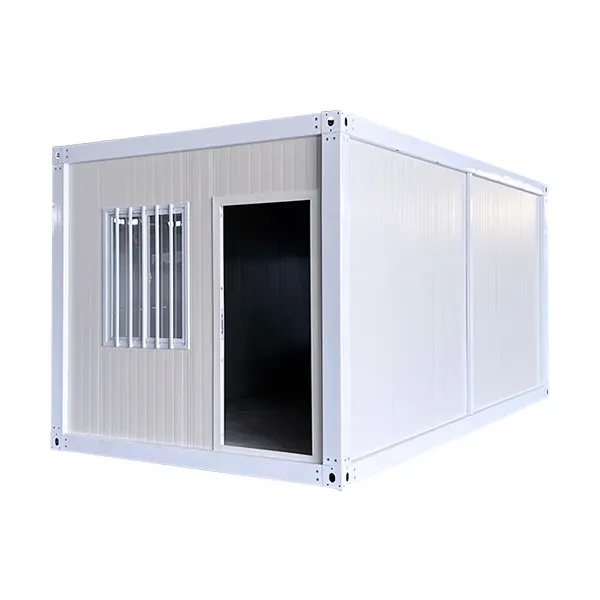
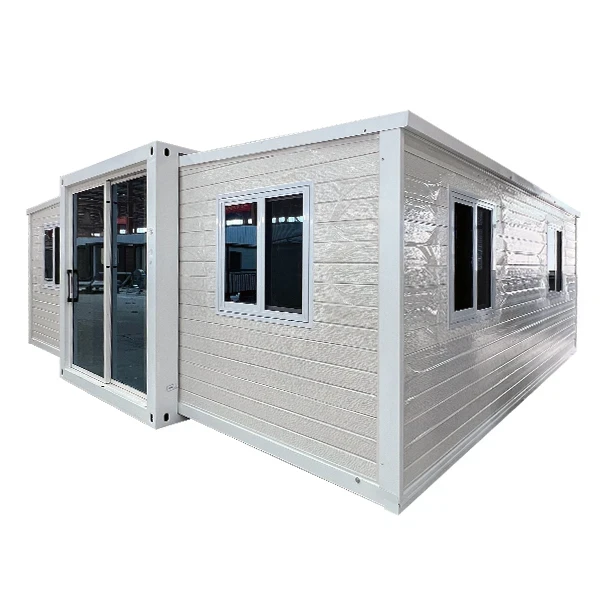
At its core, a container mining camp is a modular building system that combines several container types into one connected community. Dormitories house crews. Canteens feed them. Offices support supervisors and site management. Sanitation modules handle hygiene needs. Utility containers run power, water treatment, and laundry operations.
As all modules were manufactured in a factory under| controlled conditions, the production quality remains consistent irrespective to site conditions and local labor availability.
The modules are also delivered pre-wired and pre-plumbed which means that the only remaining task for the site teams is to connect their utilities instead of building electrical and piping systems from the ground.
This modular approach to remote workforce housing has become common across the mining, oil and gas, and heavy construction sectors, largely because it reduces both setup time and ongoing logistics risk. It also gives project planners a level of cost predictability that's hard to get from a stick-built alternative.
Table 1: Key Features of a Container Mining Camp
|
Feature
|
What It Delivers
|
|
Quick Setup
|
Camp can be assembled in days once modules reach the site
|
|
Durable Structure
|
Marine-grade steel and reinforced framing resist harsh conditions
|
|
Portability
|
Units can be disassembled and relocated between project phases
|
|
Comfortable Living
|
HVAC, insulation, and ventilation support proper worker rest
|
|
Cost-Effective
|
Lower capital cost and faster ROI than traditional construction
|
|
Versatile Layouts
|
Adaptable to shift patterns, terrain, and headcount changes
|
The Modular Building Blocks
A functioning container mining camp is really a set of specialized modules working together as one system.
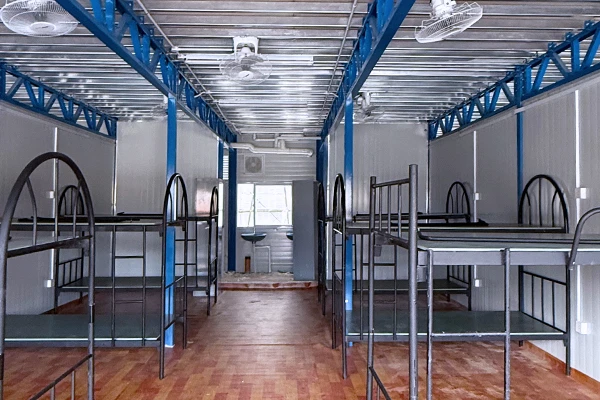
This type of container provides crews with sleeping areas either individually or as shared spaces. The containers will have integral lockers, HVAC, and sound insulation which makes for an agreeable environment in which to rest while on shift. Furthermore, the canteen containers will aid in food service at a commercial level with full kitchen fittings, including cold storage to facilitate food service. Many operators pair these with dedicated canteen container units built specifically for high-throughput dining during peak meal windows.
Office containers give supervisors and engineers a climate-controlled workspace with IT racks, CCTV monitoring, and reliable connectivity, a role covered in more depth on the container office page. Shower and WC containers provide gender-segregated sanitation with hot water systems and anti-slip flooring, while utility containers house generators, battery storage, water treatment equipment, and laundry facilities.
Standard modules come in 10ft, 20ft, and 40ft sizes, and they stack, link, and combine into layouts that match a project's shift size and site topography. This same modular logic extends to related deployments, such as a construction camp supporting a build crew rather than a mining operation, or a canteen-only expansion added later in a project's life.
Comfort, Customization, and Worker Retention
Modular mining camp accommodation isn't only about speed. The comfort of workers influences retention rates directly; exhaustion and poor sleep quality lead to frequent resignations on long rotations. The site is equipped with equipment such as air conditioning, thermal insulation, and ventilation systems so that the workers feel at ease regardless of the climatic conditions.
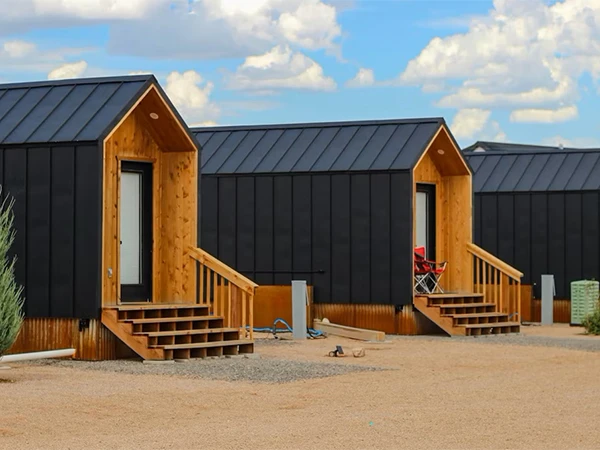
The variations in cladding materials, insulation, HVAC choices, and finishing techniques offer various alternatives for different climates and workforce sizes. A camp made for a mine on the coast will differ from one made for a mountainous mine where temperatures fluctuate from warm to cold. Weather and climate considerations play a crucial role in why prefabricated systems have taken the place of earlier base models in many mining camps.
How Container Camps Compare with Traditional Temporary Housing
Operators weighing a container mining camp against tents, portable cabins, or stick-built barracks tend to ask the same three questions: how fast can it go up, how long will it last, and what does it cost per bed over the life of the project.
Table 2: Container Camps vs. Traditional Temporary Housing
|
Factor
|
Container Mining Camp
|
Tents / Fabric Shelters
|
Site-Built Barracks
|
|
Setup Time
|
Days to a few weeks
|
Days
|
Months
|
|
Structural Durability
|
High, steel and reinforced framing
|
Low to moderate
|
High, but slow to build
|
|
Relocation
|
Straightforward, designed for it
|
Easy, but low durability
|
Impractical once built
|
|
Climate Control
|
Built-in HVAC and insulation
|
Limited
|
Depends on design
|
|
Typical Lifespan
|
15+ years with maintenance
|
1 to 5 years
|
20+ years
|
Tents are the fastest to deploy but the very first to wear out, and provide little insulation against the extremes of cold or heat. Barracks constructed on-site last for a long period but take months to build, while once built, they cannot be decommissioned until a certain phase of mining has ended. The container mining camp represents a midway option: it deploys just as fast as tents do while at the same time providing greater durability and comfort than tents.
Installation, Logistics, and Site Preparation
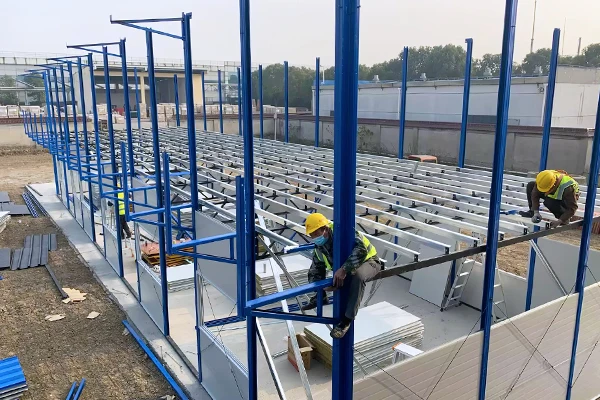
The mode of shipping used is based on where the site is located; flatbed, low-loader, or overseas sea freight may be used. The amount of time the container mining camp takes to assemble at its destination varies based on the size of the camp and the type of landscape. Prior to shipping, the area must be prepared with a level surface, proper clearance for trucks and cranes, and drainage systems in place.
Due to the tight deadlines of operating mines, many vendors establish regional networks of agents and warehouses in order to cut down on waiting times and keep spare parts nearby. The logistics factor is at least as important as the modules. Even the best-designed camps cannot keep to their deadlines when parts are stuck in customs for weeks, or if there is even one missing bracket that delays the commissioning process.
Safety, Compliance, and Regulatory Standards
Worker housing on remote sites isn't just a comfort question; it's a regulatory one. In the United States, temporary worker housing tied to employment falls under OSHA's Temporary Labor Camp standard, which requires camp sites to be adequately drained and located away from standing water, and requires sleeping rooms to provide at least 50 square feet of floor space per occupant with beds spaced at least 36 inches apart. These figures give planners a useful baseline even outside the US, since many international mining projects adopt comparable spacing and sanitation benchmarks.
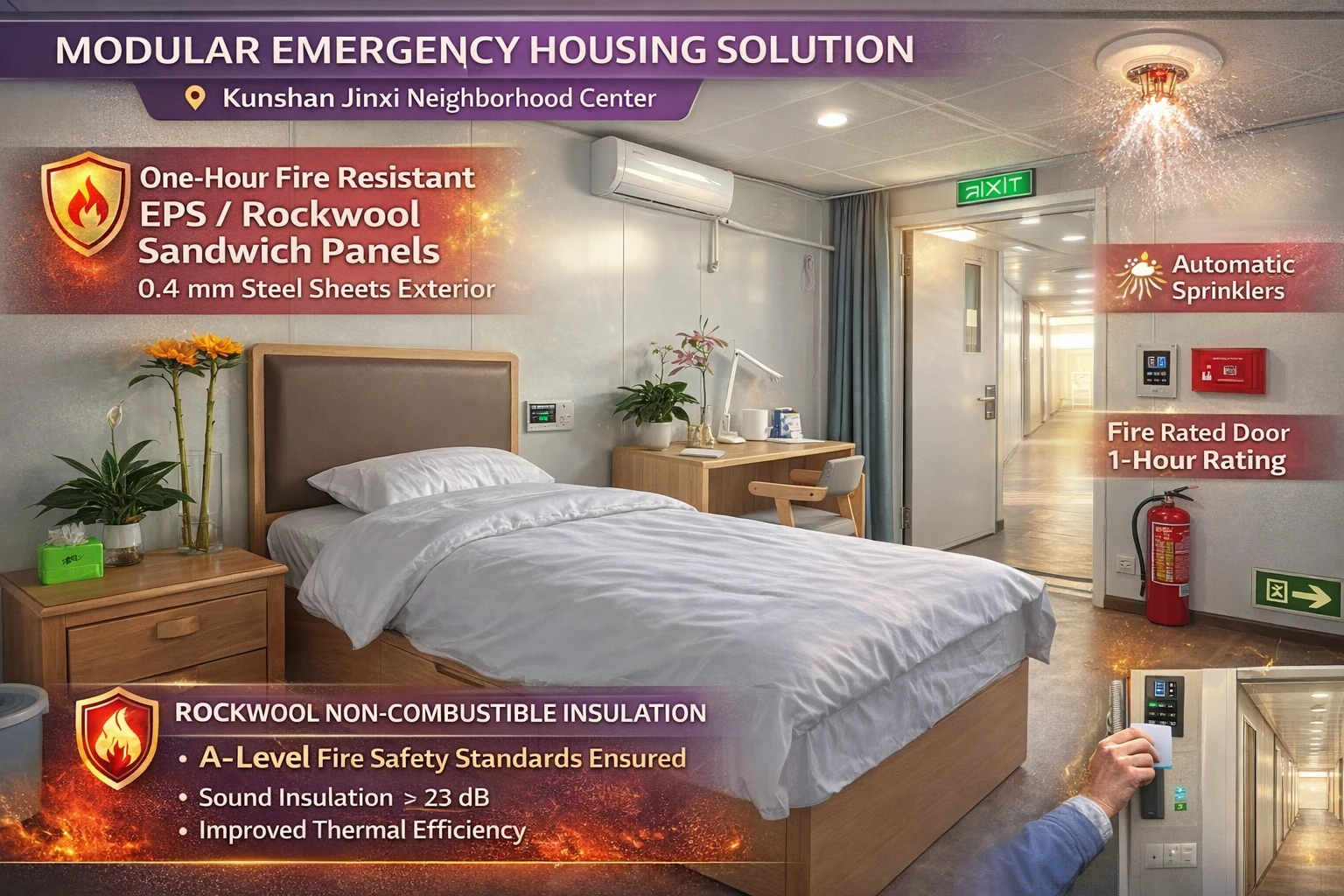
For projects financed by international lenders, the IFC and EBRD jointly publish accommodation guidance addressing the processes and standards that should apply to workers' accommodation, covering everything from site selection to community impact and eventual camp dismantling. A well-designed container mining camp is typically built to meet, or exceed, both frameworks alongside local fire, electrical, and sanitation codes. Suppliers who can furnish ISO, BV, or CE documentation on request make it easier for procurement teams to verify compliance before signing off on a deployment.
Cost Breakdown and Return on Investment
Table 3: Typical Cost Components of a Container Mining Camp
|
Cost Category
|
What It Covers
|
|
Container Modules
|
Base structures for dormitory, canteen, office, sanitation, and utility use
|
|
Interior Fit-Out
|
HVAC, lighting, plumbing, furnishings
|
|
Delivery
|
Flatbed, low-loader, or sea freight to site
|
|
Installation
|
Site assembly, MEP integration, commissioning
|
|
Utilities and Operations
|
Power, water, waste management, routine maintenance
|
Replacing tents with appropriately designed container mining camps can reduce per-bed operating costs by about 30 to 50 percent over a period of 12 months primarily due to reductions in maintenance expenses, improved energy efficiency, and fewer replacement cycles. Financing and leasing financing arrangements are more and more often available for mining operators who wish to smooth capital expenditures over the life cycle of a project. For long-term operations, it can be more important than the price of containers used in the project.
Case Study: Rapid Deployment for a 120-Bed Camp in Papua New Guinea
In a distant region of Papua New Guinea, a mining EPC contractor found itself in urgent need of close quarters for 120 hired workers. Their site posed various challenges, including the lack of transport access, limited time before the impending rainy season, and the absence of the required basic infrastructure for accommodation. Tent housing was eliminated from consideration early on, since the rainy season would inhibit the utility of that option.
ZN House provided a dormitory container site containing 120 beds, and several prefabricated modules for the dormitory rooms, a canteen, and laundry with all necessary engineering systems pre-installed. This technology enabled the client to decrease the accommodation set-up time from approximately 12 weeks to merely 10 days on site. The safe storage lockers minimized the amount of luggage needed to transport and brought many advantages for the contractor and logistics management. Thanks to the comfortable and easy-working environment, the team could start their work much earlier than it was supposed to.

Frequently Asked Questions
How long does it take to deliver and install a container mining camp?
Factory lead times vary by order size, but on-site assembly typically takes anywhere from a few days to a few weeks, depending on camp scale and how accessible the site is for delivery trucks and cranes.
Can these camps handle extreme weather conditions?
Yes. Marine-grade steel, reinforced frames, and climate-rated insulation are standard features for camps built to operate in tropical heat, coastal humidity, or sub-zero winter conditions.
What happens to the camp once a mining project phase ends?
Because the modules are built to be disassembled and relocated, a container mining camp can move to the next phase or an entirely new project site rather than being scrapped, which is one reason the format appeals to multi-phase mining operations.
Ready to Plan Your Camp?
Each mine site has a different landscape, the pattern of when the shifts happen and how many people are supposed to be accommodated, which makes every layout of the modules in the camps unique in a way. If you have a project that requires accommodation that can be delivered quickly and can stay in place for many years, the ZN House design team can help you sort out the module sizes and the necessary customization as well as provide the logistics for its delivery.
Disclaimer: The technical data, specifications, and case details referenced in this article are based on container products manufactured by ZN House. Actual specifications, materials, and technical details may vary by order and should be confirmed directly with ZN House before project planning.
To see a real container mining camp in action, watch the Container Camp Project in ZN House video: