Guyana Staff Dormitory Project: 44-Unit Modular Container Camp for Construction Workers
Project Overview

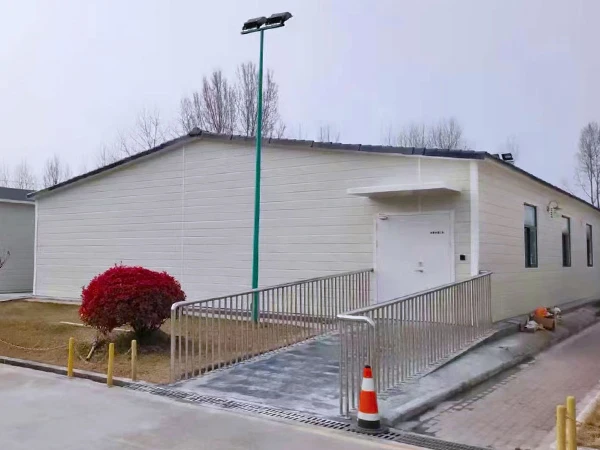
In Guyana, ZN House completed a large-scale modular container camp project designed to provide centralized accommodation and supporting facilities for a construction company’s workforce and project management team.
With the expansion of construction engineering activities, the client required a practical and efficient solution to accommodate frontline workers, management personnel, and project teams at the construction site. The project was developed as an integrated camp combining staff dormitories, management accommodation, restrooms, and office spaces within one coordinated modular building complex.
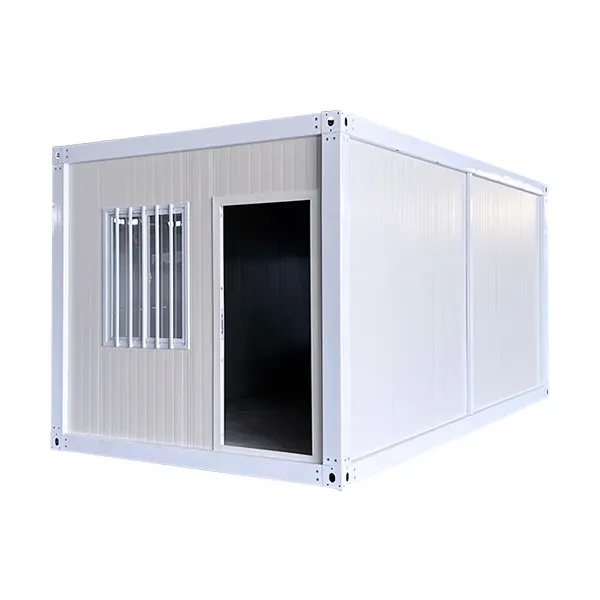
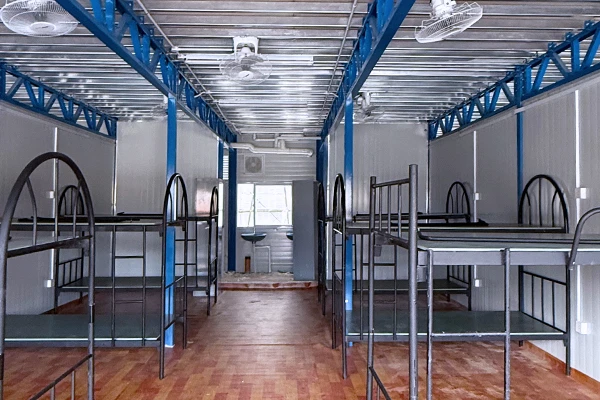
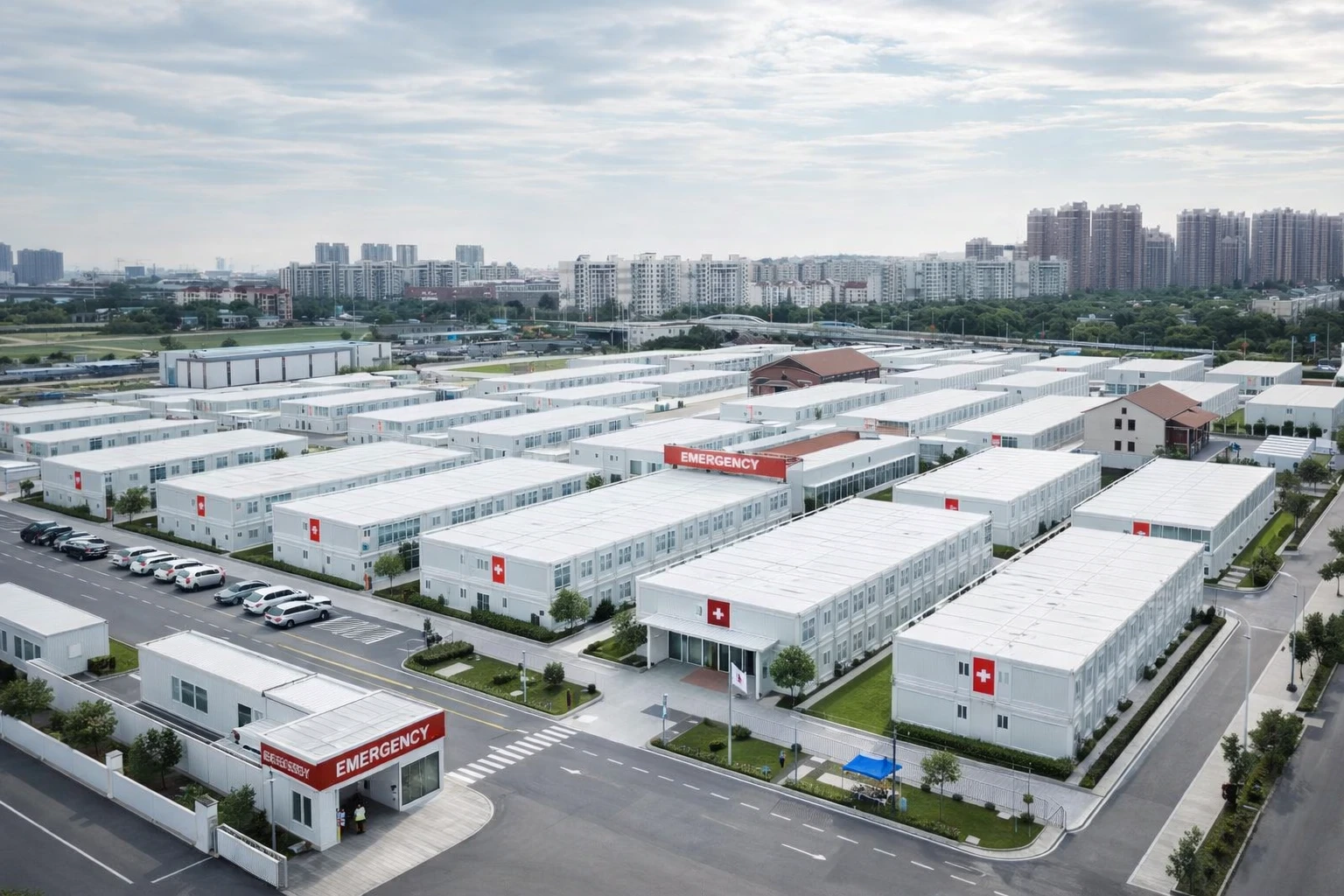
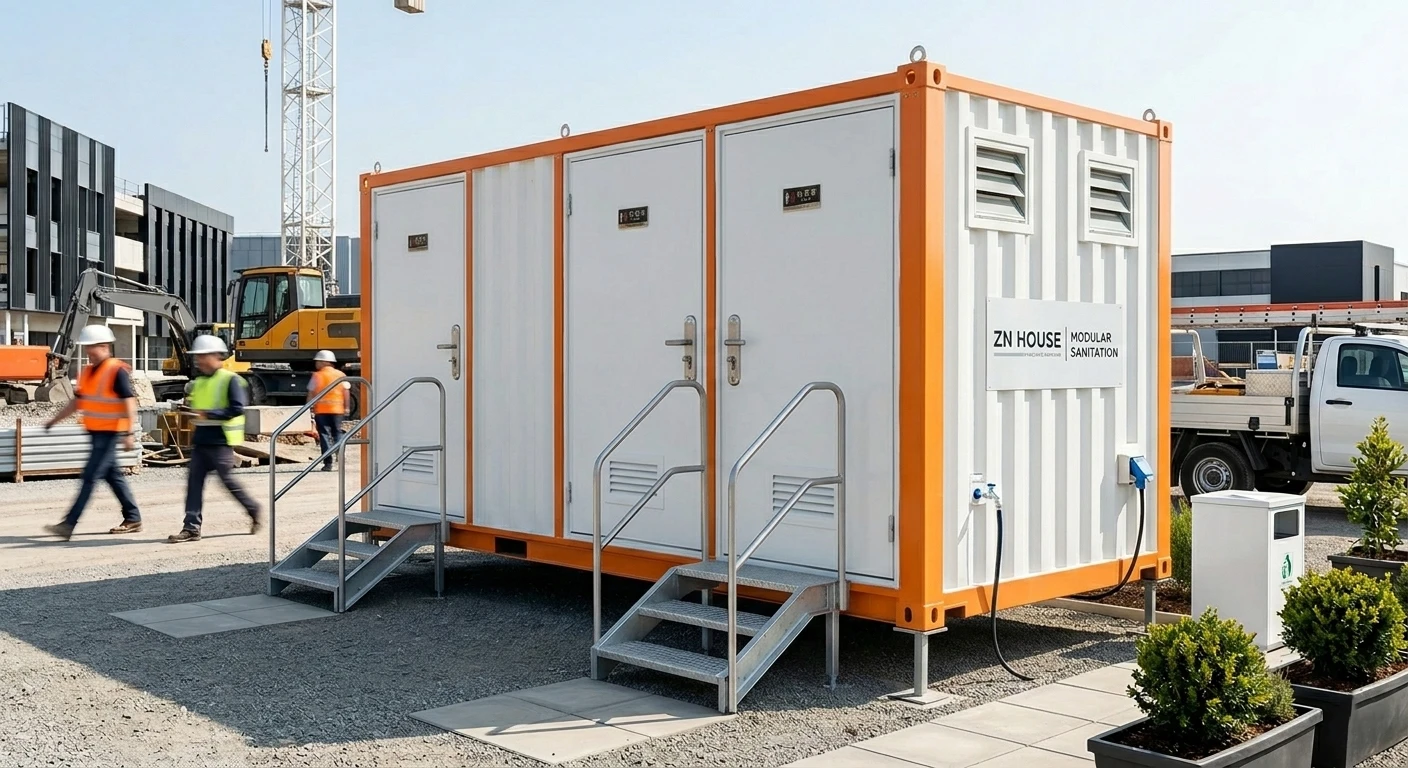
The project covers an approximate construction area of 800 sq m and includes a total of 44 modular container units. The facility consists of 25 staff accommodation units designed for four employees each, 10 management accommodation units, 4 restroom units, and 5 office spaces, creating a complete working and living environment for site operations.
By adopting modular container construction, the project enabled faster deployment, standardized production, and efficient installation compared with conventional site-built structures. The solution was particularly suitable for a remote construction environment where transportation efficiency, installation speed, and reliable accommodation facilities were important considerations.
Project Information
|
Item
|
Details
|
|
Project Name
|
Staff Dormitory in Guyana
|
|
Location
|
Guyana
|
|
Client
|
Confidential Construction Company
|
|
Client Type
|
Construction Company
|
|
Application
|
Worker Dormitory Camp & Site Facilities
|
|
Project Type
|
Modular Container Building
|
|
Total Units
|
44 Units
|
|
Construction Area
|
Approximately 800 sq m
|
|
Accommodation Units
|
25 Staff Dormitory Units + 10 Management Units
|
|
Supporting Facilities
|
4 Restrooms + 5 Offices
|
|
Supplier
|
ZN House
|
Project Background: Centralized Accommodation for Construction Teams

Construction projects in remote areas often require dedicated accommodation facilities for workers and management teams. When project locations are far from existing residential infrastructure, companies need solutions that can provide organized living spaces while supporting efficient project management. In Guyana, demand for site accommodation follows the pace of building activity. The IMF's 2026 Article IV mission reports that the non-oil economy continued to grow at about 14 percent, with construction remaining the largest driver.
For this Guyana project, the client was a local construction company undertaking engineering projects that required centralized accommodation and office facilities for its workforce. The company needed a complete container construction camp that could support daily living, personnel management, and project operations.
The main challenge was creating multiple functional spaces within a relatively short project timeline while ensuring the facility could be transported and installed efficiently. Instead of using traditional construction methods that require longer on-site processes, the client selected a modular container solution to achieve faster deployment and better construction organization.
The final project integrated accommodation, office, and living facilities into a unified modular complex, providing a practical environment for workers and management personnel.
Client Requirements and Project Challenges
Requirement 1: Fast Installation for Large-Scale Accommodation
The client required a solution that could provide accommodation facilities for a large number of workers within an efficient construction period.
With 44 modular units required, traditional construction methods could involve longer preparation and construction processes.
Challenge: Project Schedule
The project required efficient installation and coordinated delivery of multiple units.
ZN House Approach
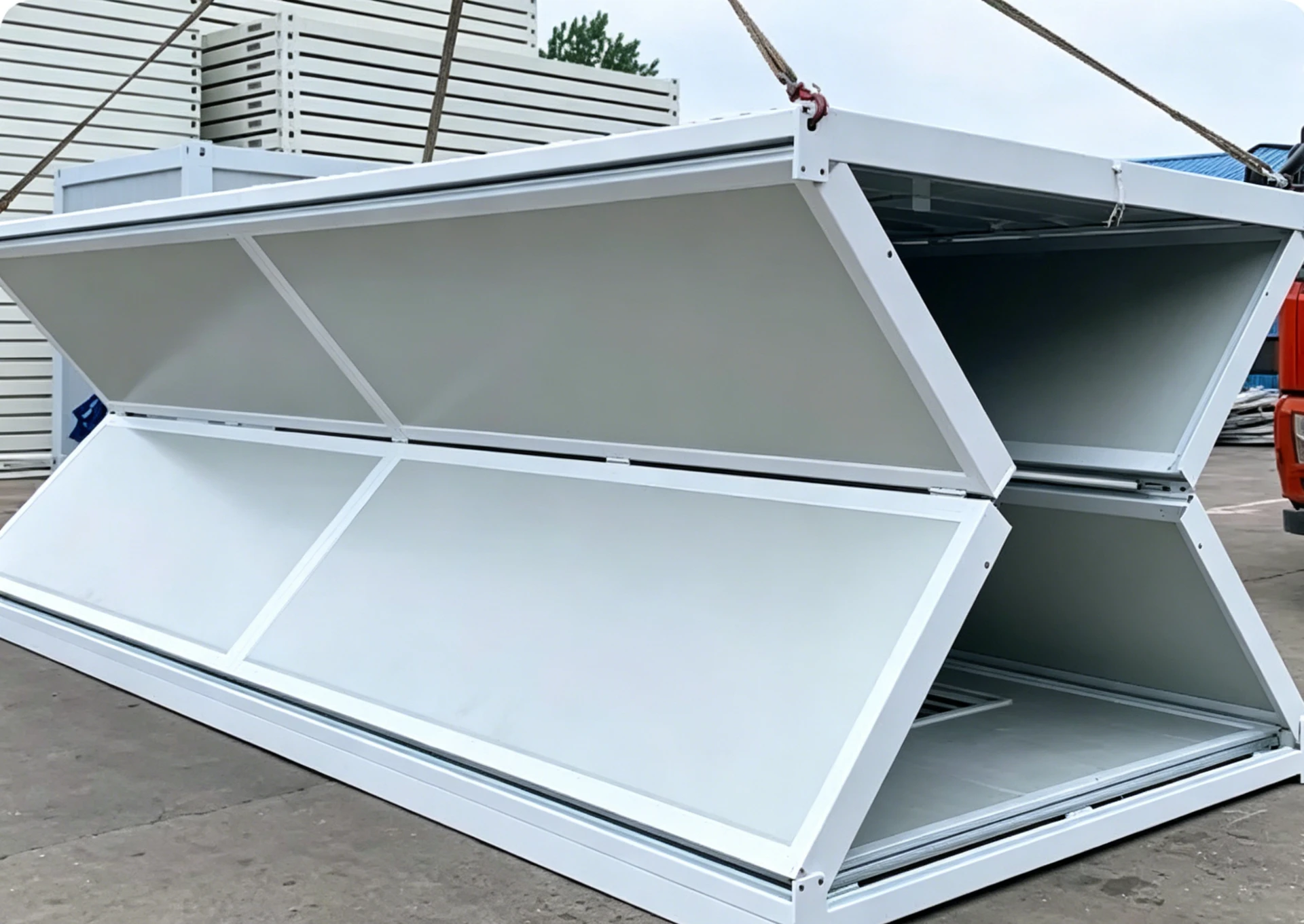
ZN House utilized a modular production method, allowing major building components to be manufactured in advance before transportation to the project site. This reduced the amount of construction work required on-site and improved installation efficiency.
Requirement 2: Adaptation to Guyana’s Climate Conditions
Guyana's tropical environment presents challenges such as high humidity and frequent rainfall. Georgetown, for example, averages about 90 inches (roughly 2,290 mm) of rain a year, with a long-wet season from April to August and a shorter one from December to early February, according to Britannica. Buildings therefore need suitable protection against outdoor conditions.
Challenge: High Humidity Climate
The accommodation facilities needed to maintain practical usability in a humid environment.
ZN House Approach
The modular container system incorporated waterproof roofing and prefabricated wall structures to provide enclosed accommodation spaces suitable for long-term project use.
Requirement 3: Efficient Transportation to a Remote Project Location
Remote construction sites often face logistical challenges when transporting building materials and equipment.
Challenge: Remote Location Transportation
The project required a building solution that could be transported efficiently while reducing complicated site construction procedures.
ZN House Approach
The modular container design allowed components and units to be prepared systematically before transportation. This helped simplify logistics planning and supported organized site assembly. The same approach applies to other isolated sites; see our guide to modular workforce housing for remote operations.

ZN House Modular Container Solution
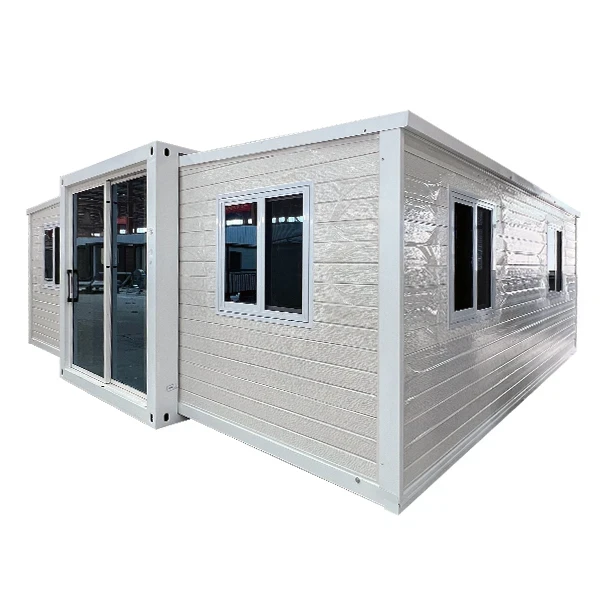
The project adopted a modular assembly construction method because the client required multiple functional spaces, including worker dormitories, management accommodation, restrooms, and offices.
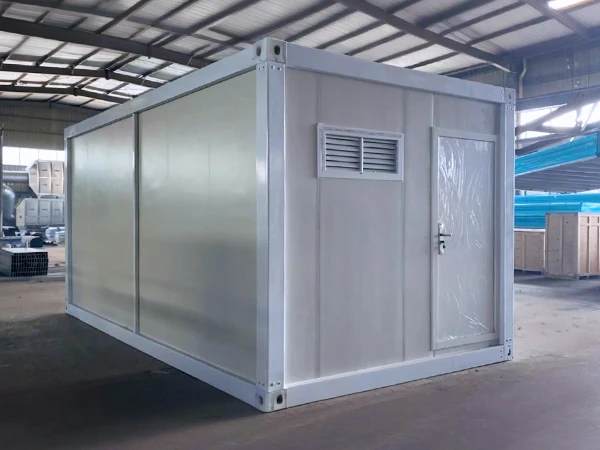
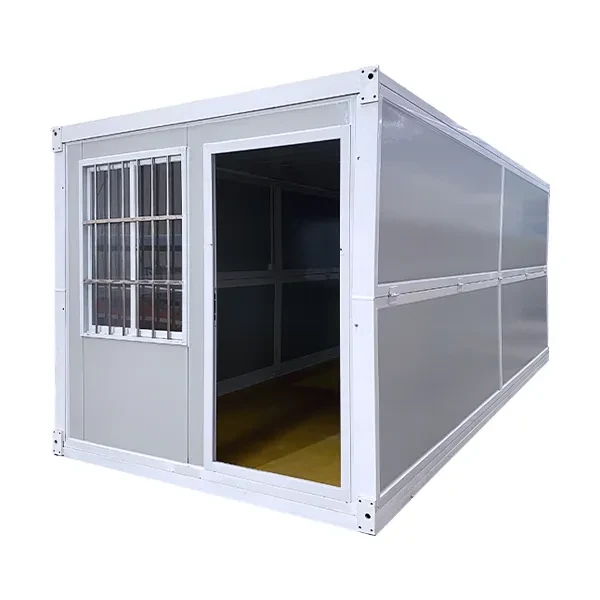
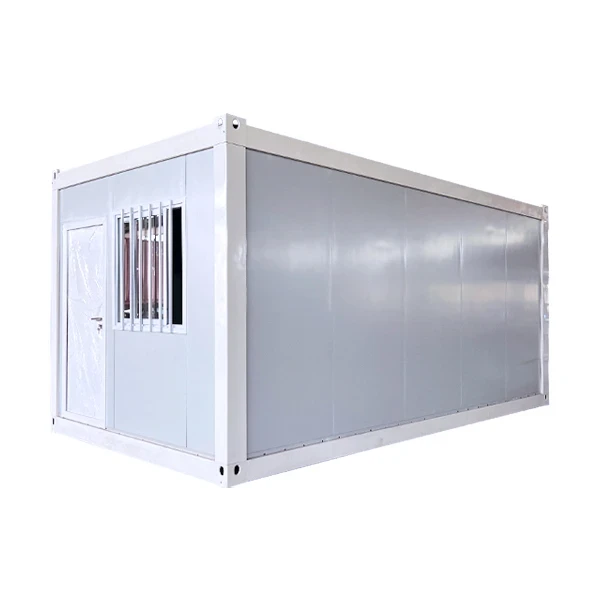
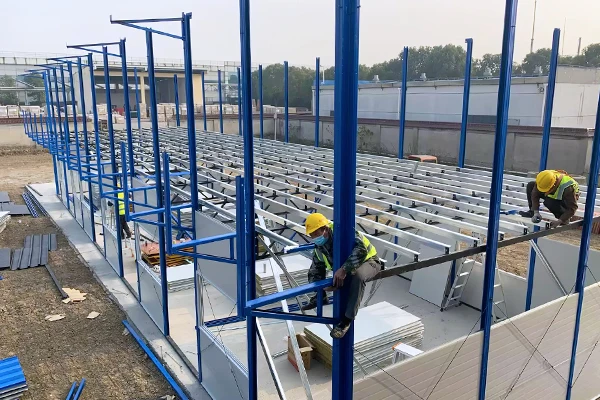
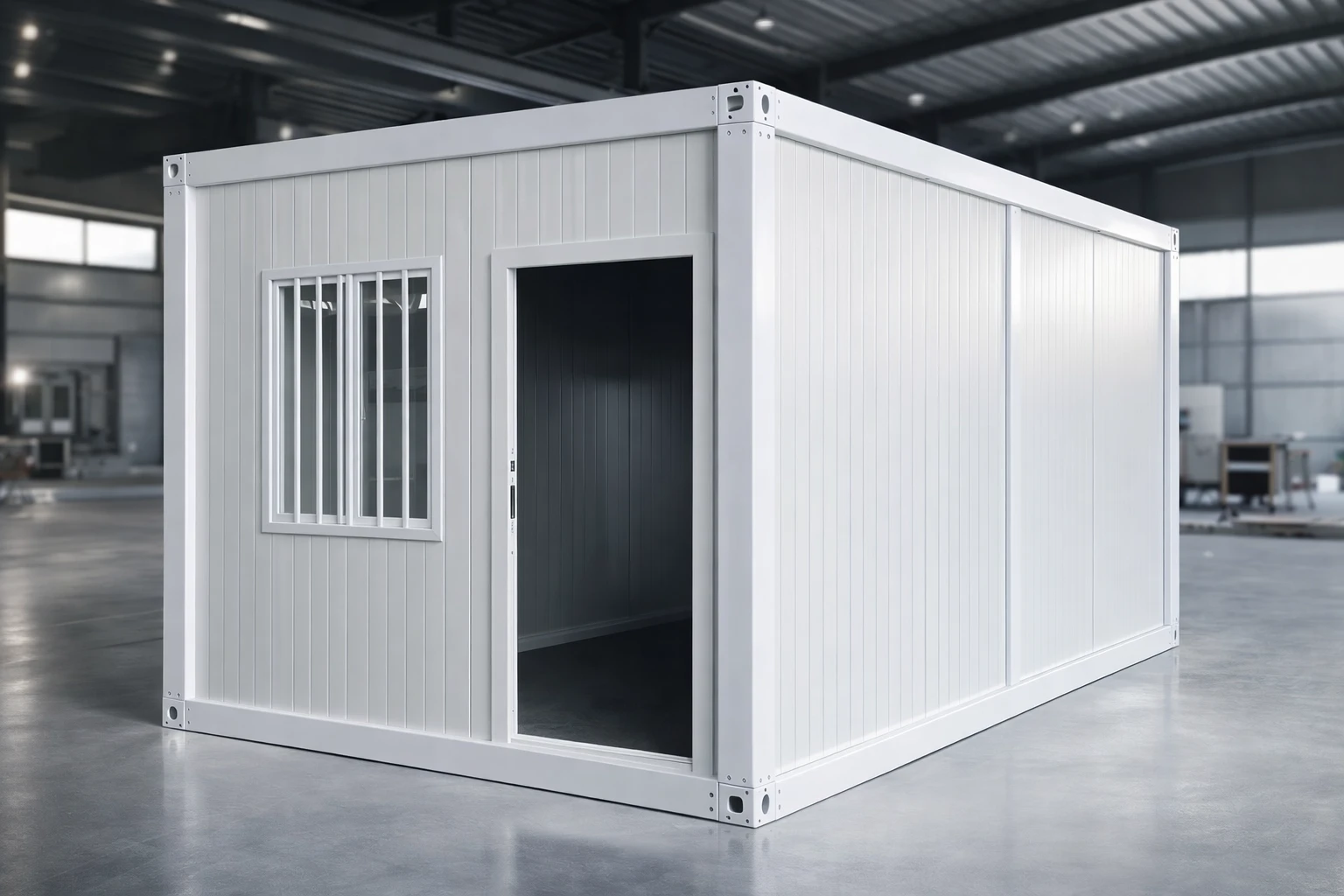
With 44 modular units covering approximately 800 sq m, the project was suitable for standardized production and efficient installation. The modular steel structure system allowed key components, including frames, walls, and roofing systems, to be prepared in the factory before being delivered to the site.
Compared with traditional construction methods that require extensive cutting, welding, and material processing at the project location, modular assembly reduces many on-site operations. The units were assembled through standardized connections, helping improve construction consistency and installation efficiency.
For the accommodation facilities, the modular design provided consistent structural dimensions while allowing interior layouts to be adjusted according to different functional requirements. The project included:
This combination created a complete camp system integrating accommodation, management, and operational facilities. For reference, the IFC and EBRD guidance note on workers' accommodation addresses the planning, construction, and management of camp housing as a whole, including matters such as ventilation and first-aid provision. The Guyana camp's combination of dormitories, offices, and restrooms in one complex reflects the same whole-camp approach.
Key Features of the Guyana Staff Dormitory Project
1. Integrated Worker Camp Solution
The project was not limited to individual accommodation units but developed as a complete workforce camp.
By combining dormitories, offices, and supporting facilities, the modular system helped the client establish an organized environment for both workers and management personnel.
The integrated layout supports:
- Employee accommodation
- Site administration
- Daily management activities
- Basic living requirements
2. Efficient Modular Construction Process
A major advantage of modular construction is the ability to complete manufacturing processes in a controlled factory environment.
For this project, the factory production approach helped standardize components and improve consistency across the 44 units. A similar repeatable-module approach was used on ZN House's 48-unit container building project in Kuala Lumpur, where identical units were produced to a single specification for a construction contractor.
The installation process reduced dependence on complex on-site construction activities and allowed multiple units to be assembled efficiently. Independent research points the same way in general: a study of 17 permanent modular projects reported average schedule reductions of about 45 percent compared with onsite construction, though results vary by project type.
3. Flexible Functional Layout
Different areas within the camp required different functions. Worker dormitories, management rooms, offices, and restrooms all had different space requirements.
The modular container system allowed ZN House to create different functional layouts while maintaining standardized structural components.
This flexibility made the solution suitable for large construction camps where various operational spaces need to work together.
4. Suitable for Remote Construction Projects
Remote construction projects often require accommodation solutions that can be deployed where permanent buildings are unavailable.
The Guyana project demonstrates how modular container buildings can provide practical facilities in locations where traditional construction may require more resources and longer preparation.

Project Results
Through the modular container construction approach, the Guyana staff dormitory project achieved the following results:
|
Result
|
Achievement
|
|
Installation Efficiency
|
30% improvement
|
|
Staff Accommodation Capacity
|
110 people
|
|
Energy Saving
|
40%
|
The completed project provided accommodation capacity for approximately 110 people, supporting the client’s workforce and management requirements.
The standardized modular construction method also improved installation efficiency by reducing complicated on-site construction procedures.
Advantages of ZN House Modular Container Camps
Faster Project Deployment
Factory prefabrication allows major construction processes to be completed before delivery, helping reduce on-site installation workload.
Improved Construction Organization
A modular approach provides standardized production and clearer project coordination, especially for large multi-unit developments.
Flexible Expansion Possibilities
Modular buildings can be arranged according to site conditions and future requirements.
Suitable for Different Applications
Container camps can serve various purposes, including:
- Worker accommodation
- Construction camps
- Industrial facilities
- Remote project offices
- Temporary living facilities

Conclusion
The Guyana Staff Dormitory Project demonstrates the effectiveness of ZN House modular container solutions for large-scale workforce accommodation requirements.
By delivering 44 modular container units across approximately 800 sq m, ZN House created an integrated camp facility that combines worker dormitories, management accommodation, offices, and restroom facilities.
The project addressed key challenges including remote transportation, humid climate conditions, and efficient large-scale installation. Through factory prefabrication and modular assembly, the solution provided the client with a practical and organized accommodation environment for construction operations.
As infrastructure and engineering projects continue expanding in remote locations, modular container camps provide a flexible approach for developing efficient workforce accommodation and project support facilities.
Explore more ZN House projects in South America.
Sources:
IMF, Guyana: Staff Concluding Statement of the 2026 Article IV Mission, July 31, 2026
Britannica, Guyana: Climate
IFC and EBRD, Workers' Accommodation: Processes and Standards