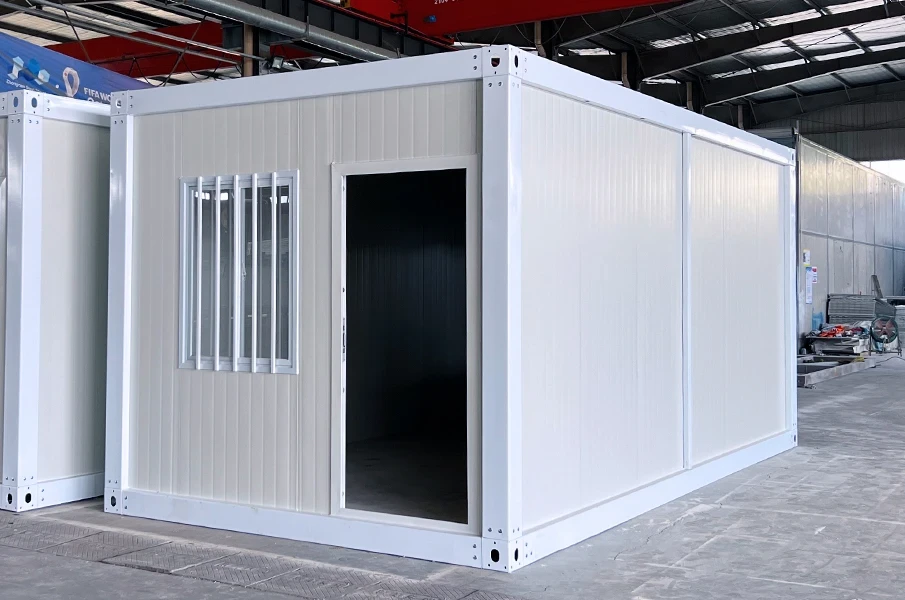
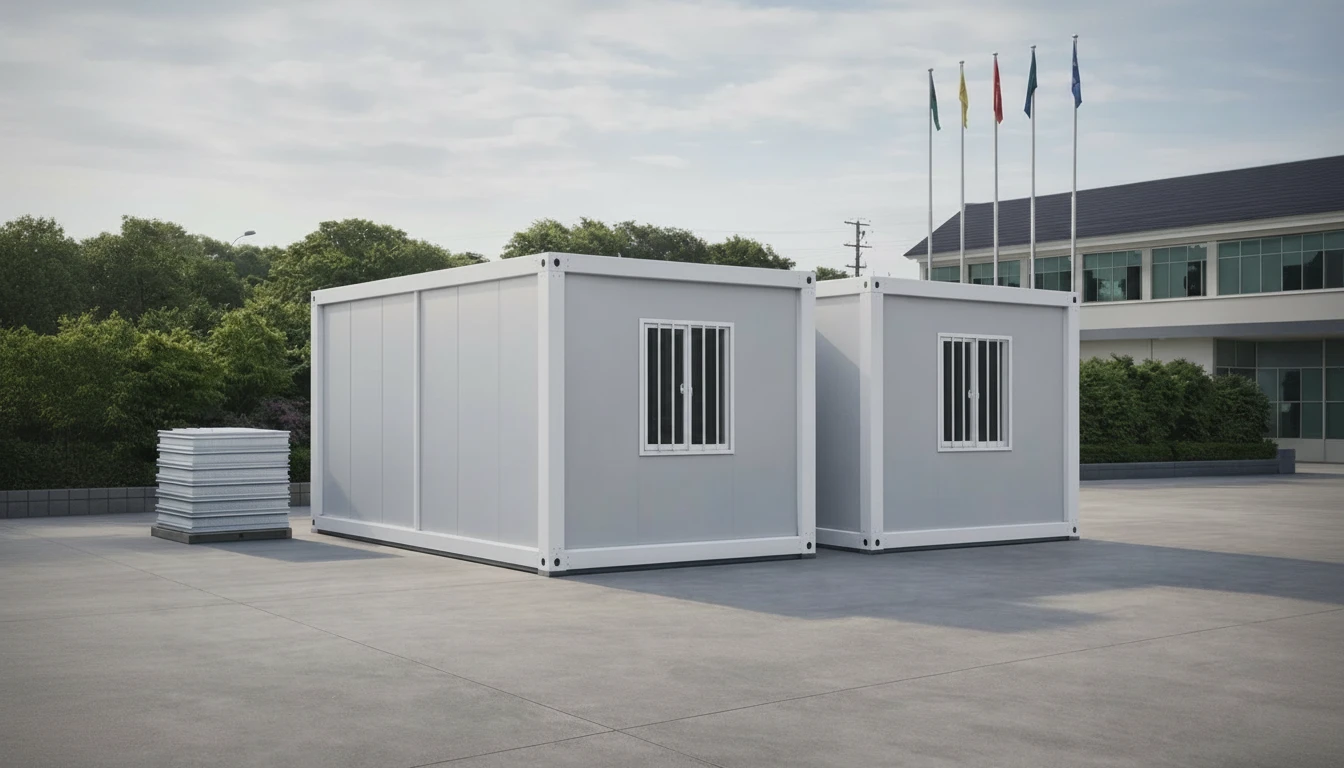
Prefab Self Sustaining Homes: The Future of Sustainable Living
Prefab self sustaining homes are becoming more than just a niche trend—they’re an essential part of how we’ll build and live for decades to come. But what exactly are they, and why should we care globally? Essentially, these are factory-built residential solutions designed to operate with minimal external resources, often leveraging renewable energy, water recycling, and sustainable materials. The global stakes are high: as the world’s population grows and climate change accelerates, prefab self sustaining homes offer a practical way for countries, communities, and organizations to meet housing demands more sustainably and resiliently.
Introduction: Global Context & Urgency
Today, over 1 billion people worldwide lack adequate housing according to the UN’s Sustainable Development Goals. As urbanization outpaces infrastructure, the demand for affordable, resilient, and eco-friendly housing has surged. Prefab self sustaining homes address these challenges by drastically cutting construction time and carbon footprint, while providing off-grid capabilities critical for remote, disaster-prone, or resource-limited areas.
Consider this: the International Energy Agency estimates that buildings account for nearly 40% of global energy consumption. Prefab self sustaining housing directly mitigates this by integrating efficient design and renewable systems right from the factory floor.
What Are Prefab Self Sustaining Homes?
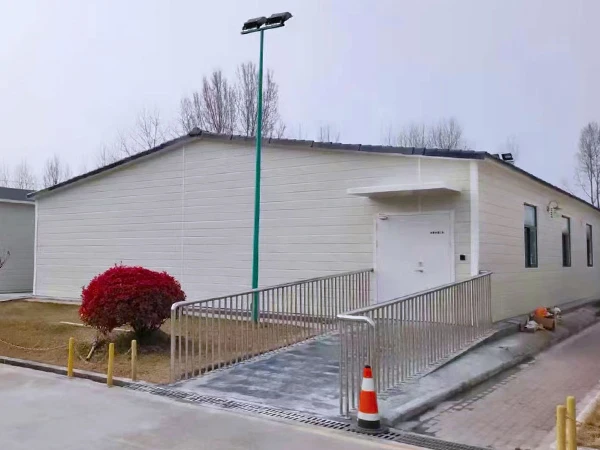
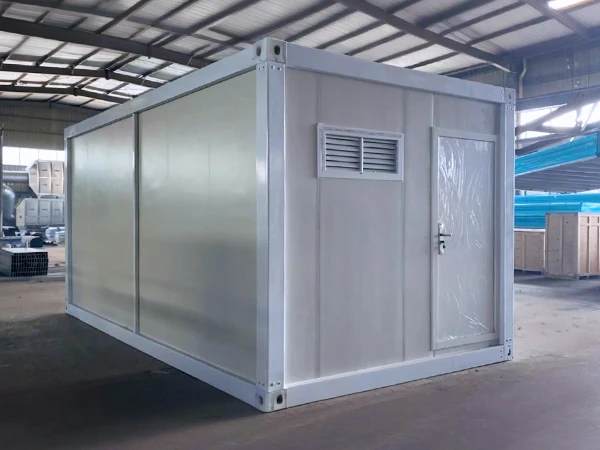
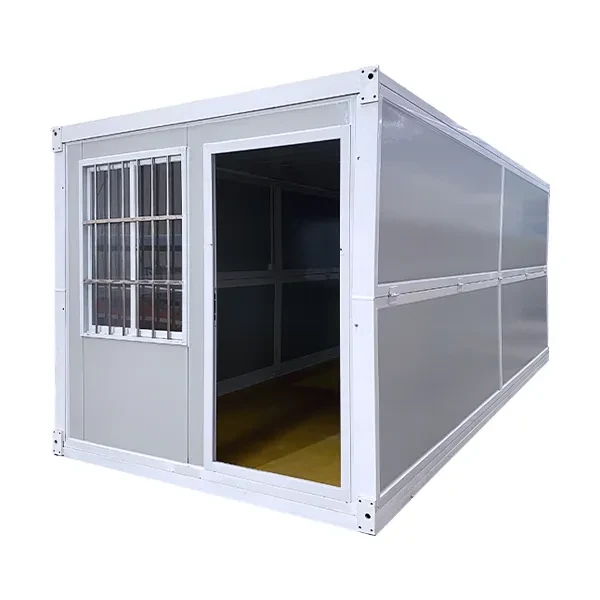
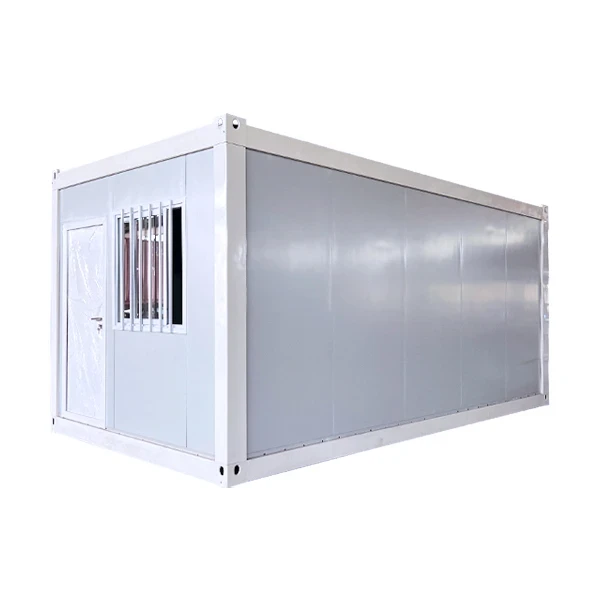
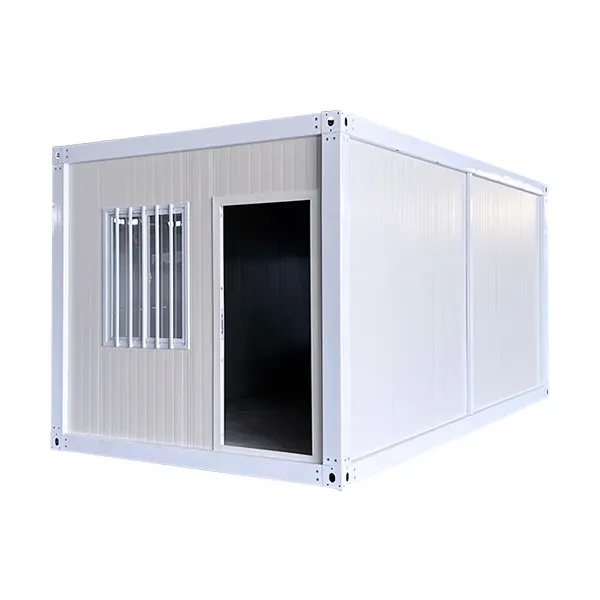
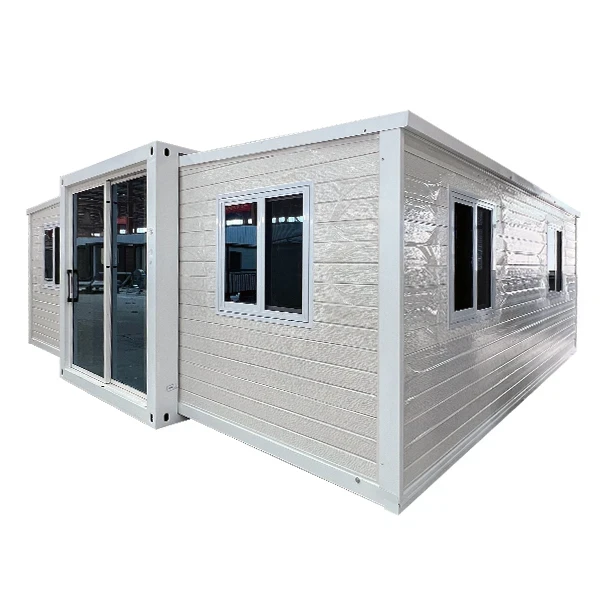
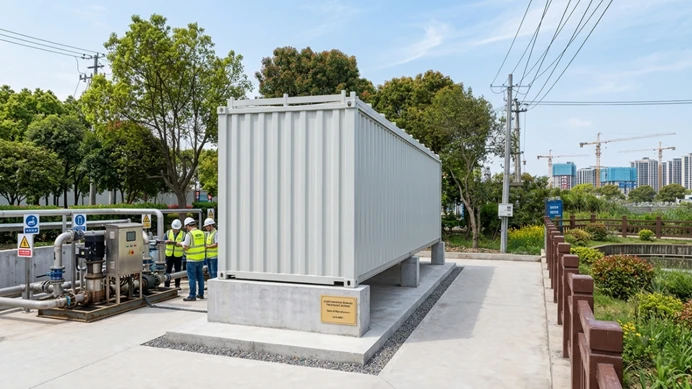
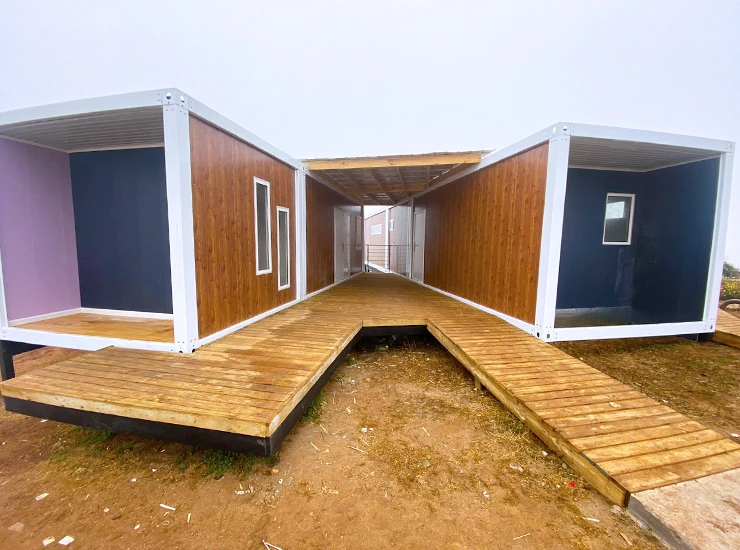
In simple terms, prefab self sustaining homes are modular houses constructed in controlled factory settings, then transported and assembled onsite. The “self sustaining” part means these homes can generate their own power (like solar or wind), manage water through rain harvesting and treatment, and often incorporate smart technologies to reduce waste and enhance comfort.
This concept isn’t just theoretical; it fills critical gaps in humanitarian aid, remote industry housing, and sustainable urban development. When disaster strikes, these homes can be rapidly deployed, providing dignity and safety independently of fragile infrastructure.
Core Components of Prefab Self Sustaining Homes
1. Durability & Weather Resistance
Experts design these homes to withstand extreme weather—be it hurricanes, wildfires, or heavy snow—using advanced materials like engineered timber or recycled steel frames. This robustness ensures longevity and reduces repair costs over time.
2. Energy Independence
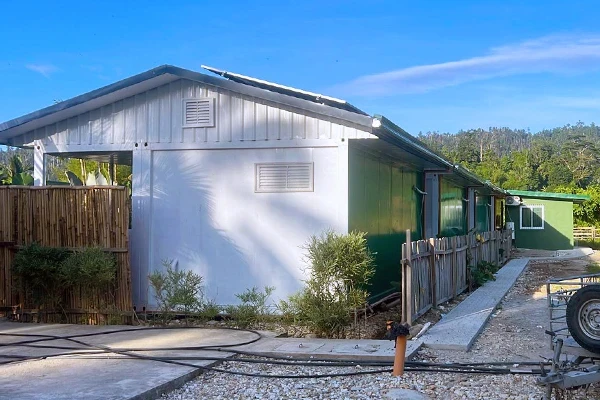
Installing solar panels or micro-wind turbines allows the home to operate off-grid, paired with battery storage and energy-efficient appliances. This setup lowers electricity bills and reliance on public utilities.
3. Water Management Systems
Water recycling and rainwater harvesting systems minimize freshwater consumption—crucial for arid regions or urban water crises. Some models even treat greywater for reuse in irrigation or flushing toilets.
4. Cost Efficiency & Scalability
Because components are mass-produced, construction waste is minimal, and economies of scale reduce costs. This makes scaling these homes for broad community housing projects financially feasible.
5. Smart Home Integration
Modern prefab shelters often feature smart sensors to control lighting, temperature, and monitor resource use—maximizing efficiency without sacrificing comfort.
Product Specification Table
| Specification |
Typical Value |
| Construction Time |
4-8 weeks |
| Energy Source |
Solar PV + Battery Storage |
| Water Recycling |
Greywater filtration + Rainwater harvesting |
| Size (sq. ft) |
300 - 1200 |
| Material |
Recycled steel, Engineered wood, Insulated panels |
Mini takeaway: Durability, energy independence, water management, and cost-effective scalability form the backbone of prefab self sustaining homes’ practical appeal.
Real-World Applications and Use Cases
- Post-Disaster Relief: After earthquakes or hurricanes, organisations rapidly deploy prefab homes to provide shelter where cabling and pipelines have failed.
- Remote Industrial Zones: Mining or oil fields use these homes because they function off-grid and are quickly installed, keeping workers safe and productive.
- Affordable Urban Housing: Cities facing housing shortages leverage prefab self sustaining units for low-income residents, cutting construction times and utility costs.
- Off-Grid Ecology Projects: Environmentalists and researchers set up self sustaining prefab homes in remote areas, reducing environmental impact.
Vendor Comparison Table
| Brand |
Energy Source |
Average Cost (USD) |
Typical Use Case |
| EcoMod Homes |
Solar + Wind Hybrid |
$80,000-120,000 |
Disaster Relief & Remote Sites |
| GreenBox Living |
Solar Only |
$65,000-95,000 |
Urban Affordable Housing |
| SustainHab |
Off-Grid + Smart Tech |
$90,000-130,000 |
Ecological Research & Education |
Advantages & Long-Term Value
The logic behind prefab self sustaining homes is compelling. First, they offer significant cost savings compared to traditional builds—not just on construction but over the house’s life via reduced utilities. There’s also a powerful social impact: providing dignified, safe housing quickly can transform recovery and development projects.
Emotionally, these homes restore a sense of security and independence, especially in disaster zones. They represent innovation, trust, and a commitment to sustainability from both governments and private sectors alike.
Future Trends & Innovations
Technology is evolving quickly. The future of prefab self sustaining homes includes:
- Advanced Materials: Bio-based composites and 3D printing reduce waste and improve energy performance.
- Connected Smart Systems: AI-enabled energy management optimizes resource use in real-time.
- Policy Support: Countries integrating prefab homes into affordable housing incentives and sustainable city frameworks.
- Digital Twins: Virtual models to monitor home health and maintenance remotely.
Prefab self sustaining homes producers are actively integrating these trends to enhance resilience and comfort.
Challenges & Solutions
Despite benefits, prefab self sustaining homes face hurdles. Supply chain disruptions can delay components, while upfront costs, although declining, remain a barrier for some markets. Also, local building codes sometimes lag behind innovations, complicating approvals.
However, many firms now collaborate with regulators early in the design phase; modular production allows for rapid adjustments, and partnerships with NGOs pave the way for subsidized projects in vulnerable communities.
FAQ: Frequently Asked Questions
- What makes prefab self sustaining homes better than traditional builds?
- Prefab self sustaining homes are quicker to build, reduce environmental impact, and often function off-grid, providing independence and resilience traditional homes lack.
- How long can these homes last in harsh environments?
- With proper maintenance, prefab self sustaining homes can last 30–50 years or more. Their engineered materials resist weathering better than many conventional structures.
- Are prefab self sustaining homes truly eco-friendly?
- Yes, they minimize waste through factory precision, use renewable energy systems, and recycle water, making their life-cycle footprint lower than conventional homes.
- Can international NGOs import prefab self sustaining homes?
- Definitely, many manufacturers specialize in export-ready designs, navigating customs and ensuring modular components arrive ready for easy assembly.
Conclusion
Prefab self sustaining homes stand at the intersection of sustainability, innovation, and human need. Their ability to offer safe, eco-friendly shelter rapidly, affordably, and at scale could reshape housing worldwide. For anyone interested in next-gen living solutions, explore prefab self sustaining homes to see how this technology might change your world, too.
One programmer I know compared it nicely once: prefab self sustaining homes are like apps on your phone—built efficiently, designed for specific environments, and constantly updated for better function. In real terms, that’s quite a leap for housing.
References
- United Nations Sustainable Development Goals on Housing
- International Energy Agency Reports on Building Energy
- Prefabricated Building - Wikipedia