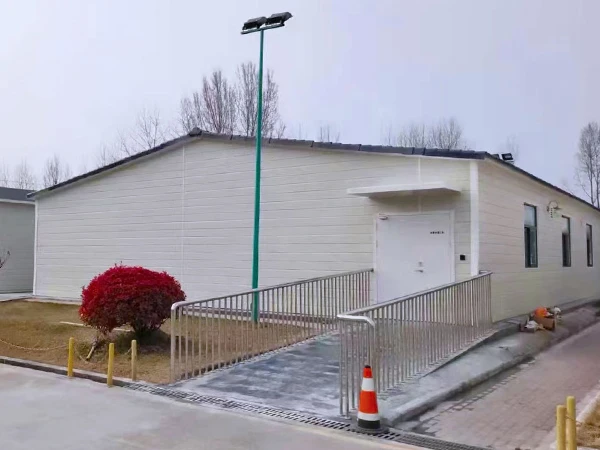
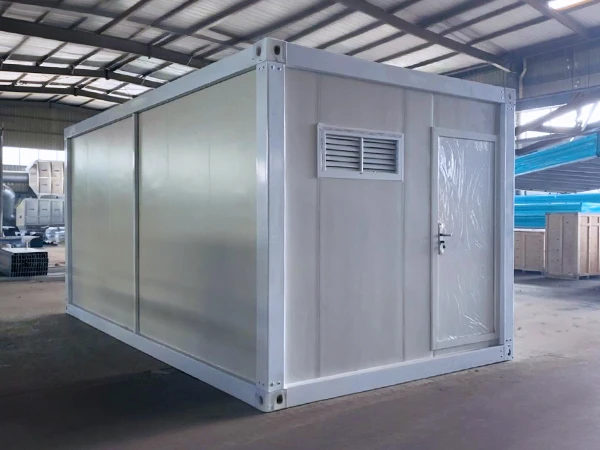
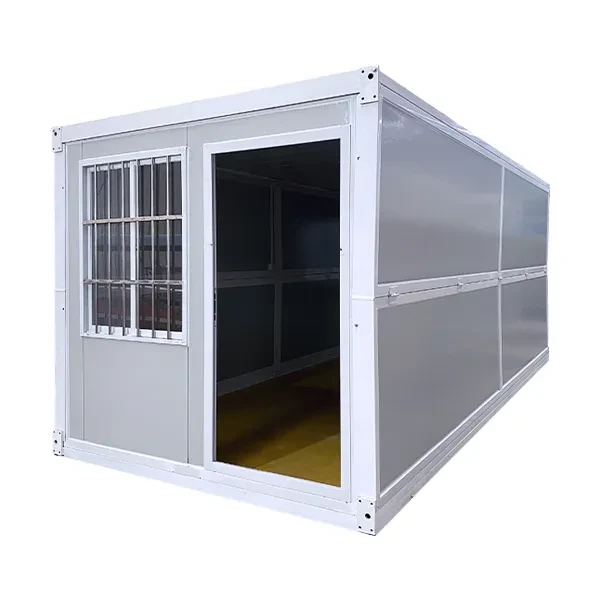
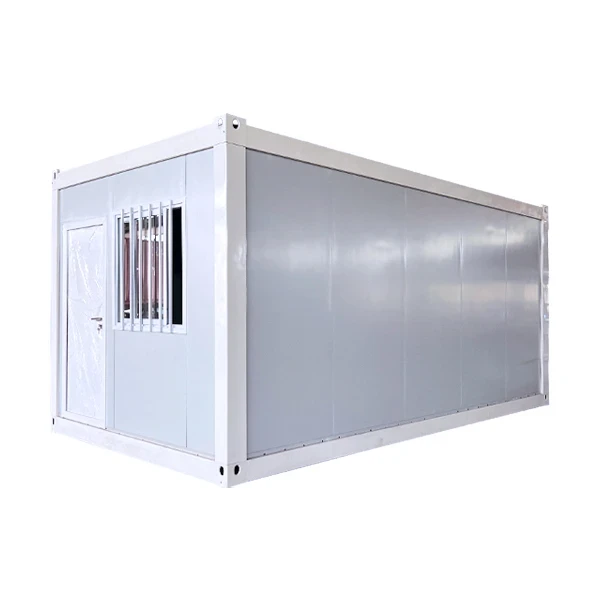
Prefab Steel House: Durable, Efficient, and Surprisingly Personal
After spending over a decade in the industrial equipment sector, I’ve come across many construction materials and methods. Still, prefab steel houses always catch my eye. You might think steel and home don’t mix — but frankly, the prefab steel house concept has evolved quite a bit. From factory-controlled manufacturing to rapid on-site assembly, there’s much more to these than just “metal boxes.”
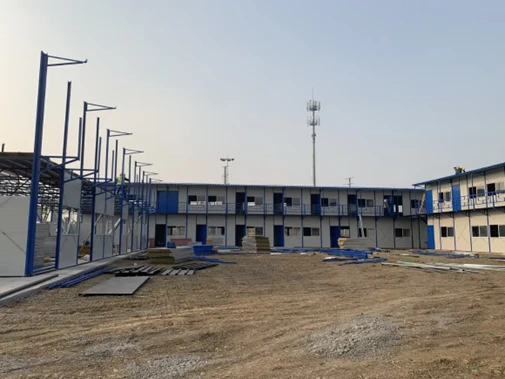
Let me share a little from experience: working on a project where a prefab steel house was chosen for a remote mountainous location, I saw first-hand how the strength of steel combined with precision engineering made building fast, safe, and weather-resistant. The modern prefab steel house isn’t just a shelter; it’s a highly engineered solution to challenges like earthquakes, heavy snow, or even fire. I suppose if you ask many engineers, they’d say it feels like the best of multiple worlds — solid as traditional builds, but with much more predictability.
How Prefab Steel Houses Are Made
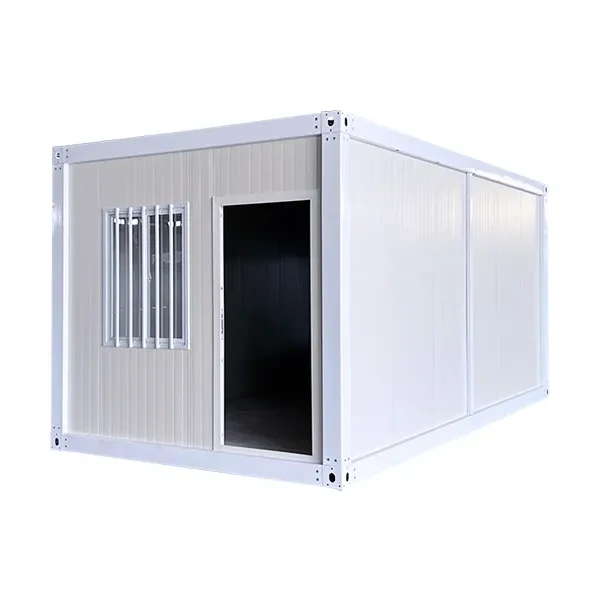
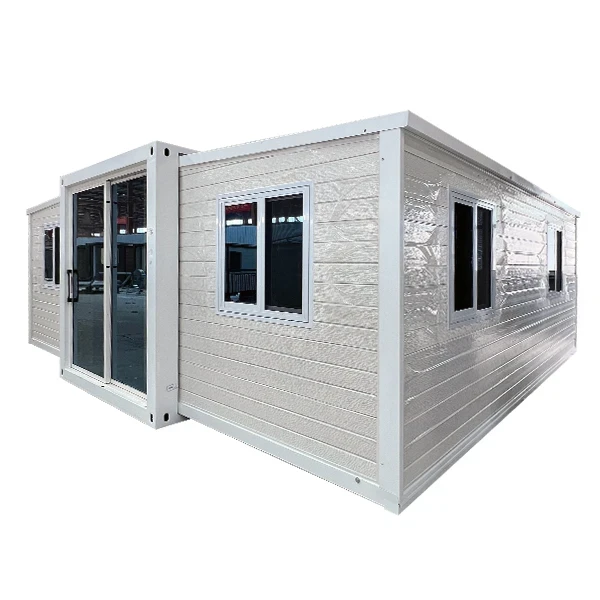
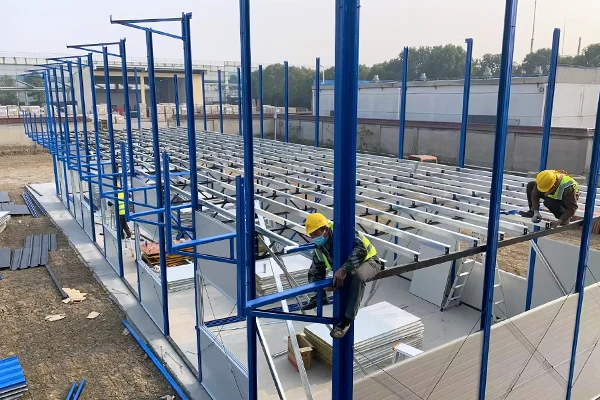
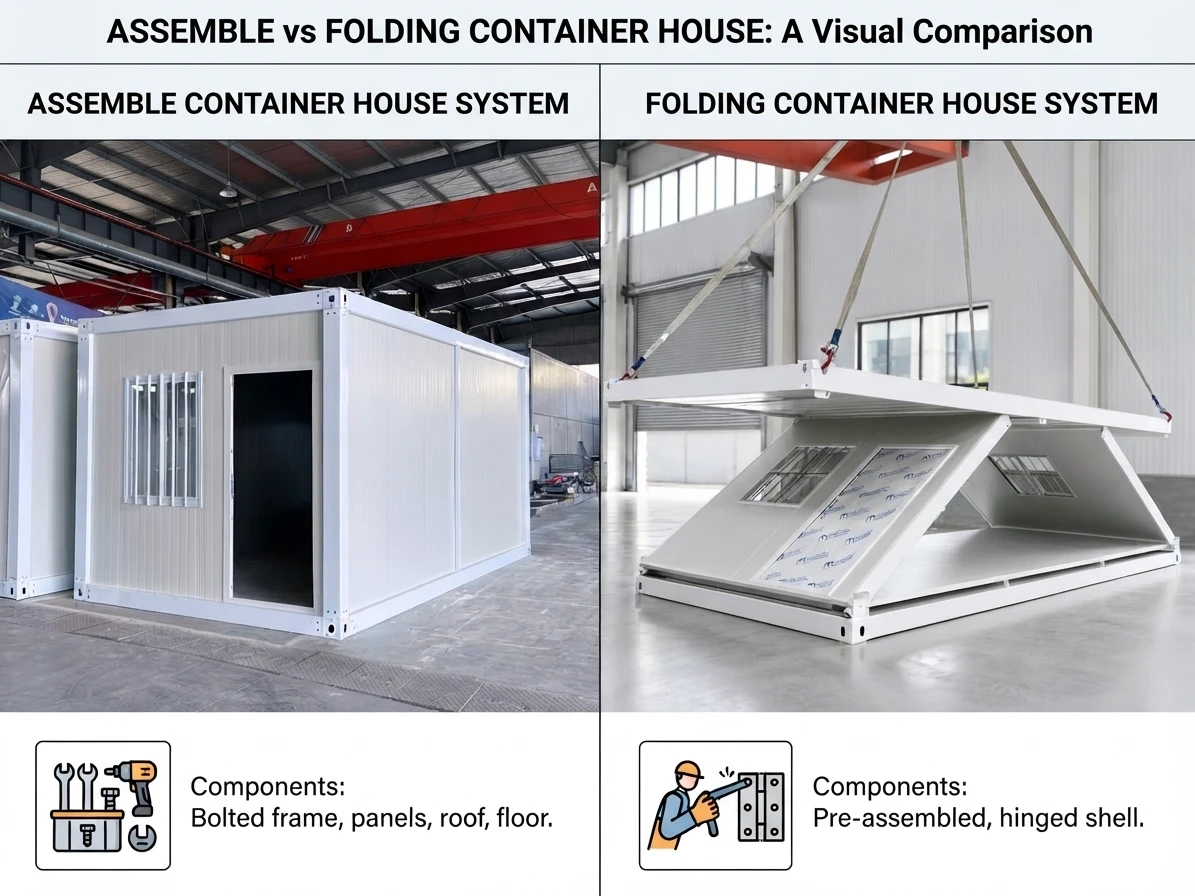
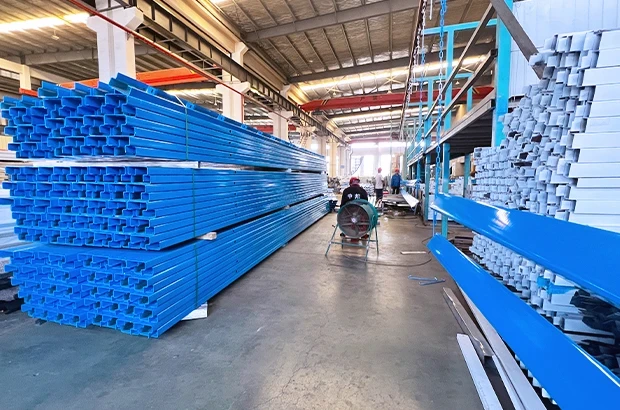
The process starts in factories where steel components are cut, welded, and treated with anti-corrosive coatings under strict quality control. Oddly enough, despite the heavy-duty materials, prefab steel houses often come in surprisingly modular pieces that snap together on site quickly, reducing labor costs and build time. The materials typically involve cold-formed steel profiles treated to resist rust, and insulated panels that help with thermal efficiency. In real terms, this means a house that’s both tough and energy-efficient.
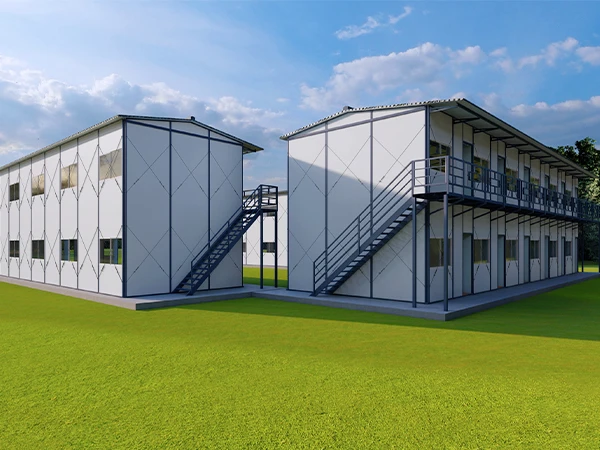
What I found intriguing is that customers can customize layouts extensively before manufacturing — walls, windows, and roofing panels can all be tailored while still benefiting from mass production efficiencies. This was evident when a family I worked with wanted wider living spaces and integrated solar-ready roofs — their requests were accommodated without much delay.
| Specification |
Details |
| Steel Frame |
Cold-formed galvanized steel, thickness 1.5–3 mm |
| Insulasi |
Polyurethane foam panels, R-value approx 5.5 |
| Roof Type |
Steel sheet with waterproof coating |
| Assembly Time |
Typically 1–2 weeks per unit on site |
| Load Resistance |
Snow load 1.5 kN/m², Wind load up to 0.6 kN/m² |
Vendor Comparison: Choosing Your Prefab Steel House Supplier
Not all prefab steel houses are created equal, and picking your supplier is crucial. I’ve seen projects delayed because of material quality or lack of post-sale support. Here is a quick rundown of some common vendors in the market and how they stack up based on my observations and industry data:
| Vendor |
Material Quality |
Customization |
Assembly Support |
Typical Lead Time |
| ZN House |
High-grade galvanization, certified steel |
Flexible options, full 3D layout services |
Remote and on-site guidance offered |
4–6 weeks |
| SteelHome Inc. |
Medium, some galvanized parts only |
Limited customization |
Assembly manual included |
6–8 weeks |
| QuickBuild Steel |
Good quality but less corrosion protection |
Standard packages only |
Limited support |
3–5 weeks |
One memorable client I recall was building a prefab steel house near a seismic zone. They were apprehensive about steel initially, fearing noise or cold interiors. But after consulting closely with the manufacturer and adding extra insulation, the house became their sanctuary — warm in winter, quiet despite its steel frame, and almost impervious to storms. It reminded me that prefab steel houses are not just industrial products; they’re about living comfort and peace of mind.
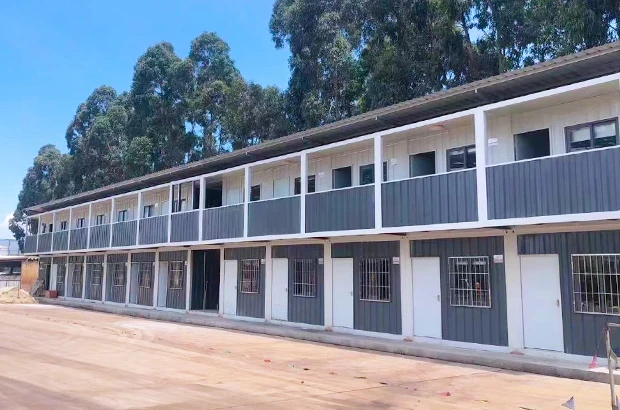
In closing, if you’re considering long-lasting, quick-to-build housing, the prefab steel house might just be worth a look. It feels like the future of residential construction — strong, adaptable, and surprisingly personal...
References
- Industry Standards for Cold-Formed Steel Structures, AISI
- Building with Prefab Steel: A Review of Advantages, Construction Journal, 2023
- ZN House Official Product Details, https://www.zn.zn-house.com