Prefab Washroom-Sizing, Standards, and Choosing Between EPS and Container Units
A prefab washroom is essentially a pre-constructed sanitary unit that can be easily installed at a property or event site. Among the prefab units, there can be a lightweight EPS (expanded polystyrene) portable toilet or a more durable steel-framed unit made from a decommissioned shipping container. Two factors that come into play when deciding whether a portable or steel unit is suitable for a certain situation and how many units will be needed at a given place are the duration of usage and the standard that applies.

Two Formats, Two Different Jobs
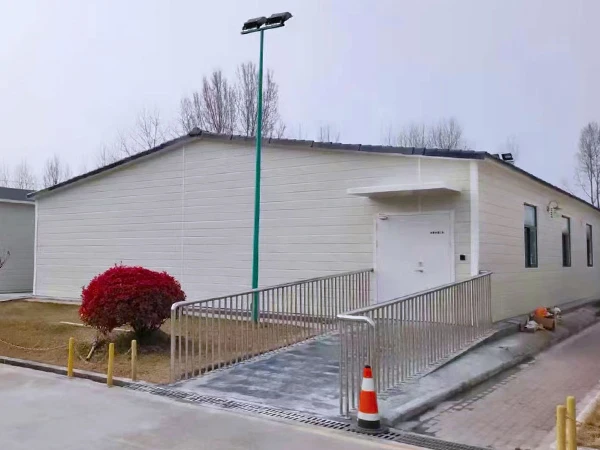
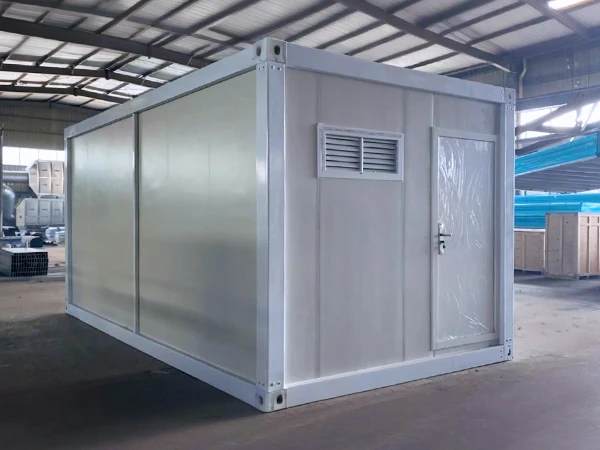
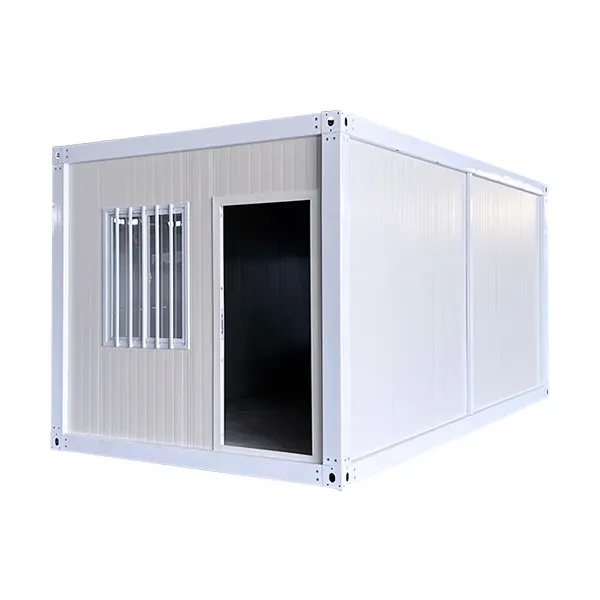
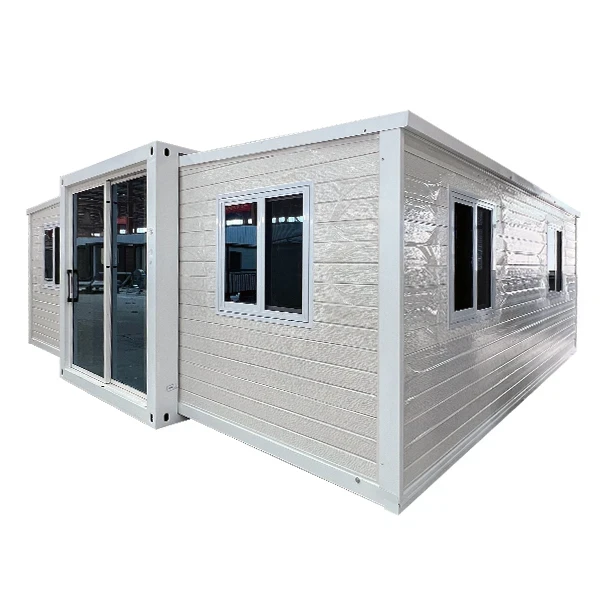
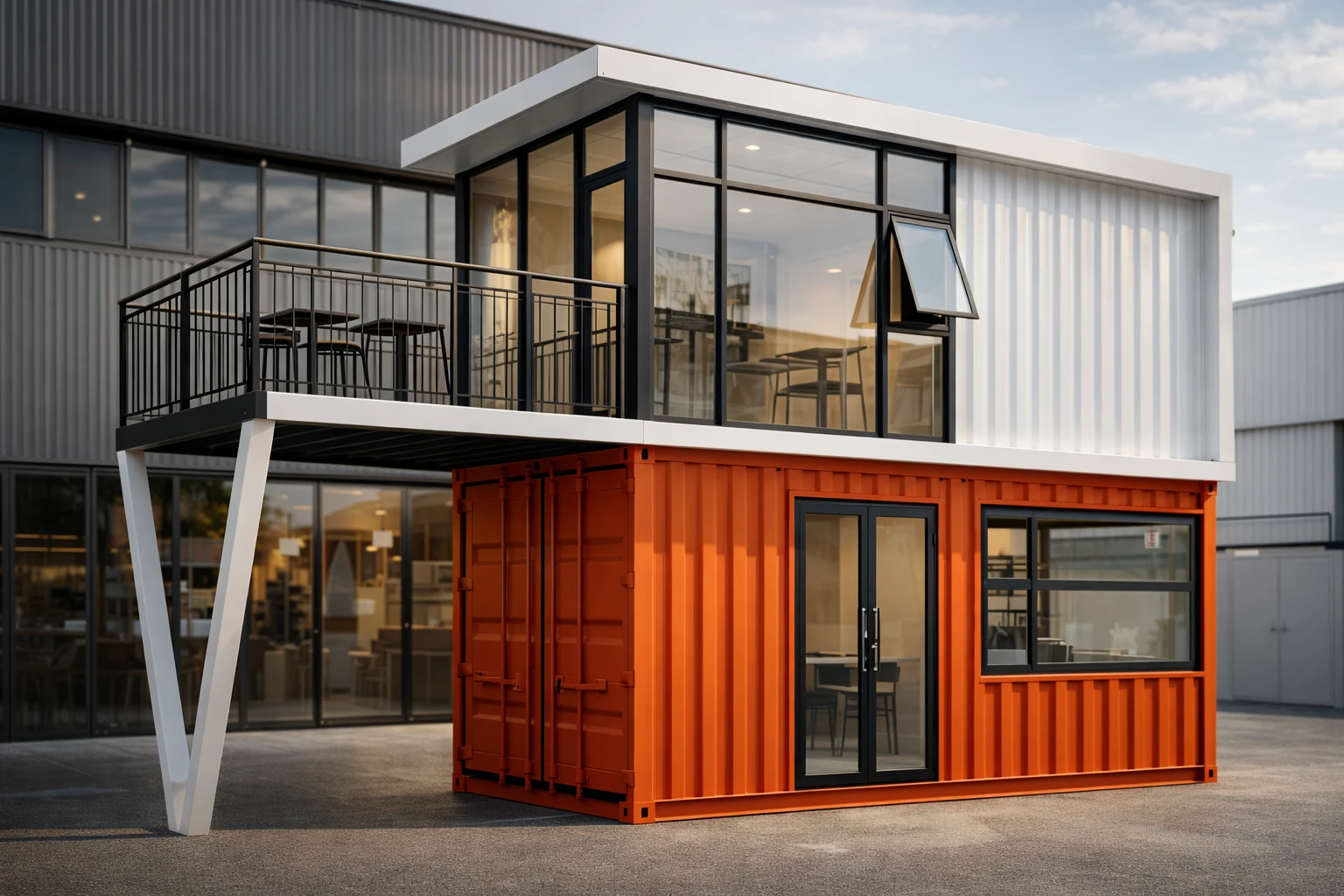
ZN House sells prefab washrooms in two distinct product lines rather than one generic “portable toilet” SKU, and the difference matters more than it looks. Besides convenience, this EPS portable toilet was also designed for adaptability. It's made from EPS (expanded polystyrene) composite panels inexpensive to mass produce, light enough to move around with a forklift or other site equipment, and easy to port to another location, which makes it perfect for short-term deployments where a portable toilet might be required for several weeks or a season but not permanently. The container toilet is constructed from a secondhand shipping container with a steel frame, heavier, and slower to reposition and then back again, but rated for years of heavy use, and with fixtures that can be vandal resistant and layouts that provide full wheelchair accessibility once the site makes a long-term commitment to the storage container as a facility.
Specification Comparison
|
Parameter
|
EPS Portable Toilet
|
Assembled Container Toilet
|
|
Frame / shell
|
EPS (expanded polystyrene) composite panels
|
Repurposed shipping container, reinforced steel frame
|
|
Typical footprint
|
≈ 1.1m x 1.1m x 2.3m per single stall
|
Up to 6 stalls (3 toilets + 3 sinks) per 20ft container
|
|
Weight class
|
Ultra-lightweight; liftable by hand or small equipment
|
Heavy-duty; crane or forklift handling
|
|
Best lifespan
|
Short-term / seasonal deployments
|
Multi-year, high-traffic, semi-permanent use
|
|
Mobility
|
Relocate by hand or light equipment as work zones shift
|
Relocatable by crane/lowboy; not a quick daily move
|
|
Optional features
|
Insulated panels for hot/cold climates
|
Vandal-proof fixtures, optional wheelchair access
|
|
Typical fit
|
Construction sites, parks, festivals, film shoots
|
Mining/industrial camps, multi-year sites, stadiums
|
Figures reflect ZN House's published EPS and container washroom lines; confirm current dimensions, fixture counts, and optional features directly with ZN House for a specific project.
How Many Units Does a Site Actually Need?
In the US, the baseline is a legal requirement, not a rule of thumb. OSHA's construction sanitation standard, 29 CFR 1926.51(c), sets a minimum toilet count by crew size:
|
Number of Employees
|
Minimum Facilities (OSHA Table D-1)
|
|
20 or fewer
|
1 toilet facility
|
|
20 to 199
|
1 toilet seat and 1 urinal per 40 workers
|
|
200 or more
|
1 toilet seat and 1 urinal per 50 workers
|
That's a floor, not a comfortable number. The Portable Sanitation Association International (PSAI) voluntary guideline commonly cited alongside OSHA's minimum recommends closer to one unit per 10 workers on a standard 40-hour week with weekly servicing – a level aimed at keeping units usable between service visits rather than just meeting the legal count. When it comes to mixed-gender crews, event organizers usually decide to include additional units as the proportion of women grows. This is mainly because the wait times in the single-queue for women's facilities increase more rapidly when there are fewer fixtures. Federal regulations do not provide a single standard formula for this kind of adjustment. Therefore, it is important to consider this factor when developing a sanitation plan that is specific to the site.
Locations that span multiple years or have high density such as a mining camp, a stadium, or a multi-year construction project typically depend on the container format. Since service cycles and fixture durability become more significant over a longer period of time, factors like the initial weight or ease of movement are less important.
Where Prefab Washrooms Are Used
Construction sites. The core OSHA-driven use case: fast deployment, unit counts tied to crew size, and relocation as work zones move across the site.
Worker camps and mining sites. Longer deployments favor the container format, often paired with mining camp accommodation blocks so sanitation scales with the same crew count the housing is sized for.
Events, parks, and temporary venues. The EPS format's simplicity and fast deployment make it ideal for festivals, markets, and film shoots. That's where units must show up and go away according to a schedule that's measured in days, not years.
Emergency and disaster response. Sanitation is a first-week priority in any displacement event, and prefab washrooms deploy alongside refugee and disaster relief camp shelter for exactly that reason – see the compliance section below for the humanitarian-sector standard that applies here instead of OSHA.
Water Supply and Wastewater Handling
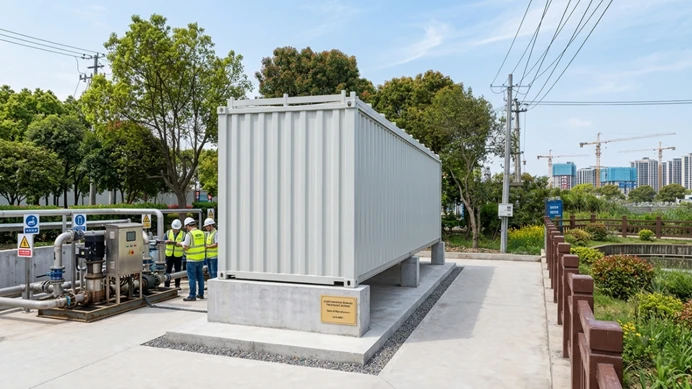
A prefab washroom is only as good as what happens to the water going in and the wastewater coming out, and that's frequently the harder problem on a remote or off-grid site than the washroom unit itself. ZN House's sister company MEOX supplies containerized water and wastewater infrastructure for exactly that gap – including a containerized wastewater treatment system that treats greywater and blackwater on site rather than relying on a municipal sewer connection or repeated pump-out trips. Usually when project owners are planning a multi-unit washroom cluster, they include both in the same procurement a prefab washroom package for the fixtures and a containerized treatment unit for the waste.
Standards and Compliance
In the US, the controlling standard for construction jobsites is OSHA 29 CFR 1926.51, which sets the minimum facility count above and requires that units be sanitary, lockable, and reachable within prompt access – a dirty or out-of-service unit does not count toward the legal minimum even if it's physically on site. Usually, the ANSI/PSAI Z4.3 voluntary industry standard for portable sanitation bakes the OSHA floor in, and becomes a handy benchmark for servicing after the legal minimum is achieved. For humanitarian and disaster-response deployments, the relevant benchmark shifts to the Sphere Handbook minimum standards for water, sanitation, and hygiene in emergencies, which set person-to-toilet ratios and siting rules specific to displacement settings rather than fixed worksites.

Frequently Asked Questions
Should I choose EPS or container washrooms?
A good rule of thumb EPS units are appropriate for installations up to a year where you need to relocate the units as work zones move - construction sites events seasonal use. Container units are appropriate for multi-year, high traffic sites or semi-permanent locations where fixture durability and service life is more important than the lighter weight of an EPS unit.
How many toilets does my construction site legally need?
OSHA 29 CFR 1926.51(c): 1 toilet for 20 or less, 1 toilet seat & 1 urinal for 40 at 199, and 1 for 50 (200 and more). Again, you can write the minimum, but many contractors stay within the PSAI's approximations of 1 for every 10 users to ensure that the units stay functional until they're cleaned.
Do prefab washrooms need a sewer connection?
Not necessarily. Units can run on holding tanks serviced by a pump-out schedule, or be paired with a containerized on-site treatment system for sites without practical access to a municipal sewer.
Can prefab washrooms be relocated once installed?
Yes, although the two formats vary in ease of relocation. EPS units are lightweight and can be moved using standard site equipment. It is important to note that container units are also moveable. However, due to the need for a crane or lowboy trailer, it becomes more convenient to position them in locations where the washroom will not be relocated very often.
What's different about washroom standards in a disaster-relief deployment?
OSHA's construction standard takes for granted there is a constant population and work site. The Sphere Handbook's WASH (water, sanitation, and hygiene) standards as adopted by the entire sector are based on displaced population different numbers, different siting and privacy needs, and different assumptions about camp service delivery.
Sources
OSHA, 29 CFR 1926.51 – Sanitation (construction jobsite toilet requirements) – osha.gov/1926.51
Portable Sanitation Association International (PSAI) – psai.org
Sphere Project, Sphere Handbook – Minimum Standards in Water Supply, Sanitation and Hygiene Promotion – spherestandards.org/handbook
Disclaimer
The technical specifications in this article reflect ZN House's published EPS and container washroom product lines. Actual specifications, certifications, and applicable sanitation requirements vary by project, jurisdiction, and site conditions; confirm current specifications with ZN House and applicable regulations with a qualified compliance professional before finalizing a procurement decision.
Get a Prefab Washroom Quote
Give us your number of workers or attendees, duration, and location of your site and the ZN House team will send you a design and quote. ZN House carries both EPS portable toilets and heavy-duty container washrooms, where the washrooms are sized based on your crew size and length of deployment.
For a video walkthrough of a prefab washroom deployment, see ZN House's project video: