Drücken Sie die Eingabetaste zum Suchen oder ESC zum Schließen
2025 . 10. 17
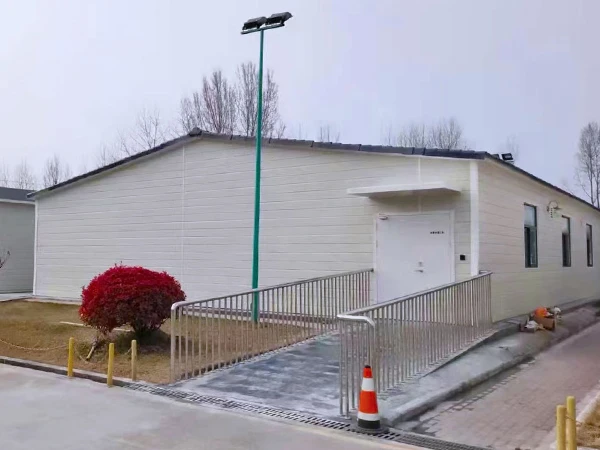
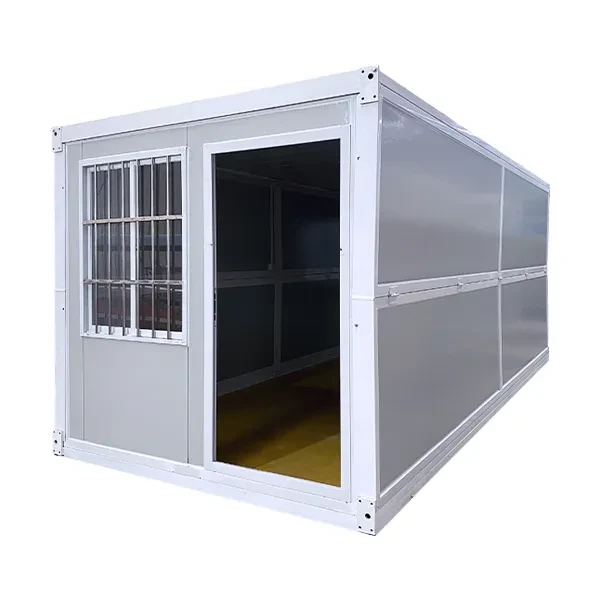
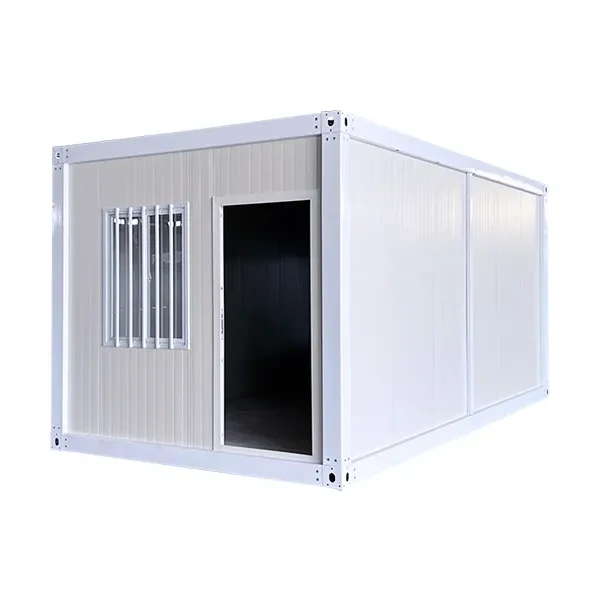
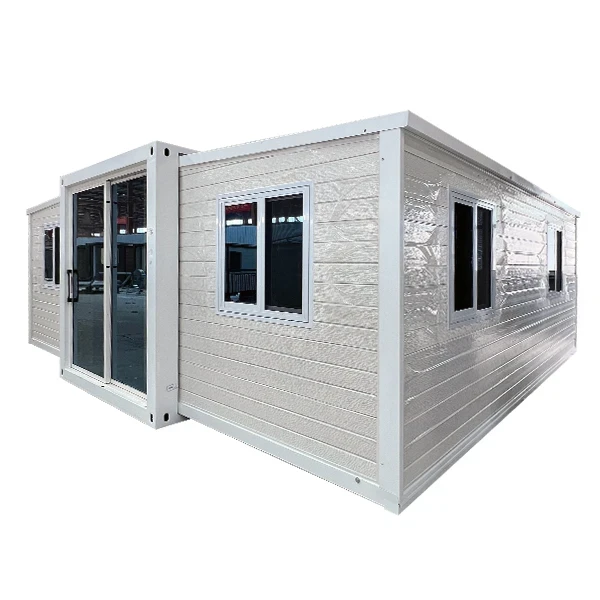
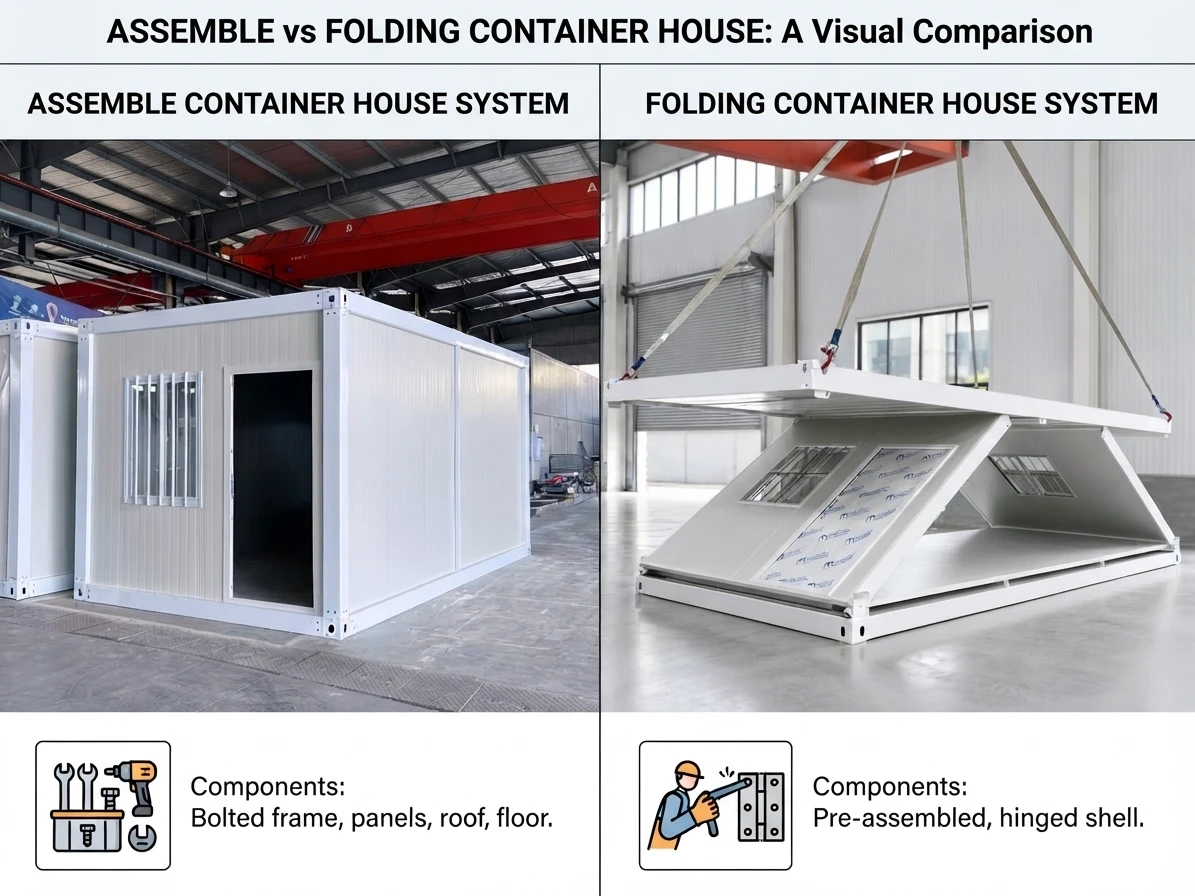
If you’ve been tracking modular building, you’ve seen the momentum. Post-pandemic, demand for quick, relocatable space surged—construction camps, clinics, and classrooms needed to be up in days, not months. The Flachbau-Containerhaus sits at the center of that shift. It ships compact, assembles fast, and—when specified right—feels surprisingly permanent. I’ve walked a few sites lately; to be honest, the quality gap between vendors is… noticeable.

Two clear trends: better thermal envelopes (PIR/rock wool cores, fewer thermal bridges) and faster on-site commissioning (plug-and-play MEP, pre-cut openings). Many customers say the newest Flachbau-Containerhaus models feel “less site hut, more micro-building.” Lead times are tightening too—4–6 weeks is becoming common for standard kits.
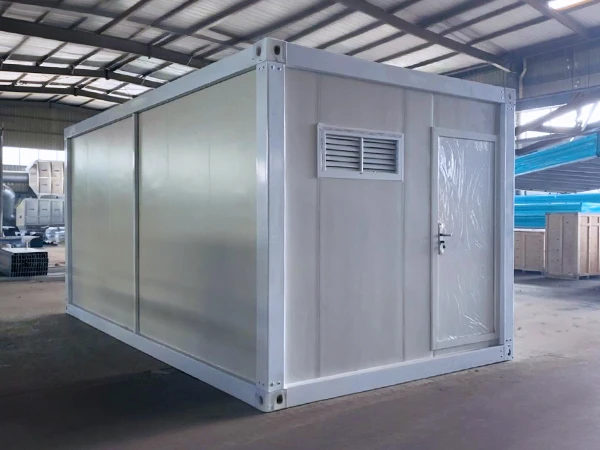
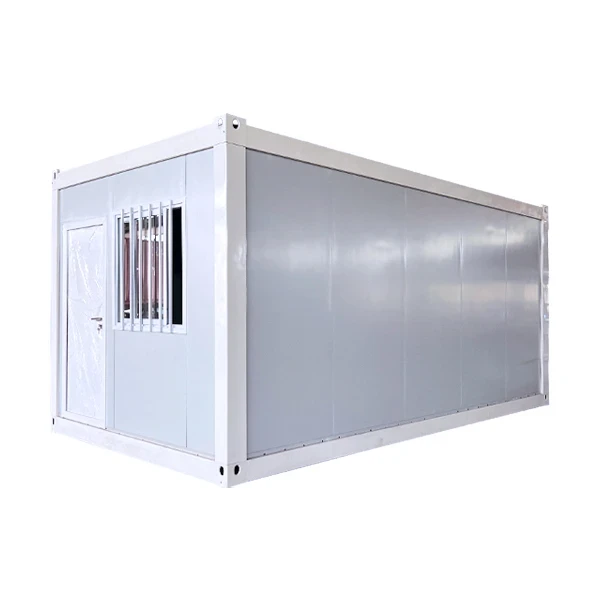
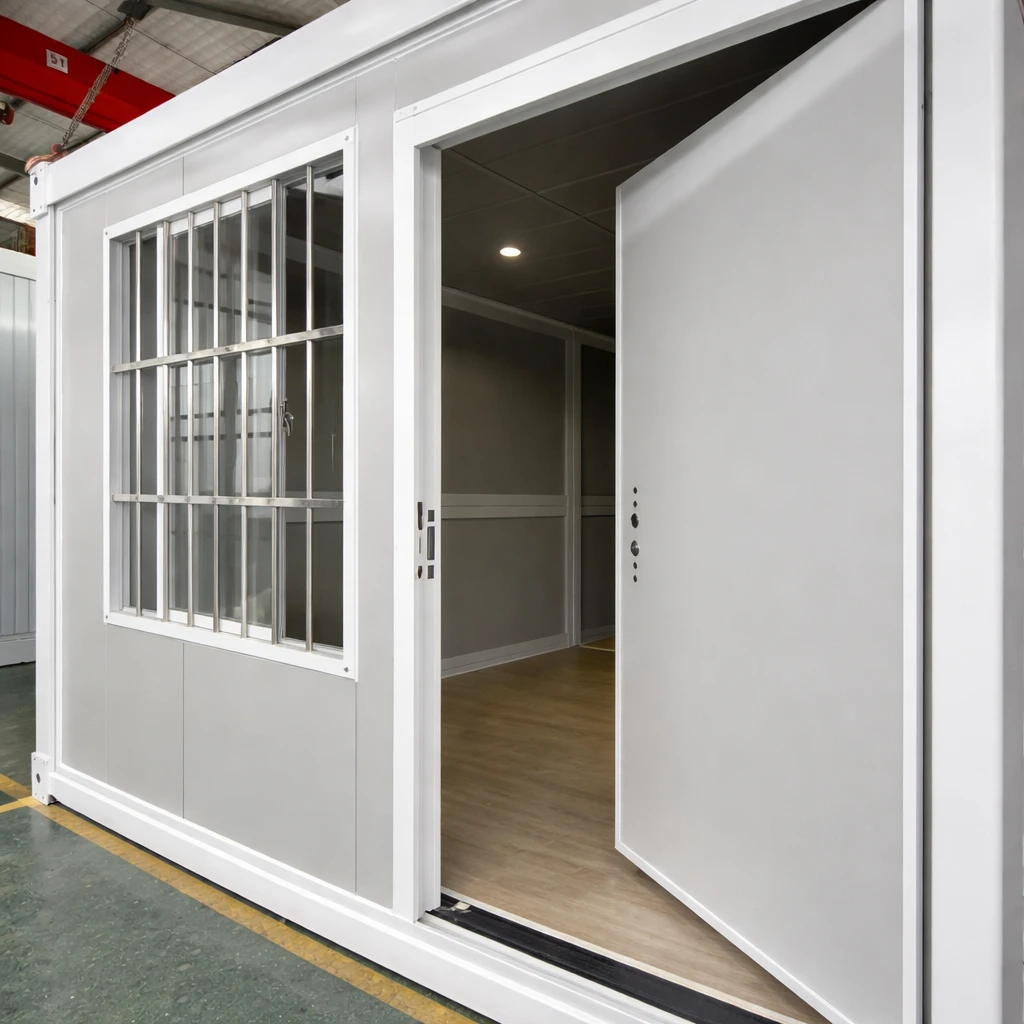
| External size | ≈ 6055 × 2435 × 2896 mm (L×W×H); real-world use may vary ±10 mm |
| Frame steel | Q235B/Q345B, powder-coated; hot-dip galvanizing optional |
| Wall/roof panel | 50–100 mm sandwich (PIR or rock wool); λ ≈ 0.022–0.038 W/m·K |
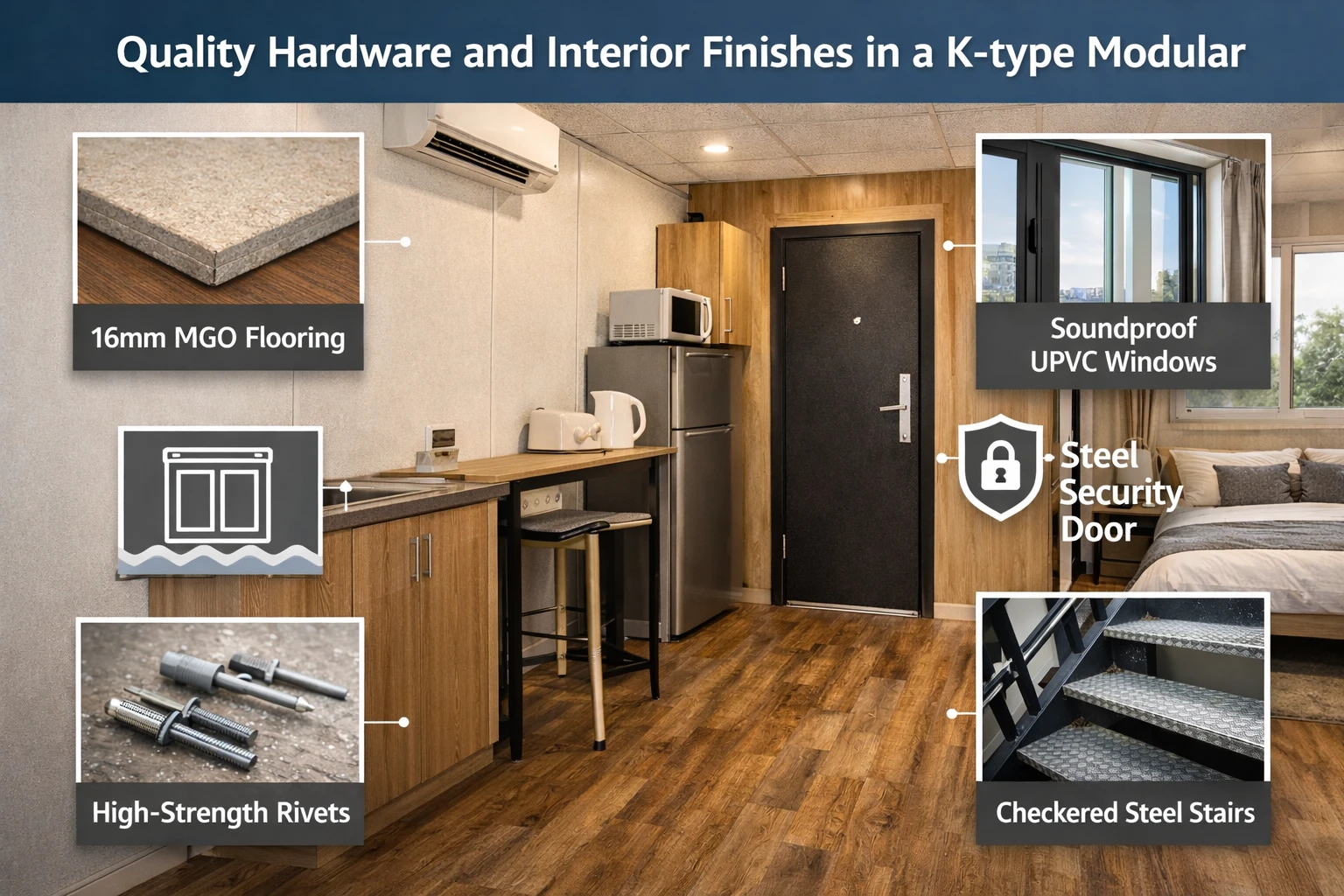
| Floor system | 18 mm cement board + PVC or laminate; floor load ≈ 2.0–3.0 kN/m² |
| Electrical | 220–240 V or 110–120 V; CE/CB/UL-listed components (model-dependent) |
| Stacking | Up to 3 stories (site engineering required for wind/seismic) |
Materials: structural columns and beams are laser-cut, robot-welded, then powder coated; corner fittings align with ISO 1161 geometry; panels use PIR for higher fire performance or rock wool for A1 non-combustibility. Joints get EPDM gaskets and polyurethane sealant; roof edges use anti-capillary laps. Methods: torque-controlled bolting (often M12), high-rivet shear connections, and pre-wired junction boxes. Testing: water spray test at ≥ 2.0 L/min·m² for 30 min; insulation per ASTM C518; finish adhesion per ISO 2409; grounding continuity ≤ 0.5 Ω; wind load checked to ASCE 7/EN 1991. Typical service life: around 15–25 years with periodic repainting.
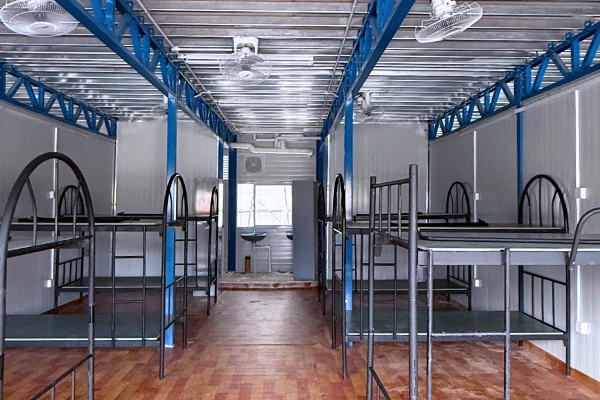
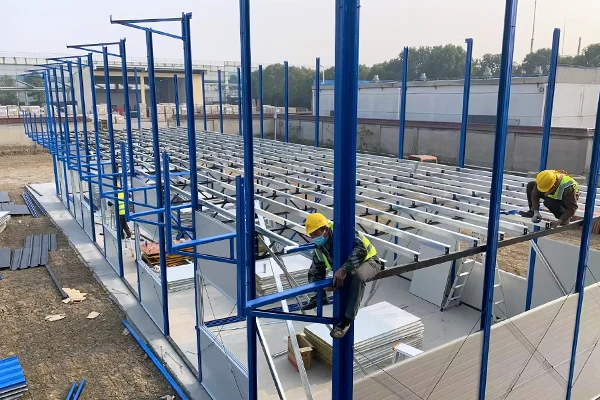
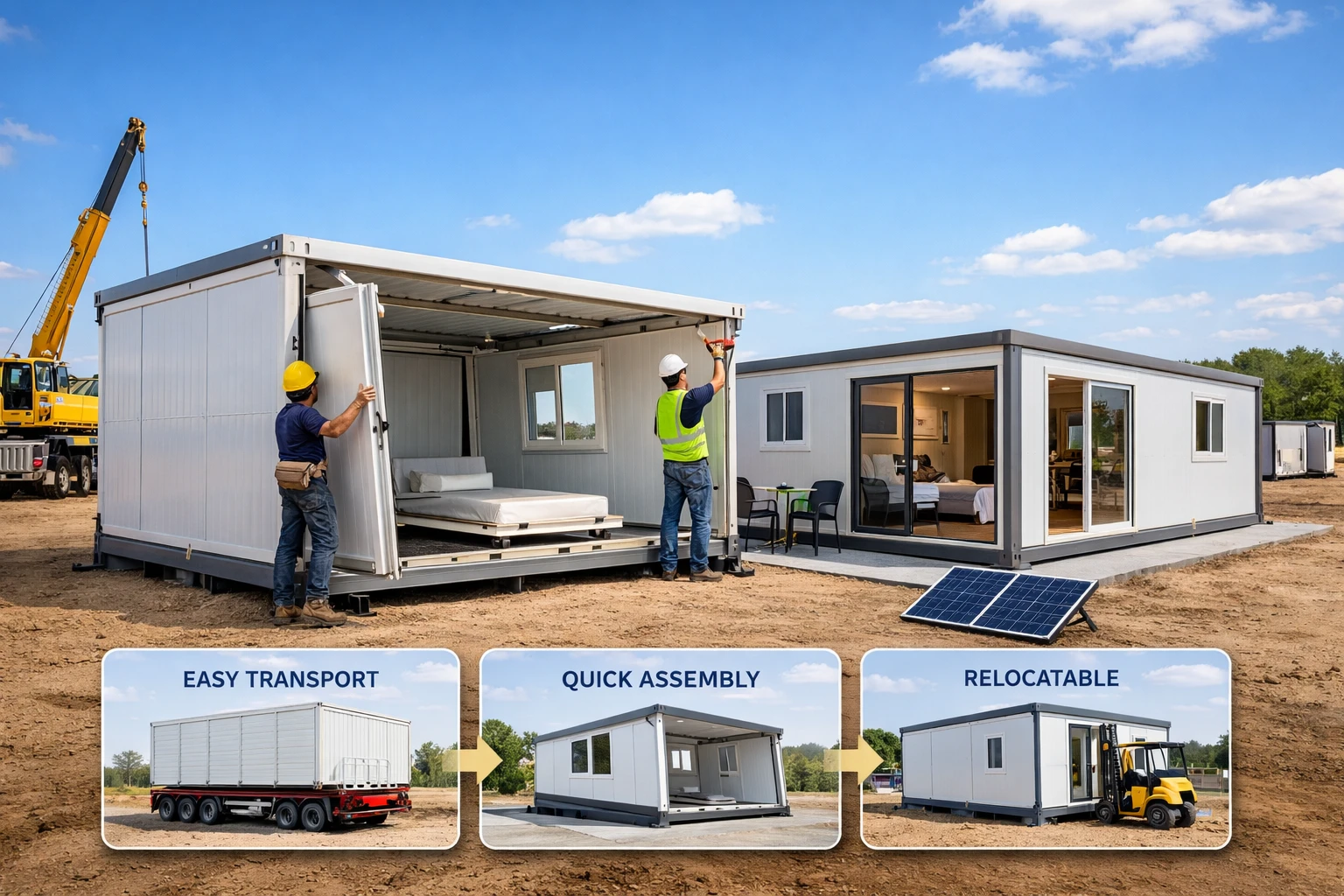
Rapid schools, site offices, pop-up clinics, worker camps, disaster-relief shelters, retail pods, and rental fleets. One mining operator told me their Flachbau-Containerhaus dorms went up “in under a week, including AC,” which tracks with my own visits—three workers can assemble a unit in 3–4 hours with a telehandler.
| Vendor | Origin | Steel/Finish | Lead time | Certs/Docs | Hinweise |
|---|---|---|---|---|---|
| ZN House (Flat Pack Container House) | Fanxiang Village, Taoyuan Town, Wujiang District, Suzhou, China | Q235/Q345, powder coat; HDG optional | ≈ 4–6 weeks (standard) | ISO/CE docs, load/water tests | Good cost-to-performance, tidy wiring |
| Vendor B (EU prefab) | EU | EN 1090 steel, baked enamel | 6–10 weeks | EN/CE, DoP | Higher price, strong documentation |
| Vendor C (Local builder) | Local/Regional | Painted mild steel | 2–8 weeks | Varies | Fast service, variable QC |
A Central Asia camp stacked 2 stories (wind ≈ 38 m/s); water ingress: none after 30-min spray; interior SPL decreased ≈ 24 dB with rock wool walls—quiet enough for offices. In a coastal rental fleet, HDG frames cut rust touch-ups by about 70% over 24 months. It seems the latest Flachbau-Containerhaus models are holding up better than their 2018-era cousins.
Note: Always verify local code compliance (IBC/EN/GB) and site loads (ASCE 7/Eurocode). Coastal or seismic zones need project PE sign-off.
If you need fast, scalable space, a quality Flachbau-Containerhaus is hard to beat. Ask for panel certificates, frame coating specs, and a water test report. And, if possible, visit a previous site—five minutes on the roof tells you everything.