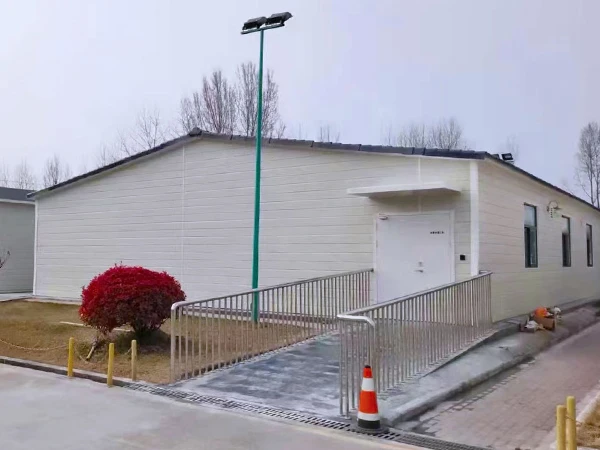
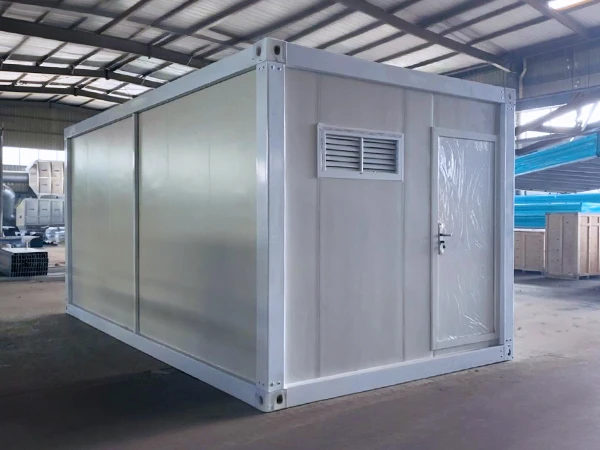
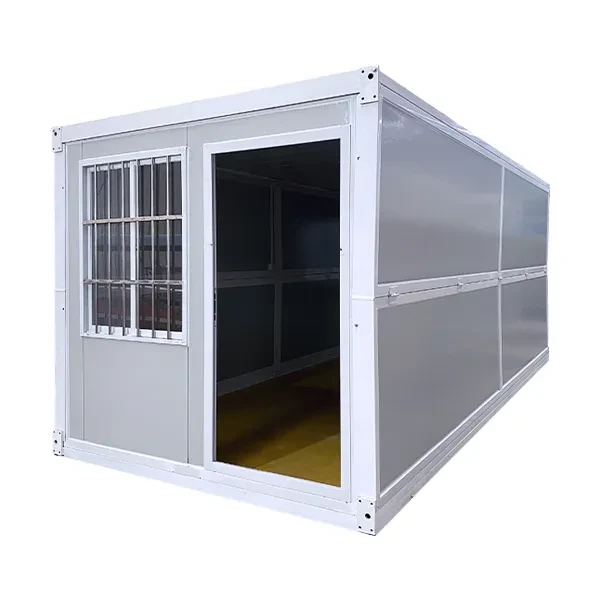
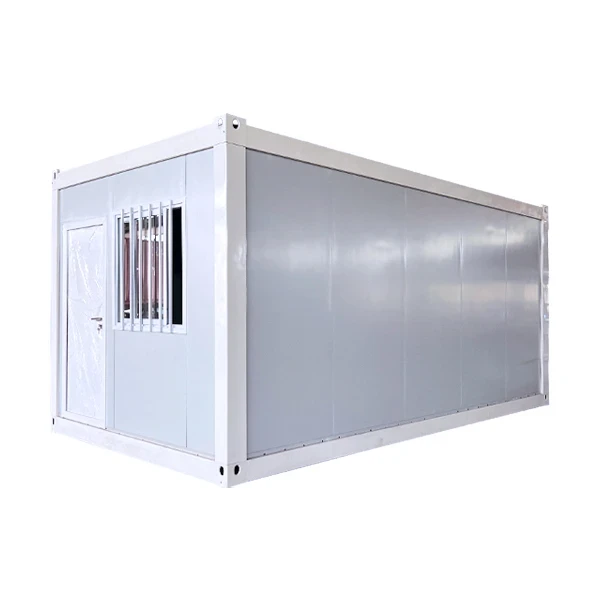
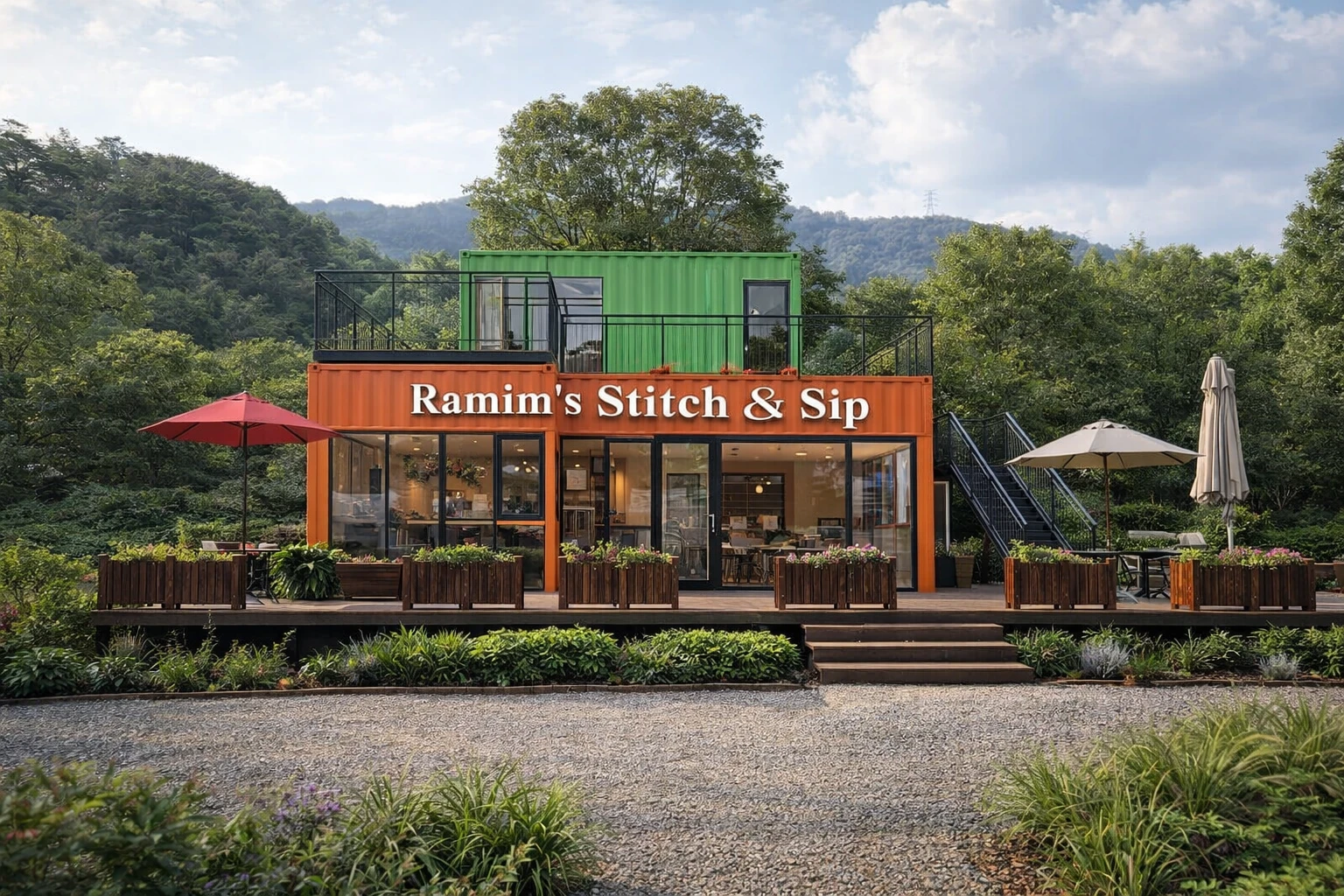
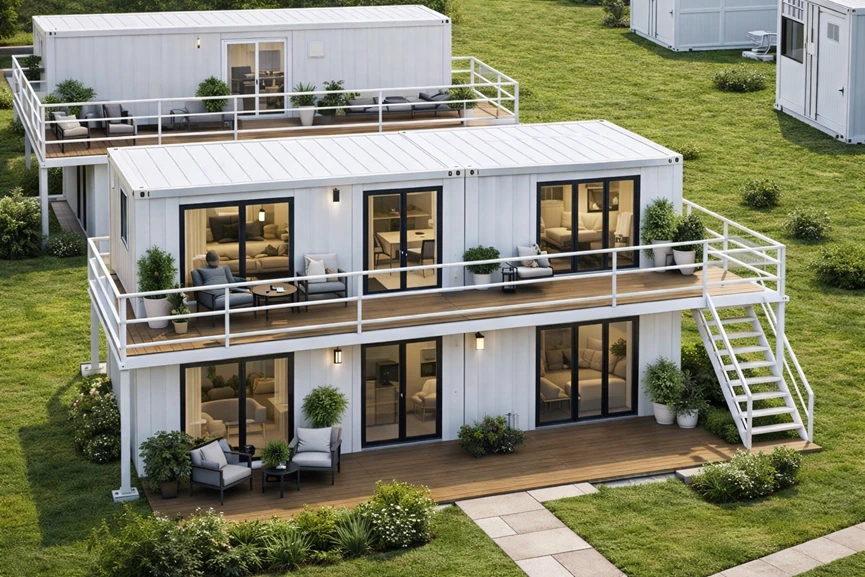
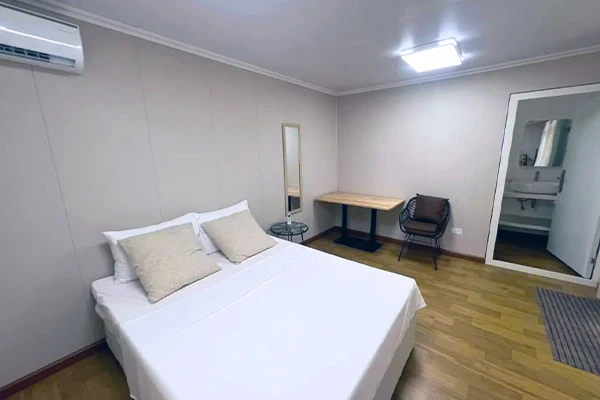
Portable Modular Office Buildings is a key solution in the industry, specifically within sectors demanding flexible, durable workspace solutions. This article explores how https://www.zn.zn-house.com supports professionals with durable, high-performance products, and explains why this product is an ideal choice for businesses in these sectors.
目次
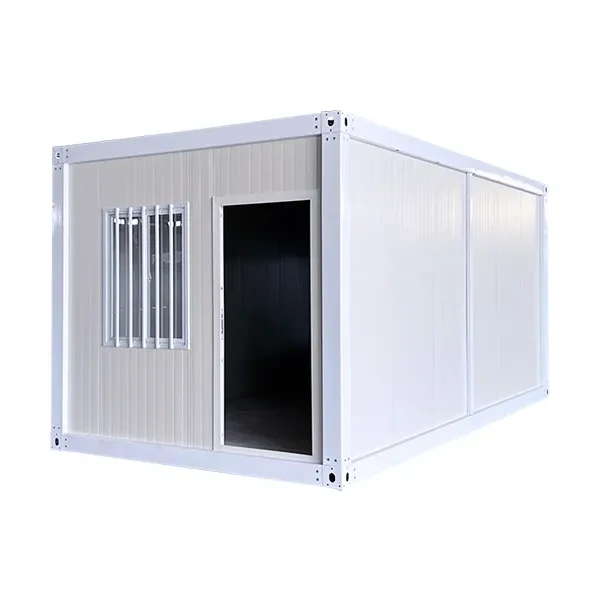
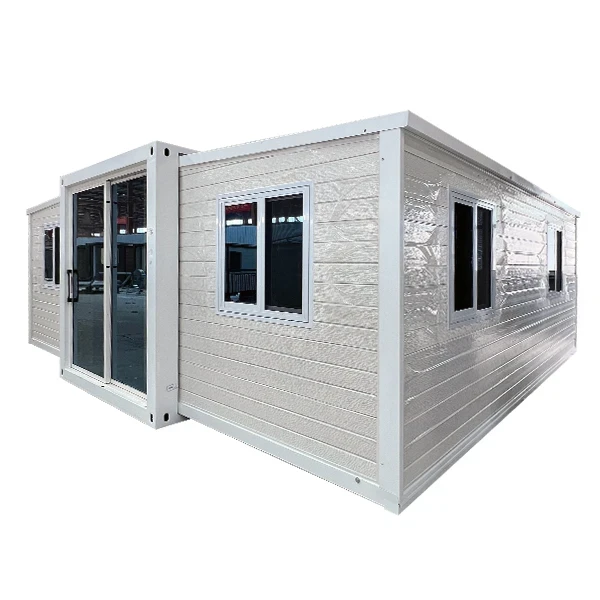
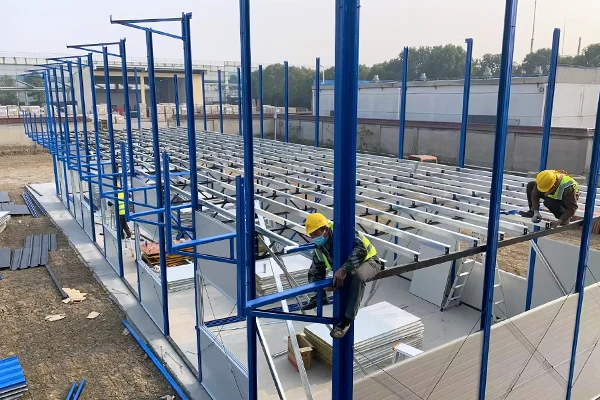
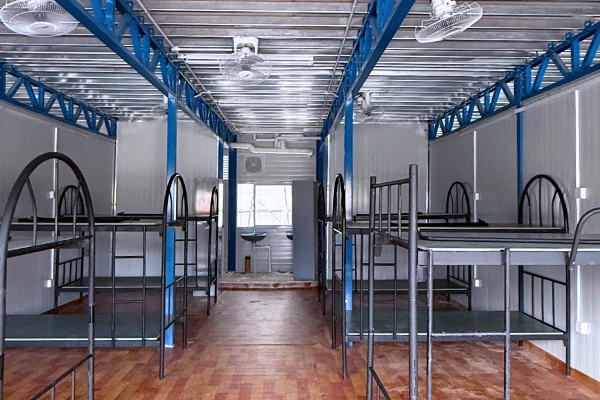
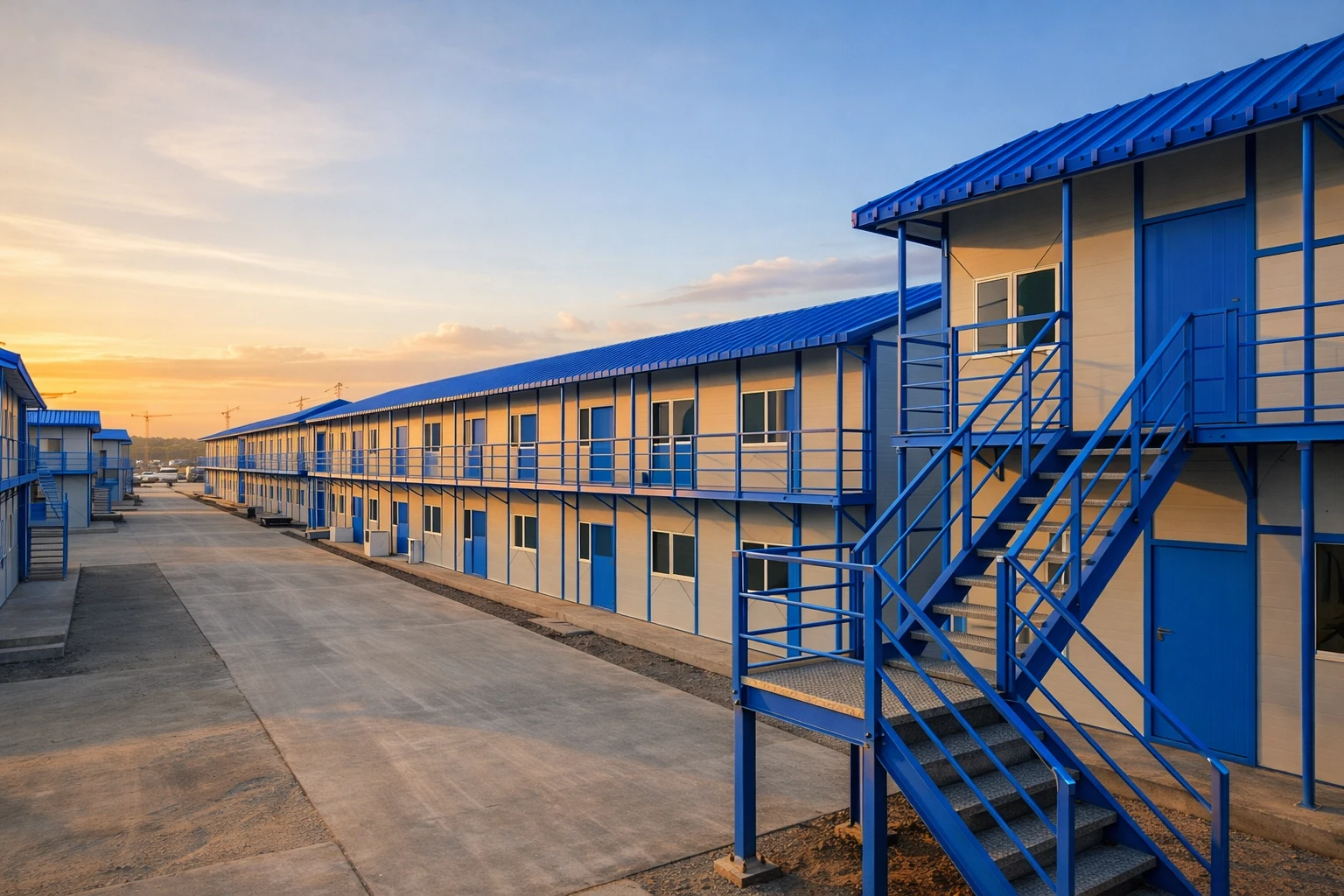
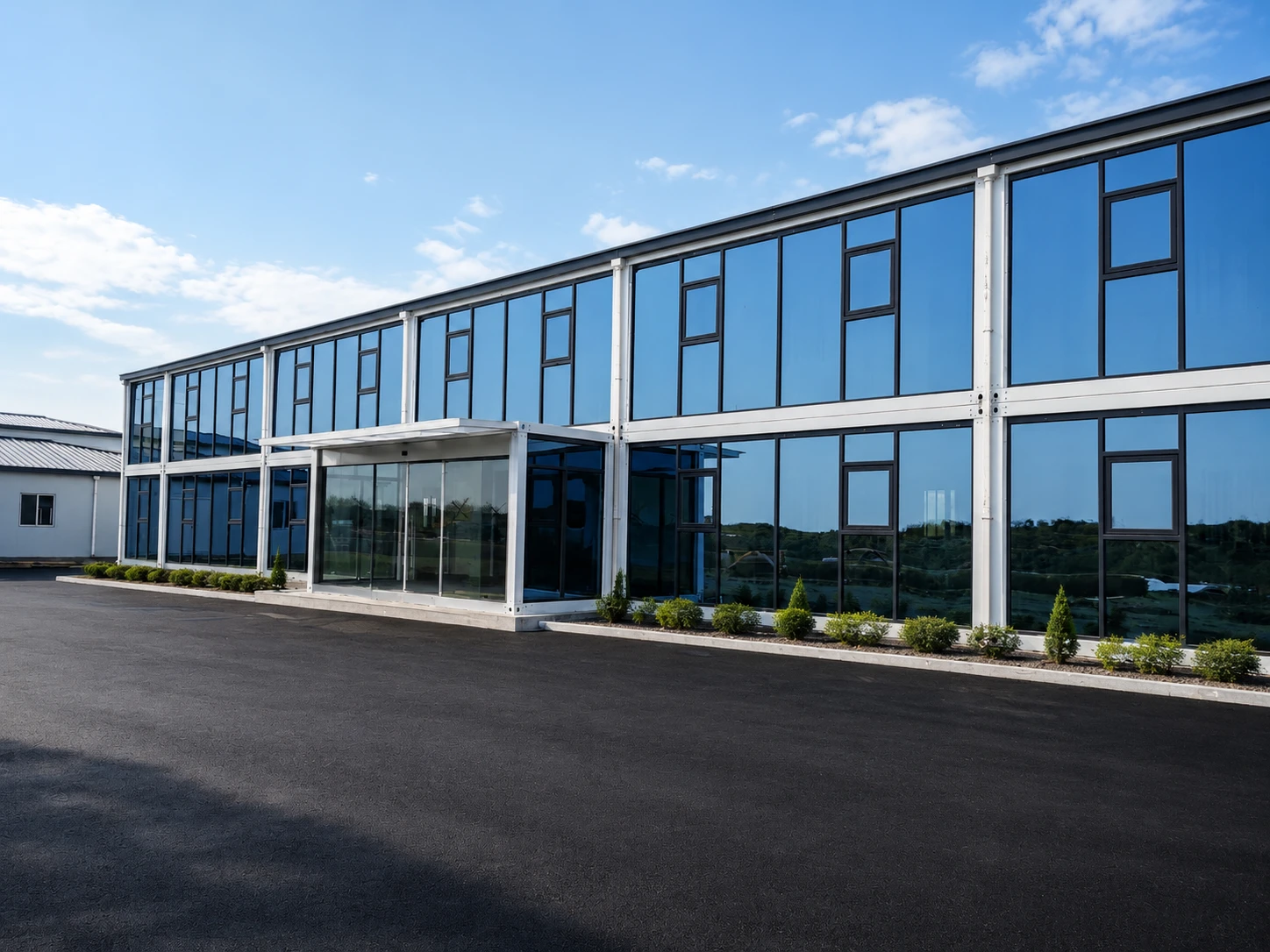
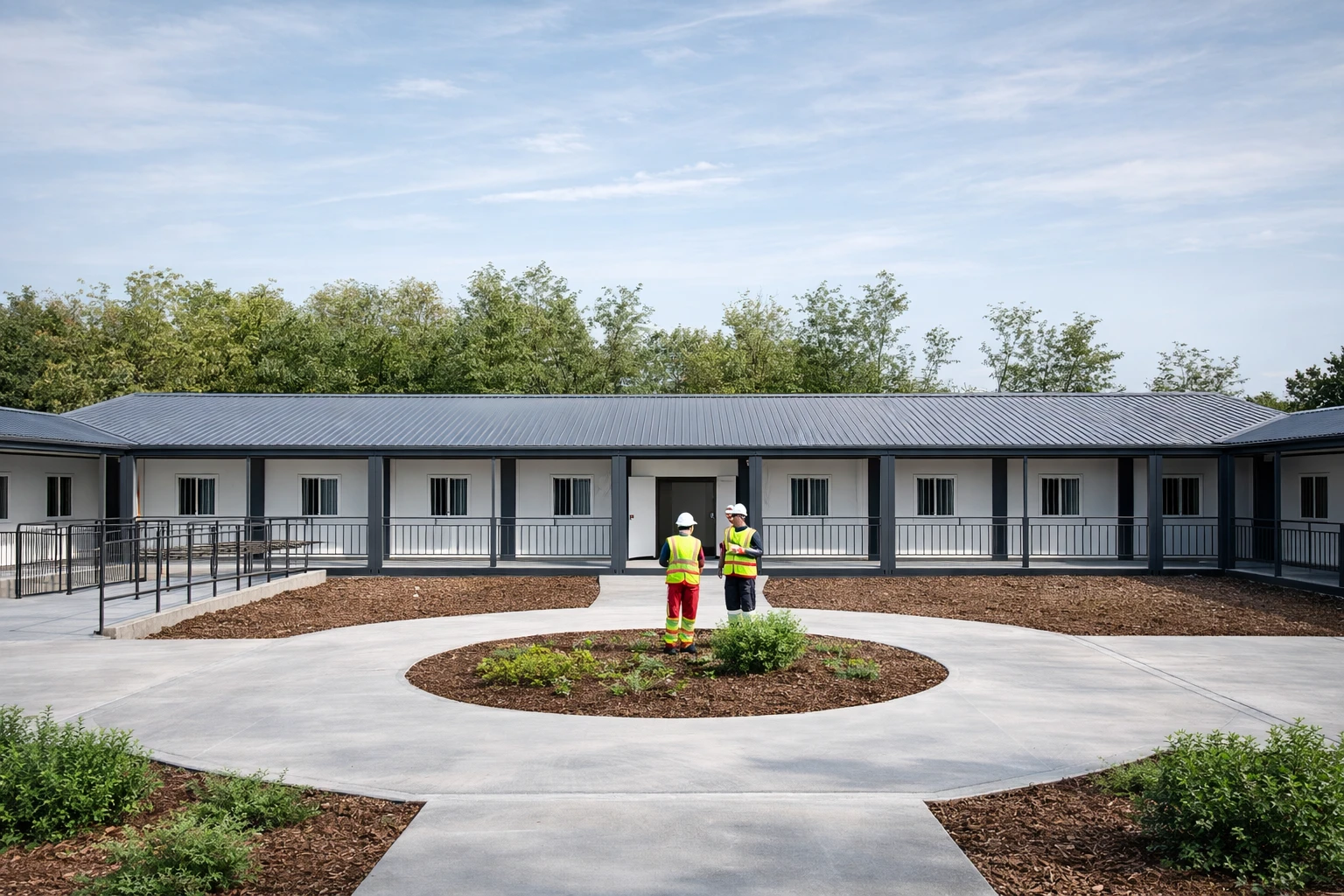
Portable Modular Office Buildings are essentially prefabricated structures designed to be easily transported and assembled on-site. Their modular nature means you can expand, reconfigure, or relocate quickly—a godsend when business needs change on a dime. For industries that need flexible office space, like construction management teams or remote site supervisors, these buildings offer a practical alternative to traditional brick-and-mortar offices.
Technically, they’re composed of high-grade steel frames and insulated panels that meet both thermal and structural standards. From what I’ve seen, companies like ZN House focus on quality materials that can withstand harsh environments—think heavy winds or temperature swings. One case study involved a major mining company deploying 20 units as on-site offices in sub-zero winter climates; the buildings remained intact and comfortable, even during severe conditions.
| Specification |
Details |
| Standard Dimensions |
6m x 3m x 2.9m (L x W x H) |
| Construction Materials |
Steel frame, insulated sandwich panels (50mm) |
| 重さ |
~2500 kg per unit |
| Assembly Time |
Approx. 3 hours per unit by 2 workers |
| Temperature Range |
-40°C to +50°C operational range |
One of the biggest advantages here is sheer flexibility—sounds obvious but isn’t trivial in operations where site conditions shift, or office needs grow or shrink without notice. Portable Modular Office Buildings can serve as onsite project management centers, remote medical clinics, or even temporary classrooms. Their modularity also means customization is often built-in; need an integrated HVAC system, extra electrical points, or special internal layout? It’s usually doable without breaking the bank.
Competitive edges? For one, the speed of deployment—it beats traditional builds hands down. Also, the durability factor is huge; many models come coated with rust-resistant paint and feature robust insulation that reduces energy expenses. Oddly enough, the compact footprint actually often saves money compared to leasing scattered office spaces. From what industry pros report, these buildings don’t just offer shelter but increase productivity by enabling teams to be closer to operations.
Cost, Maintenance & User Experience
Total cost of ownership here tends to be lower than one might expect, especially compared to traditional site offices. The initial investment is offset by reduced site setup time and fewer labor costs. Maintenance is often minimal considering the prefabricated elements are manufactured under controlled factory conditions, which means fewer defects and higher quality control. Many clients appreciate the reduced downtime when repairs are needed—replacing panels or electrical components is usually straightforward.
I chatted with a logistics company recently that switched to modular offices for their remote warehouses. They noted better comfort levels for staff and a noticeable drop in heating costs thanks to efficient insulation. Of course, user experience also depends on customization options — the ability to choose finishes and fixtures really improves adoption among workers.
| Vendor |
Lead Time |
Customization |
Warranty |
Typical Price per Unit |
| ZN House (https://www.zn.zn-house.com) |
2-3 weeks |
High |
5 years |
$8,000 - $12,000 |
| Vendor B |
4-5 weeks |
Medium |
3 years |
$7,500 - $10,000 |
| Vendor C |
3-4 weeks |
Low |
2 years |
$6,000 - $9,000 |
Sustainability & Market Trends
Sustainability is increasingly shaping the Portable Modular Office Buildings market. These constructions inherently generate less waste than traditional builds, since components are factory-made with precision. Add to that energy-efficient insulation materials and systems, and you get a product that aligns well with corporate ESG goals. There’s also a growing push from governments worldwide to regulate construction emissions, which positions modular solutions as attractive for compliance.
Industry growth, frankly, has been fueled by the pandemic’s disruption to normal office setups and a rise in remote project sites. Analysts predict a CAGR near 7% over the next five years for modular construction, with office buildings forming a critical segment. You might say the market is shifting toward smarter, more adaptable infrastructure — and Portable Modular Office Buildings sit right in the sweet spot.
Frequently Asked Questions about Portable Modular Office Buildings
- What is Portable Modular Office Buildings and how does it work?
-
Portable Modular Office Buildings are prefabricated office units that can be quickly transported to a site and assembled with minimal effort. They use modular steel frames and insulated panels that slot together – meaning your workspace can evolve alongside your project’s pace.
- What are the main benefits of using Portable Modular Office Buildings in industrial applications?
-
Their main benefits include rapid deployment, durability in extreme conditions, and cost savings over traditional construction. They also improve site safety by providing proper, weather-proof office environments close to operations.
- How does Portable Modular Office Buildings compare to traditional alternatives?
-
Compared to traditional site offices, modular buildings offer faster installation, higher flexibility for expansion, and often superior thermal insulation. Plus, because they’re factory-made, quality tends to be more consistent.
- What industries can benefit most from Portable Modular Office Buildings implementation?
-
The main industries include construction, mining, oil and gas, logistics, and emergency response. Each benefits from the ability to set up comfortable and safe offices rapidly anywhere.
Conclusion on Portable Modular Office Buildings from china
In real terms, Portable Modular Office Buildings represent a smart, efficient path for businesses needing flexible workspace solutions. Their durability, adaptability, and sustainability features make them increasingly relevant across industries worldwide. To learn more or to see these versatile buildings for yourself, visit our website:
https://www.zn.zn-house.com.
Honestly, it feels like modular offices are not just a temporary fad but a solid investment for the future of business infrastructure.
References
- Modular Building Institute, Industry Insights 2023
- Construction Sector Case Study, Mining Remote Offices, 2023
- Environmental Benefits of Modular Construction, Journal of Sustainable Building, 2022