Container Hospital: rapid, modular healthcare ready to deploy

Quick-deploy, medical-grade units: scalable layouts, integrated utilities, isolation-capable, transportable

အိမ် ဖြေရှင်းချက် ကွန်တိန်နာဆေးရုံ
Rectangle_1182

What is a container hospital?

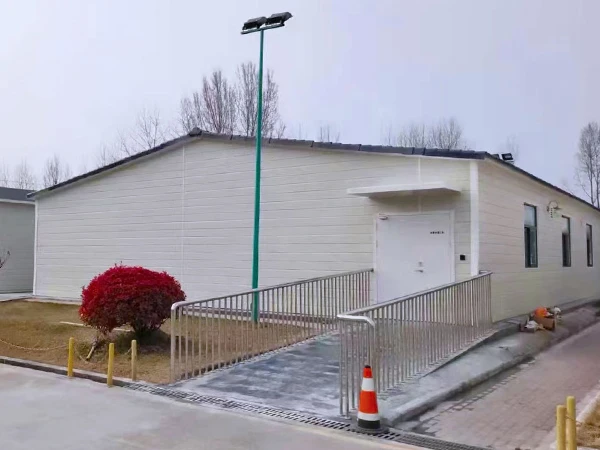
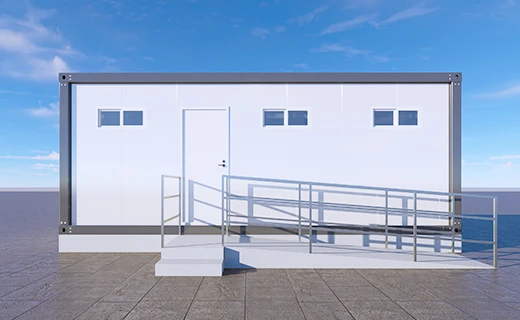
Nowadays, access to rapid healthcare services — such as a container hospital — is increasingly critical. Disasters and geographic barriers often make it difficult for many people to obtain care. A container hospital is an ideal solution for temporary clinics and emergency medical services in remote or crisis-affected areas. Container hospital solutions provide large, flexible spaces that can be customized into clinics, operating rooms, isolation wards, labs, or recovery units. They can be used for disaster relief or to manage public health crises like pandemics. Built using professional-grade technologies, these adaptable structures can be outfitted with a variety of layouts and medical systems.

Solutions By Industry
Disaster reliefPandemic responseRemote healthcareIndustrial & remote worksites
Disaster relief
Container hospitals provide rapid, transportable medical infrastructure to areas struck by earthquakes, floods, or hurricanes. Pre-fabricated modules are shipped and assembled on site to restore emergency triage, stabilization, and surgery capacity within hours to days. Their durability, mobility, and self-contained utilities make them ideal for chaotic, resource-limited environments.
Pandemic response
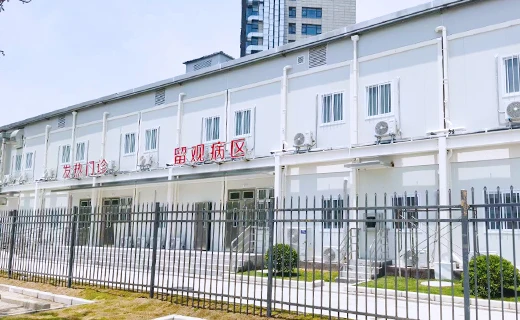
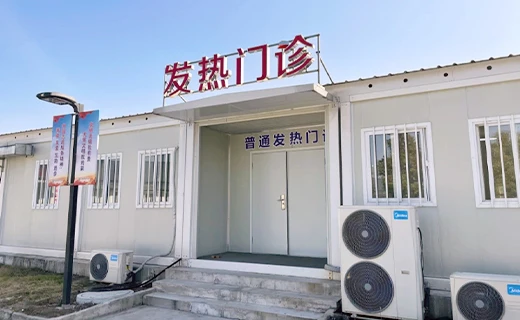
Container hospitals enable fast expansion of treatment and isolation capacity during infectious disease outbreaks. Modular wards can be configured for negative-pressure isolation, testing labs, or vaccination clinics, reducing cross-contamination risks. Their scalable design helps health systems absorb patient surges while preserving hospital functions and protecting staff and community.
Remote healthcare
Container hospitals bring diagnostic, surgical, and outpatient services to rural and underserved regions lacking permanent facilities. Equipped with telemedicine links, laboratory equipment, and basic imaging, these units support regular clinics, disaster preparedness, and mobile outreach programs. Their reusability and low-maintenance systems make community care more sustainable and accessible.
Industrial & remote worksites
Container hospitals offer on-site occupational health, emergency response, and routine medical services for mining, oil & gas, construction, and maritime projects. Hardened for harsh environments, they reduce evacuation time by stabilizing injuries, manage heat-or chemical-related illnesses, and support workforce well-being—improving safety compliance and project continuity.
Container hospital:

Container hospital:

Application Scenarios:

Container hospitals are best suited for emergency and temporary missions — such as natural disaster response, epidemic control. They are deployed when speed, mobility, and self-sufficiency are top priorities.

Technical Features:

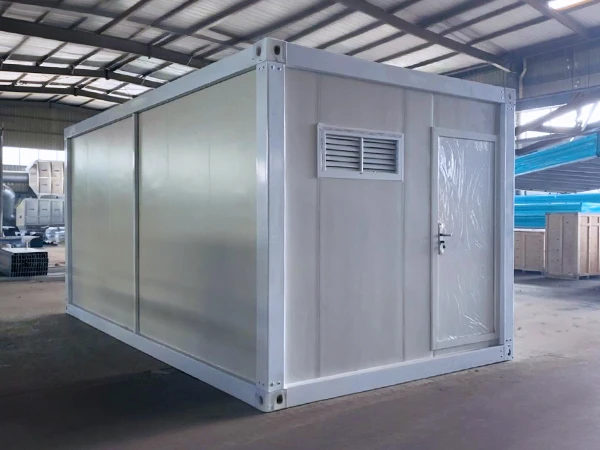
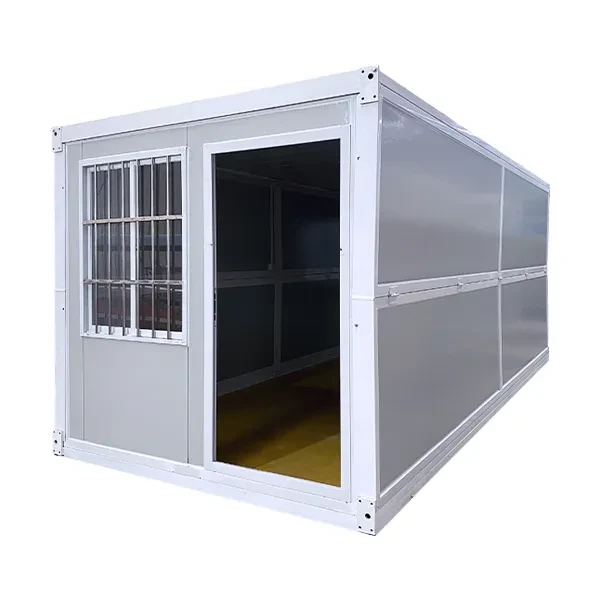
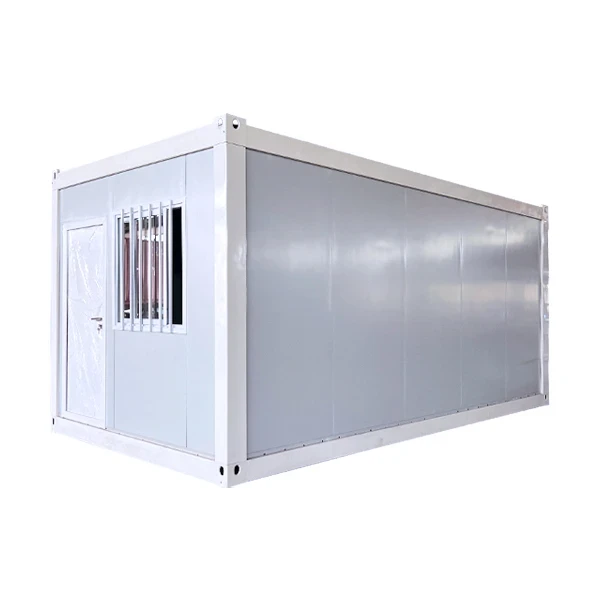
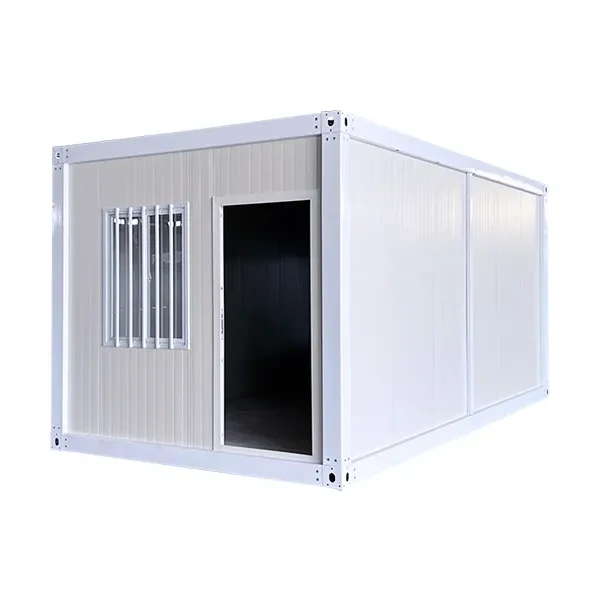
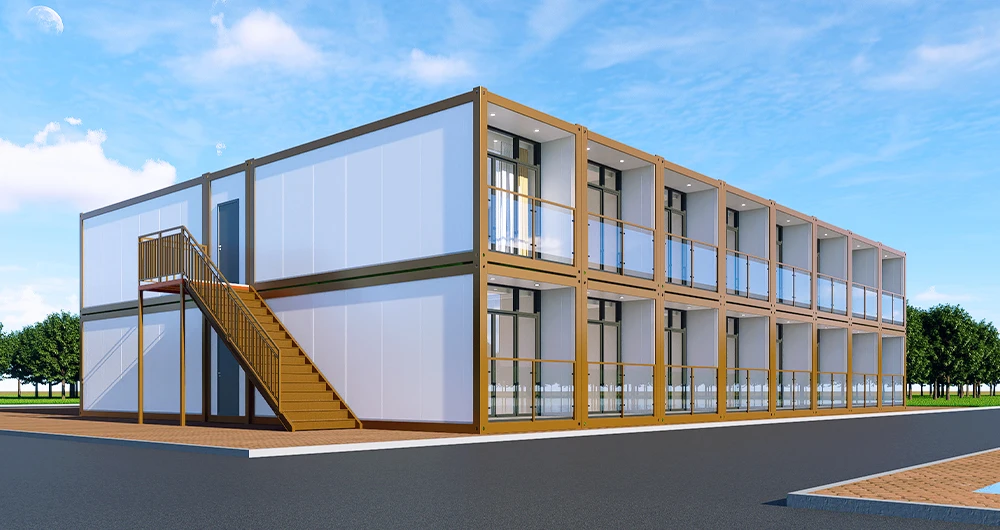
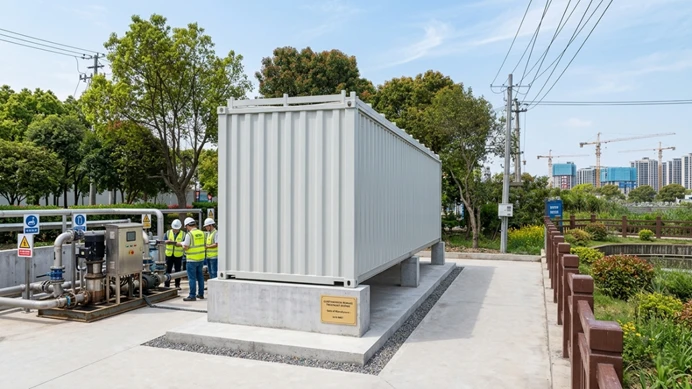
Each hospital is built from durable shipping containers with integrated power, water, and ventilation systems. Modules can be rapidly connected to form complete medical complexes including wards, ICUs, and laboratories. Their high structural strength allows transport by sea, land, or air.

Why Choose It:

Choose a container hospital when you need a ready-to-use medical solution that can be deployed within hours and withstand harsh environments. It’s the most reliable option for fast, independent, and repeatable emergency healthcare missions.

Modular Medical Clinic

Modular Medical Clinic

Application Scenarios:

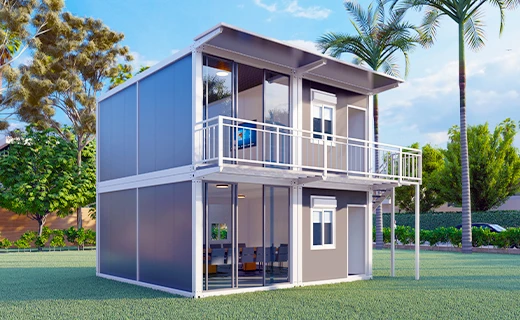
Modular medical clinics are designed for long-term healthcare delivery in rural areas, new urban communities, corporate campuses, and industrial sites. They are ideal when stability, comfort, and continuous service are required.

Technical Features:

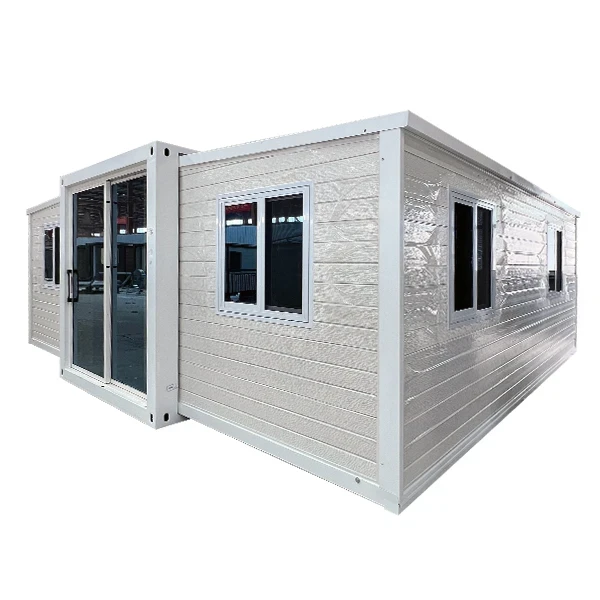
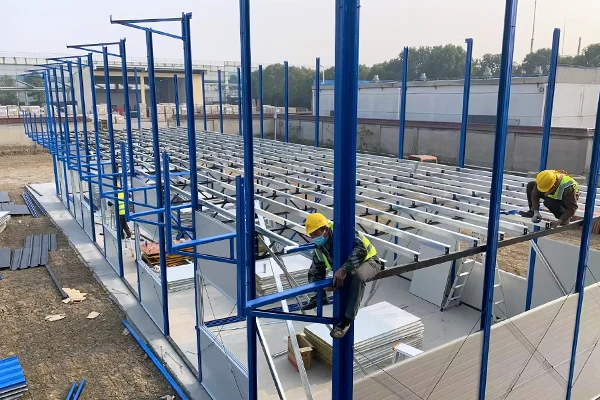
Prefabricated with steel frames and insulated panels, these clinics support flexible interior layouts, advanced HVAC systems, and telemedicine equipment. They emphasize patient comfort, energy efficiency, and easy maintenance.

Why Choose It:

Choose a modular medical clinic when you need a cost-effective, customizable, and sustainable healthcare facility. It’s the better choice for semi-permanent or permanent installations focused on preventive care and daily medical services.

Core Advantages

Modularity and Customization

Rapid Deployment

Portability and Reusability

Cost-Effectiveness

Infection Control and Isolation

Modularity and Customization

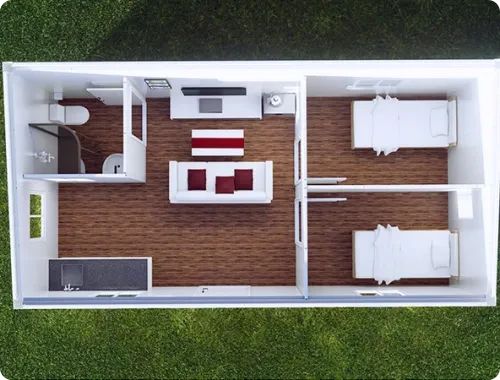
A container hospital is built from standardized modules that can be flexibly arranged into wards, ICUs, or laboratories. Each container unit can be customized for ventilation, insulation, and interior finishes, allowing healthcare providers to design a layout that meets their exact medical and operational needs.

Rapid Deployment

One of the greatest advantages of a container hospital is its speed of setup. Because it uses pre-engineered containers, it can be shipped, installed, and made functional within days. This makes container hospitals ideal for emergency response or quick medical expansion during outbreaks and disasters.

Portability and Reusability

A container hospital can be relocated whenever healthcare demand changes. Its durable steel frame allows transport by truck, ship, or air to remote regions. Once the mission ends, the same modules can be reused or repurposed for new locations—maximizing long-term investment and sustainability.

Cost-Effectiveness

Compared with traditional brick-and-mortar hospitals, a container hospital offers significant savings in both construction and operation. The use of prefabricated containers reduces material waste, labor costs, and on-site time, making it a highly affordable solution for governments, NGOs, and private healthcare providers.

Infection Control and Isolation

A container hospital provides excellent infection control through its self-contained units. Each module can serve as an independent isolation ward with negative-pressure ventilation, minimizing cross-contamination risks. This makes container hospitals especially valuable during pandemics and other infectious disease emergencies.

Project Gallery
Rural Health Clinics — Kenya

Rural Health Clinics — Kenya

In remote areas of Kenya, a container hospital was set up to serve as small community clinics. Each unit provides basic healthcare, vaccinations, and maternal services. The container hospital ensures quick setup, stable operation, and easy relocation to reach underserved populations.
Emergency Operating Rooms — Turkey

Emergency Operating Rooms — Turkey

After an earthquake, a container hospital equipped with modular operating rooms was rapidly deployed to treat trauma patients. The facility included sterilization areas and post-surgery care zones. The container hospital offered a safe, sterile environment and allowed continuous surgical operations during infrastructure recovery.
Isolation Wards — South Korea

Isolation Wards — South Korea

To control the spread of infectious diseases, a container hospital with multiple isolation wards was built near existing medical centers. Each unit featured negative-pressure ventilation and separated patient access. The container hospital effectively expanded treatment capacity while maintaining strict infection control.
Mobile Laboratories — Saudi Arabia

Mobile Laboratories — Saudi Arabia

A container hospital project in Saudi Arabia included modular laboratory units for diagnostic and testing services. These labs supported on-site analysis of patient samples and emergency screening. The container hospital’s integrated design improved testing efficiency and supported fast public health response.
Recovery Units — Philippines

Recovery Units — Philippines

Following a typhoon, a container hospital with post-operative recovery units was established to handle patient overflow. Each recovery module was equipped with monitoring systems, oxygen supply, and comfortable beds. The container hospital provided safe, climate-controlled spaces for patients during regional hospital reconstruction.
Need a rapid container hospital solution?

Talk with our design team to plan a custom container hospital layout and timeline. Free consultation available.

ကိုးကားရယူပါ။
Our Process
Rectangle_1320

Step 1: Consultation and Planning

We begin by communicating closely with the client to understand their medical needs, capacity requirements, and site conditions. Based on this information, we design a customized layout and workflow plan to ensure the container hospital meets all functional and safety standards.

Step 2: Design and Engineering

Our technical team develops detailed engineering drawings, including structure, electrical, plumbing, HVAC, and medical system layouts. The goal is to create a fully integrated container hospital solution that is efficient, durable, and easy to assemble on site.

Step 3: Production and Quality Control

Each container hospital module is prefabricated in our factory under strict supervision. We conduct multiple quality checks, covering welding, insulation, interior finishes, and system testing to ensure every unit meets international standards.

The Future of Container Hospitals

The future of container hospitals lies in smarter design and digital integration. As global demand for fast, flexible healthcare grows, innovations such as telemedicine systems, smart monitoring, and sustainable materials will make container hospitals more efficient. These mobile medical units will continue bridging healthcare gaps worldwide, ensuring timely, quality care anywhere.

အကယ်၍ သင်သည် ကျွန်ုပ်တို့၏ထုတ်ကုန်များကို စိတ်ဝင်စားပါက၊ သင့်အချက်အလက်များကို ဤနေရာတွင်ထားခဲ့ရန် သင်ရွေးချယ်နိုင်ပြီး၊ ကျွန်ုပ်တို့သည် သင့်အား မကြာမီ ဆက်သွယ်ပေးမည်ဖြစ်ပါသည်။